Shop by
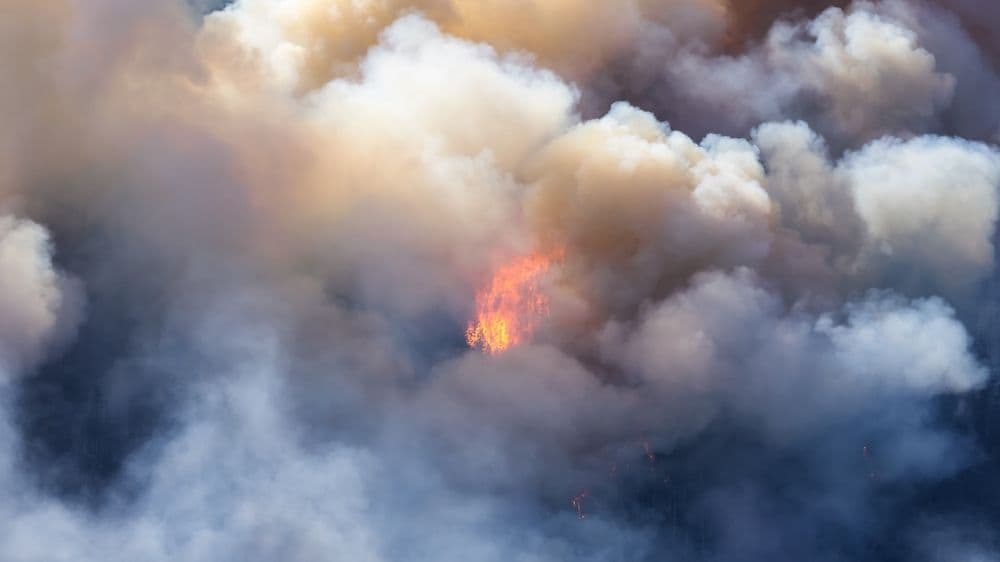
The U.S EPA says MERV 13 is the highest filter rating most home HVAC systems can use safely, and it removes up to 95% of wildfire smoke particles that pass through the unit. It pulls fine dust from indoor air, and most newer systems can run it safely as long as you swap the filter on time.
Invest in MERV 13. It blocks about 90 % of wildfire smoke and suits most home systems.
Lower grades miss smoke. MERV 1–11 filters leave fine PM₂.₅ in the air.
Check monthly during the fire season. Heavy smoke can clog a MERV 13 in 30–60 days.
Seal and recirculate. A tight fit and recirc mode keep smoke from bypassing the filter.
Add room help. Use a HEPA purifier or a DIY box-fan filter for extra cleanup.
Most homes use a thin 1-inch fiberglass pad rated MERV 1–4—fine for lint, nearly useless for wildfire smoke. Upgrading to MERV 8 blocks more household dust, and MERV 11 is better, yet neither meets the high-efficiency range that EPA guidance recommends for smoke. Only MERV 13 captures the bulk of PM 2.5 before it spreads through the house.
Measure first: Buy the exact size printed on your old filter so smoke can’t bypass the frame.
Seal gaps: Close the filter-slot cover firmly.
Run on recirculate: Set the thermostat fan to recirc to cycle indoor air through the filter again and again.
Replace often: Heavy smoke loads clog a filter fast. Check it monthly and change immediately if it looks too dirty.
Ask for help if unsure: Ask a technician to check if your blower can handle MERV 13. Adjust fan speed for better airflow.
The ENERGY STAR advises homeowners to check their filter every month during heavy use and change it if it looks dirty at least every three months. Because wildfire smoke loads a high-MERV filter much faster than normal dust, that same monthly check is the safest schedule in fire season.
Most smoke slips through. A MERV 1–4 pad stops lint but lets almost all wildfire PM 2.5 into the house.
Health gets hit first. Tiny particles can go deep in the lungs, causing severe coughing, eye burn, and asthma attacks. This affects kids, the elderly, and anyone with lung disease more.
Damage grows over time. PM₂.₅ can inflame the lung air sacs, weaken breathing, and affect lung function.
System works harder. Low grade filters can clog easily with soot, reduce airflow, and force the blower to run longer. This increases energy use and speeds up wear and tear on parts.
Upgrade to quality filters, specifically with MERV 13 rating, to effectively block as much as 90% of smoke dust. Keep your indoor air cleaner and safer.
Close up the house. Shut windows and doors whenever the outdoor AQI goes above 150.
A portable HEPA purifier in bedrooms is a good addition.
Add a low-cost box-fan filter with four MERV 13 panels for living areas. EPA testing shows it works well during smoky days.
Install a MERV 13 filter before fire season, set your HVAC to recirculate, and check the filter each month so your home air stays cleaner when smoke drifts in.
A MERV 13 filter is the minimum rating in the U.S. EPA recommends for removing fine wildfire dust (PM 2.5) in most homes.
Most newer HVAC systems can run a MERV 13 safely, but check your owner’s manual or ask an HVAC technician if you are unsure.
Check it every month; replace it every 30–60 days—or sooner if the media looks dark or airflow feels weak.
Yes, HEPA traps even smaller particles (roughly equal to MERV 17), but it is used in portable purifiers, not standard furnace slots.
No. Doubling thin pads does not raise the rating and can block airflow without improving smoke capture.
It removes most dust, but odor gases need an added activated-carbon layer or a purifier with a carbon stage.
Only if it clogs; replace it on schedule to keep airflow smooth and power use normal.

