
States Most Affected by Wildfires in the U.S. – 2026 Update
June 5, 2026
Every summer, smoke from Alaska, Canada, and the Southwest reaches cities like New York and Chicago, pushing air quality into dangerous territory for millions of people who never see a flame. Eight of the ten most expensive wildfires on record have occurred since 2017, and the trend is getting worse.
Understanding which states burn most isn't just about fire safety. It's about knowing when your indoor air is at risk and what to do about it.
Top States Affected by Wildfires
Ranked by total acres burned in 2025. Wildfire smoke from these states can reach homes across the entire country — including yours.
Wildfires are no longer just a West Coast problem. Smoke carries fine particulate matter (PM2.5) thousands of miles: in 2023, Canadian wildfire smoke pushed New York City's AQI above 400. Eight of the ten most expensive wildfires on record have occurred since 2017, and the trend is getting worse.
Understanding which states burn most isn't just about fire safety. It's about knowing when your indoor air is at risk and what to do about it.
The 2025 California Wildfires: A Devastating Start to the Year
The season opened with several destructive blazes driven by record drought and extreme Santa Ana winds — some of the most damaging fires in California history.
Palisades Fire
January 7, 2025 · Pacific Palisades & Malibu
Eaton Fire
January 7, 2025 · Pasadena & Altadena
Hughes Fire
January 22, 2025 · Castaic Lake
Border 2 Fire
January 23, 2025 · San Diego County
Wildfire Causes: Human vs. Natural Factors
People start nearly 9 in 10 wildfires — but lightning-caused fires tend to burn more land. Understanding both is key to understanding wildfire risk.
Acres Burned by Cause, 2015–2024
Millions of acres · Source: National Interagency Fire Center
Common human causes of wildfires
Source: National Interagency Fire Center · Congressional Research Service (2018–2022 averages)
The severity of wildfires is largely affected by climate conditions, and in 2021, several western states remain trapped in a persistent “megadrought.” Large portions of the region—including parts of Utah, Arizona, Nevada, California, New Mexico, Colorado, and Oregon—face “exceptional” levels of drought, which is the U.S. Drought Monitor's most severe category.
Canadian Wildfires
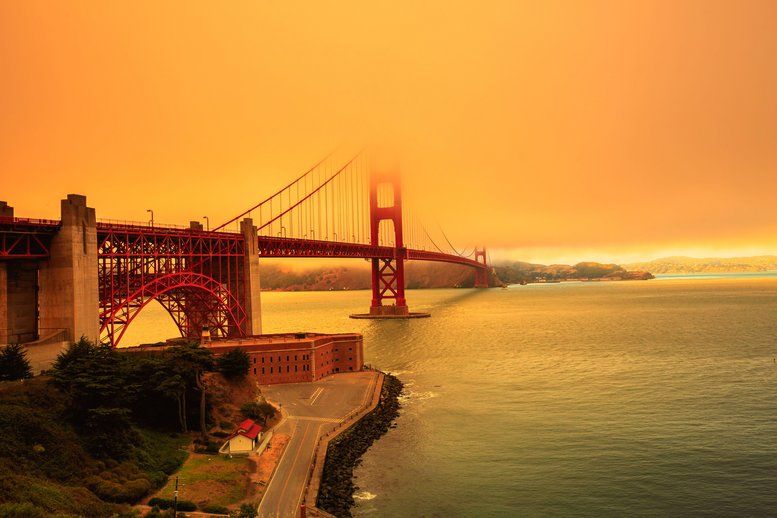
In June 2023, smoke from hundreds of active Canadian wildfires pushed New York City's AQI above 400 — classified as "hazardous." States as far south as Pennsylvania and Maryland issued air quality alerts. It was a stark reminder that wildfire smoke doesn't stop at borders.
California Wildfires
California leads the nation in wildfire exposure: 2.1 million homes are at risk — nearly three times more than Texas (750,000) or Colorado (380,000). But raw numbers don't tell the whole story. In Montana and Idaho, a quarter to a third of all properties sit in fire-prone areas, compared to just 15% in California.
To rank the states below, we used acres burned as the primary metric, sourced from the National Interagency Fire Center and U.S. Census Bureau.
What to do when AQI rises above 150
Ready before the next smoke event?
Filterbuy MERV 13 filters ship factory-direct, free. Set up auto-delivery and never get caught without one.
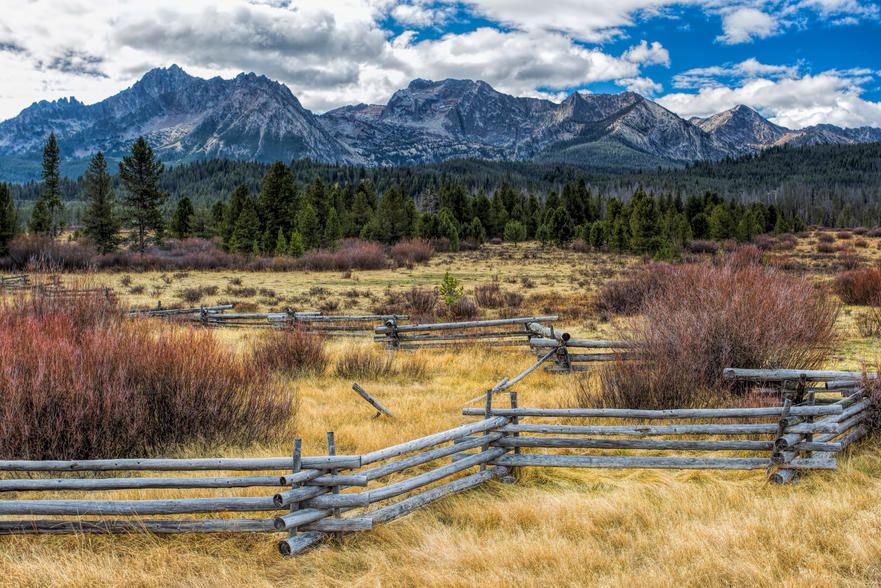
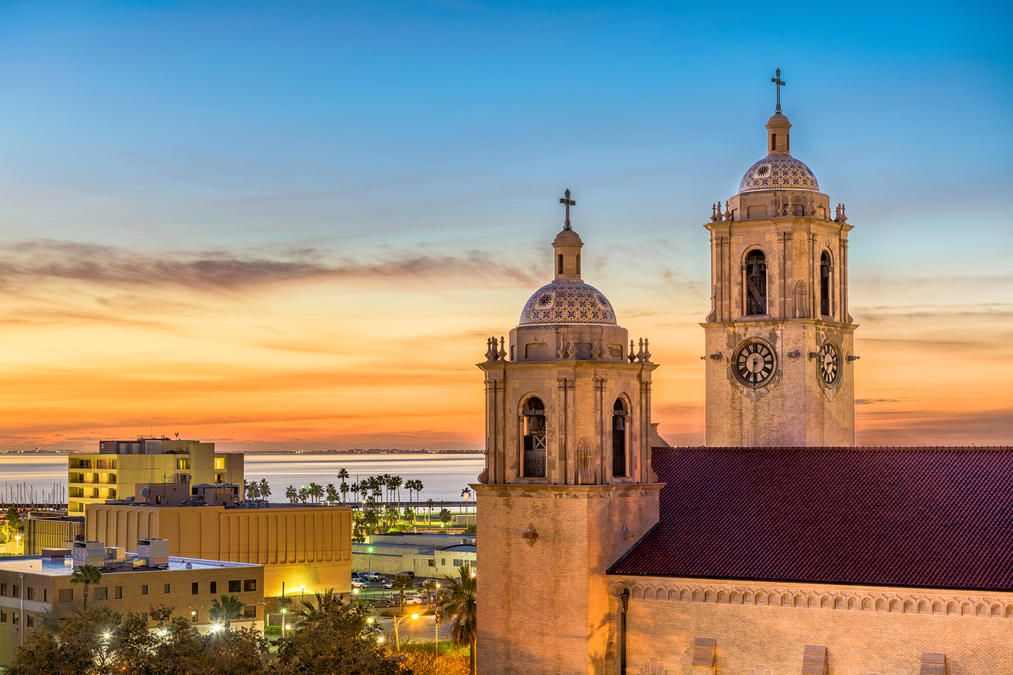
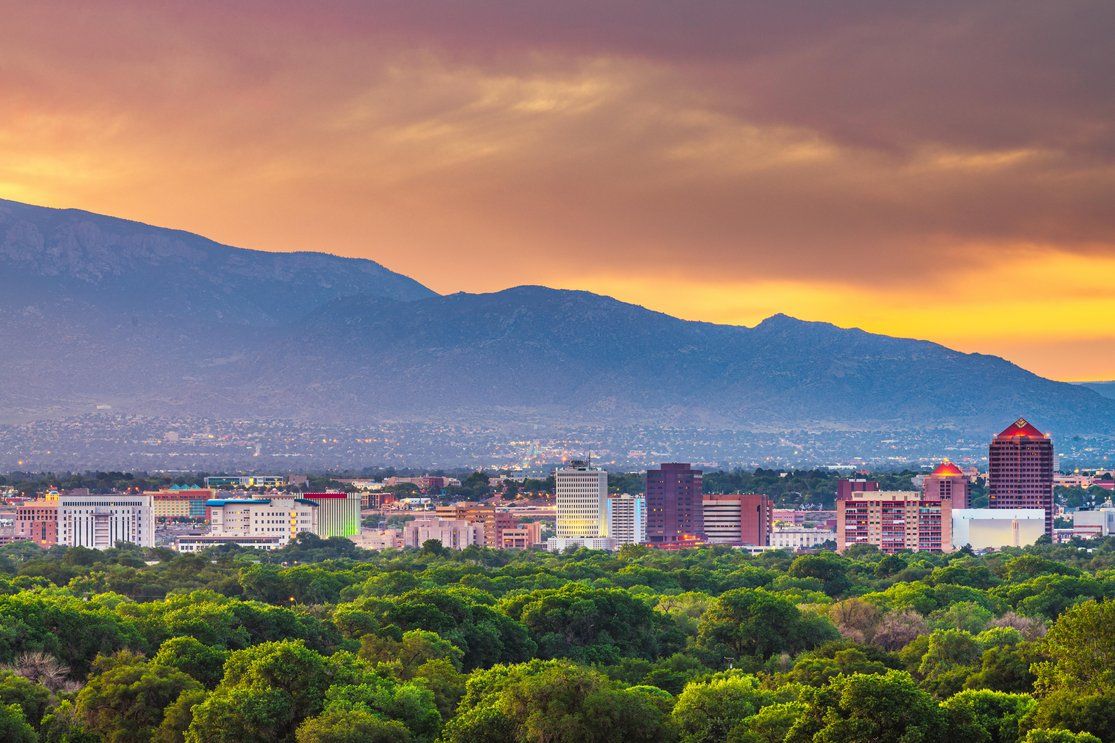
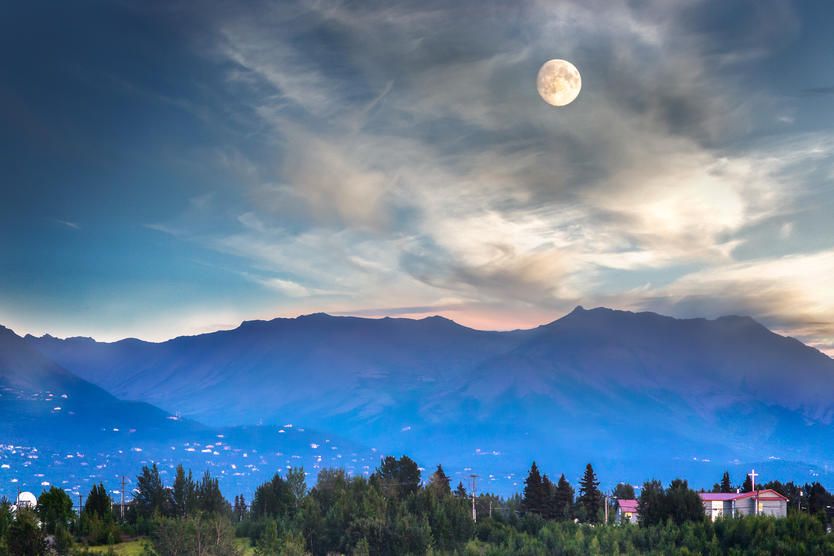
Here are the 15 states that were hit hardest by wildfires last year and the data behind each.
U.S. States Most Impacted by Wildfires in 2025
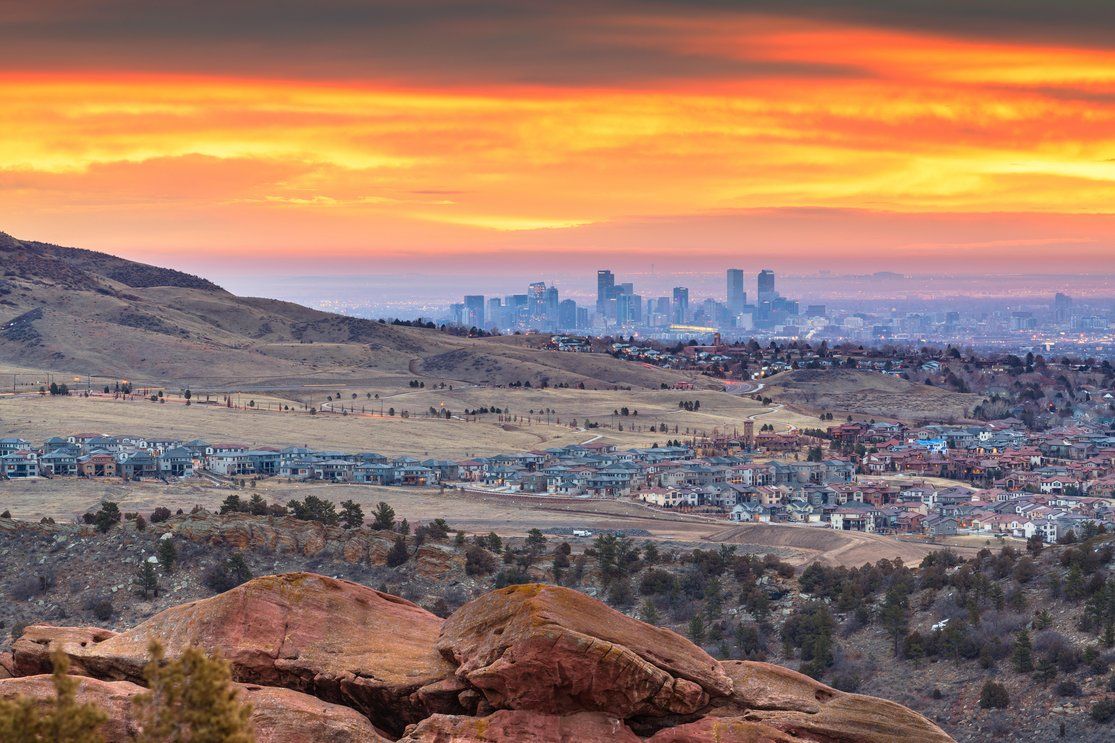
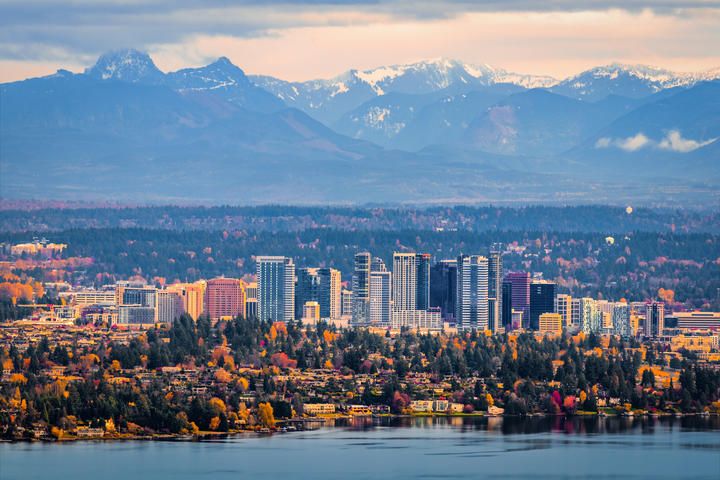
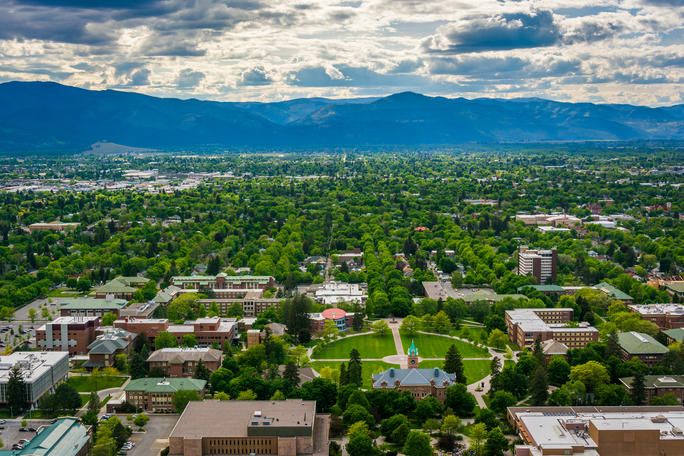
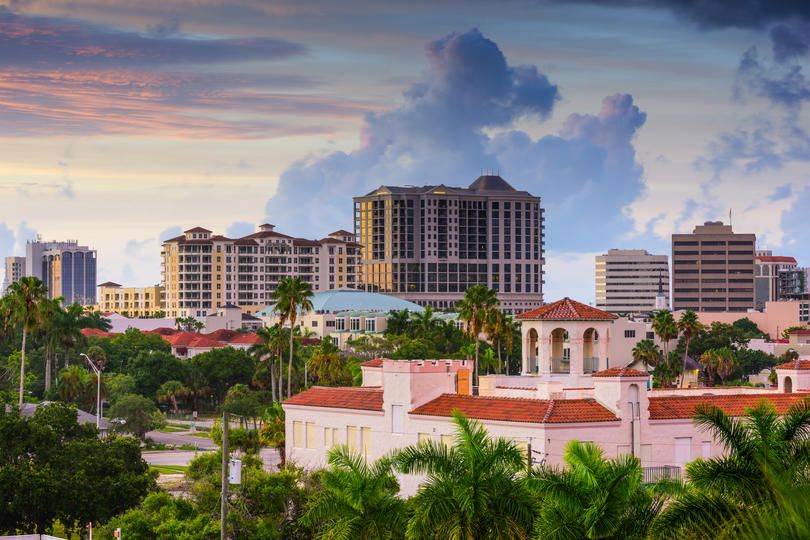
Our customer support team frequently helps homeowners in California, Oregon, and Washington choose the right filtration level for recurring smoke events. One of the most common questions we hear is whether a standard filter is “good enough” during fire season. The short answer: if you can smell smoke indoors, your current filter likely isn’t capturing the fine particles doing the most damage. For these states, we typically recommend upgrading to a MERV 13 filter during the May–October fire season window—and many of our West Coast customers now keep them installed year-round through auto-delivery.
TL;DR: Quick Answers About U.S. Wildfires
Which states have the most wildfires?
In 2024, Alaska burned the most acreage (3.1 million acres), followed by New Mexico (859,906 acres) and Texas (671,800 acres). California led in total number of fires with 7,884 and accounted for over 40% of all U.S. wildfire acreage.
Can wildfire smoke affect my state even without nearby fires?
Yes. Wildfire smoke carries fine PM2.5 particles that can travel thousands of miles. In 2023, Canadian wildfire smoke pushed New York City's AQI above 400—over 2,000 miles from the nearest blaze.
What air filter protects against wildfire smoke?
MERV 13 filters are the minimum recommended rating for capturing fine wildfire smoke particles (PM2.5) in residential HVAC systems. Standard MERV 8 filters are not effective against smoke.
When is wildfire season?
Peak wildfire season typically runs May through October in western states, though fires can occur year-round. The January 2025 California fires showed that devastating wildfires are no longer limited to summer months.
KEY TAKEAWAYS:
Wildfires are worsening, with California burning over 40% of the total wildfire acres in 2024, and 2025 is expected to be even more devastating.
Wildfire smoke impacts air quality nationwide, with cities far from fires, like New York, reaching hazardous air quality levels. Using HVAC systems with high-quality filters can help reduce smoke particles indoors.
Human activity causes 85% of wildfires, including campfires, powerline failures, and arson.
To protect your health, consider using MERV-rated air filters in your HVAC system, which can trap fine wildfire smoke particles, helping to keep indoor air cleaner during fire season.
Detailed Findings & Methodology
How we built the state wildfire cards — data sources, ranking logic, and known limitations.
Our Data Sources
The wildfire statistics in these cards are drawn primarily from the National Interagency Fire Center (NIFC), the federal government's central source for wildfire incident data. NIFC aggregates reporting from all federal, state, tribal, and local fire agencies, making it the most comprehensive dataset available for year-over-year wildfire analysis.
Where official 2025 state totals had been published at the time of research — including from the Arizona Department of Forestry and Fire Management (DFFM), Texas A&M Forest Service, Washington DNR, Oregon Department of Forestry, CAL FIRE, and the Alaska Interagency Coordination Center (AICC) — we used those official figures. Where 2025 annual reports were not yet finalized, we sourced the most current available data from NIFC year-to-date publications, state forestry agency updates, and verified news reporting from sources including the Alaska Beacon, Frontline Wildfire, and Wikipedia's 2025 state wildfire pages (which cite agency and NIFC data).
To calculate burned acreage as a proportion of each state's total land area, we used U.S. Census Bureau land area estimates. Air quality context and primary pollutant designations are based on EPA AirNow, American Lung Association State of the Air 2025–2026 reports, and state environmental agency data.
How We Ranked the States
States are ranked by total acres burned, the most widely used metric for measuring wildfire severity at the state level. Acres burned captures the overall scale of wildfire impact — including fires on federal, state, and private lands — more accurately than fire count alone. A state with fewer but larger fires (like Alaska) can experience far more ecological and air quality damage than a state with many small fires.
We included four additional metrics for each state to give a more complete picture:
The primary ranking metric. Measures the total land area consumed by wildfire within the state's boundaries during the 2025 calendar year. Where official 2025 totals were unavailable, the most recent verified annual figure is shown and labeled accordingly.
Shows how frequently wildfires ignite in a given state — an indicator of ongoing ignition risk even when individual fires remain small. High fire counts with low acreage (as in Texas's 2025 season) can signal effective early suppression; low fire counts with high acreage (as in Alaska) typically reflects remote, lightning-driven events allowed to burn under managed fire strategies.
Puts raw acreage numbers in geographic context. For example, Idaho's 436,733 burned acres represents 0.8% of its land mass, while Alaska's 1.68 million acres represents only 0.46% — because Alaska is simply that much larger. This metric helps identify which states experienced proportionally severe fire seasons relative to their size.
Highlights how much of each state's wildfire damage is preventable. Roughly 85% of wildfire ignitions nationwide are human-caused. Some states — like Kentucky (99%) and Kansas (95%) — show near-total human causation; others — like Alaska (43% human-caused by ignition count) — are dominated by lightning, with human-caused fires accounting for a small fraction of total acreage.
Sourced from state forestry agency reports and NIFC cause-of-fire documentation. Common causes across states include debris burning, equipment sparks, unattended campfires, arson, and — notably in New Mexico — escaped prescribed burns. Causes are listed in order of prevalence where data was available.
What This Data Does (and Doesn't) Include
Several states in this analysis — including Idaho, New Mexico, Nevada (partial), and others — had their original data sourced from the NIFC 2022 annual report. Where confirmed 2025 state totals were available, we updated the figures. Where they were not, we retained the 2022 baseline and labeled it clearly on the card. The 2025 season data was still being finalized by many state agencies at the time of publication.
NIFC tracks wildfire incidents separately from planned prescribed burns. However, reporting practices vary between agencies, and some prescribed burns that escape containment — like New Mexico's 2022 Hermit's Peak/Calf Canyon Fire — may be reclassified as wildfires in the dataset.
The NIFC dataset includes fires across all land ownership types. States with large tracts of federal land (like Alaska, Idaho, and Montana) may show higher burned acreage partly because fires on remote public lands are often managed under "monitor and contain" strategies, whereas fires threatening private property trigger faster suppression.
NIFC data is compiled on a calendar-year basis, but some incidents span year boundaries. Final acreage totals may be revised after agencies complete end-of-year reporting. Cards note where figures are partial-season or subject to update.
A smaller fire burning near a population center or in certain vegetation types can produce worse air quality than a much larger fire in remote wilderness. The rankings here measure fire scale, not direct health impact on residents. That's why each card includes an air quality note with filter recommendations specific to each state's conditions and risk profile.
Our Commitment to Tracking Wildfire Data
Filterbuy has published this annual wildfire analysis since [year first published] because we believe homeowners deserve clear, data-driven information about the threats to their indoor air quality. Wildfires don’t just burn land—they generate smoke that can travel thousands of miles and compromise the air inside your home for days or even weeks.
As a U.S.-based air filter manufacturer, we see the real-world impact of wildfire season every year. Orders for [MERV 13 filters] spike during major smoke events, and our customer support team regularly helps families in fire-affected states choose the right filtration to protect their indoor air. That front-line experience is what drives us to keep this research current and accessible.
We update this page annually with new NIFC data, typically within the first quarter of each year once federal reporting is finalized. If you’d like to be notified when we publish updated wildfire rankings, subscribe to our newsletter for air quality alerts and HVAC tips.
Have a question about this data or our methodology? Reach out to our team at [info@filterbuy.com]. We’re always happy to talk air quality.
How to Protect Your Health During Wildfire Season
Beyond the destruction, wildfires pose a serious health risk due to smoke inhalation. Fine particulate matter (PM2.5) from wildfire smoke can cause:
Respiratory distress
Heart complications
Eye and throat irritation
Worsening asthma and COPD symptoms
Wildfire smoke contains fine particulate matter known as PM2.5—particles smaller than 2.5 micrometers in diameter, roughly 30 times thinner than a human hair. These particles are too small to see, but they’re small enough to bypass your body’s natural defenses and enter deep into the lungs, and even the bloodstream. Standard fiberglass air filters (MERV 1–4) cannot capture PM2.5. MERV 13 filters, however, are designed to trap particles in this size range, making them the recommended choice for homes in wildfire-affected areas.
Best Practices for Air Quality Protection
Stay indoors
Reduce outdoor exposure when air quality is poor. Keep windows and doors closed during smoke events.
Use HEPA filters
High-efficiency particulate air (HEPA) filters trap wildfire smoke particles indoors. MERV 11–13 rated filters are recommended.
Monitor air quality
Use real-time AQI tools like AirNow.gov to stay updated on local conditions before going outside.
Wear N95 masks
If outdoor exposure is unavoidable, N95 masks filter fine particulate matter (PM2.5) effectively from wildfire smoke.
Upgrade to MERV 13 during any AQI event above 100 or when regional fires are active. Replace filters more frequently during peak wildfire season. Shop MERV Filters →
How Air Filters Reduce Fire Season Smoke Inhalation
Wildfires are becoming larger, more destructive, and more frequent due to climate change and prolonged drought conditions. With 2025 shaping up to be a severe wildfire year, preparedness is key. Stay informed, protect your health, and implement preventive measures to mitigate wildfire risks. One thing you can do is invest in high-quality replacement filters. Air filters reduce wildfire smoke inhalation by directly capturing ash and smoke particles from your indoor air.
Not all air filters are made equally, though. Only certain types of air filters can filter out wildfire smoke. Filterbuy’s MERV 13 air filters are the most effective for removing smoke from your home. MERV 13 filters can capture fine wildfire smoke particles without restricting airflow.
We manufacture our MERV 13 filters at Filterbuy facilities in Alabama, Florida, Pennsylvania, and Utah—and we’ve engineered them specifically to balance particle capture efficiency with the airflow demands of residential HVAC systems. That balance matters more than most people realize. A filter that’s too restrictive for your system can reduce airflow, strain your blower motor, and actually make your indoor air quality worse by limiting circulation. Our MERV 13 filters are built to capture particles down to 0.3 micrometers—including the fine PM2.5 that makes wildfire smoke so hazardous—while maintaining the airflow your system needs to keep running efficiently.
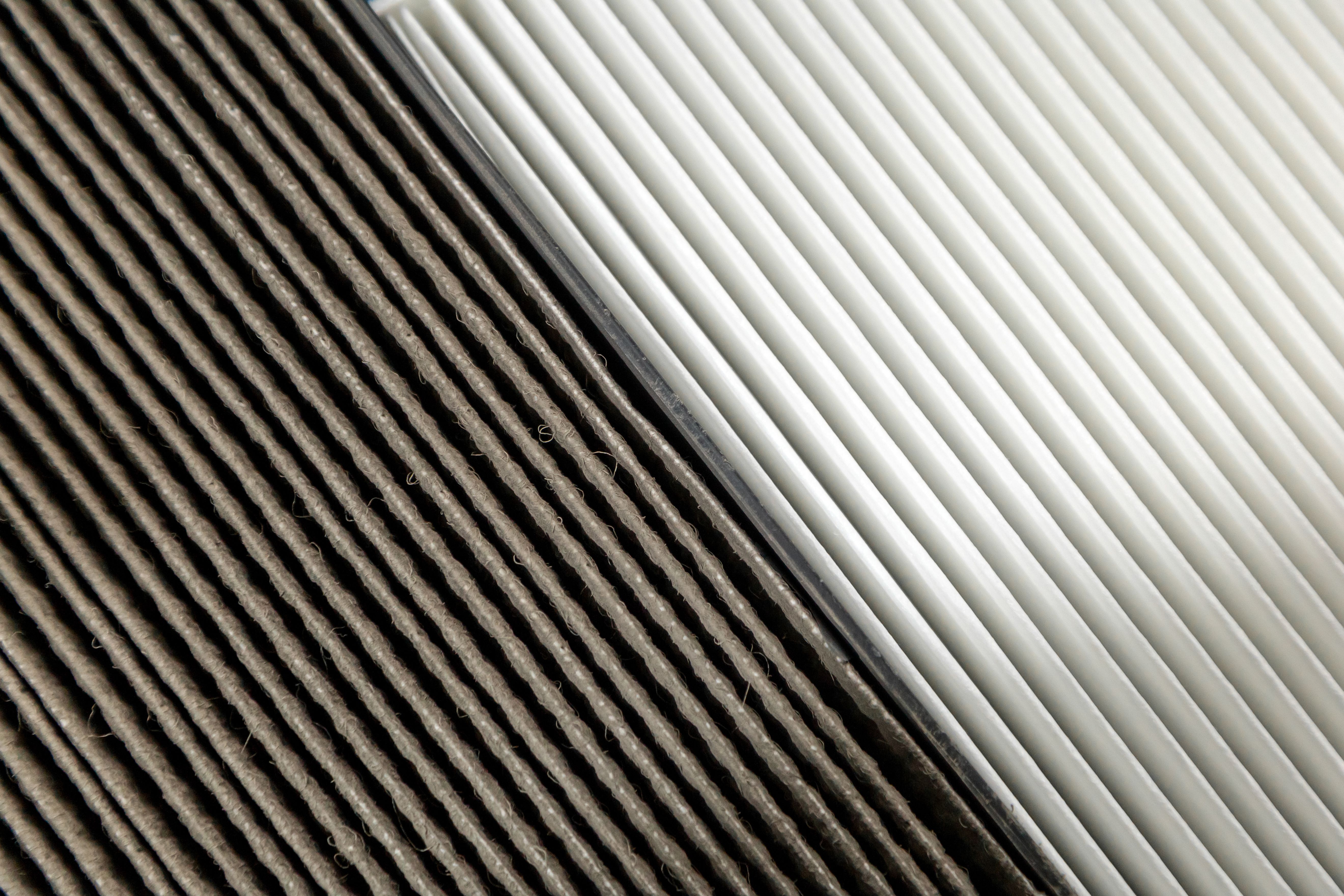
All HVAC systems are different, so choosing the right filter can be a challenge. The correct air filter can drastically improve indoor air quality and reduce smoke inhalation during fire season. However, the wrong air filter can break your system entirely. To help you find the perfect filter fit, take our MERV Match Quiz.
Frequently Asked Questions:
What MERV rating do I need for wildfire smoke?
For wildfire smoke, a MERV 13 filter is the minimum recommended rating for residential HVAC systems. MERV 13 filters capture particles as small as 0.3 micrometers, including the fine PM2.5 particles that make wildfire smoke particularly dangerous. Standard MERV 8 filters are not effective against smoke. If your HVAC system can accommodate it, MERV 13 provides the best balance of particle capture and airflow for most home systems
Can wildfire smoke from another state affect my air quality?
Yes. Wildfire smoke can travel thousands of miles on atmospheric wind patterns. In 2023, smoke from Canadian wildfires pushed air quality in New York City to hazardous levels—over 2,000 miles from the nearest fire. Residents in the Midwest, Northeast, and Southeast can all be affected by distant wildfires during peak fire season, making indoor air filtration important even in states that don’t experience fires directly.
How do I know if wildfire smoke is affecting my area?
Check the Air Quality Index (AQI) for your area using AirNow.gov or Filterbuy’s live AQI map. Visible signs include hazy or discolored skies, a smoky smell outdoors, and reduced visibility. If your AQI rises above 100, take steps to protect your indoor air by running your HVAC system with a MERV 13 filter and keeping windows and doors closed.
Should I run my HVAC system during a wildfire smoke event?
Yes, but with the right setup. Run your HVAC system with a MERV 13 filter and set it to recirculate mode rather than drawing in fresh outdoor air. This continuously filters your indoor air without pulling smoky air inside. If your system has a fresh air intake, close it during smoke events. Avoid running exhaust fans or opening windows, as these create negative pressure that pulls smoke indoors.
What causes wildfires?
Wildfires are primarily caused by human activities (85%), such as unattended campfires, powerline malfunctions, and arson. Lightning also contributes but is less frequent.
How are wildfires affecting air quality?
Wildfire smoke carries fine particles that can travel thousands of miles, leading to hazardous air quality in areas far from the fire zones. Cities like New York have experienced AQI levels over 400, posing serious health risks.
What is AQI, and why is it important during wildfire season?
The Air Quality Index (AQI) measures the concentration of pollutants in the air, such as smoke particles. An AQI over 150 is considered unhealthy, and anything above 300 is hazardous.
How can I protect my indoor air quality during wildfire season?
Using high-efficiency air filters in your HVAC system, such as MERV 13-rated filters, can help trap smoke particles and improve indoor air quality during fire season.
What is MERV, and why is it important for wildfire smoke?
MERV (Minimum Efficiency Reporting Value) measures how effectively an air filter traps particles. A MERV 13 filter is ideal for capturing fine wildfire smoke particles without compromising airflow.
How often should I replace my HVAC air filters during wildfire season?
It’s recommended to change your air filters every 1-3 months during wildfire season, especially if your area is experiencing heavy smoke. Frequent replacements ensure your HVAC system runs efficiently and helps maintain air quality.
Can air filters prevent all harmful particles from wildfires?
Air filters are made to capture particles. But, MERV 13 filters are best at effectively reducing smoke particles, improving indoor air quality and reducing health risks.
How does wildfire smoke affect health?
Children, older adults, pregnant women, and people with asthma, COPD, or heart conditions face elevated risk from wildfire smoke exposure. Children breathe more air per pound of body weight than adults, making them especially vulnerable to PM2.5 inhalation. If your household includes anyone in these groups, prioritize MERV 13 filtration, keep windows sealed during smoke events, and check your local AQI daily using tools like AirNow.gov.
Are there any other ways to protect myself from wildfire smoke indoors?
In addition to using air filters, consider sealing windows and doors to prevent smoke from entering, staying indoors when air quality is poor, and using N95 masks if you must go outside.
Why is California more affected by wildfires than other states?
California experiences more frequent wildfires due to its dry climate, high winds, and long periods of drought. Additionally, 40% of all burned acres in the U.S. occurred in California in 2024, making it the state most at risk.
How does climate change affect wildfires?
Climate change contributes to higher temperatures and prolonged droughts, creating ideal conditions for wildfires to ignite and spread. These changes have led to longer, more intense fire seasons each year.
How can I prepare my home for wildfire season?
Prepare by creating defensible space around your property, using fire-resistant materials, installing high-efficiency air filters in your HVAC system, and staying informed about local fire risks and air quality reports.
Protect Your Home's Air Before the Next Wildfire Season Hits
If your state made this list, your indoor air quality is at risk during fire season—and a standard filter won't cut it. Shop Filterbuy MERV 13 filters to start capturing the fine smoke particles that matter most, shipped free and factory-direct to your door.