June 18, 2026
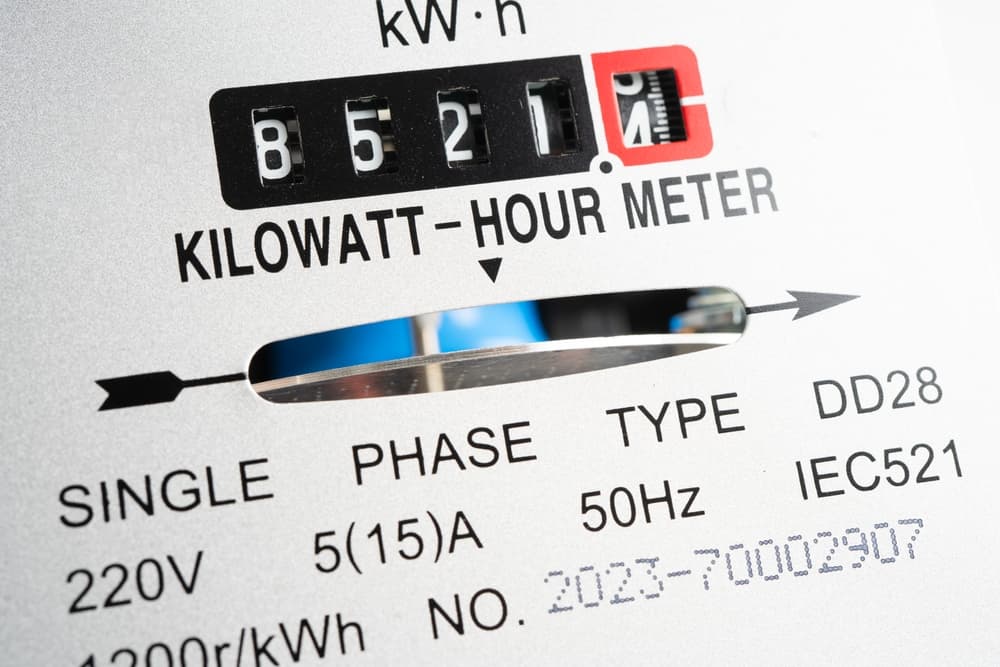
Your electric bill went up. You're not imagining it, and you're definitely not alone. This summer, the average U.S. household is expected to spend nearly $800 on electricity from June through September — a record — according to the National Energy Assistance Directors Association. Rates climbed again in 2026, and a hotter-than-normal summer means your A/C is running more to keep up. Here's the part worth holding onto: you can't control what your utility charges per kilowatt-hour, but you can control how much energy your home wastes. One of the easiest levers is the cheapest part of your whole system: your air filter. The U.S. Department of Energy estimates that a clogged filter can waste 5% to 15% of your air conditioner's energy. This guide breaks down why bills are higher, shows you where rates spiked (state by state), and walks you through simple fixes that start paying off this month.
See how your state's rates changed →Cooling costs are at a record. The average U.S. household is forecast to spend nearly $800 on electricity this summer (June–September).
Rates are up nationwide. Residential rates rose 10.2% year over year as of March 2026, with the average price around 18.2¢/kWh.
Waste is the part you control. A clogged filter alone can waste 5–15% of your A/C's energy (U.S. DOE). Leaky ducts and lazy thermostat habits add to it.
Small moves add up. A clean filter, a sealed duct, and a smarter thermostat schedule can make a real dent — starting this month.
Summer 2026, by the numbers
Average U.S. household cooling cost this summer (June–Sept) — a record
NEADA / CEPC Summer 2026 Cooling Outlook
Residential electricity rate change, year over year (March 2026)
U.S. Energy Information Administration
AC energy a clogged filter can waste (the part you control)
U.S. Department of Energy
Sources: NEADA / Center for Energy Poverty and Climate (2026); U.S. EIA; U.S. DOE.
There's no single villain here. A few forces are hitting at the same time.
According to the U.S. Energy Information Administration (EIA), residential electricity prices rose 10.2% year over year as of March 2026. For the full year, EIA expects the average residential price to land around 18.2¢/kWh, roughly 5% higher than 2025. The U.S. Bureau of Labor Statistics reported the electricity index rose 5.9% over the 12 months ending in May 2026. On top of that, the National Energy Assistance Directors Association projects summer cooling costs will hit a record this year, with increases of roughly 5% to 14% depending on your region.
So what's driving it?
Rising grid demand. EIA forecasts U.S. electricity consumption to grow 1.3% in 2026 and 3.1% in 2027, led by the commercial sector.
Data center growth. Massive data centers are now a major driver of long-term demand. They compete for the same grid capacity you use at home.
Extreme weather. Hotter summers and colder winters keep HVAC systems running longer, which pushes up household energy use.
Grid upgrade costs. Utilities are investing in aging infrastructure, and those costs often land on your bill over time.
Natural gas prices still matter for generation costs, but they're just one piece. Higher demand, weather swings, and infrastructure spending all shape the 2026 picture.
of your AC's energy use can be wasted by a clogged filter, per the U.S. Department of Energy. A fresh one is the easiest fix on this page.
Electricity doesn't cost the same everywhere. In high-rate states, every kilowatt-hour you save is worth more, so energy-smart habits pack a bigger punch.
Living in one of these states? Cutting wasted energy at home matters even more for your monthly bill.
Not every state moved the same direction this year. A handful saw steep increases. A few actually got cheaper.
Biggest hikes:
Washington, D.C.: about +22%
New Jersey: about +18%
New Hampshire: about +18%
Ohio: about +17%
Maryland: about +17% (driven by utility distribution rate increases)
Rates that dropped:
Rhode Island: about -7%
Connecticut: about -6 to -7%
Florida and several others: slight declines
The takeaway? The map of "expensive energy" keeps shifting. Several New England states cooled off after the natural gas price spikes, while the Mid-Atlantic and parts of the Midwest were hit hard.
Most people obsess over the small stuff: lights left on, chargers plugged in, the TV on standby. Those habits matter, but they're not where the real savings live.
Heating and cooling is the single biggest slice of a typical home's energy use — which is why it's the smartest place to start.
When your HVAC system has to work harder than it should, it shows up on the half of your bill that's hardest to ignore.
Source: ENERGY STAR / U.S. Department of Energy — heating and cooling account for about half of the energy use in a typical U.S. home.
Heating and cooling are usually the biggest energy expenses in a U.S. home. If your HVAC system is working harder than it should, your bill shows it. That's why HVAC maintenance is the smartest place to begin.
Filterbuy Tip: If your system runs nonstop or some rooms never feel right, start with airflow. Check the filter, open and unblock your vents, and look for duct issues before assuming you need a whole new system.
It's easy to think of an air filter as a small thing. But it sits right in the path of every bit of air your system moves, so it has an outsized say in how hard that system works.
Here's the mechanism. Your HVAC system is built to move a certain volume of air. A clean, correctly-sized filter lets that air pass through with little resistance, so the system reaches your set temperature and cycles off. As the filter loads up with dust, that path narrows. Air can't move as freely, so the system runs longer to hold the same temperature, and longer runtime means more energy used. Over time, that strain also adds wear to the equipment.
How much does it matter? The U.S. Department of Energy estimates that swapping a clogged filter for a clean one can lower your air conditioner's energy consumption by 5% to 15%. It's the highest-leverage move on this whole list because it touches the half of your bill that heating and cooling already dominate, and it's the cheapest fix you can make.
A filter's job is airflow. Keep air moving freely and your system runs the way it was built to.
Air moves freely
Your blower pushes conditioned air through with little resistance, so the system reaches your set temperature and cycles off — the way it was designed to.
Airflow gets choked
A dust-packed filter blocks airflow, so the system runs longer to hold the same temperature — the DOE estimates this can waste 5–15% of your AC's energy, plus added wear over time.
ENERGY STAR recommends checking your filter monthly during heavy-use seasons and replacing it at least every three months — every 30 to 45 days with pets, allergies, or dusty conditions.
This is the simplest fix on the list, and the most overlooked.
A dirty air filter chokes airflow. When air can't move freely, your HVAC system works harder to push heated or cooled air through your home. ENERGY STAR confirms that a clogged filter forces your system to run harder to hold your set temperature.
Harder-working systems burn more energy. Over time, a neglected filter also adds wear to your equipment.
How often should you change it? ENERGY STAR recommends checking it monthly during heavy-use seasons and replacing it at least every 3 months. Got pets, allergies, or dusty conditions? You may need a fresh one every 30 to 45 days.
Make it automatic. With Filterbuy auto-delivery, a fresh replacement filter is on hand when you need one, so a worn filter is one less thing to track through the summer.
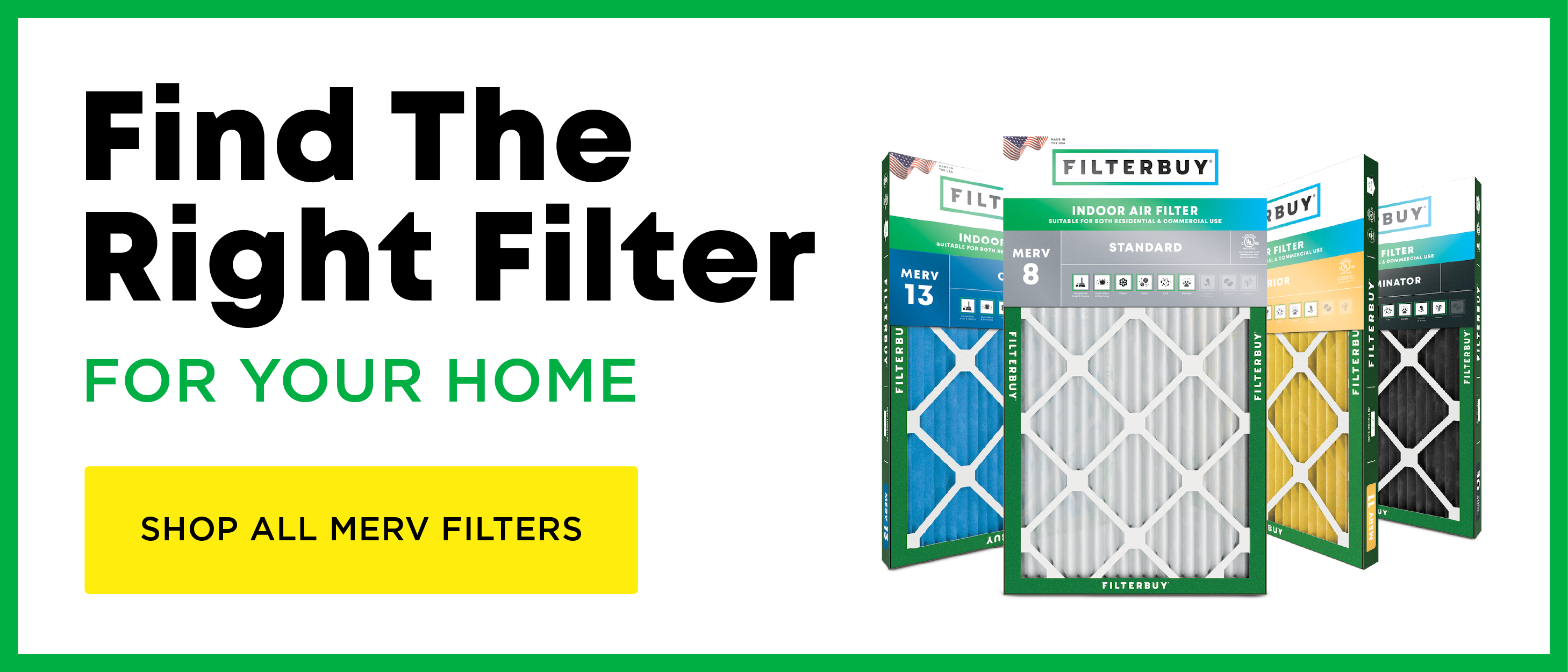
Not all filters are equal. The wrong type or size can actually reduce airflow and overwork your system.
MERV (Minimum Efficiency Reporting Value) ratings measure how well a filter traps particles. Here's the quick version:
| MERV Rating | Best For |
|---|---|
| MERV 8 | Everyday dust, lint, and larger particles. A solid pick for most homes. |
| MERV 11 | Homes with pets, pollen, or mild allergy concerns. |
| MERV 13 | Finer particles and some bacteria. Best when your system can handle the extra resistance. |
The trick is matching the filter to what your system can manage. Too restrictive, and you reduce airflow — the opposite of the goal.
Filterbuy offers both standard and custom-size filters, so you get the right fit for your exact system. Not sure which MERV rating is right for your home? Check out the Filterbuy MERV rating guide.
Your ducts deliver heated and cooled air to every room. If they're dirty, leaky, or blocked, your system runs longer to keep up, and your bill climbs.
Watch for these warning signs:
Weak airflow from vents
Rooms that stay too hot or too cold
Dust puffs out when the system kicks on
Musty or stale smells
Higher bills with no clear cause
If any of these sound familiar, look into professional air duct cleaning to clear built-up debris. If your ducts are leaking, duct sealing can stop the loss of conditioned air.
Small thermostat tweaks add up fast. The U.S. Department of Energy says you can save as much as 10% a year on heating and cooling by setting your thermostat back 7°–10°F for eight hours a day from its normal setting.
You don't have to be uncomfortable. The goal is simply less HVAC runtime when you don't need full effort.
Easy thermostat wins:
Summer: Nudge the temperature up a few degrees while you're away or asleep.
Winter: Drop it slightly overnight or when the house is empty.
Automate it: A programmable or smart thermostat handles this for you.
Don't fidget: Constant adjustments force the system to work harder to catch up.
Water heating quietly eats into your bill. A few changes ease the load:
Wash clothes in cold water. Most detergents work just as well.
Take shorter showers.
Fix hot water leaks fast. Even a slow drip wastes energy.
Set your water heater to 120°F. It's safe and more efficient.
Choose ENERGY STAR-rated models when you replace old appliances.
Your dryer vent is easy to ignore, right up until it causes trouble.
Lint builds up over time. A clogged vent slows airflow, so your dryer runs longer to dry the same load. If clothes still feel damp after a full cycle, a blocked vent is a likely culprit.
There's a safety angle too: a clogged dryer vent is a fire hazard. Regular cleaning keeps the dryer running efficiently and reduces the risk of overheating.
For best results, consider hiring a professional dryer vent cleaning service to handle the job safely and thoroughly.
Once your HVAC is humming, these smaller habits chip away at the bill:
Switch to LED bulbs. They use far less energy than incandescents.
Unplug rarely used devices. Many draw power even when off.
Use smart power strips to eliminate phantom power draw from electronics.
Run the dishwasher and washer only with full loads.
Keep vents clear of furniture.
Close blinds on hot afternoons to ease cooling demand.
Check for off-peak hours and run big appliances then.
Ask your utility about a free home energy audit.
Work through this list and check off each win:
Replace your HVAC air filter
Confirm vents are open and unblocked
Set your thermostat back while asleep or away
Wash clothes in cold water
Clean your dryer vent
Inspect ducts for weak airflow or leaks
Cut back on hot water use
Swap old bulbs for LEDs
Unplug unused devices
Book HVAC maintenance if the system runs constantly
Your utility rate is out of your hands. Clean airflow, steady maintenance, and smart habits are not.
With summer cooling costs running high, the easiest move is to take the filter off your to-do list. Filterbuy makes it simple: shop by filter size, pick the right MERV rating for your home, and set up auto-delivery so a fresh filter is on hand through the next 3 to 6 months. No reminders. No last-minute store runs. Standard and custom sizes are both available.
For more serious airflow issues, professional air duct cleaning, dryer vent cleaning, and HVAC maintenance help your system run as it should.
Find your Filterbuy air filter or set up auto-delivery today.

Residential electricity rates have risen — up 10.2% year over year as of March 2026 (EIA), with the average residential rate tracking around 18.2¢/kWh. Summer makes it worse: the average household is forecast to spend nearly $800 on electricity from June through September, a record (NEADA). Grid demand is climbing, driven by data centers and commercial growth, while extreme weather keeps HVAC systems running longer. Homes wasting energy through dirty filters, leaky ducts, or inefficient habits feel it most. Hikes were especially steep in places like Washington, D.C. (about +22%), New Jersey (about +18%), and New Hampshire (about +18%), while Rhode Island and Connecticut actually saw rates fall.
Yes. A dirty filter slows airflow and forces your HVAC system to work harder, which uses more energy. The U.S. Department of Energy estimates that replacing a clogged filter with a clean one can lower your air conditioner's energy consumption by 5% to 15%.
ENERGY STAR recommends checking monthly during heavy-use seasons and changing it at least every three months. Homes with pets, allergy sufferers, or heavy HVAC use may need a new filter every 30 to 45 days.
Heating and cooling are typically the largest energy users in a U.S. home. That's why HVAC maintenance, including filter changes, thermostat adjustments, and duct checks, is one of the most effective places to start cutting waste.
Start with the basics: change your air filter, set your thermostat back when you're away or asleep, keep vents clear, wash clothes in cold water, clean your dryer vent, and ease up on hot water use. These steps are low-cost, quick, and target the most common sources of wasted energy.
It can help if dust or buildup is hurting your system's ability to move air. If ducts are leaking, duct sealing can also cut wasted conditioned air. Results vary based on your system's condition.
If you're in Washington, D.C., New Jersey, New Hampshire, Ohio, or Maryland, every unit of energy you save has an outsized impact. Start with HVAC maintenance: set a regular filter replacement schedule and check your ducts for leaks. Thermostat tweaks and lower hot water use help you take back control even when rates climb fast.
