
Killeen Real-Time AQI Tracker


Get Alerts For Unhealthy AQI In Your Area
When air quality in your area reaches unhealthy levels, we'll send you a quick alert, along with expert tips on how to reduce your exposure.
What's Actually In Killeen Air Today?
What High AQI Means for Your Lungs in Killeen
How to Read AQI
The Air Quality Index (AQI) measures how polluted the air is and how it may affect your health.
0–50 (Good): Air quality is satisfactory.
51–100 (Moderate): Acceptable, but some pollutants may pose minor concerns.
101–150 (Unhealthy for Sensitive Groups)
151–200 (Unhealthy)
201–300 (Very Unhealthy)
301+ (Hazardous)
Moderate
Still okay for most, but if you have asthma or allergies, take it easy and avoid long outdoor workouts.
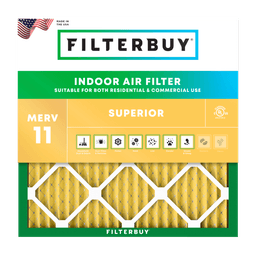
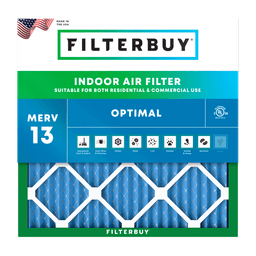
Shop MERV 11 filters→What's the Right Filter for Your AQI Level?
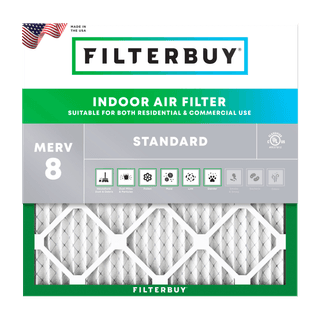
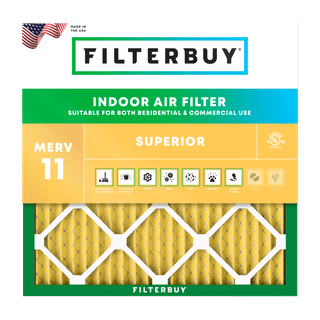
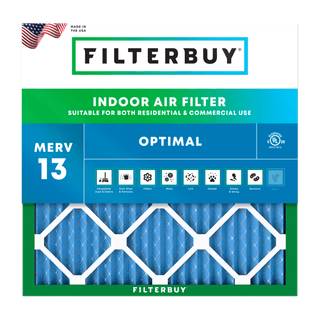


Check Today's Live Real Time Air Quality Index AQI Map in Killeen, TX Now
Author: Michelle Wan | Reviewer: David Clark, Licensed HVAC Technician | Publish Date: September 1, 2026 | Updated Date: September 1, 2026
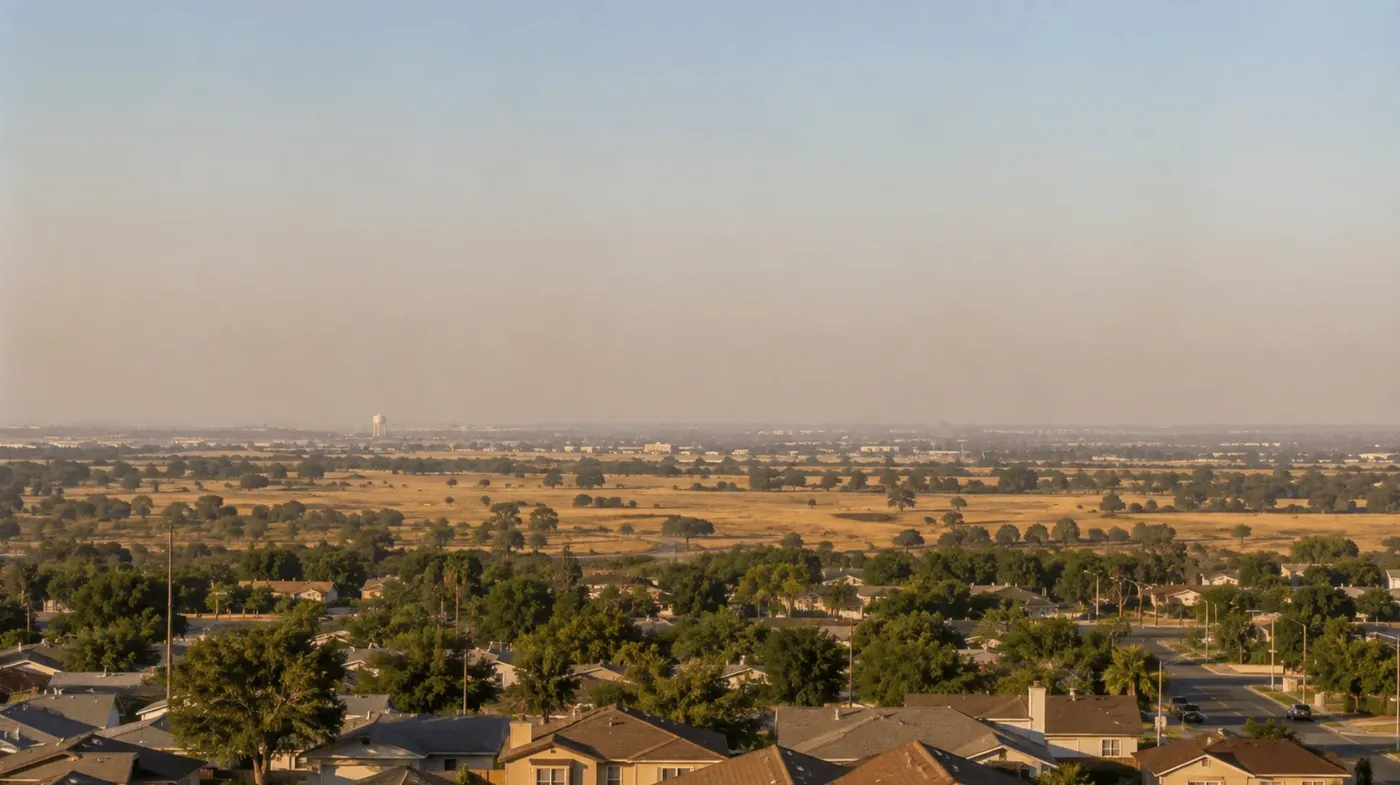
Killeen's air quality is usually led by ozone rather than smoke, and that changes what to do about it. Check the live map below for the current Bell County reading. Under 100, go about your day. At 100 or above, act: on an ozone day move outdoor exertion to early morning or after sundown, and on a smoke or dust day close the house up and run a MERV 13 filter.
View Killeen, TX Current Air Quality Map
TL;DR
The live map above pulls current readings for Killeen and Bell County. Ozone is the pollutant that usually drives the number here, and it climbs on hot, sunny afternoons. Filterbuy traced that reading back to its sources and found the Killeen-Temple area runs on two official ozone monitors, which means a good deal of the map is filled in between stations rather than measured at your address.
Key Takeaways
Ozone is Killeen's usual driver. TCEQ lists it as the critical pollutant for the Killeen-Temple area, and it peaks in the afternoon heat.
Ozone days and smoke days call for different moves. Timing on one, closing the house on the other.
A pleated filter captures particles, not gases. It will not lower an ozone reading, whatever the MERV rating.
AQI 100 is where Filterbuy tells customers to act on a particle-led day. EPA's next category starts at 101.
Pollen is not in the AQI at all, which is why a January reading can look fine while cedar season is making you miserable.
How Is The Air Quality In Killeen Today?
Check the live map above for the current Bell County reading. 50 or below is good. From 51 to 100 the air is acceptable, though sensitive groups may notice it. At 101 and above, children, adults over 65, and anyone with asthma or heart disease should cut back on outdoor time. At 151 and above, everyone should. The TCEQ hourly AQI report for the Killeen-Temple area shows which pollutant is behind the number, which matters more than the number itself.
What The Killeen AQI Number Actually Measures
Killeen's regulatory monitoring is built around ozone. The Killeen-Temple MPO air quality monitoring program names two ozone sites for the whole area: C1047 at Skylark Field in Killeen, running since 2009, and C1045 at West Temple Park, added in 2013.
The colored areas on a live map are estimates drawn between those stations. AirNow says so plainly, describing contoured areas as approximate and its readings as preliminary and unvalidated. That is not a flaw to hide. It is how AirNow data is collected and validated, and knowing it tells you how much weight to put on a single number.
Two Playbooks, Not One
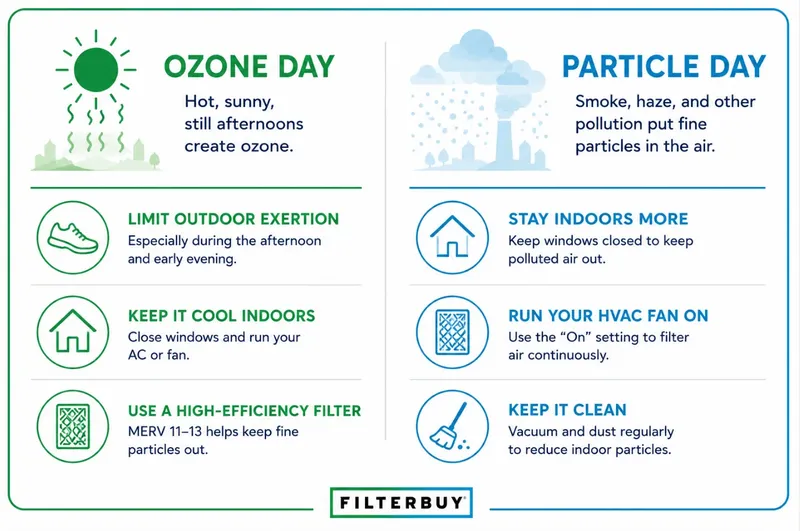
Killeen's air does not behave like one problem, so the guidance splits in two. Ozone and fine particles call for different moves, and most households get an afternoon wrong by treating them the same way.
Filterbuy manufactures pleated filters, so take what follows in the spirit it is meant. A pleated filter captures particles. Ozone is a gas, so it passes straight through, and going up in MERV rating will not change that. EPA notes that most filters are built to handle either particles or gases, not both. So when the reading is ozone-led, the useful lever is timing. Move the run to early morning, or wait until the sun goes down.
When The AQI Reaches 100
AQI 100 is where Filterbuy tells customers to act on a particle-led day. That is a house call, not a category change. 100 is still the top of the Moderate band, and EPA's next category starts at 101. We move at the line rather than after crossing it.
Two recommendations sit behind that, and they belong to different people.
EPA recommends a high-efficiency filter rated MERV 13 or higher in a central HVAC system during smoke events.
Filterbuy recommends acting on that at AQI 100, and running a portable HEPA air cleaner in each occupied room instead of just one.
Sizing the portable unit: pick one whose smoke CADR is at least two-thirds of the room's square footage. A 300-square-foot bedroom wants a smoke CADR of about 200. Skip anything that makes ozone, including ionizers and ozone generators. The EPA guide to air cleaners and HVAC filters in the home advises against them.
Roughly half of Killeen households rent, and plenty of apartments here have no ductwork. If that is your place, the portable HEPA cleaner is your main defense rather than an add-on, and steps 2 and 4 still apply. For an odd filter opening, custom air filters are cut to the size you measure.
Check the filter during a smoke event instead of waiting on the calendar. Replace it when it looks dirty, dark brown or black, which can come well before the normal interval. Keep spares on hand.
Above 201, official guidance leads. Check AirNow and your local air agency first. Filtration is one layer, not the answer. During an active fire, the Texas wildfire and smoke map shows where the smoke is coming from.
What The Number Does Not Include
AirNow states that its maps and AQI readings use only ozone and the two particle measures, PM10 and PM2.5. Pollen is not in the AQI. Neither is mold. That gap matters more in Central Texas than almost anywhere, because mountain cedar season lands in the same window when ozone is at its lowest. You can check the AQI in January, see a good reading, and feel awful anyway. Nothing is wrong with the number. The thing making you miserable was never being measured. For the health side of ozone and particles, the CDC guidance on ozone and particle pollution covers who is affected first.
When Two Maps Disagree
Two live maps can show Killeen thirty points apart on the same afternoon. How to settle it:
Check which pollutant each map reports. A map showing ozone and one showing PM2.5 are not in conflict. They answer different questions.
Give more weight to a monitor reading than a shaded area. A dot on a station is a measurement. The color around it is an estimate.
See whether the source names a station. If it cannot tell you which instrument produced the number, the number is probably modeled.
When the spread is wide and someone in the house is sensitive, act on the higher number.
Killeen Air Quality By Season
What is likely behind a Killeen reading by season, and whether the AQI can see it. For the days ahead, the National Weather Service forecast for Killeen, TX is the one we keep open.
Three Numbers Worth Knowing
Filterbuy checked the Killeen reading against its own sources while building this page. Three things stood out.
EPA's funding for state and local air monitoring dropped about 20 percent between 2004 and 2020, once you adjust for inflation. Fewer stations means more of the map gets filled in between them. The U.S. Government Accountability Office review of the national air quality monitoring system asked EPA for a modernization plan in 2020, and that request was still open in February 2026.
More than a third of Killeen falls into a sensitive group. Census Bureau QuickFacts for Killeen, Texas counted 161,883 people as of July 2025, with just over 29 percent under 18 and another 8 percent aged 65 or older. That is about 61,000 people across 54.85 square miles, covered by those same two monitors.
Heat and fine particles do more damage together than either does alone. American Heart Association research on heat and fine particle exposure, published in Circulation, looked at 202,678 heart attack deaths. It found the risk of a fatal heart attack about doubled during four-day heat waves when PM2.5, the fine particle pollution small enough to reach deep into the lungs, ran high. That research covered a province in China, so the numbers do not carry over directly. The pattern does, and Killeen runs hot from spring through fall.
For a full-year comparison, the American Lung Association State of the Air report card for Texas grades counties across ozone and particle pollution.
Every live map will hand you a Killeen number. What none of them tell you is where that number came from. When we traced it back, the two regulatory monitors in the Killeen-Temple area are ozone monitors, and EPA describes the shaded areas on its own map as approximate, drawn by interpolation between stations. The reading is still worth checking. Read it as an estimate.
Michelle Wan, Brand Manager and Air Quality Writer, Filterbuy
Frequently Asked Questions
Glossary
AQI. The Air Quality Index, EPA's 0 to 500 scale for reporting daily outdoor air quality. It covers ozone, PM10, and PM2.5.
Ozone. A gas formed when heat and sunlight react with vehicle and industrial emissions. It is the pollutant that usually leads Killeen's AQI.
PM2.5. Fine particle pollution small enough to reach deep into the lungs. It comes from smoke, dust, and combustion.
MERV. Minimum Efficiency Reporting Value, the rating scale for how well an air filter captures particles. Higher numbers capture more.
HEPA. A high-efficiency filter used in portable air cleaners and sealed units. It is a separate product from an HVAC filter and does not go in a furnace slot.
CADR. Clean Air Delivery Rate, a measure of how much filtered air a portable cleaner delivers. Match the smoke CADR to at least two-thirds of the room's square footage.
CAMS C1047. The TCEQ air monitoring station at Skylark Field in Killeen, Texas, measuring ozone since 2009.
Interpolation. Estimating a value between two measured points. Shaded areas on an AQI map are interpolated between monitoring stations.
See how Killeen compares across the state on the live air quality index AQI map in Texas.