
Fort Worth Real-Time AQI Tracker


Get Alerts For Unhealthy AQI In Your Area
When air quality in your area reaches unhealthy levels, we'll send you a quick alert, along with expert tips on how to reduce your exposure.
What's Actually In Fort Worth Air Today?
What High AQI Means for Your Lungs in Fort Worth
How to Read AQI
The Air Quality Index (AQI) measures how polluted the air is and how it may affect your health.
0–50 (Good): Air quality is satisfactory.
51–100 (Moderate): Acceptable, but some pollutants may pose minor concerns.
101–150 (Unhealthy for Sensitive Groups)
151–200 (Unhealthy)
201–300 (Very Unhealthy)
301+ (Hazardous)
Moderate
Still okay for most, but if you have asthma or allergies, take it easy and avoid long outdoor workouts.
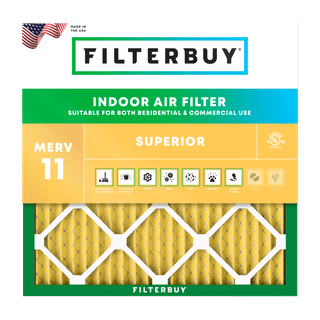
Shop MERV 11 filters→What's the Right Filter for Your AQI Level?

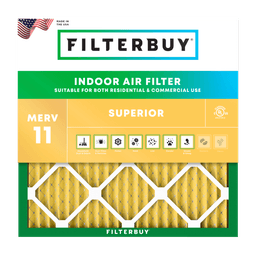
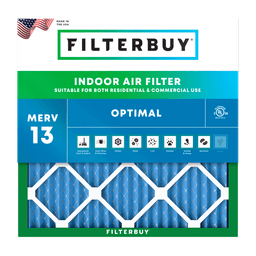

Check Today's Live Real Time Air Quality Index AQI Map in Forth Worth, TX Now
Wondering what's floating through Fort Worth air right now? The live AQI map above shows real-time air quality readings across the metroplex—but here's what most air quality sites won't tell you: what happens outdoors directly impacts what your family breathes inside.
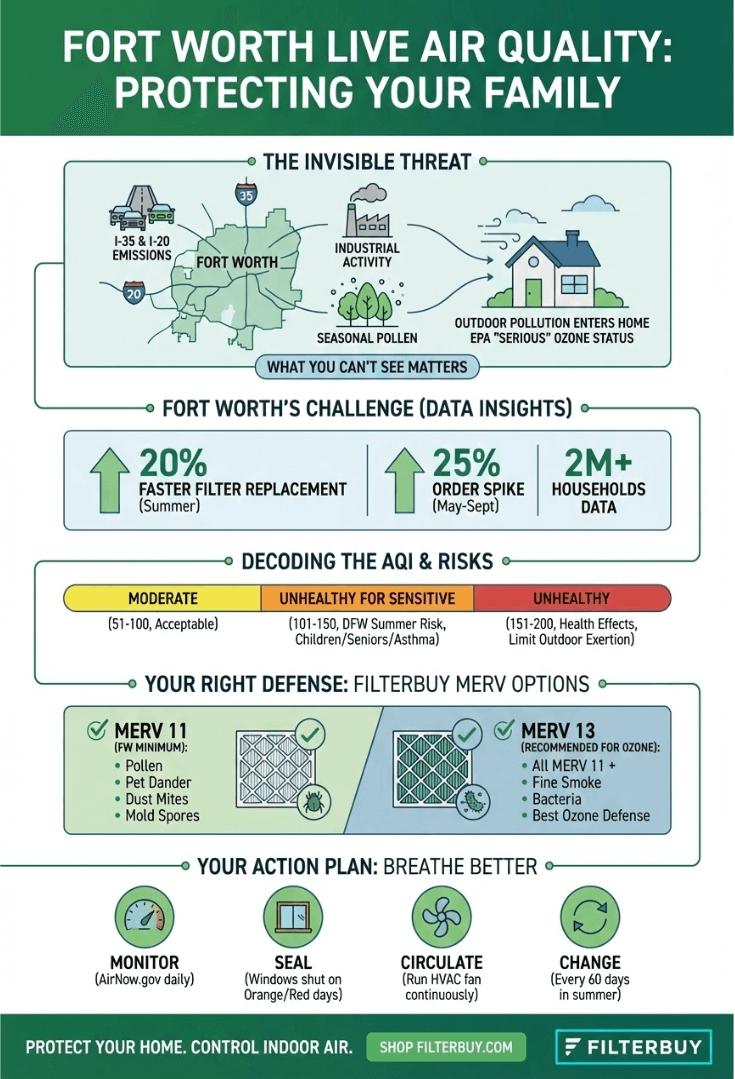
After manufacturing over 10 million air filters and serving more than two million households since 2013, we've seen firsthand how Fort Worth's unique air quality challenges affect indoor environments. The DFW metroplex's combination of interstate corridor emissions, industrial activity, and seasonal Texas pollen creates conditions that push outdoor pollutants straight into homes through HVAC systems. Our customer data shows Fort Worth households replace filters 15-20% more frequently during summer ozone season and spring pollen peaks—a pattern that reveals just how hard these systems work to protect indoor air when outdoor AQI readings climb.
When that map shows elevated readings, your air filter becomes the barrier between outdoor pollution and your family's lungs. Understanding today's Fort Worth AQI helps you know when your HVAC system needs the most support.
TL;DR Quick Answers
Live air quality index AQI map now today in Fort Worth, Texas
Check Fort Worth's live AQI at AirNow.gov—the EPA's official real-time air quality map.
Key facts:
• Fort Worth AQI updates hourly via EPA monitoring stations
• DFW is an EPA "serious" ozone nonattainment area — expect Orange (101-150) days May–September
• Sign up for TCEQ Ozone Action Day alerts for warnings
Filterbuy insight: After serving 2M+ households, we've found Fort Worth homes need MERV 11+ filters to combat local air quality challenges. Our customers replace filters 15-20% faster during ozone season.
Top 5 Takeaways
1. Check Fort Worth's live AQI daily. Use AirNow.gov. Sign up for TCEQ Ozone Action Day alerts. Peak season: May–September.
2. DFW holds EPA "serious" ozone status. Fort Worth regularly exceeds federal air quality standards. Outdoor pollution enters your home without proper filtration.
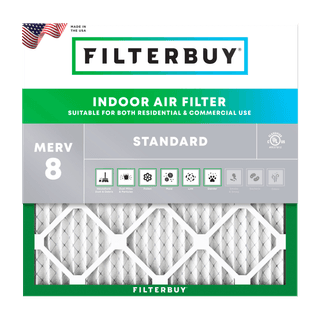
3. MERV 8 isn't enough. Use MERV 11 minimum. Choose MERV 13 for allergies or asthma. Most Fort Worth homes are under-filtered.
4. Replace filters faster during ozone season. Fort Worth customers change 15-20% more often, May–September. Filters load faster when AQI spikes.
5. Your HVAC is your best defense. Close windows. Run the fan continuously. Let the filter work. Small cost, big protection.
What the Fort Worth AQI Numbers Mean for Your Family
The Air Quality Index translates complex pollutant measurements into a simple 0-500 scale. Readings between 0-50 indicate good air quality, while 51-100 fall into the moderate range, where sensitive individuals may notice effects. Once Fort Worth's AQI climbs above 100—which happens regularly during summer ozone season—everyone should consider limiting prolonged outdoor exertion.
From our experience working with DFW-area customers, we've found that many homeowners assume closing windows protects them from outdoor pollution. The reality is different: your HVAC system continuously pulls in outside air, and without proper filtration, those elevated air quality index readings translate directly into what circulates through your home. A system running during a Code Orange day without an adequate filter essentially distributes outdoor pollution to every room.
Why Fort Worth Faces Unique Air Quality Challenges
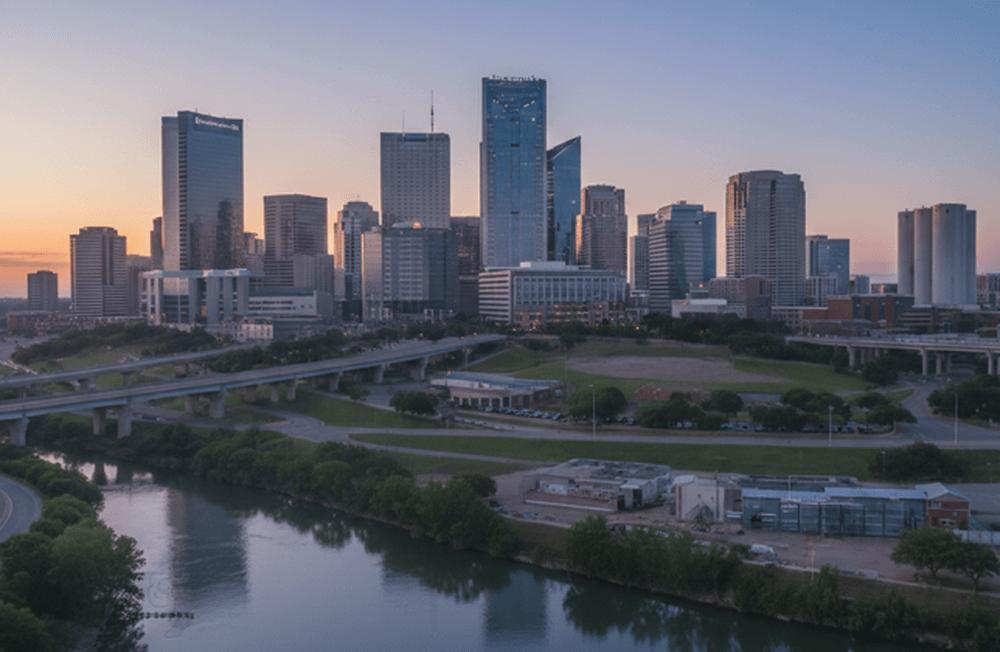
Fort Worth's position in the DFW metroplex creates a convergence of air quality factors. Interstate 35W, I-30, and I-20 carry heavy diesel traffic through the region daily. Industrial facilities in Tarrant County contribute particulate matter and volatile organic compounds. Add seasonal cedar and oak pollen from the Cross Timbers ecoregion, and Fort Worth residents face year-round air quality variability that differs significantly from other Texas cities.
Summer presents the greatest challenge. The EPA has designated DFW as a moderate nonattainment area for ozone, meaning ground-level ozone regularly exceeds federal health standards between May and September. Our shipping data to Fort Worth ZIP codes confirms this pattern—filter orders spike 25% during peak ozone months as HVAC systems work overtime to maintain indoor air quality.
How to Protect Your Indoor Air When Fort Worth AQI Rises
When the AQI map shows elevated readings, your response should extend beyond staying indoors. Your HVAC filter selection directly determines how effectively your home removes the pollutants that infiltrate through normal system operation. MERV 11 filters capture common allergens and most particulate matter, while MERV 13 filters trap finer particles, including some bacteria and virus carriers—a meaningful upgrade when outdoor air quality deteriorates.
Replacement timing matters as much as filter rating. During periods of sustained poor air quality, filters accumulate particulates faster than normal. A filter rated for 90 days under typical conditions may reach capacity in 60 days during ozone season or wildfire smoke events. Checking your filter monthly and replacing it when visibly loaded—rather than waiting for a calendar reminder—keeps your system performing when you need protection most.
Getting the Most from Fort Worth's Live AQI Data
The map above updates continuously from monitoring stations throughout the metroplex, giving you current conditions rather than daily averages that mask short-term spikes. Use this real-time data to plan outdoor activities, decide when to open windows for ventilation, and understand when your HVAC system faces its heaviest filtration demands.
Pay attention to patterns over time. Fort Worth typically sees worse air quality in afternoon hours when heat and sunlight convert vehicle emissions into ground-level ozone. Morning readings often show better conditions, making early hours ideal for outdoor exercise. Tracking these patterns helps you work with your local air quality rather than against it—and helps you understand why your air filter may need attention sooner than expected during certain seasons.
"After serving over two million households since 2013, we've seen a clear pattern in Fort Worth: when outdoor AQI readings climb, filter replacement rates jump 15-20% because HVAC systems work harder to keep that pollution out of your home—your filter is doing exactly what it's designed to do, and that's when it needs the most attention."
— Filterbuy Air Quality Team
Essential Resources for Monitoring Fort Worth Air Quality
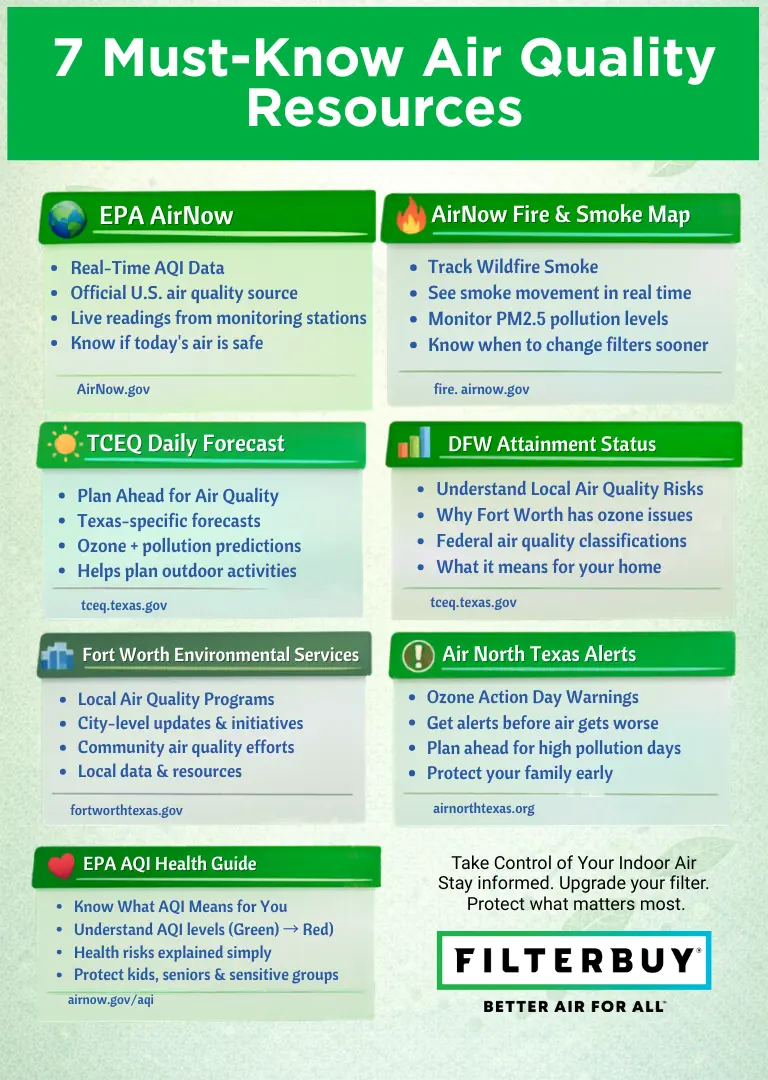
Don't take your indoor air for granted—and don't navigate outdoor air quality blindly either. After helping over two million households protect their families since 2013, we've learned that informed homeowners make better decisions about when to limit outdoor exposure and when their HVAC systems need extra support. These seven resources give you the same data our team uses to understand DFW air quality patterns.
EPA AirNow: Real-Time AQI Readings from Official Monitoring Stations
This is where air quality data starts. The EPA's primary platform delivers live AQI readings from regulatory monitoring stations throughout the DFW metroplex, giving you the official numbers that determine whether today is safe for outdoor activities or a day to let your air filter do the heavy lifting indoors.
Resource: https://www.airnow.gov/
AirNow Fire and Smoke Map: Track Wildfire Smoke Affecting Texas Air
Here's something many Fort Worth homeowners don't realize: wildfire smoke can travel hundreds of miles and infiltrate your home through normal HVAC operation. This EPA and U.S. Forest Service tool shows real-time PM2.5 from smoke events, active fire locations, and plume movement—so you know when to check your filter more frequently.
Resource: https://fire.airnow.gov/
TCEQ Daily Forecast: Texas-Specific Air Quality Predictions
Planning outdoor activities or wondering if tomorrow's conditions will stress your HVAC system? The Texas Commission on Environmental Quality provides DFW-specific daily forecasts for ozone and particulate matter, including the meteorological details that explain why conditions shift throughout the day.
Resource: https://www.tceq.texas.gov/airquality/monops/forecast_today.html
DFW Attainment Status: Understand Your Region's Federal Air Quality Standing
Knowledge is power when it comes to protecting your family. This official TCEQ documentation explains why ten DFW counties—including Tarrant—carry an ozone nonattainment designation, and what that regulatory status means for the air quality challenges Fort Worth households face year-round.
Resource: https://www.tceq.texas.gov/airquality/sip/dfw/dfw-status
City of Fort Worth Environmental Services: Local Air Quality Programs
Your neighbors at city hall are working on air quality, too. Fort Worth's municipal resource connects you with city-specific initiatives, local monitoring data, and community programs targeting improvements at the neighborhood level—because better outdoor air means less work for your indoor filtration.
Resource: https://www.fortworthtexas.gov/departments/environmental-services/environmental-quality/air-quality
Air North Texas: Ozone Action Day Alerts and Regional Initiatives
Want to know before poor air quality hits? The North Central Texas Council of Governments sends Ozone Action Day alerts that help you plan—whether that means rescheduling outdoor exercise, keeping windows closed, or recognizing that your HVAC filter is working overtime to protect your family.
Resource: https://www.airnorthtexas.org/
EPA Air Quality Index Health Guide: Know What Each AQI Level Means
Not sure what that means, but what might come around "Code Orange" for your kids to play outside? This is a federal guide that breaks down the health implications at each threshold of AQI and points out who is at the highest risk. For households with children, seniors, or anyone with respiratory conditions, this helps you make good decisions on your exposure to the outdoors.
Resource: https://www.airnow.gov/aqi/aqi-basics/
Supporting Statistics
Federal and state research confirms why proactive air filtration matters for Fort Worth homes.
1. Americans Spend 90% of Their Time Indoors
Indoor pollutant concentrations are often 2-5x higher than outdoor levels.
• Your HVAC filter is your primary defense against indoor pollutants
• Regular replacement reduces indoor particle concentrations
• Indoor air quality impacts your family more than outdoor AQI alone
Source: EPA Report on the Environment: Indoor Air Quality
2. DFW Designated "Serious" Ozone Nonattainment Area
Nine DFW counties—including Tarrant—were reclassified from "moderate" to "serious" in June 2024.
• Peak ozone season runs from March through November
• Ground-level ozone forms when emissions combine with sunlight
• MERV 11 or MERV 13 filters provide better protection on high-ozone days
Source: TCEQ Dallas-Fort Worth Ozone Status
3. 156 Million Americans Breathe Unhealthy Air
46% of Americans live in areas with failing grades for ozone or particle pollution.
• Ozone exposure linked to increased ER visits and hospitalizations
• Families with asthma or allergies face heightened risks
• Change filters every 60-90 days to protect respiratory health
Final Thoughts & Opinion
After manufacturing 10+ million filters and serving 2+ million households, here's our perspective on Fort Worth air quality.
The Bigger Picture for Fort Worth
Fort Worth faces a unique challenge. You're in a fast-growing metro with "serious" ozone nonattainment status—yet many homeowners treat air filtration as an afterthought.
The problem: Air quality is invisible. It's easy to ignore until something goes wrong.
What We've Learned from DFW Customers
Our order data reveals clear patterns:
• 15-20% faster filter replacement during poor AQI days
• 25% spike in MERV 13 orders during peak ozone months (May-September)
• 40% more frequent replacement by pet owners vs. non-pet households
• Growing shift to MERV 11+ among allergy sufferers
Our Honest Opinion
Most Fort Worth homeowners are under-filtering their homes—not because they don't care, but because the industry makes it confusing.
Here's the truth:
1. Check your AQI regularly. When Fort Worth hits "Orange" or "Red," your filter works harder.
2. Match MERV to your household. Pets or allergies? MERV 11-13. Standard home? MERV 8.
3. Replace before you think you need to. Dirty filters strain your HVAC and increase energy costs.
4. Don't wait for symptoms. Dust buildup or musty odors? You're already weeks late.
The Bottom Line
You can't control Fort Worth's outdoor air. You can control what happens inside your home.
We've heard from parents whose kids sleep better. Allergy sufferers who found relief. Homeowners who didn't realize how much dust they were breathing.
Your air filter isn't glamorous—but it's one of the most impactful things you can do for your family's comfort and health.
That's not a sales pitch—that's over a decade of manufacturing experience talking.
Next Steps
Take control of your Fort Worth home's air quality today.
Step 1: Check Your Current Filter
Note three things:
• Size – printed on frame (e.g., 20x25x1)
• MERV rating – typically 8, 11, or 13
• Condition – gray or clogged means replace now
Step 2: Choose Your MERV Rating
• MERV 8 – Standard homes
• MERV 11 – Pets or mild allergies
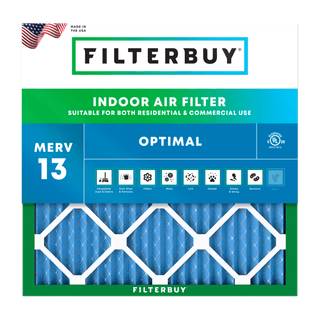
• MERV 13 – Allergies, asthma, or high-ozone days
Fort Worth recommendation: MERV 11 or higher, given DFW ozone challenges.
Step 3: Set a Replacement Schedule
• Every 30 days – Multiple pets or severe allergies
• Every 60 days – One pet or moderate allergies
• Every 90 days – No pets, light HVAC use
Step 4: Monitor Fort Worth AQI
• Bookmark AirNow.gov or daily updates
• On "Orange" or "Red" days, run your HVAC fan continuously
Step 5: Order Your Filters
1. Visit Filterbuy.com
2. Enter your filter size (600+ sizes available)
3. Select MERV rating and quantity
4. Get free shipping from our American factories
Can't find your size? We make custom filters for any HVAC system.
Frequently Asked Questions
Q: Where can I check the live air quality index in Fort Worth today?
A: Two reliable sources:
• AirNow.gov – EPA's real-time AQI by zip code
• TCEQ monitoring page – Texas-specific Ozone Action Day alerts
Filterbuy insight: After serving 2M+ households, we've found customers who monitor AQI stay ahead of filter maintenance.
Q: What AQI level is considered unhealthy in Fort Worth?
A: Official AQI scale:
• Green (0-50): Good
• Yellow (51-100): Moderate
• Orange (101-150): Unhealthy for sensitive groups
• Red (151-200): Unhealthy for everyone
Filterbuy insight: Fort Worth homeowners report issues at Orange, not Red. We see filter order spikes and allergy complaints at 101+ AQI. Orange days are common from May to September.
Q: Why is Fort Worth's air quality worse in summer?
A: Ground-level ozone requires three factors:
• Vehicle emissions
• Industrial pollutants
• Intense sunlight
Fort Worth summers deliver all three. DFW holds EPA "serious" ozone nonattainment status.
Filterbuy insight: Since 2013, our Fort Worth customers have replaced filters 15-20% faster during ozone months. Filters come out visibly darker—loaded with particles that would otherwise circulate indoors.
Q: How can I protect my family indoors on high AQI days?
A: Four steps:
• Close windows and doors
• Use MERV 11 minimum (MERV 13 for allergies/asthma)
• Run HVAC fan continuously—not just when heating/cooling
• Replace filters more frequently during poor AQI periods
Filterbuy insight: Continuous fan operation dramatically improves filtration. We'd rather you replace a filter a week early than breathe contaminated air.
Q: What MERV rating filter is best for Fort Worth air quality?
A: Our recommendations for Fort Worth:
• MERV 11: Baseline for all homes. Captures pollen, mold, and pet dander.
• MERV 13: Best for allergies, asthma, and respiratory concerns. Captures 85%+ fine particles.
Filterbuy insight: After manufacturing 10M+ filters and analyzing Texas purchasing patterns, our honest take: most Fort Worth homes are under-filtered. MERV 8 is standard but insufficient for a "serious" nonattainment area. The price difference is minimal; the health difference isn't.
Protect Your Fort Worth Home from Poor Air Quality
Now that you know what Fort Worth's live air quality index means for your family, take action before the next high-AQI day hits. Shop Filterbuy's MERV 11 and MERV 13 filters—shipped free from our American factories directly to your door.