
New York City Real-Time AQI Tracker


Get Alerts For Unhealthy AQI In Your Area
When air quality in your area reaches unhealthy levels, we'll send you a quick alert, along with expert tips on how to reduce your exposure.
What's Actually In New York City Air Today?
What High AQI Means for Your Lungs in New York City
How to Read AQI
The Air Quality Index (AQI) measures how polluted the air is and how it may affect your health.
0–50 (Good): Air quality is satisfactory.
51–100 (Moderate): Acceptable, but some pollutants may pose minor concerns.
101–150 (Unhealthy for Sensitive Groups)
151–200 (Unhealthy)
201–300 (Very Unhealthy)
301+ (Hazardous)
Moderate
Still okay for most, but if you have asthma or allergies, take it easy and avoid long outdoor workouts.
Shop MERV 11 filters→What's the Right Filter for Your AQI Level?

Check Today's Live Real Time Air Quality Index AQI Map in New York City, NY Now
New York City's air quality is moderate right now (AQI ~53)—safe for most, but sensitive groups should limit time outdoors. As experts who help thousands of NYC citizens clean up their indoor air, we created this map to provide you with borough-by-borough readings in real-time. Use it to determine when it's a good idea to turn on your AC and mitigate pollutant risks.
TL;DR Quick Answers
Live Air Quality Index AQI Map Now Today New York City NY
Where to check:
AirNow.gov – Official EPA readings for all five boroughs
NYC Health Department – Street-level monitors by neighborhood
What the numbers mean:
0–50: Good – Safe for everyone
51–100: Moderate – Sensitive individuals may feel effects
101–150: Unhealthy for sensitive groups
151+: Limit outdoor exposure
Top 5 Takeaways
The Air Quality Index helps residents prepare and take precautions when necessary.
PM2.5 contributes to 1 in 25 NYC deaths annually. Air quality is a daily health factor—not an abstract concern.
Indoor air runs 2–5x more polluted than outside. Your HVAC filter is your last line of defense. MERV 11 handles urban pollution. MERV 13 protects sensitive households.
Check the AQI daily. AirNow.gov for official readings. NYC Health monitors for street-level data. Takes 10 seconds.
Stock filters before air quality events. Wildfire smoke and ozone spikes don't wait for shipping. Keep one backup on hand.
How to Read New York City's Air Quality Index
The air quality index scale runs from 0 to 500, with lower numbers indicating cleaner air. Here's what the color-coded levels mean for your day:
Green (0-50): Air quality is good. Open your windows and enjoy outdoor activities without concern.
Yellow (51-100): Moderate conditions. Most people are unaffected, but unusually sensitive individuals may experience mild irritation.
Orange (101-150): Unhealthy for sensitive groups. If you have asthma, heart disease, or respiratory conditions, reduce prolonged outdoor exertion.
Red (151-200): Unhealthy for everyone. Limit outdoor activities and keep windows closed.
Purple (201-300): Very unhealthy. Stay indoors and run your air filtration system.
Maroon (301+): Hazardous. Avoid all outdoor exposure.
What Affects NYC Air Quality Day to Day
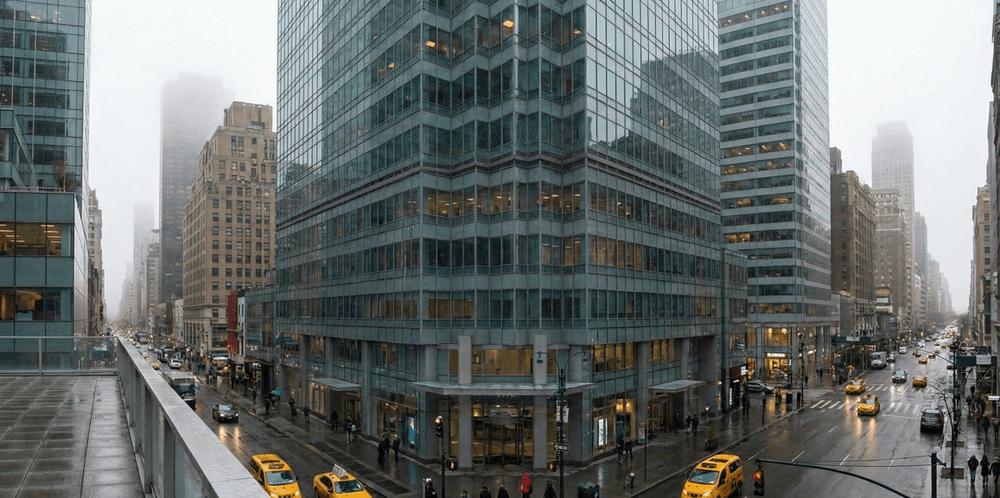
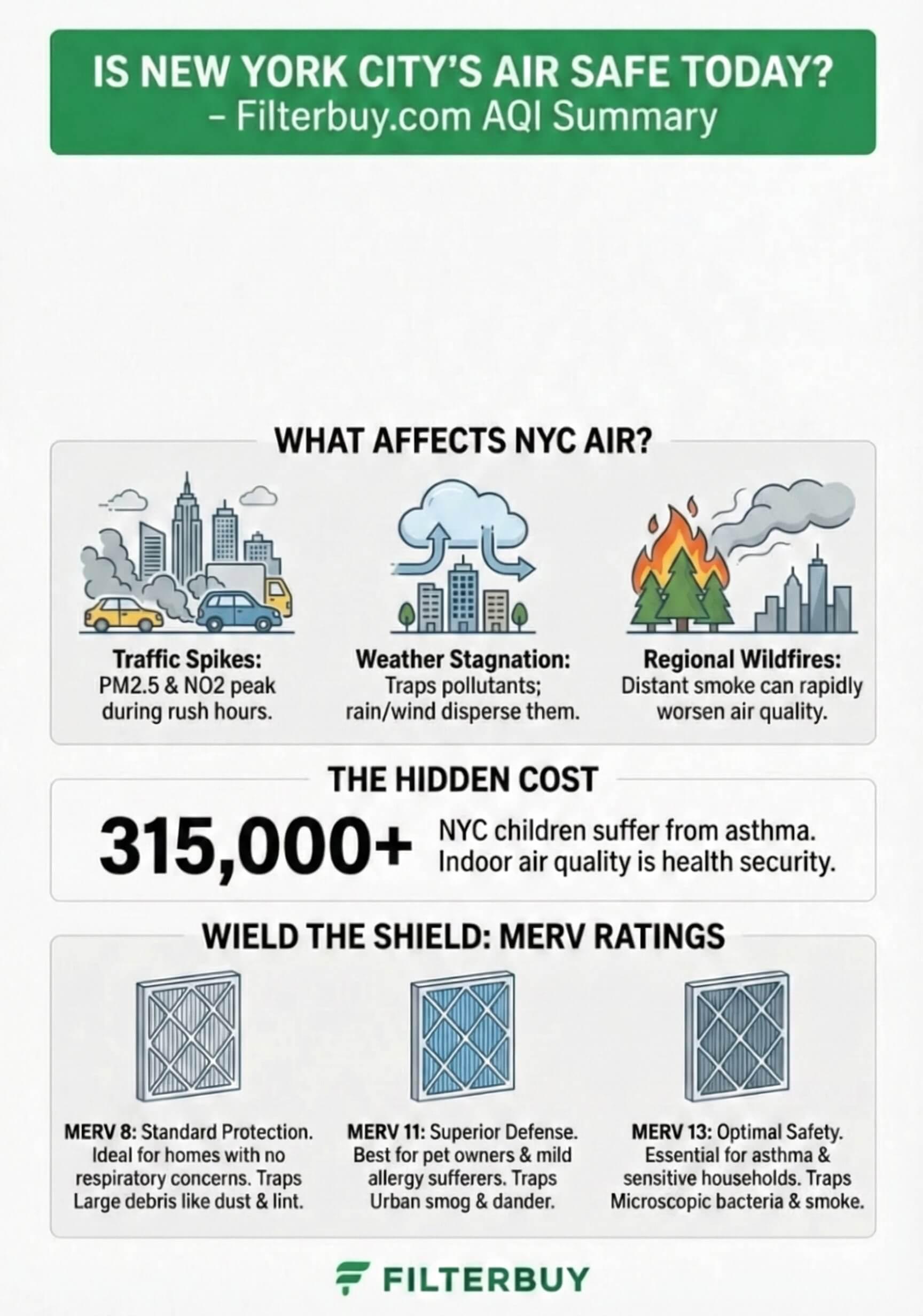
New York's air quality varies according to several factors. Traffic congestion during the morning and evening rush hours is responsible for the spikes in PM2.5 and nitrogen dioxide levels, especially in Manhattan and along major highways. Weather patterns play an important role - stagnant air traps pollutants close to ground level, rain and wind help to disperse pollutants.
Seasonal trends matter too. Summer heat causes ozone to form faster, and winter heating systems cause air pollution from particulate emissions from building boilers. Regional wildfires, though they may be far away, could bring smoke into the city and cause the AQI readings to be dramatically high for days at a time.
Protecting Your Indoor Air When Outdoor Quality Drops
When AQI goes above 100, your home is where you should take your clean air refuge. In effect, keep windows and doors closed, and use your heating, ventilation, and air conditioning system with a good quality air filter - MERV 11 air filters or better. Replace filters more often during bad air quality events because they will pick up pollutants faster than normal. Portable air purifier with HEPA filtration for added protection in bedrooms/living areas where you're most.
"After two decades of helping New Yorkers breathe cleaner air indoors, we've seen firsthand how a single high-AQI day can overwhelm an old filter—checking the index before you step outside is smart, but making sure your home filtration can handle what sneaks in is what actually protects your family."
— Filterbuy Air Quality Team
Essential Resources for Tracking New York City Air Quality
1. EPA AirNow: The Official Source for Real-Time AQI Data
This is where NYC's air quality story starts. AirNow delivers federally verified readings and forecasts for all five boroughs—the same data local health officials use to issue warnings. Bookmark it and check it like you check the weather.
2. NYC Health Department Real-Time Monitor: Street-Level Readings Where You Actually Breathe
Most air monitors sit on rooftops, but you don't live on a rooftop. NYC's street-level sensors measure PM2.5 right where traffic idles and building exhaust vents—giving you a clearer picture of what's actually entering your lungs in your neighborhood.
https://a816-dohbesp.nyc.gov/IndicatorPublic/data-features/realtime-air-quality/
3. New York State DEC Forecast: Know Tomorrow's Air Quality Today
Planning a morning run in Prospect Park or an outdoor birthday party? DEC forecasts let you see what's coming before it arrives. When AQI is expected to top 100, they'll issue a health advisory—your cue to keep windows shut and filters working.
4. EPA Fire and Smoke Map: Track Wildfire Smoke Heading Toward NYC
Canadian wildfires taught New Yorkers a hard lesson: smoke travels. This map tracks plumes in real time so you're not caught off guard when AQI jumps from 50 to 150 overnight. During fire season, we check it daily—you should too.
5. IQAir New York City: Compare NYC Air to Global Health Standards
The U.S. says "good" air quality is under 50 AQI. The World Health Organization sets the bar lower. IQAir shows you both standards side by side, plus historical data so you can spot patterns—like why August tends to be rougher than April.
https://www.iqair.com/us/usa/new-york/new-york
6. EPA MERV Rating Guide: Choose the Right Filter When Outdoor Air Goes Bad
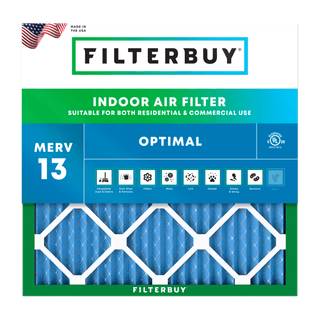
When AQI climbs, your HVAC filter becomes your first line of defense. The EPA recommends MERV 13 for trapping fine particles like smoke and smog. Not sure what your system can handle? Start here, then match the right filter to your setup.
https://www.epa.gov/indoor-air-quality-iaq/what-merv-rating
7. NYC Health Department Air Quality Guidance: Who Needs to Take Extra Precautions
Kids, older adults, pregnant women, anyone with asthma or heart disease—poor air hits some New Yorkers harder than others. This page spells out exactly when sensitive groups should stay inside and what steps actually reduce exposure.
https://www.nyc.gov/site/doh/health/health-topics/air-quality-air-pollution-pro
Supporting Statistics
These numbers shape how we advise customers—and why we take NYC air quality personally.
1. PM2.5 pollution causes 1 in 25 deaths in New York City each year.
Fine particulate matter contributes to an estimated 2,000 excess deaths annually from lung and heart disease—plus thousands more ER visits. We've heard from customers who didn't connect recurring respiratory symptoms to air quality until a doctor asked what filter they were using. The answer is usually "whatever was cheapest."
Source: NYC Department of Health and Mental Hygiene
URL: https://a816-dohbesp.nyc.gov/IndicatorPublic/data-features/realtime-air-quality/
2. Indoor pollutant levels run 2 to 5 times higher than outside, where Americans spend 90% of their time.
This surprises most customers. Closing windows on a bad air day doesn't solve the problem. Without proper filtration, indoor air concentrates the same pollutants you're trying to escape. Your filter isn't optional equipment—it's your home's respiratory system.
Source: U.S. Environmental Protection Agency
URL: https://www.epa.gov/report-environment/indoor-air-quality
3. Over 1.7 million New York State residents have asthma—including 315,000 children.
We ship a lot of MERV 13 filters to NYC addresses for this reason. Asthma remains a leading cause of:
Emergency room visits
Hospitalizations
Missed school days
For families with asthmatic children, the right filter isn't about HVAC maintenance. It's about keeping kids out of the emergency room.
Source: New York State Department of Health https://www.health.ny.gov/statistics/ny_asthma/
Final Thoughts & Opinion
After two decades helping New Yorkers breathe cleaner air, we've learned that most people don't think about air quality until something goes wrong—a wildfire smoke event, a child's asthma flare-up, or a doctor's pointed question about their home environment.
That's backwards.
Checking the AQI should be as routine as checking the weather. NYC air quality shifts daily based on:
Traffic patterns and building emissions
Weather systems that trap pollutants
Distant wildfires that can turn a "good" air day hazardous within hours
The tools exist—AirNow, NYC's street-level monitors, DEC forecasts—but they only help if you use them.
Here's what the data doesn't capture: customers who upgrade from a basic filter to MERV 11 or 13 often report noticeable changes within a week. Less dust on surfaces. Better sleep. Fewer allergy symptoms. These aren't placebo effects—they're the predictable result of actually filtering the air instead of just circulating it.
Our honest take? Most NYC apartments are under-filtered. Landlords install the cheapest option, tenants don't know better, and everyone breathes the consequences.
If you remember one thing from this page, make it this: your HVAC filter is the last barrier between urban air pollution and your family's lungs. Treat it that way.
Check the AQI today. Check your filter this weekend. Both take less than a minute—and both matter more than most New Yorkers realize.
Next Steps
1. Check today's AQI right now.
Bookmark AirNow.gov or NYC's real-time monitor. Takes 10 seconds. Tells you whether to open windows, limit outdoor exercise, or keep your HVAC running.
2. Find your current filter and check its MERV rating.
It's printed on the frame. Below MERV 8 means you're barely filtering anything. Note the size while you're there.
3. Match your filter to your household's needs.
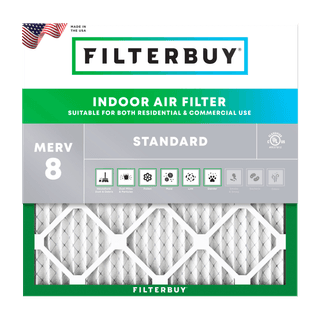
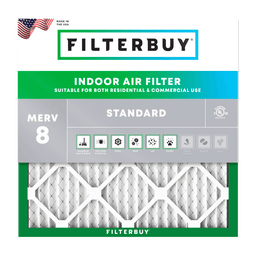
No respiratory concerns: MERV 8
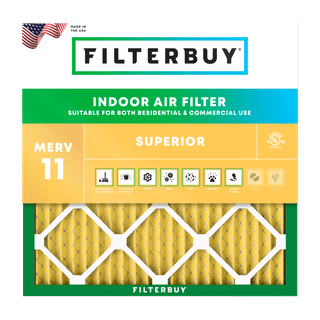
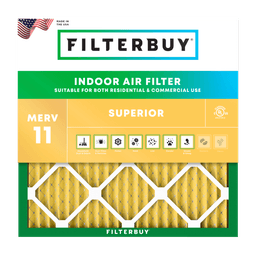
Pets, mild allergies, or urban location: MERV 11
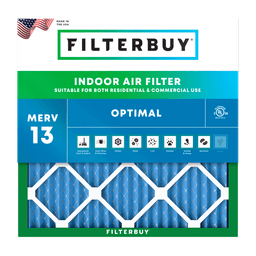
Asthma, severe allergies, or sensitive family members: MERV 13
4. Confirm your system can handle your chosen MERV rating.
Higher filtration means denser material. Most post-2000 systems handle MERV 13, but check your manual or ask an HVAC tech if unsure.
5. Set a replacement reminder.
MERV 8–11: Every 90 days
MERV 13: Every 60–90 days
Homes with pets or during poor AQI events: Every 30–60 days
6. Stock up before the next air quality event.
Wildfire smoke and summer ozone don't wait for shipping. Keep at least one backup filter on hand.
Frequently Asked Questions
Q: What is considered a safe AQI level in New York City?
A: AQI 0–50 (green) is safe for everyone. At 51–100 (yellow), most people won't notice, but customers with asthma or COPD tell us they feel it even at moderate levels. Above 100, sensitive groups should limit outdoor time. Above 150, everyone should reduce exposure.
Q: Why does NYC's air quality change so quickly throughout the day?
A: Rush hour traffic is the main driver. PM2.5 typically spikes:
7–9 AM during morning commute
5–7 PM during evening commute
Weather amplifies the effect. Stagnant air traps pollution. Wind and rain clear it. Winter temperature inversions are worse—pollutants stay locked in place for days.
Q: Where can I find the most accurate real-time AQI data for my NYC neighborhood?
A: Two reliable sources:
AirNow.gov: Federally verified, borough-wide readings
NYC Health Department monitors: Street-level data where you actually breathe
Both update hourly. We've seen meaningful AQI differences between Midtown and the Upper West Side on the same afternoon—street-level data catches what rooftop monitors miss.
Q: How does wildfire smoke from other states affect New York City's air quality?
A: Faster and harder than most expect. The 2023 Canadian wildfires pushed NYC from AQI 50 to over 200 overnight. Smoke travels thousands of miles. By the time you smell it, your filter is already working overtime. Check EPA's Fire and Smoke Map (fire.airnow.gov) daily during fire season—don't wait for the sky to turn orange.
Q: Should I keep windows open or closed when NYC air quality is moderate (51–100)?
A: Depends on your filter:
MERV 11 or higher: Close windows, run HVAC—you'll breathe cleaner air than outside
Basic fiberglass filter or no central air: Moderate outdoor air may be better than stale indoor air
For customers with respiratory conditions, we recommend closing up at AQI 50 and ensuring their filter can handle the extra load.
Check NYC's Air Quality Now—Then Make Sure Your Home Can Handle It
Use the live AQI map above to see what you're breathing today in New York City. When the numbers climb, the right MERV-rated filter from Filterbuy keeps the pollution outside where it belongs.