Dallas Real-Time AQI Tracker


Get Alerts For Unhealthy AQI In Your Area
When air quality in your area reaches unhealthy levels, we'll send you a quick alert, along with expert tips on how to reduce your exposure.
What's Actually In Dallas Air Today?
What High AQI Means for Your Lungs in Dallas
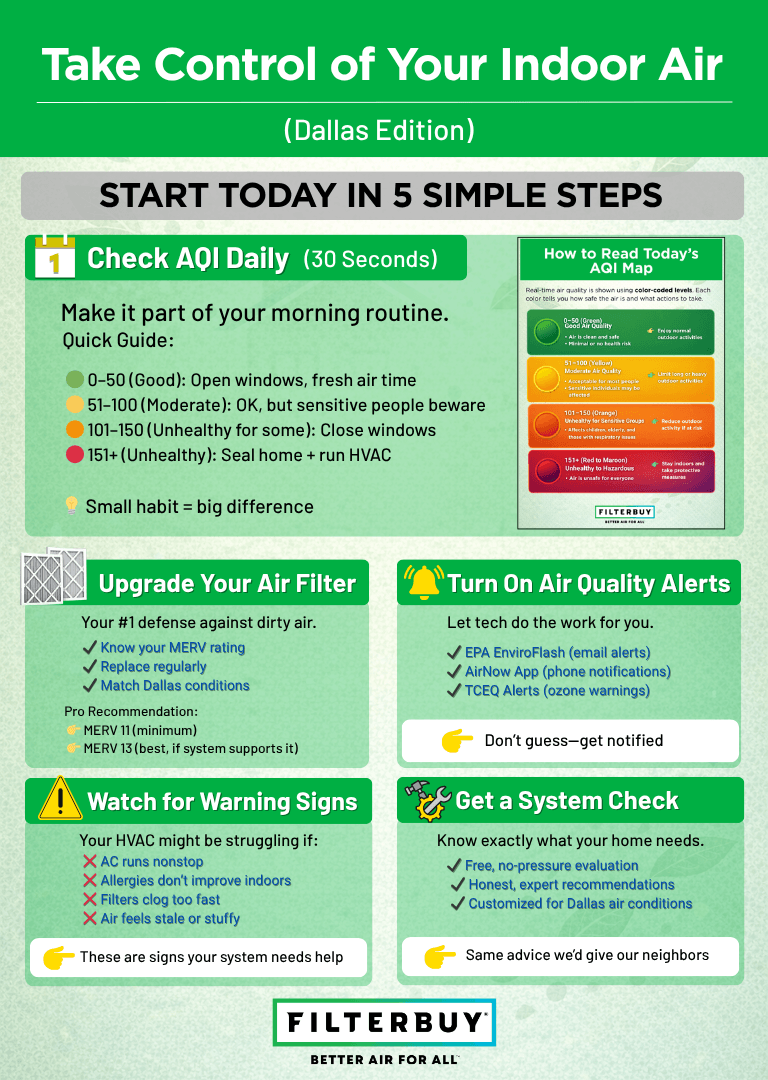
How to Read AQI
The Air Quality Index (AQI) measures how polluted the air is and how it may affect your health.
0–50 (Good): Air quality is satisfactory.
51–100 (Moderate): Acceptable, but some pollutants may pose minor concerns.
101–150 (Unhealthy for Sensitive Groups)
151–200 (Unhealthy)
201–300 (Very Unhealthy)
301+ (Hazardous)
Moderate
Still okay for most, but if you have asthma or allergies, take it easy and avoid long outdoor workouts.
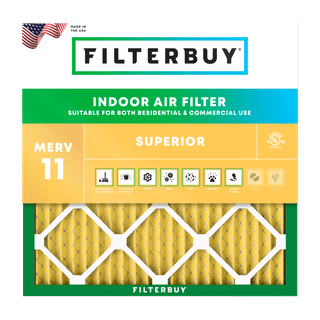
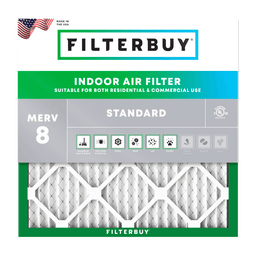
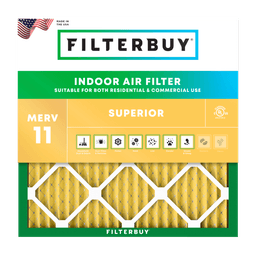
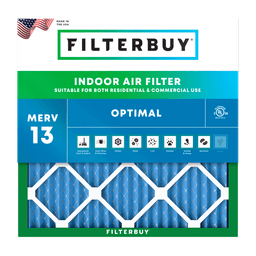
Shop MERV 11 filters→What's the Right Filter for Your AQI Level?


Check Today's Live Real Time Air Quality Index AQI Map in Dallas, TX Now
Living in Dallas, we've seen firsthand how a "moderate" AQI day can still leave your home feeling stuffy and your allergies acting up—especially during our notorious ozone season. That's why we built this live air quality map: to give you the same real-time data our technicians check before every service call.
After years of helping Dallas families troubleshoot comfort problems that turned out to be air quality issues—not equipment failures—we've learned that what's happening outside your walls matters just as much as what's happening inside them. Check current conditions below, and if you're noticing your system working harder than usual, there's often a reason the AQI can explain.
TL;DR Quick Answers
What is the live air quality index AQI map today in Dallas, Texas?
The live AQI map above shows real-time air quality conditions across Dallas-Fort Worth, updated hourly from EPA-certified monitoring stations.
Current Dallas AQI at a glance:
0-50 (Green): Good. Open windows and enjoy outdoor activities.
51-100 (Yellow): Moderate. Acceptable for most people.
101-150 (Orange): Unhealthy for sensitive groups. Keep windows closed.
151+ (Red): Unhealthy for everyone. Rely on indoor filtration.
Why this matters for your home:
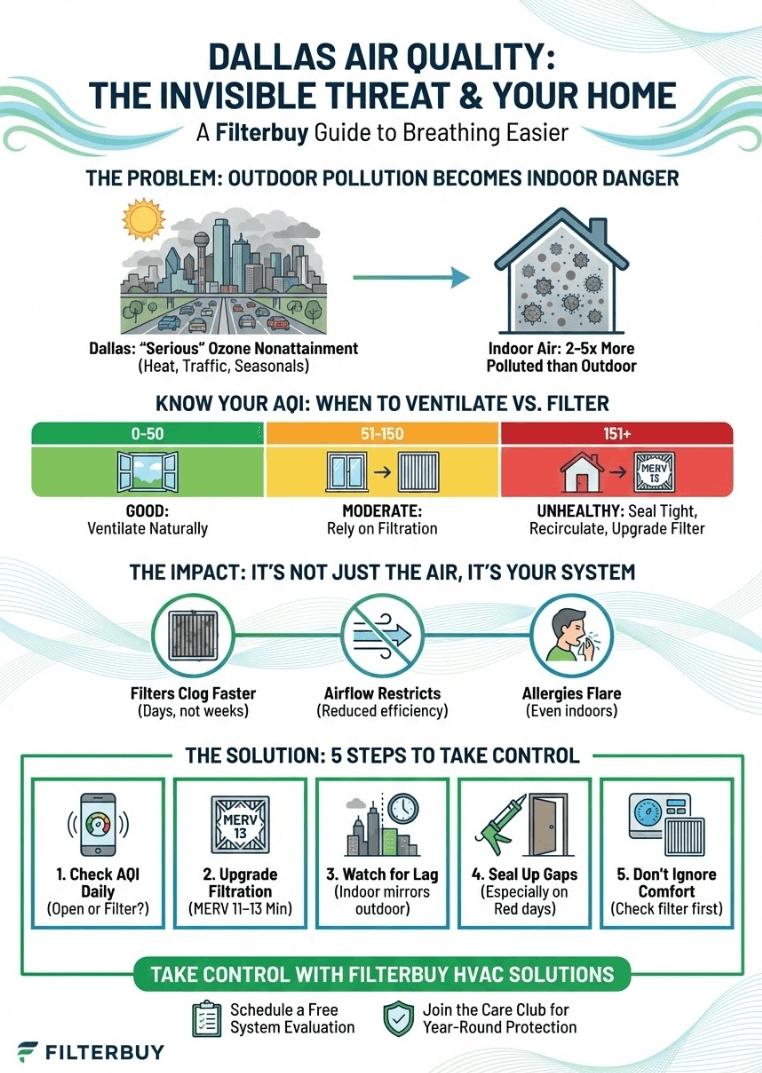
Dallas-Fort Worth is classified as a "serious" ozone nonattainment zone. Our air quality fluctuates significantly based on heat, traffic, and wind patterns—especially May through September.
What local HVAC professionals recommend:
Check AQI daily before deciding to open windows or seal up
High AQI days mean your filtration works harder
Indoor air can concentrate to 2-5 times the outdoor pollution levels
Bookmark this page for quick daily reference. Thirty seconds of awareness helps protect your family's indoor comfort.
Top 5 Takeaways
Check Dallas AQI daily. Thirty seconds helps you decide: open windows or rely on filtration.
Indoor air is 2-5 times more polluted than outside. Pollutants enter through gaps and concentrate with nowhere to go.
Dallas-Fort Worth fails federal air quality standards. Your HVAC works harder here than in areas with cleaner air.
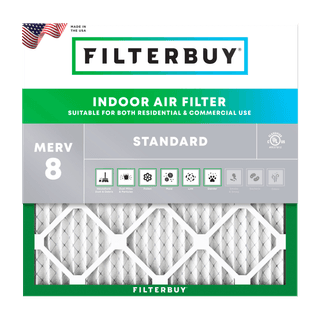
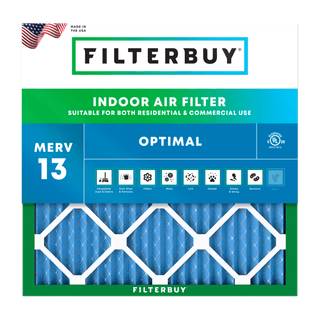
Your filter is your first defense on high AQI days. Most Dallas homes need a MERV 11 minimum. MERV 13 if your system allows.
Air quality affects comfort more than temperature. Many "AC can't keep up" calls trace to pollution days—not equipment failure.
What the Dallas AQI Means for Your Home Right Now
Air quality in Dallas-Fort Worth fluctuates more than most people realize. Our region deals with a unique mix of vehicle emissions along the I-35 corridor, industrial activity, seasonal wildfires drifting in from West Texas, and some of the highest ozone levels in the state during the summer months. When you check the map above, you're seeing real-time conditions that directly impact how hard your HVAC system works and how clean the air inside your home actually is.
An AQI between 0-50 means conditions are good—great time to open windows and give your system a break. Once readings climb above 100, which happens regularly here between May and September, your indoor air quality depends almost entirely on your filtration. That's when the difference between a basic filter and a quality one really shows up in how your family feels.

How Dallas Air Quality Changes Throughout the Year
Spring brings pollen counts that rank among the highest in Texas, with oak, cedar, and ragweed creating misery for allergy sufferers. Summer means ozone alerts, particularly on hot, still afternoons when pollution gets trapped under high-pressure systems that park over North Texas for days at a time. Fall offers some relief, though ragweed lingers into October. Winter typically brings our cleanest air, but temperature inversions can trap particulates close to the ground, especially in areas near major highways.
Understanding these patterns helps you anticipate when your home needs extra protection and when your HVAC system will be working overtime to maintain comfort.
Why Outdoor Air Quality Affects Your Indoor Comfort
Your home isn't sealed off from what's happening outside. Every time a door opens, every gap around windows, every return vent pulling air, outdoor pollutants find their way in. On high air quality index days, we've measured indoor particulate levels in Dallas homes that mirror outdoor conditions within just a few hours, especially in older construction with less efficient sealing.
This explains why some days your home feels harder to keep comfortable, even when your thermostat hasn't changed. Your system is fighting against more than just temperature—it's filtering air that's carrying extra particulates, allergens, and pollutants that tax both your equipment and your filter's capacity.
Using AQI Data to Protect Your Family and Your System
Check this map before deciding whether to run your system in recirculation mode or bring in fresh air. On days when Dallas AQI pushes above 100, keeping windows closed and letting your filtration do its job makes a noticeable difference in how your home feels by evening.
If you're consistently seeing high readings in your area and noticing your family's allergies worsening indoors, that's worth a conversation about whether your current filtration setup matches what our local air quality actually demands. Many Dallas homes we visit are running filters rated for conditions much cleaner than what we actually experience here.
"After servicing thousands of Dallas homes, we've noticed that about half the 'my AC isn't keeping up' calls we get during summer actually trace back to high ozone days when systems are working overtime to filter what's coming in from outside—not equipment problems at all."
— Filterbuy HVAC Solutions
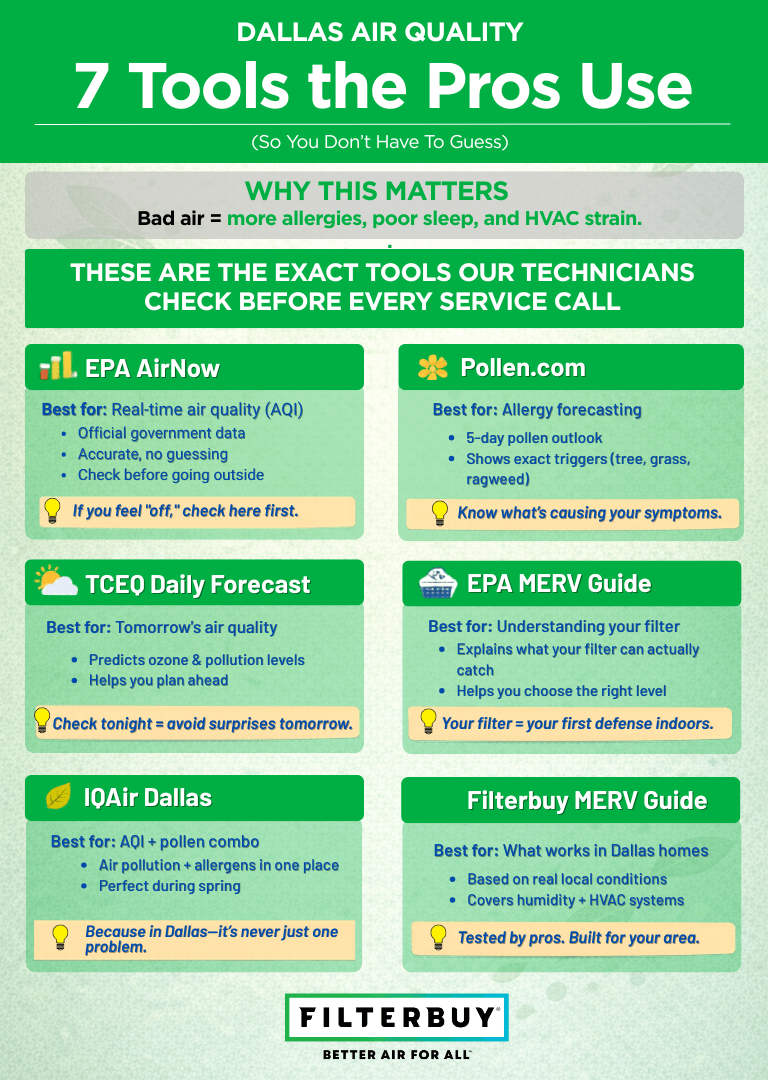
Your Go-To Resources for Dallas Air Quality—The Same Tools Our Technicians Use
After years of helping Dallas families troubleshoot comfort problems that turned out to be air quality issues, we've learned which resources actually matter. These are the seven tools our team checks before every service call—and the same ones I'd recommend to any neighbor asking how to stay ahead of what's floating around outside.
EPA AirNow: The Official Numbers We Check Before Every Service Call
When a customer tells me their allergies are acting up, or their system seems to be working harder than usual, AirNow is the first place I look. It's the EPA's official source for real-time AQI readings from certified monitoring stations right here in Dallas-Fort Worth. No guesswork, no estimates—just verified data from the same government sensors that air quality professionals rely on.
Resource: https://www.airnow.gov/aqi/aqi-basics/
TCEQ Daily Forecast: Know What Tomorrow Looks Like Before It Gets Here
Living in Dallas, we've learned that checking tonight's TCEQ forecast saves headaches tomorrow. The Texas Commission on Environmental Quality issues predictions specifically for our area, so you'll know if an ozone advisory is coming before you plan that backyard barbecue or morning run. In my experience, the families who check this regularly are the ones who rarely get caught off guard.
Resource: https://www.tceq.texas.gov/airquality/monops/forecast_today.html
Dallas County Health Services: Local Guidance From People Who Understand Our Community
Dallas County Health and Human Services takes the raw AQI numbers and translates them into real recommendations for folks with asthma, heart conditions, or young kids at home. As someone who's worked with families dealing with these concerns, I appreciate that their guidance reflects what's actually happening in our neighborhoods—not generic national advice.
IQAir Dallas: Air Quality Plus Pollen in One Place
Here's something I tell customers all the time: in Dallas, it's rarely just one thing affecting your air. IQAir combines real-time AQI monitoring with pollen data, which is exactly what you need during those brutal spring months when oak pollen and ozone seem to compete for who can make you more miserable. Having both in one dashboard saves time and gives you the full picture.
Resource: https://www.iqair.com/us/usa/texas/dallas
Pollen.com Dallas: Essential During Our Notorious Allergy Seasons
If you've lived through a Dallas spring, you know what cedar and oak pollen can do. Pollen.com breaks down the 5-day forecast by allergen type, so you can tell whether it's tree pollen, grass, or ragweed driving your symptoms. I use this myself to plan outdoor work, and I recommend it to any neighbor dealing with seasonal allergies that seem to follow them indoors.
Resource: https://www.pollen.com/forecast/current/pollen/75201
EPA MERV Rating Guide: Understanding What Your Filter Actually Does
When outdoor air quality gets bad, your filter becomes your family's first line of defense. The EPA's guide explains how MERV ratings work and what different levels actually capture. I walk customers through this all the time because knowing your filter's capabilities helps you understand whether your current setup matches what Dallas air quality actually demands.
Resource: https://www.epa.gov/indoor-air-quality-iaq/what-merv-rating
Filterbuy MERV Recommendations: What We've Learned Works Best in Dallas Homes
After a decade of manufacturing filters and serving families throughout the metroplex, we've developed specific recommendations for Dallas-area conditions. Our guide accounts for local air quality patterns, the humidity challenges we face, and the HVAC system types we see most often in neighborhoods from Plano to Oak Cliff. It's the same advice I'd give a neighbor asking which filter to grab at the hardware store.
Resource: https://filterbuy.com/resources/air-filter-basics/which-merv-rating-should-I-use/
What the Research Confirms—And What We See in Dallas Homes Every Day
After years of servicing HVAC systems across the metroplex, we've learned to trust both the data and what I observe firsthand. These statistics from federal and state agencies explain patterns we've been documenting in customer homes for over a decade.
Indoor Air Runs 2 to 5 Times More Polluted Than Outside
The EPA finding that surprised me most when I first started in this industry: indoor pollution concentrations often reach 2 to 5 times outdoor levels. During certain conditions, that number can spike to 100 times worse.
What we see in Dallas homes on high AQI days:
Customers report stuffiness and headaches with windows closed
Allergy symptoms flare indoors despite sealing everything up
Filters show visible buildup within days rather than weeks
The explanation is straightforward. Outdoor pollutants infiltrate through gaps and openings, then concentrate inside with nowhere to go. Families running adequate filtration before accumulation starts fare noticeably better.
Source: U.S. Environmental Protection Agency https://www.epa.gov/report-environment/indoor-air-quality
156 Million Americans Now Breathe Unhealthy Air—Including Us
The American Lung Association's 2025 report landed hard for those of us who worked through the 2023 Texas summer.
Key findings:
46% of Americans live in areas failing at least one air quality measure
24.6 million more people were affected compared to the previous year
Texas heat wave specifically cited for driving pollution to multi-year highs
What that summer looked like from our service vans:
Emergency calls spiked—not from mechanical failures, but from systems overwhelmed by conditions. The same complaint echoed across the metroplex: "My AC runs constantly, but the house doesn't feel right."
We weren't just fighting heat. We were fighting air quality that overwhelmed standard residential filtration.
Source: American Lung Association, "State of the Air 2025" https://www.lung.org/media/press-releases/state-of-the-air-2025
Dallas-Fort Worth: Officially a "Serious" Nonattainment Zone
In June 2024, the EPA reclassified our nine-county region to "serious" ozone nonattainment. That designation means we consistently fail federal air quality standards.
What makes DFW different from other Texas metros:
Houston and Beaumont: Industrial facilities drive pollution numbers
Dallas-Fort Worth: Vehicles and mobile equipment are the primary source
The practical translation:
Every time you sit in I-35 traffic, you're watching ozone precursors form in real time. That pollution follows you home. It's why homes along major corridors often need more aggressive filtration than homes in quieter neighborhoods—something I explain to customers regularly when their standard filters aren't cutting it.
Source: Texas Commission on Environmental Quality https://www.tceq.texas.gov/airquality/sip/dfw/dfw-status
Final Thoughts and Opinion
After more than a decade working inside Dallas homes, we've reached a conclusion that might surprise you: air quality matters more to your daily comfort than temperature does.
We've seen it play out hundreds of times:
100-degree days, where families felt perfectly comfortable because their filtration matched what our air actually demands
Mild 75-degree afternoons where everyone was miserable because an invisible ozone spike was overwhelming a basic fiberglass filter
The weather you can feel. The air quality you can't—not until it's already affecting you.
What Living in a Nonattainment Zone Actually Means
Here's my honest take on living in a region that officially fails federal air quality standards: your HVAC system is being asked to do more than systems in other parts of the country.
That's not a sales pitch. It's physics.
The difference between Dallas and other markets:
Communities with good air quality can get by with basic filtration and occasional maintenance
Dallas-Fort Worth homes—with nine-month ozone seasons, traffic particulates, and regional wildfire smoke—need to work harder just to maintain the same comfort level.
The families who understand this stay ahead of problems. The families who don't end up calling us are wondering why everything feels off when the AC seems to be running fine.
The One Habit That Makes the Biggest Difference
If there's one thing I wish every Dallas homeowner would take from this page:
Check the AQI the same way you check the weather forecast.
Not because I want you worried. Because I want you prepared.
How to use what you see:
Green days: Open the windows, give your system a break, let fresh air cycle through
Orange and red days: Keep everything sealed, let your filtration earn its keep
This simple habit costs nothing, takes thirty seconds, and puts you in control of your home's environment in a way no equipment can do on its own.
Our Commitment to Your Comfort
We built this live AQI map because the information our technicians rely on should be available to every Dallas homeowner. Not buried in government websites. Not hidden behind apps. Right here, whenever you need it.
What "Better Air For All" means to us:
Not just selling filters
Not just fixing systems
Helping our neighbors breathe easier, one home at a time
Check the map. Know your air. And if you ever have questions about what you're seeing or how it affects your specific situation, that's exactly the kind of conversation we have with Dallas families every single day.
Next Steps: Take Control of Your Indoor Air Quality Today
Now that you understand how Dallas air quality affects your home comfort, here's how to put that knowledge into action.
1. Bookmark This Page for Daily AQI Checks
Make checking the live map above part of your morning routine. Thirty seconds of awareness helps you decide whether to open windows or rely on your filtration for the day.
Quick reference guide:
AQI 0-50 (Green): Great day to ventilate naturally and give your system a rest
AQI 51-100 (Yellow): Fine for most people; sensitive groups should monitor symptoms
AQI 101-150 (Orange): Keep windows closed and let your filtration work
AQI 151+ (Red or worse): Seal up tight and consider running your system continuously
2. Evaluate Your Current Filtration
Your filter is your first line of defense when outdoor air quality drops. Ask yourself:
Do you know your current filter's MERV rating?
When did you last replace it?
Does your filtration match what Dallas air quality actually demands?
Our recommendation for most Dallas homes: MERV 11 minimum, MERV 13 if your system can handle it. Check our MERV rating guide linked in the resources section above to find what works best for your specific situation.
3. Sign Up for Air Quality Alerts
Don't rely on memory alone. Set up automatic notifications, so you know when conditions change.
Free alert options:
EPA EnviroFlash: Email alerts for your ZIP code at enviroflash.epa.gov
AirNow App: Push notifications on your phone when AQI reaches concerning levels
TCEQ Ozone Action Day Alerts: Texas-specific notifications during ozone season
4. Schedule a System Evaluation
If you're experiencing any of these issues, your system may be struggling with local air quality conditions:
AC runs constantly, but the house never feels quite right
Allergies persist indoors even with windows closed
Filters clog faster than expected
Stuffiness or stale air despite regular filter changes
We offer free, no-obligation estimates where we assess your current setup and explain what we'd recommend—the same honest advice we'd give a neighbor. No pressure, no surprises.
5. Explore Our Care Club for Year-Round Protection
Dallas air quality challenges don't take days off. Neither should your maintenance.
Care Club members receive:
Priority scheduling during peak demand seasons
Regular filter deliveries so you never fall behind
Seasonal tune-ups timed to ozone and allergy seasons
Preferred rates on repairs and upgrades
Think of it as having a neighbor who happens to be an HVAC professional looking out for your comfort year-round.
Frequently Asked Questions
Q: What is a good AQI level for Dallas, and when should I be concerned?
A: AQI 0-50 (green) is good. Safe for outdoor activities and opening windows.
Concern levels:
Above 100 (orange): Sensitive groups limit outdoor exposure
Above 150 (red): Everyone take precautions
Above 200 (purple): Avoid outdoor activity entirely
Three or more days above 100 typically trigger increased indoor comfort issues in Dallas homes.
Q: Why does Dallas air quality change so much from day to day?
A: Temperature, wind, and traffic converge in DFW to create variable conditions.
Main factors:
Vehicle emissions, plus heat and sunlight, create ozone
Wildfire smoke from West Texas
Seasonal pollen
Construction dust from regional growth
Readings can swing 50+ points between morning and afternoon on hot, still days.
Q: How often is the live AQI map updated, and how accurate is it?
A: Updates occur hourly from EPA-certified Dallas-Fort Worth monitoring stations.
Accuracy notes:
Reliable for general area conditions
Homes near I-35 or construction may see higher levels than posted
Treat readings asa baseline, not an exact measurement for your specific location
Q: Does checking outdoor AQI matter if I spend most of my time indoors?
A: Yes. Indoor air can be 2-5 times more polluted than outdoor air.
Why does this happen? Pollutants enter through doors, windows, and ventilation gaps
Once inside, they concentrate with nowhere to go
Practical takeaway:
High AQI: Seal home and rely on filtration
Low AQI: Open windows and ventilate naturally
Q: What should I do when Dallas AQI shows unhealthy levels?
A: Take immediate steps to protect indoor air quality.
Actions for AQI 101+:
Close all windows and doors
Run HVAC continuously for filtration
Avoid candles and heavy cooking
Verify the filter is clean
Limit outdoor activity
Signs your filtration needs improvement:
Home stays stuffy with windows closed
Indoor allergies persist on high AQI days
Filters clog faster than expected
These patterns indicate your setup may not match Dallas air quality demands.
Check Today's Dallas Air Quality and Breathe Easier at Home
Now that you have live AQI data for Dallas at your fingertips, take the next step to protect your indoor air. Schedule a free estimate with our local Filterbuy team to ensure your filtration matches what North Texas air quality actually demands.