
San Diego Real-Time AQI Tracker


Get Alerts For Unhealthy AQI In Your Area
When air quality in your area reaches unhealthy levels, we'll send you a quick alert, along with expert tips on how to reduce your exposure.
What's Actually In San Diego Air Today?
What High AQI Means for Your Lungs in San Diego
How to Read AQI
The Air Quality Index (AQI) measures how polluted the air is and how it may affect your health.
0–50 (Good): Air quality is satisfactory.
51–100 (Moderate): Acceptable, but some pollutants may pose minor concerns.
101–150 (Unhealthy for Sensitive Groups)
151–200 (Unhealthy)
201–300 (Very Unhealthy)
301+ (Hazardous)
Moderate
Still okay for most, but if you have asthma or allergies, take it easy and avoid long outdoor workouts.
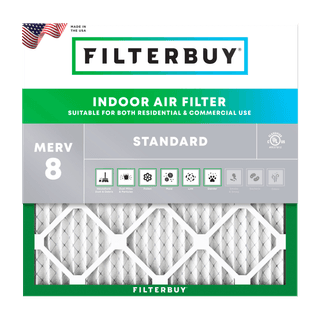
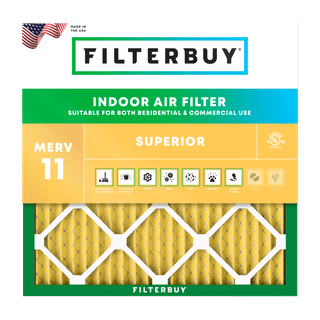
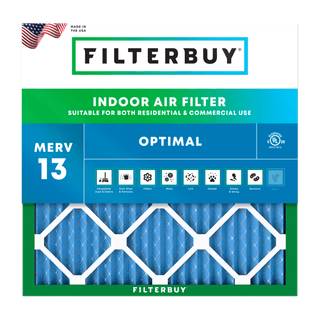
Shop MERV 11 filters→What's the Right Filter for Your AQI Level?


Check Today's Live Real Time Air Quality Index AQI Map in San Diego, CA Now
Wondering if it's safe to run outdoors or open your windows in San Diego today? Our live AQI map gives you real-time air quality readings across the county so you can make informed decisions—and know when it's time to protect your indoor air.
San Diego is consistently rated as one of California's worst cities for ozone pollution - there are dozens of unhealthy air days every year. Below, you'll find up-to-date conditions, what those numbers are, and their impact on your health and filtration system.
TL;DR Quick Answers
What is the live air quality index AQI map now in San Diego, California?
San Diego's live AQI map shows real-time pollution levels across the county, updated continuously throughout the day.
Where to check current conditions:
AirNow.gov – Official EPA readings by zip code
sdapcd.org – Local data from eight San Diego monitoring stations
map.purpleair.com – Hyper-local sensors updated every two minutes
fire.airnow.gov – Smoke and wildfire tracking
What San Diego residents should know:
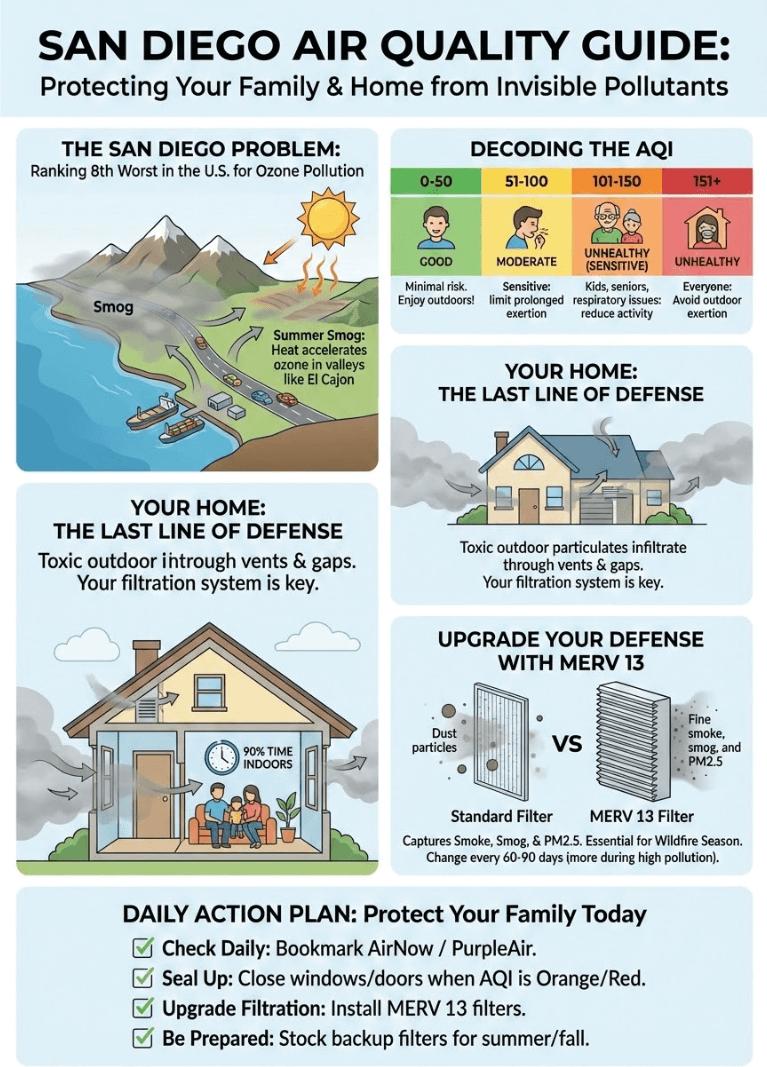
San Diego ranks 8th worst in the nation for ozone pollution. Inland areas like El Cajon and Escondido typically see higher readings than coastal neighborhoods. Summer afternoons and wildfire season bring the most elevated AQI levels.
When outdoor air quality declines, your indoor air filtration matters most. A MERV 13 filter captures the fine particles that pose the greatest health risks on high-AQI days.
Top 5 Takeaways
San Diego ranks 8th worst in the nation for ozone pollution. The county received failing grades for ozone and year-round particle pollution in the 2025 State of the Air report.
Check the AQI daily. Use AirNow.gov, sdapcd.org, or PurpleAir for real-time local readings.
Indoor filtration matters. Americans spend 90% of their time indoors. When outdoor air quality drops, your HVAC filter is your family's first line of defense.
Use MERV 13 filters. This rating captures smoke, smog, and PM2.5—the pollutants most common during San Diego's high-AQI days.
Prepare before peak seasons. Set up AQI alerts, stock backup filters, and schedule HVAC maintenance before summer ozone season and fall wildfire season.
What Is the Air Quality Index?
AQI is a standardized scale from 0 - 500, which measures how clean or polluted your air is and what kind of health effects you might be exposed to if you inhale it. The EPA has broken down the scale into six designated colors, bronze, green, yellow, orange, red, and maroon, indicating the scale can go from good (green) to hazardous (maroon). To San Diego residents, the most common local pollutants that are causing daily AQI readings are ground-level ozone and fine particulate matter (PM2.5).

San Diego's Air Quality Challenges
The geography of the region - coastal mountains trap emissions against the ocean - is creating ideal conditions for smog formation. Vehicle traffic, as well as port activity and cross-border pollution from Tijuana, lead to high ozone concentrations, especially during summer months - when heat speeds the formation of smog.
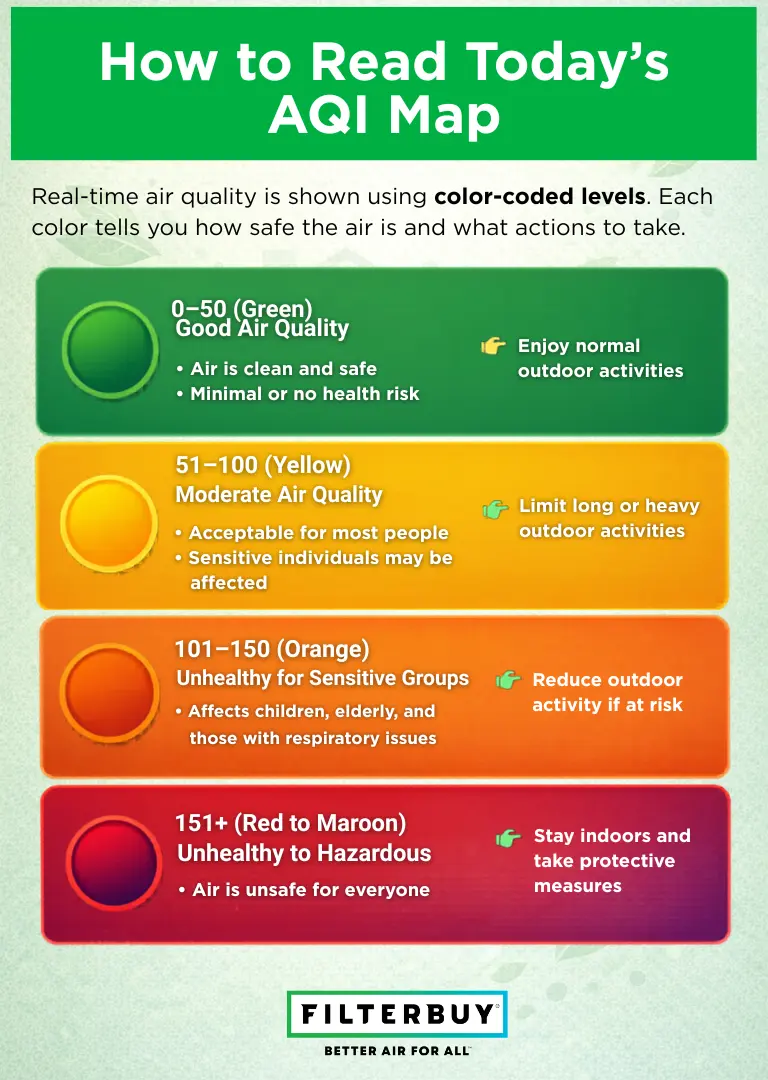
How to Read Today's AQI Map
The interactive map above displays real-time readings from monitoring stations throughout San Diego County. Each colored marker represents current conditions at that location:
0–50 (Green): Air quality is satisfactory with minimal health risk
51–100 (Yellow): Acceptable for most people; sensitive individuals should limit prolonged outdoor exertion
101–150 (Orange): Unhealthy forsensitive groups, including children, the elderly, and those with respiratory conditions
151+ (Red to Maroon): Everyone should reduce outdoor activity and take protective measures
When Outdoor Air Affects Indoor Air
In most instances, it is not enough that you are only closing your windows. The toxic chemicals from wildfires, for example, can enter your property through gaps and into your vents. When the air quality index level is high, your air filters work overtime and pick up all of the particles. There is a risk that these get circulated indoors.
This is when filter quality is the most important. A standard fiberglass filter only collects the big particles of dust, while the higher-rated filters (MERV 11 and above) pick up the fine particulate matter, which is the cause of the irritation in the respiratory system. If the AQI in San Diego reaches alarming levels regularly in your neighborhood, simply upgrading your filter and changing them regularly can really help enhance the air that your family is breathing while at home.
"During high-AQI events, HVAC filters can capture significantly more particulate matter than on typical days—making regular filter replacement essential for maintaining indoor air quality when outdoor conditions deteriorate."
-The Filterbuy Experts
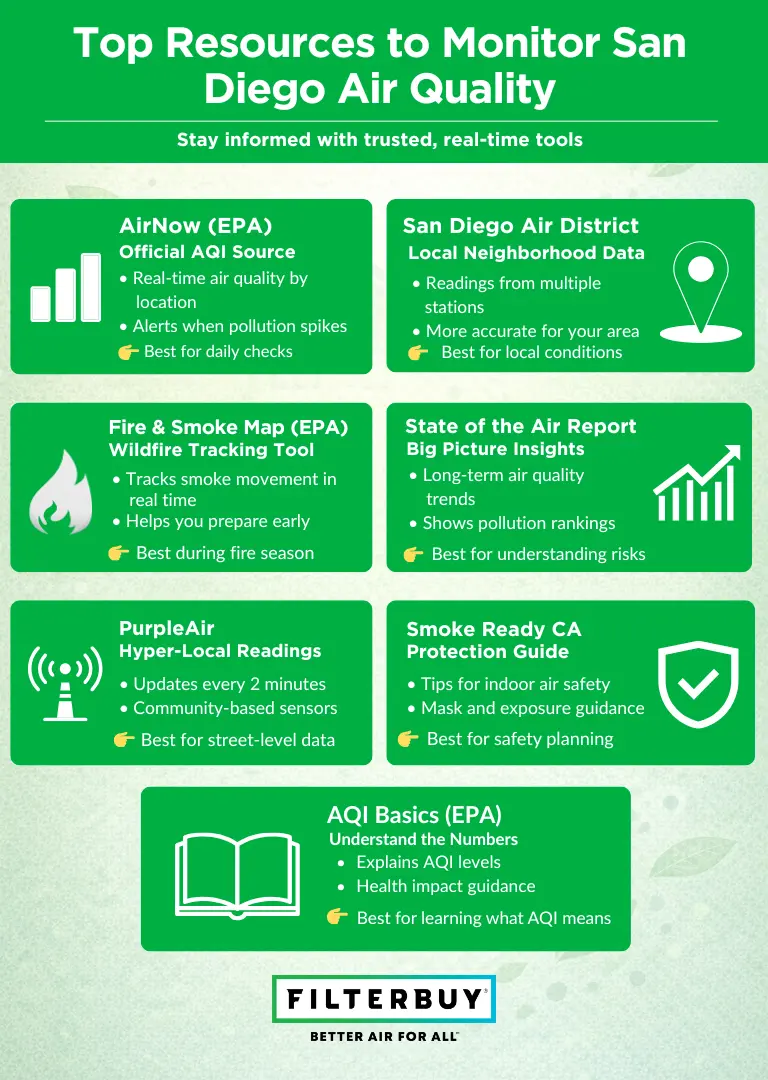
Your Go-To Resources for Monitoring San Diego Air Quality
As your neighbors who care about your family's comfort, we know that understanding what's in the air you and your family are breathing is just as important as ensuring that your home is kept at the right temperatures. We have a lot of clients in the city who have all the same air quality concerns as you do, from summer smog to wildfire smoke blowing in from the backcountry. These are the resources that we trust and recommend to our customers for keeping abreast of local conditions.
EPA AirNow: The Official Source for San Diego's Daily Air Quality Readings
This is where we check conditions before warning customers if it is a good day to open windows or turn on their HVAC filtration. You can also get official AQI readings from certified monitors throughout the county, along with notifying you when the pollutant levels spike in your area with free alerts.
Resource: https://www.airnow.gov/
San Diego County Air Pollution Control District: Neighborhood-Level Forecasts from Local Experts
If customers ask about the conditions in their part of the county, this is what we point customers to. The district tracks 8 stations from Oceanside to Otay Mesa so that you can view what is happening in your neighborhood instead of county-wide average reports.
Resource: https://www.sdapcd.org/content/sdapcd/air-quality.html
EPA Fire and Smoke Map: Essential During Our Increasingly Unpredictable Fire Seasons
Having served the residents of San Diego over several major fire seasons, we've seen firsthand how fast the smoke can affect indoor air quality - even hours away. This map tracks smoke plumes in real time and shows you exactly where pollution is on its way, which is helpful when you need to know if you should keep your windows closed and make your filtration system work double time.
Resource: https://fire.airnow.gov/
PurpleAir Map: Real-Time Readings Right in Your Neighborhood
Sometimes the quality of air three blocks over is different from what the county monitors shows. Its community sensors update at 2-minute intervals and provide you with hyper-local data. We find this particularly useful for customers in areas near highways, industrial areas, or in canyons where conditions can be much different.
Resource: https://map.purpleair.com/
American Lung Association State of the Air Report: Understanding San Diego's Bigger Picture
The city regularly has one or more of the highest ozone pollution levels of any place in the US - something that surprises many of our customers, given its reputation for great weather. This annual report teaches you about long-term trends and why it is worth investing in good indoor air quality.
Resource: https://www.lung.org/research/sota/city-rankings/msas/san-diego-chula-vista-carlsbad-ca
California Air Resources Board Smoke Ready California: Practical Protection for Your Family
We recommend this resource to all customers whose concerns are wildfire smoke. It is everything from enhancing indoor air to selecting the appropriate masks for exposure to the elements outside. It is quite useful for actually tracking conditions when fires are burning anywhere in the region.
Resource: https://ww2.arb.ca.gov/smokereadyca
EPA Air Quality Index Basics: Making Sense of What the Numbers Actually Mean
When we talk to customers about their air quality concerns, we often reference this guide. It explains what each color-coded category means for your health and offers specific guidance for sensitive groups—children, older adults, and anyone with respiratory conditions. Understanding the AQI helps you make informed decisions about when to rely on your home's filtration versus enjoying fresh outdoor air.
Resource: https://www.airnow.gov/aqi/aqi-basics/
Why San Diego Air Quality Matters: The Numbers
Understanding local air quality isn't just about checking a number—it's about protecting your family's health every day.
San Diego Ranks 8th Worst in the Nation for Ozone Pollution
The American Lung Association's 2025 State of the Air report delivered sobering news for San Diego County:
National ranking: 8th most ozone-polluted metro area in the U.S.
Ozone grade: F (failing)
Year-round particle pollution: Failing grade
Summer months hit hardest when smog settles into valleys and inland communities like El Cajon and Escondido.
Source: American Lung Association, State of the Air 2025 https://www.lung.org/research/sota/city-rankings/msas/san-diego-chula-vista-carlsbad-ca
Americans Spend About 90% of Their Time Indoors
The EPA's finding puts indoor air quality in perspective:
90% of our time is spent inside homes, offices, and schools
Outdoor pollution infiltrates indoor spaces through doors, windows, and HVAC systems
On high-AQI days, your air filters work overtime to capture harmful particles
Your home should be a refuge when outdoor air turns unhealthy.
Source: U.S. Environmental Protection Agency, Indoor Air Quality https://www.epa.gov/indoor-air-quality-iaq
156 Million Americans Now Breathe Unhealthy Air
The scope of the problem is growing:
156 million people live in counties with failing air quality grades
That's 25 million more than the previous year
Nearly half of all Americans are affected
San Diego County falls within these failing areas
Monitoring daily AQI and maintaining proper filtration isn't optional—it's essential.
Source: American Lung Association, State of the Air 2025 Key Findings https://www.lung.org/research/sota/key-findings
Final Thoughts on Monitoring San Diego Air Quality
San Diego's reputation for perfect weather doesn't tell the whole story.
Our county ranks among the worst in the nation for ozone pollution. More than half the year brings air quality conditions that can affect your family's health—particularly children, older adults, and anyone with respiratory sensitivities.
Make Air Quality Monitoring a Daily Habit
Staying informed is the first step:
Bookmark the resources listed above
Check the AQI daily, just like you check the weather forecast
Protect Your Indoor Air When Outdoor Conditions Decline
Monitoring is only half the equation. When outdoor air quality deteriorates, your home's defenses matter most:
Keep windows closed during high-AQI days
Run your HVAC system to filter incoming air
Check your air filters regularly—they work harder during pollution spikes
Choose the right filter rating to capture fine particles that pose the greatest health risks
The Bottom Line
San Diego families face real air quality challenges that many residents don't fully realize. The good news is that with the right information and proper indoor air protection, you can create a healthier home environment for your family—even on days when stepping outside isn't advisable.
Your home should be your sanctuary. Understanding local air quality conditions and maintaining effective filtration helps keep it that way.
Next Steps: Protect Your Family's Air Quality Today
Taking control of your indoor air quality doesn't have to be complicated.
1. Check Today's Air Quality
Check sdapcd.org for neighborhood-specific readings
2. Set Up Automatic Alerts
Enable push notifications in your app
Set your threshold to "Unhealthy for Sensitive Groups."
3. Assess Your Current Filtration
Ask yourself:
When did I last change my HVAC filter?
What MERV rating is my current filter?
Can it capture fine particles (PM2.5)?
If unsure, it's time for a filter check.
4. Know Your Filter Options
MERV 8 provides basic protection, capturing dust and pollen. MERV 11 offers moderate protection against pet dander and mold spores. MERV 13 delivers high-level filtration for smoke, smog, and fine particles—the rating we recommend for San Diego's air quality challenges.
5. Create a High-AQI Action Plan
Before unhealthy air days arrive:
Identify rooms that seal best for cleaner air
Stock N95 masks for outdoor exposure
Keep backup filters on hand during fire season
Brief family members with respiratory conditions
6. Maintain Your HVAC System
Replace filters every 60–90 days
Change more frequently during fire season
Seal ductwork to prevent unfiltered air infiltration
Frequently Asked Questions
Q: What is the Air Quality Index, and how do I read it?
A: The AQI is a standardized scale from 0 to 500 measuring air pollution levels and associated health risks.
Understanding the color-coded categories:
Green (0–50): Good air quality
Yellow (51–100): Moderate
Orange (101–150): Unhealthy for sensitive groups
Red (151–200): Unhealthy for everyone
Purple (201–300): Very unhealthy
Maroon (301–500): Hazardous
The higher the number, the greater the health concern. San Diego's most common pollutants affecting daily readings are ground-level ozone and fine particulate matter (PM2.5).
Q: Where can I find real-time air quality data for my specific San Diego neighborhood?
A: Multiple sources provide San Diego air quality data at different levels of detail.
Official government sources:
AirNow.gov – EPA's primary air quality platform
sdapcd.org – San Diego County Air Pollution Control District with eight local monitoring stations (Downtown, El Cajon, Escondido, Kearny Mesa, Oceanside, and more)
Hyper-local data:
map.purpleair.com – Community sensors updated every two minutes
During wildfires:
fire.airnow.gov – EPA's Fire and Smoke Map for comprehensive smoke tracking
Q: Why does San Diego have poor air quality despite the sunny weather?
A: San Diego's geography and climate actually contribute to pollution buildup.
Key factors:
Coastal mountains trap emissions against the ocean
Marine inversions prevent pollutants from dispersing
Light winds and minimal rainfall limit natural air clearing
Over 170 days above 70°F create ideal ozone formation conditions
Pollution sources include:
Vehicle traffic
Port activity
Cross-border pollution from Tijuana
Regional variations:
Inland communities like El Cajon and Escondido typically see higher AQI readings than coastal areas due to reduced ocean breezes.
Q: How can I protect my family when San Diego's AQI reaches unhealthy levels?
A: Focus on reducing exposure and improving indoor air quality.
Outdoor precautions:
Limit outdoor activities during orange or red AQI days
Avoid strenuous exercise when pollution is elevated
Wear an N95 mask if you must go outside
Indoor protection:
Keep windows and doors closed
Run your HVAC system to filter incoming air
Use MERV 13 filters to capture fine particles like smoke and smog
Create a designated cleaner air space in a well-sealed room
For sensitive family members:
Ensure asthma medications are accessible
Follow respiratory action plans closely
Monitor symptoms and seek medical attention if needed
Q: When is air quality typically worst in San Diego, and how can I prepare?
A: San Diego experiences two distinct peak pollution periods.
Summer (June–September):
Elevated ozone levels due to heat and sunlight
Worst conditions typically occur in the afternoons and early evenings
Smog formation accelerates on hot, sunny days
Wildfire season (August–November):
Sudden spikes in particle pollution
AQI can reach hazardous levels with little warning
Smoke can travel from distant fires
How to prepare:
Sign up for EnviroFlash alerts at AirNow.gov
Keep backup air filters on hand
Stock N95 masks for emergency use
Schedule HVAC maintenance before peak seasons arrive
Check San Diego's Air Quality Today—Then Protect the Air Inside Your Home
Now that you know how to monitor San Diego's live AQI, take the next step by ensuring your home's filtration is ready to handle our local air quality challenges. Find the right MERV-rated filter for your HVAC system with the help of Filterbuy and breathe easier—indoors and out.