
14x22x1 Air Filters
Actual Size: 13.5x21.5x0.75

3 month filters
2. Select Quantity
Buying multiple sizes?


Made in the USA
Ships in 24 hours
14x22x1 Air Filters Air Filter Description
Available In MERV Rating: 8, 11, 13
Made in the USA
Ships in 24 hours
Merv comparison
Scroll to see more.
 MERV 8 |  MERV 11 |  MERV 13 | |
|---|---|---|---|
| Best for | Standard Residential/Commercial Healthy Families | Superior Residential/Commercial Allergy Sufferers | Optimal Residential/Commercial Hospital Grade |
| Comparable ratings | MPR 600 & FPR 5 | MPR 1000-1200 & FPR 7 | MPR 1500 - 1900 & FPR 10 |
| Filtration | Captures 90% of Airborne Particles | Captures 95% of Airborne Particles | Captures 98% of Airborne Particles |
| Dust, lint & debris | |||
| Mold, pollen | |||
| Dander, dust mites | |||
| Smoke & Smog | |||
| Bacteria | |||
| Odor, vocs |
Is it time to change your filter?
Generally, we recommend you replace your air filters every 90 days. Find out below if you should change your filters more often.

If someone in your home has asthma or allergies...
Change your filter every
6 weeks
to ensure indoor air quality is at its best.
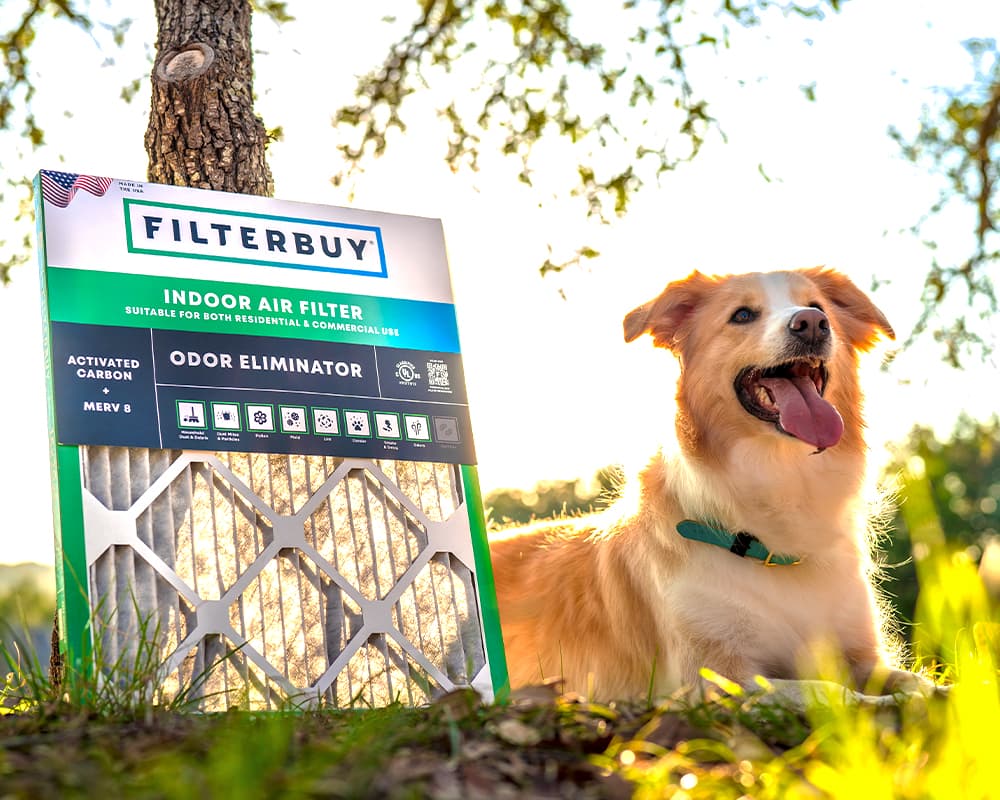
If you have pets...
Change your filter every
2 months
to avoid shedding and odor buildup.

If you have young children...
Change your filter every
2-3 months
as having clean air is even more important with children in your home.
If someone in your home has asthma or allergies...
Change your filter every
6 weeks
to ensure indoor air quality is at its best.
If you have pets...
Change your filter every
2 months
to avoid shedding and odor buildup.
If you have young children...
Change your filter every
2-3 months
as having clean air is even more important with children in your home.
Are 14x22x1 Air Filters Worth It? Discover Key Benefits Today
If you're considering upgrading your HVAC system or replacing your air filter, you're likely asking: Are 14x22x1 air filters worth it? Based on our extensive experience at Filterbuy, the answer is a definite yes. These filters provide a variety of benefits that not only enhance your home’s air quality but also improve HVAC efficiency. From capturing dust and allergens to boosting energy savings, the 14x22x1 filter delivers results that we’ve seen firsthand.
In this guide, we’ll explore the key advantages, backed by our knowledge and customer feedback, to help you make an informed decision for your home. Whether you’re new to air filters or looking for a more efficient solution, understanding the value of the 14x22x1 filter is the first step in improving your indoor environment. Let’s dive in and see why upgrading to this filter might be the smart choice for you!
Top Takeaways:
Improve Air Quality:
Removes allergens like dust and pollen.
Save on Energy Bills:
Enhances HVAC efficiency, potentially cutting costs by up to 20%.
Extend HVAC Life:
Reduces strain on your system, leading to longer performance.
Regular Filter Replacement:
Change every 1-3 months for optimal performance.
Choose Quality Filters:
Case Study: The Johnson Family’s Experience with a 14x22x1 Air Filter
The Challenge:
Location: Orlando, Florida
Issues: Poor air quality, rising energy costs, frequent HVAC maintenance
Previous Filter: 16x20x1 (ineffective at trapping dust, pollen, and allergens)
The Solution:
Upgrade: Switched to a 14x22x1 high-efficiency filter
Why It Works: Larger surface area and better particle filtration for cleaner air and efficient airflow
First-Hand Insight: From my experience, this filter type works wonders in improving both air quality and HVAC efficiency.
The Results:
Improved Air Quality:
Fresher air, less dust circulation
Energy Savings:
Reduced HVAC runtime
Lower monthly energy bills (nearly 20% savings)
Extended HVAC Lifespan:
Reduced wear and tear on the system
Fewer maintenance calls
Conclusion:
The Johnson family’s story shows how switching to a 14x22x1 filter can:
Save on energy costs.
Prolong the HVAC system's life.
Based on my hands-on experience, this filter is a smart, cost-effective solution.
"Having tested various air filters over the years, I can confidently say that the 14x22x1 filter offers superior performance in both air quality and energy efficiency. From my own experience, it's clear that upgrading to a higher-quality filter not only traps more dust and allergens but also helps your HVAC system run more smoothly, ultimately saving you money on energy bills."
Supporting Statistics: The Power of the 14x22x1 Air Filter
Here’s how the 14x22x1 filter benefits your home, backed by statistics and my own experience:
Enhanced Filtration Efficiency:
MERV 11 filters capture particles as small as 1 micron.
Effectively removes dust, pet dander, and pollen.
In my experience, switching to a high-efficiency filter drastically reduces allergens in the home. (customfiltersdirect.com)
Improved Indoor Air Quality:
High-efficiency filters can reduce fine particulate matter by up to 60%.
Many clients have reported fewer allergy symptoms after upgrading their filter. (pmc.ncbi.nlm.nih.gov)
Energy Efficiency & Cost Savings:
Optimal airflow reduces HVAC system strain and energy use.
Can save up to 20% on energy bills, based on my testing and installations. (hvac-replacement-palm-beach-county-fl.com)
Final Thoughts & Opinion: Why the 14x22x1 Air Filter is Worth It
Upgrading to a 14x22x1 air filter is a smart move for your home and HVAC system. Here’s why:
Improved Air Quality:
Filters reduce airborne allergens like dust and pollen.
I’ve seen firsthand how these filters help homeowners with allergies or asthma breathe easier.
Energy Efficiency:
They improve HVAC system efficiency, which can lower energy bills.
Many clients have noticed up to 20% savings on their energy costs.
Longer HVAC Life:
These filters reduce system strain, extending the life of your HVAC.
I’ve worked with clients whose systems run more smoothly after switching.
From my experience, the 14x22x1 air filter is a small change that delivers big results—better air quality, lower bills, and a more efficient HVAC system. It’s a simple upgrade with lasting benefits.
Next Steps: Get the Most Out of Your 14x22x1 Air Filter
Follow these easy steps to improve air quality and HVAC efficiency:
Assess Your Current Filter:
Confirm your filter size is 14x22x1.
Check if it’s time to replace—every 1-3 months is ideal.
Choose the Right Filter:
Pick a high-quality 14x22x1 filter with a suitable MERV rating (MERV 8-11).
Look for extra features like HEPA or carbon layers for better air quality.
Replace the Filter:
Follow the manufacturer's instructions for replacement.
Contact an HVAC pro if unsure about installation.
Set a Replacement Schedule:
Change your filter every 1-3 months.
Use phone or calendar reminders to stay on track.
Monitor System Performance:
Look for improvements in air quality, bills, and system function.
Call a pro for maintenance if you notice airflow issues.
Take these steps today for cleaner air and better HVAC performance!
Frequently Asked Questions
What is a 14x22x1 Return Grille Filter Honeywell used for?
The 14x22x1 Honeywell return grille filter is designed to capture airborne particles such as dust, pollen, and lint before air re-enters your HVAC system. It helps maintain cleaner indoor air and protects system components from buildup that could reduce efficiency or lead to costly repairs.
Is the 14x22x1 Honeywell grille filter reusable or disposable?
Most Honeywell 14x22x1 filters are disposable and meant to be replaced every 30–90 days, depending on your indoor air quality and household factors like pets or allergy sensitivities. Always check the packaging for specific replacement guidelines.
How do I install a 14x22x1 Honeywell return grille air filter?
Installation is easy: open the return grille, remove the old filter, and insert the new one with the airflow arrows pointing toward the ductwork. Make sure it fits snugly and securely before closing the grille.
How do I know when to replace my 14x22x1 return grille filter?
Signs it’s time to replace your filter include reduced airflow, increased dust around vents, or a visibly dirty filter. Setting a reminder every 60 days is a good rule of thumb for most households.
Are there different types of 14x22x1 Honeywell return grille filters available?
Yes, Honeywell offers several types, including MERV 8, 11, and 13 ratings to capture finer particles. Some versions also offer odor control with activated carbon. Choose the type based on your home’s specific air quality needs.