
Santa Clarita Real-Time AQI Tracker

Get Alerts For Unhealthy AQI In Your Area
When air quality in your area reaches unhealthy levels, we'll send you a quick alert, along with expert tips on how to reduce your exposure.
What's Actually In Santa Clarita Air Today?
What High AQI Means for Your Lungs in Santa Clarita
How to Read AQI
The Air Quality Index (AQI) measures how polluted the air is and how it may affect your health.
0–50 (Good): Air quality is satisfactory.
51–100 (Moderate): Acceptable, but some pollutants may pose minor concerns.
101–150 (Unhealthy for Sensitive Groups)
151–200 (Unhealthy)
201–300 (Very Unhealthy)
301+ (Hazardous)
Moderate
Still okay for most, but if you have asthma or allergies, take it easy and avoid long outdoor workouts.
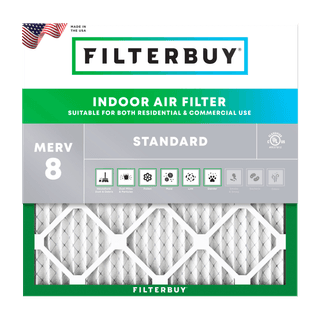
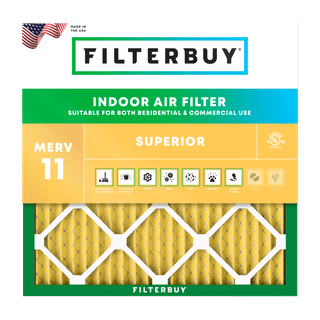
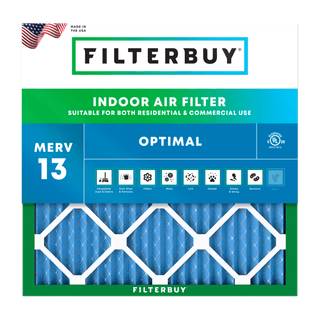
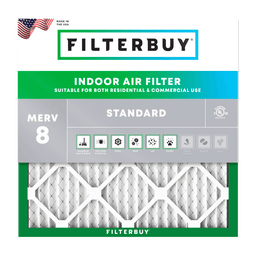
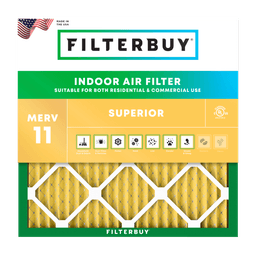
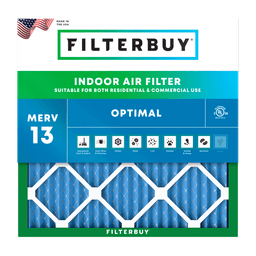
Shop MERV 11 filters→What's the Right Filter for Your AQI Level?

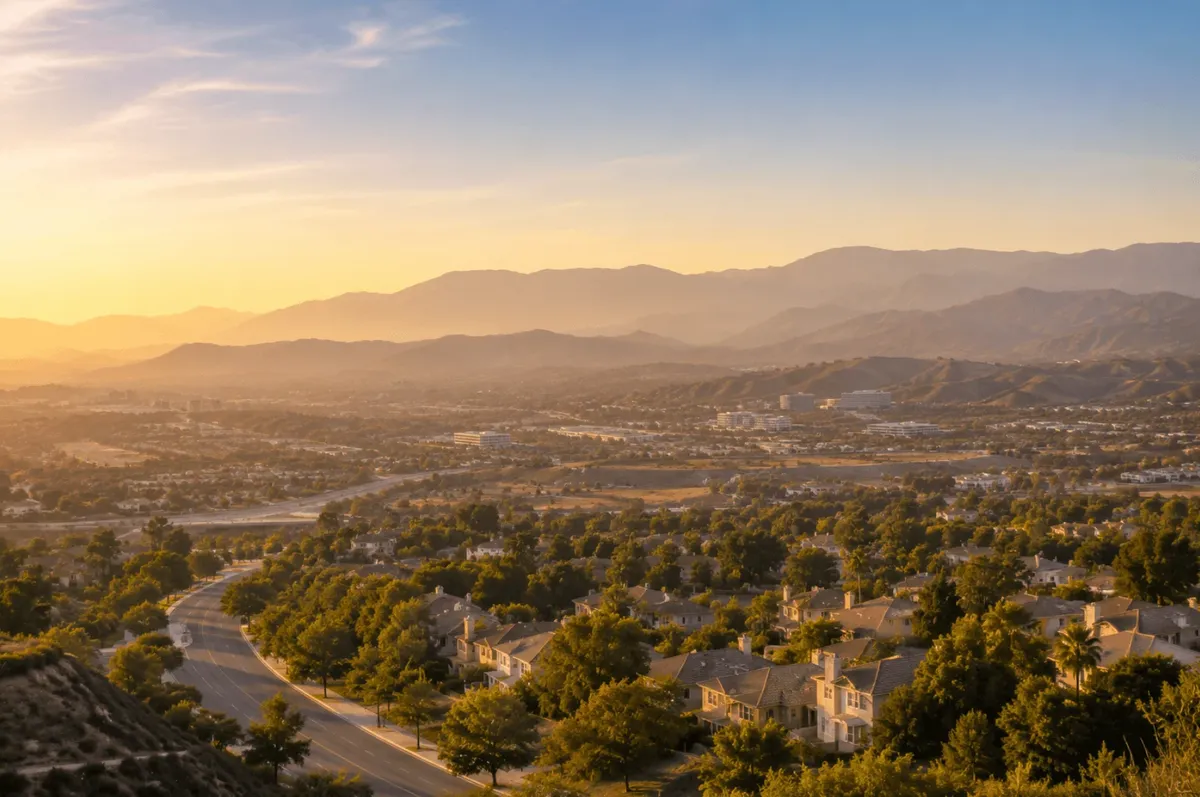
Check Today's Live Real Time Air Quality Index AQI Map in Santa Clarita, CA Now
By Michelle Wan, Brand Manager & Air Quality Writer, Filterbuy · Technically reviewed by David Clark, Licensed HVAC Technician · Published July 23, 2026 · Updated July 23, 2026
The live air quality index (AQI) map below shows real-time air quality in Santa Clarita, CA right now. Find your neighborhood on the map to see the current AQI number and color, from Good (green) to Hazardous (maroon). The reading updates throughout the day using data from the South Coast Air Quality Management District (South Coast AQMD), AirNow, and the California Air Resources Board. Filterbuy built this page to turn that live reading into clear, practical steps for the air inside your home.
TL;DR
Santa Clarita's air quality changes hour to hour and season to season. Summer heat drives up ozone (smog), and wildfire season sends fine-particle pollution (PM2.5) spiking. Check the live AQI map above for the current number, then use the color guide and action steps below to decide whether it's safe to be active outdoors today.
Key Takeaways
Santa Clarita's live AQI comes from the South Coast AQMD, AirNow, and CARB, and changes throughout the day.
Santa Clarita has two main air quality problems: summertime ozone (smog) and wildfire smoke (PM2.5).
Ozone in Santa Clarita is worst on hot, sunny afternoons from late spring through early fall.
Wildfire smoke can push Santa Clarita's PM2.5 to unhealthy or worse within hours during fire season, roughly May through October.
An AQI at or above 101 (orange) means sensitive groups should limit outdoor exertion; 151+ (red) means everyone should.
Running your HVAC or a purifier with a clean, high-efficiency filter is one of the most effective ways to protect indoor air when outdoor AQI climbs.
What Is the Air Quality in Santa Clarita Today?
To see what the air quality in Santa Clarita is today, check the live AQI map above for your exact location. The AQI is a 0–500 scale that translates pollution levels into a single number and color. A lower number means cleaner air. Because Santa Clarita's conditions shift with heat, traffic, and wildfires, the number you see now may not match what it was this morning.
The U.S. Environmental Protection Agency (EPA) sets the AQI categories. Here is what each color means in Santa Clarita:
Why Does Santa Clarita's Air Quality Change So Much?
Santa Clarita's air quality swings widely because the valley faces two very different pollution problems, and its geography traps both. The Santa Clarita Valley sits inland in the South Coast Air Basin, the same basin as nearby Los Angeles, ringed by the San Gabriel and Santa Susana mountains and cut by the busy Interstate 5 and State Route 14 corridors. That combination of terrain, traffic, heat, and wildfire risk makes local air quality unusually variable.
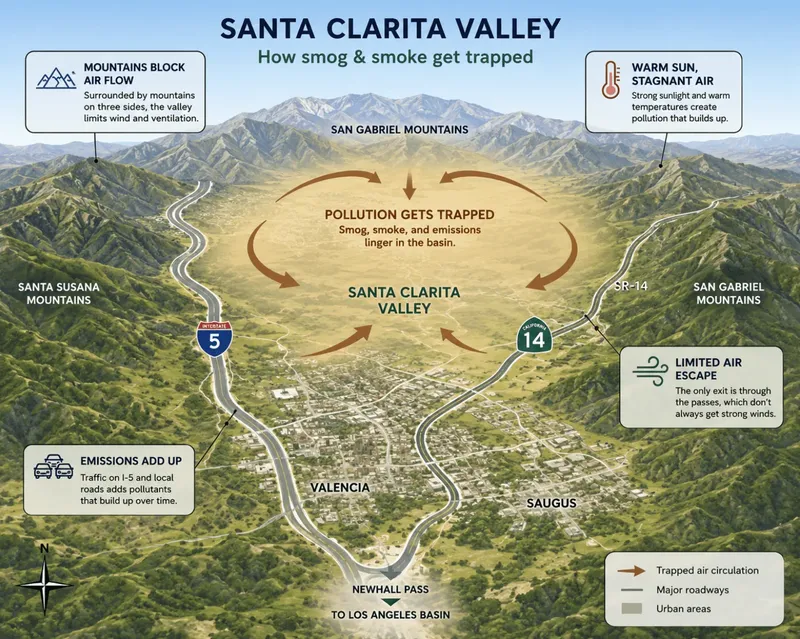
In summer, the problem is ozone, also called smog. Ozone forms when sunlight and heat cook the exhaust from vehicles and other sources into ground-level pollution. It peaks on hot, sunny afternoons and early evenings and builds up against the mountains that surround the valley. During Southern California heat waves, parts of the Santa Clarita Valley, including Newhall, Placerita Canyon, and Canyon Country, have registered some of the worst AQI readings in the entire South Coast region.
During wildfire season, the problem shifts to fine-particle pollution. Nearby fires such as the 2016 Sand Fire and the 2025 Canyon Fire near Castaic have blanketed the valley in smoke and ash, driving PM2.5 to unhealthy levels for days at a time. When heat and wildfire smoke arrive together, Santa Clarita can get hit by high ozone and high PM2.5 at once.
This “double exposure” is the pattern we track at Filterbuy, and in our experience it trips Santa Clarita homeowners up: people react to wildfire smoke because they can smell it, but the summer ozone that irritates lungs is invisible and odorless. That gap is exactly why the number on the live map matters more than a glance at the sky.
I watch Santa Clarita closely every fire season, and it’s one of the trickiest valleys we cover. The air can read clear at 8 a.m. and turn unhealthy by mid-afternoon. My rule for this valley is simple: check the number, not the sky.
Michelle Wan, Brand Manager & Air Quality Writer, Filterbuy
Why Your Santa Clarita Neighborhood Can Read Differently
Santa Clarita's AQI is not one number for the whole city. It varies across the valley. Canyon and inland neighborhoods such as Canyon Country, Newhall, and Placerita Canyon tend to trap ozone and smoke against the surrounding hills, and during past summer heat waves these areas have registered some of the valley's highest readings, at times reaching the “Very Unhealthy” tier. Valley-floor and western communities like Valencia and Stevenson Ranch can read lower on the very same afternoon. That is why the live map lets you search your exact neighborhood or ZIP code: check the reading where you actually are, not a citywide average.
Santa Clarita's Two Main Pollutants: Ozone and PM2.5
Santa Clarita's air quality is driven mainly by two pollutants: ground-level ozone and PM2.5. The live map above usually flags which one is behind today's number.
PM2.5 is the pollutant most worth watching for indoor protection. According to the U.S. EPA, these fine particles are small enough to travel deep into the lungs and enter the bloodstream, and they pass easily through leaky windows and low-grade filters. For the filter side of the story, see our guide to MERV 13 vs. HEPA for wildfire smoke.
When Is Santa Clarita's Air Worst? A Season-by-Season Guide
Santa Clarita's air problems follow a predictable yearly rhythm, and knowing which risk each season brings helps you plan outdoor time, filter changes, and travel. Here is what to expect through the year, a pattern we track locally each season.
Supporting Statistics: The Research Behind Santa Clarita's Air
Three figures from government and public-health research put Santa Clarita's air in context:
Worst ozone in the U.S.: 26 of the past 27 years. The Los Angeles metro (which includes Santa Clarita) tops the nation for ozone. Source: American Lung Association, State of the Air 2026.
Wildfire smoke = 25%+ of daily PM2.5. On the hardest-hit West Coast, smoke drove over a quarter of daily fine-particle pollution at ~40% of U.S. monitors (2007–2018). Source: U.S. National Library of Medicine (NIH).
High-efficiency filters cut indoor smoke ~4x. In smoke events, indoor particles rose only 13–18% with high-efficiency filters, versus 53–72% with low-grade ones. Source: Lawrence Berkeley National Laboratory (U.S. DOE).
What Should You Do When Santa Clarita's AQI Is High?
When Santa Clarita's AQI climbs into the orange range (101+) or higher, the safest move is to reduce outdoor exertion and clean up the air inside your home. Sensitive groups such as children, older adults, pregnant people, and anyone with asthma, COPD, or heart disease should act at lower AQI levels than healthy adults, because bad air quality can affect your health sooner. The higher the number, the more everyone should stay indoors.
Follow these steps on high-AQI days in Santa Clarita:
Check the live map first. Confirm the current AQI and which pollutant is driving it before planning outdoor time.
Limit outdoor exertion. Move workouts, sports, and yard work to early morning, when ozone is lowest, or indoors.
Close up the house. Keep windows and doors shut, especially during wildfire smoke. If your AC has a fresh-air intake, switch it to recirculate.
Run your HVAC or a purifier with a clean filter. Filtration is the single most effective way to lower indoor particle levels when the outdoor air is bad.
Upgrade to a filter that captures PM2.5. A MERV 13 filter traps a high share of fine wildfire-smoke particles that lower-rated filters miss.
For wildfire smoke and PM2.5, filter quality matters most. The South Coast AQMD specifically advises running your air conditioner with a clean, higher-efficiency filter during smoke events, and you can track incoming smoke on the AirNow Fire and Smoke Map. A MERV 13 air filter is designed to capture fine particles like smoke while still allowing good airflow through a typical home HVAC system; on moderate days, a MERV 11 filter is a lighter option. Because Santa Clarita smoke events can last for days, auto-delivery helps make sure you always have a fresh filter on hand before the next one hits.
The most common thing I find in Santa Clarita homes during a smoke event is a filter that was already overdue. The day smoke rolls in is the day to swap in a fresh one and set the system to ‘fan’ so it keeps pulling air through the filter. A clean MERV 13 does far more work than a clogged one.
David Clark, Licensed HVAC Technician, Filterbuy Technical Reviewer
How Is Santa Clarita's Air Quality Measured?
Santa Clarita's air quality is measured by a network of government monitors and sensors, then converted into the AQI you see on the live map. According to South Coast AQMD's monitoring network plan, the Santa Clarita air monitoring station has tracked local pollution since May 2001 and began measuring continuous PM2.5 in October 2008. It is one of the longest-running monitoring sites in Los Angeles County.
Filterbuy pulls the live readings on this page from three trusted government sources: the South Coast Air Quality Management District, which regulates air quality for 17 million people across Los Angeles, Orange, Riverside, and San Bernardino counties; AirNow, the U.S. EPA's national air quality service; and the California Air Resources Board. South Coast AQMD combines regulatory monitors, calibrated low-cost sensors, and forecast models to estimate AQI at more than 1,200 neighborhood-scale locations, which is why the map can show different readings across the valley.
7 Trusted Resources to Check Santa Clarita Air Quality Yourself
You do not have to rely on a single dial. These are the seven independent government resources we at Filterbuy point Santa Clarita homeowners to. Each one does one thing well. Bookmark them, check them before outdoor plans, and look again if the wind or weather shifts.
1. Check the Official AQI for Your ZIP Code: AirNow
AirNow is the U.S. EPA's official air quality service, showing the live AQI and main pollutant for any Santa Clarita ZIP code. Its built-in Fire and Smoke Map adds wildfire smoke plumes and PM2.5 readings during fire season.
2. Get Neighborhood Readings and Free Air Alerts: South Coast AQMD
The South Coast Air Quality Management District is the agency that regulates and forecasts air quality for the Santa Clarita Valley. Its interactive map reports AQI down to the neighborhood, and you can sign up for free alerts when local air turns unhealthy.
3. Prepare Your Home Before the Smoke Arrives: Smoke Ready California
Smoke Ready California, from the California Air Resources Board, walks you through sealing your home and building a clean-air room, and specifically recommends a MERV 13 or higher filter during smoke events.
4. See Which Fires Are Burning Near the Valley: CAL FIRE
CAL FIRE's incident tracker lists every active California wildfire of 10 acres or more, with acreage and containment. When Santa Clarita's PM2.5 spikes, it shows whether a nearby fire is the likely source.
5. Know the Moment an Alert Hits Santa Clarita: National Weather Service
The National Weather Service Los Angeles/Oxnard office issues the official air quality alerts that name the Santa Clarita Valley, and forecasts the Santa Ana winds and heat that drive local ozone and fire risk.
6. Follow Local Health Guidance During Smoke: LA County Public Health
The Los Angeles County Department of Public Health issues smoke advisories for the county that includes Santa Clarita and publishes step-by-step guidance for protecting your family when wildfire smoke moves in.
7. Understand What PM2.5 Does to Your Body: U.S. EPA
The U.S. EPA's Particulate Matter (PM) Basics page explains what PM2.5 is and why particles smaller than 2.5 microns reach deep into the lungs and bloodstream, the science behind Santa Clarita's wildfire-smoke risk.
Santa Clarita Air Quality FAQs
About the Author and Review
Michelle Wan is Filterbuy's Brand Manager and Air Quality Writer, where she turns the technical side of indoor air quality (MERV ratings, filtration, HVAC airflow) into plain-English advice for busy homeowners. She tracks live AQI and wildfire-smoke maps across Filterbuy's coverage areas through every fire season, and also appears in the brand's educational videos.
This article was reviewed for technical accuracy by David Clark, a Licensed HVAC Technician who inspects how filters and systems actually perform in homes during smoke and high-pollution events.
That hands-on perspective is the point. Filterbuy has manufactured air filters in the USA for over a decade and shipped millions directly to homeowners, and every fire season we hear the same questions from families across California. We keep the answer simple: check the number, seal the house, and run a clean filter, backed by 600+ standard sizes, custom filters, and fast, free shipping, factory-direct.
Clean air, without the hassle. When Santa Clarita's air turns, find the right MERV 13 filter for your system and set up auto-delivery so you're always ready.
Glossary
AQI (Air Quality Index): A 0–500 scale set by the U.S. EPA that converts pollution levels into a single number and color, from Good (green) to Hazardous (maroon).
Ozone (O₃): A gas that forms ground-level smog when heat and sunlight react with emissions; Santa Clarita's main summertime pollutant.
PM2.5: Fine particle pollution smaller than 2.5 microns, small enough to reach deep into the lungs; the main pollutant in wildfire smoke.
MERV 13: A filter efficiency rating; MERV 13 air filters capture a high share of fine particles like smoke while maintaining home HVAC airflow.
South Coast AQMD: The South Coast Air Quality Management District, the agency that monitors and regulates air quality across the Santa Clarita region.
AirNow: The U.S. EPA's national program that reports real-time AQI and air quality forecasts.
CARB: The California Air Resources Board, the state agency that oversees air quality and emissions.
Sensitive groups: Children, older adults, pregnant people, and anyone with asthma, COPD, or heart disease, who feel air pollution effects at lower AQI levels.
Sources: All live data and health guidance on this page come from the independent government resources listed above: South Coast AQMD, AirNow (U.S. EPA), California Air Resources Board, CAL FIRE, the National Weather Service, LA County Public Health, and the U.S. EPA.
Air quality data on this page is provided for informational purposes and is not medical advice. If you have a health condition, follow the guidance of your doctor and local health authorities.