
Los Angeles Real-Time AQI Tracker


Get Alerts For Unhealthy AQI In Your Area
When air quality in your area reaches unhealthy levels, we'll send you a quick alert, along with expert tips on how to reduce your exposure.
What's Actually In Los Angeles Air Today?
What High AQI Means for Your Lungs in Los Angeles
How to Read AQI
The Air Quality Index (AQI) measures how polluted the air is and how it may affect your health.
0–50 (Good): Air quality is satisfactory.
51–100 (Moderate): Acceptable, but some pollutants may pose minor concerns.
101–150 (Unhealthy for Sensitive Groups)
151–200 (Unhealthy)
201–300 (Very Unhealthy)
301+ (Hazardous)
Moderate
Still okay for most, but if you have asthma or allergies, take it easy and avoid long outdoor workouts.
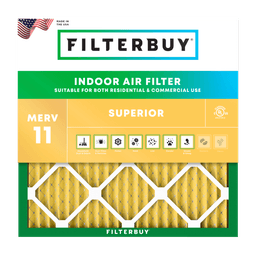
Shop MERV 11 filters→What's the Right Filter for Your AQI Level?


Check Today's Live Real Time Air Quality Index AQI Map in Los Angeles Now
The live air quality index (AQI) map for Los Angeles shows the current outdoor air conditions where you live. It helps you see when the air is cleaner and when it makes sense to be more careful with time outside or open windows.
What Is The Air Quality Index (AQI)?
The Air Quality Index is a 0–500 scale that shows how clean or polluted the outdoor air is and how it may affect health.
It is based on major pollutants such as:
Fine particles (PM2.5)
Coarse particles (PM10)
Ground-level ozone
Carbon monoxide
Sulfur dioxide
Nitrogen dioxide
Most AQI maps, including the current air quality index AQI map for Los Angeles, group the numbers into basic bands such as “Good,” “Moderate,” and several “Unhealthy” levels.
Green and yellow usually mean the air is acceptable for most people, while orange and red warn that children, older adults, pregnant people, and those with heart or lung disease should limit outdoor activity.
Purple and maroon mean the air is very unhealthy or hazardous, so it is usually best to stay indoors when you can.
On a live air quality index AQI map, these colors appear over each city or neighborhood to show the current conditions.
Why AQI Matters In Los Angeles
Los Angeles often has higher pollution levels because of traffic, industry, and wildfire smoke. When fine particles and ozone rise, people may notice eye or throat irritation, coughing, or shortness of breath, and it can be harder on anyone with asthma, COPD, or heart problems. Checking an air quality index AQI map for Los Angeles today helps you decide when to limit time outside or keep windows closed.
How To Use A Live AQI Map For Los Angeles
A live air quality index AQI map now for Los Angeles will usually show:
Overall AQI number and color for your area
Main pollutant (often PM2.5 or ozone)
Short health message (for example “Unhealthy for Sensitive Groups”)
To use a trusted live air quality index AQI map:
Search for Los Angeles or your ZIP code.
Note the current AQI number and color.
Check which pollutant is driving the AQI, such as PM2.5 or ozone.
Read the health advice for that category before planning outdoor.
Repeat this during the day if there are fires, strong winds, or a heat wave, since the AQI can rise or fall in a few hours.
Simple Steps To Protect Indoor Air In Los Angeles
On days when the air quality index AQI map today shows higher pollution levels in Los Angeles:
Close windows and doors facing busy roads or visible smoke.
Set your HVAC fan to “On” or “Circulate.” This keeps air moving through your filter more often.
Use “recirculate” mode in your car to reduce outdoor pollution while driving.
Avoid burning candles, incense, or smoking indoors, which adds more particles to indoor air.
Run a certified HEPA air purifier in the bedroom or main living area, if possible, especially during wildfire smoke events.
The right HVAC filter can support these efforts by capturing more airborne particles each time air passes through your system.
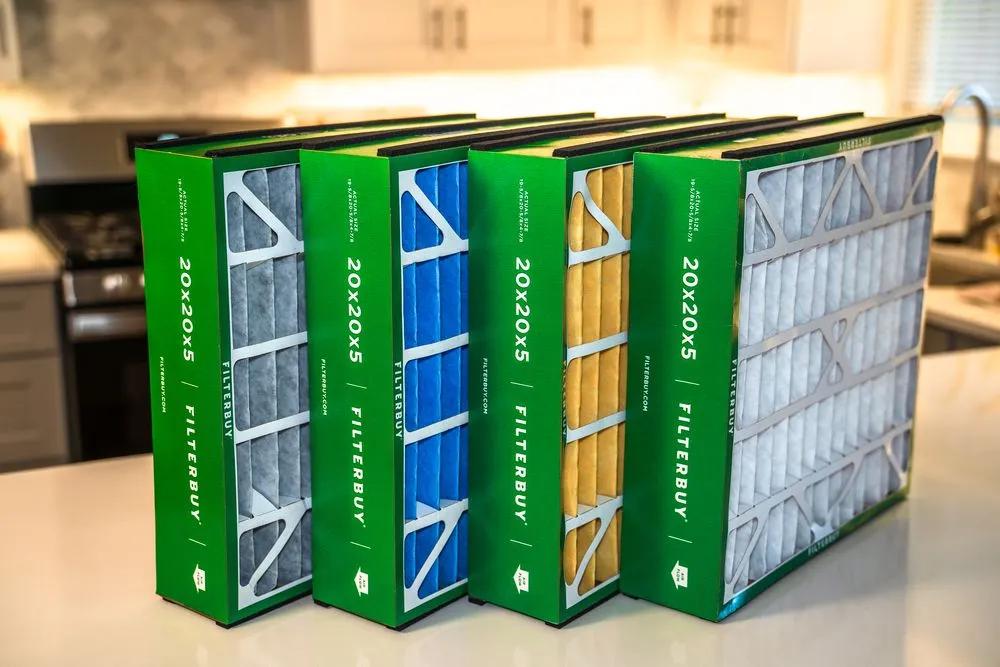
MERV 8, 11, And 13 Filters: Which Is Right For Los Angeles?
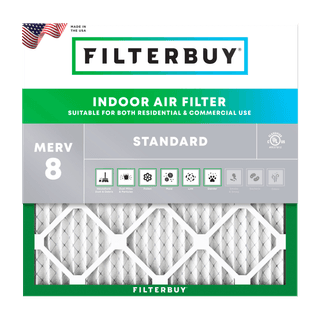
A MERV 8 filter is a solid choice for standard residential use:
Captures common particles such as dust, lint, and larger pollen
Helps protect your HVAC system from buildup
Offers good airflow in most systems
Choose MERV 8 if you have no major allergy or respiratory issues and want reliable, cost-effective filtration.
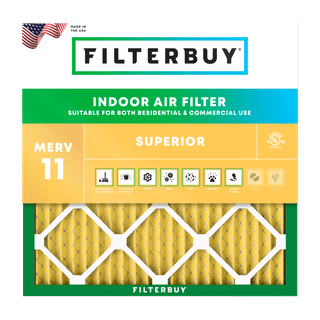
A MERV 11 filter offers finer filtration:
Captures a higher percentage of smaller particles such as pet dander and many mold spores
Provides stronger support for families with mild to moderate allergies
Still a common choice for residential systems when sized correctly
Choose MERV 11 if you live with pets, have seasonal allergies, or want more protection from urban pollution while maintaining good airflow.
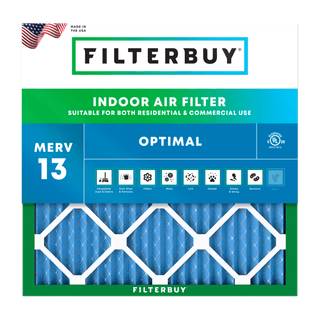
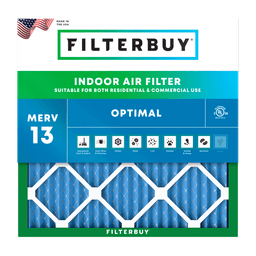
A MERV 13 filter is designed for even finer particles:
Captures a high percentage of particles in the 1–3 micron range, including many bacteria, fine dust, and smoke-related particles
Often recommended in guidance for improving protection from wildfire smoke and certain airborne infectious aerosols, when the HVAC system can support it
Filterbuy describes its MERV 13 options as optimal for smoke, smog, and advanced allergy defense
Choose MERV 13 if your system is rated for it and you are concerned about wildfire smoke, smog, or higher-risk health conditions. Always check your HVAC manual or consult a professional before moving up to a higher MERV rating, since higher resistance can affect some systems.
Order Filters From Filterbuy!
Filterbuy makes high-quality pleated air filters that support cleaner indoor air and steady HVAC performance.
Key reasons to choose Filterbuy for Los Angeles homes:
Made in the USA with American-made components
Wide range of sizes, plus many custom options for a better fit
Pleated synthetic media that captures more particles than basic fiberglass while allowing good airflow
Up to 90-day life in typical residential use
Fast, free shipping in the continental U.S., with simple filter subscription options
By choosing the right MERV 8, 11, or 13 Filterbuy filter and checking the live air quality index AQI map for Los Angeles, you can better manage outdoor pollution and keep indoor air cleaner.
Frequently Asked Questions
1. How often should I check the AQI in Los Angeles?
Check the live air quality index AQI map at least once a day if you plan to spend time outside, exercise, or have health issues like asthma or heart disease. On hot, smoky, or windy days, it helps to recheck the map a few times, since conditions can change.
2. What AQI level is usually OK for most people?
An AQI from 0–100 (green or yellow) is generally acceptable for most people. Sensitive groups, such as those with asthma, COPD, or heart problems, may want to be more careful when the AQI moves into the upper part of the “Moderate” range.
3. When should people with asthma or lung problems be more careful?
When the current air quality index AQI map shows 101 or higher (orange or above), people with asthma, COPD, or other lung conditions should shorten outdoor activity and move exercise indoors. If symptoms start or worsen, they should follow their doctor’s action plan.
4. Should I open my windows if the AQI is high?
If the air quality index AQI map now shows an orange, red, purple, or maroon level, it is usually better to keep windows and outside doors closed. This helps keep some of the outdoor pollution from coming inside.
5. Can indoor air filters help when outdoor AQI is high?
Yes. Running your HVAC system with a quality filter and keeping it on “On” or “Circulate” can help reduce particles indoors. For many homes, using a suitable MERV 8, 11, or 13 filter is one part of managing indoor air when outdoor AQI is higher.