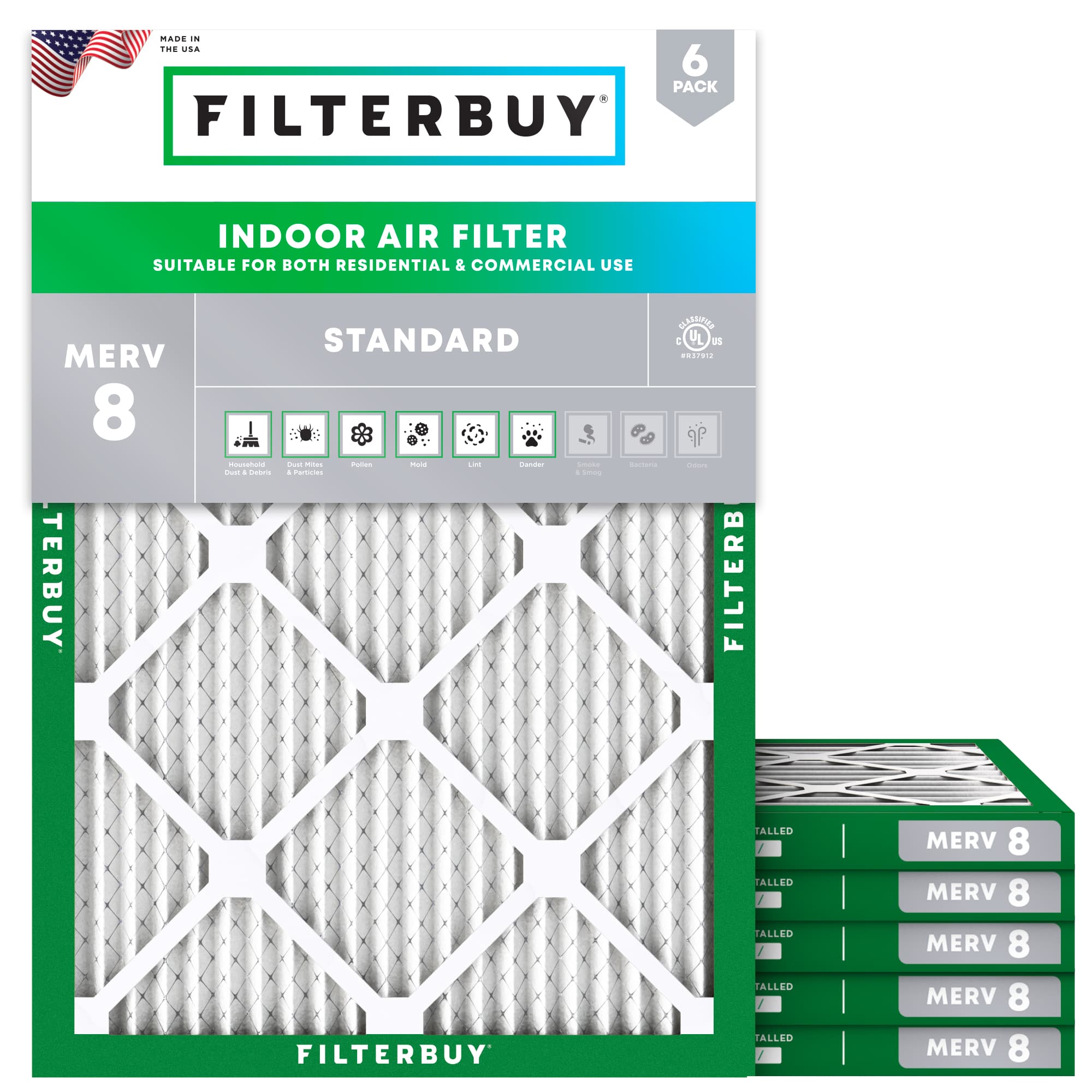
Actual Size: 17.5x24.5x0.75
 Free Delivery
  Factory-Direct Low Prices, Made in the USA
 Hassle-Free Returns & Free Exchanges
RESIDENTIAL AND/OR COMMERCIAL USE
Change Every 3 Months
Actual Size: 17.5x24.5x0.75
Free Delivery Factory-Direct Low Prices, Made in the USAHassle-Free Returns & Free ExchangesRESIDENTIAL AND/OR COMMERCIAL USE
Change Every 3 Months
Actual Size: 17.5x24.5x0.75
Free Delivery Factory-Direct Low Prices, Made in the USAHassle-Free Returns & Free ExchangesRESIDENTIAL AND/OR COMMERCIAL USE
Change Every 3 Months
At Filterbuy, we don't cut corners—we craft high-quality air filters right here in the USA and ship them to your doorstep for free. No delays, no gimmicks—just clean air, made easy. With thousands of five-star reviews and filters built for real life & every HVAC system, it's no wonder why over 4 million families trust Filterbuy.

Proudly Made In The USA

Fast, Free Shipping on Every Order

Premium Materials That Go The Distance

85,000+ 5-Star Reviews From Happy Customers

Save Up to 70% Per Filter with Packs


Measure length × width × depth with a tape measure to find the actual size.

Round up each dimension to the nearest whole number to get the nominal size. Example: 17.5x24.5x0.75 in → 18x25x1 nominal.

Search by nominal size on our site for the best fit.


If the filter you buy doesn't fit, we'll send you a better size.
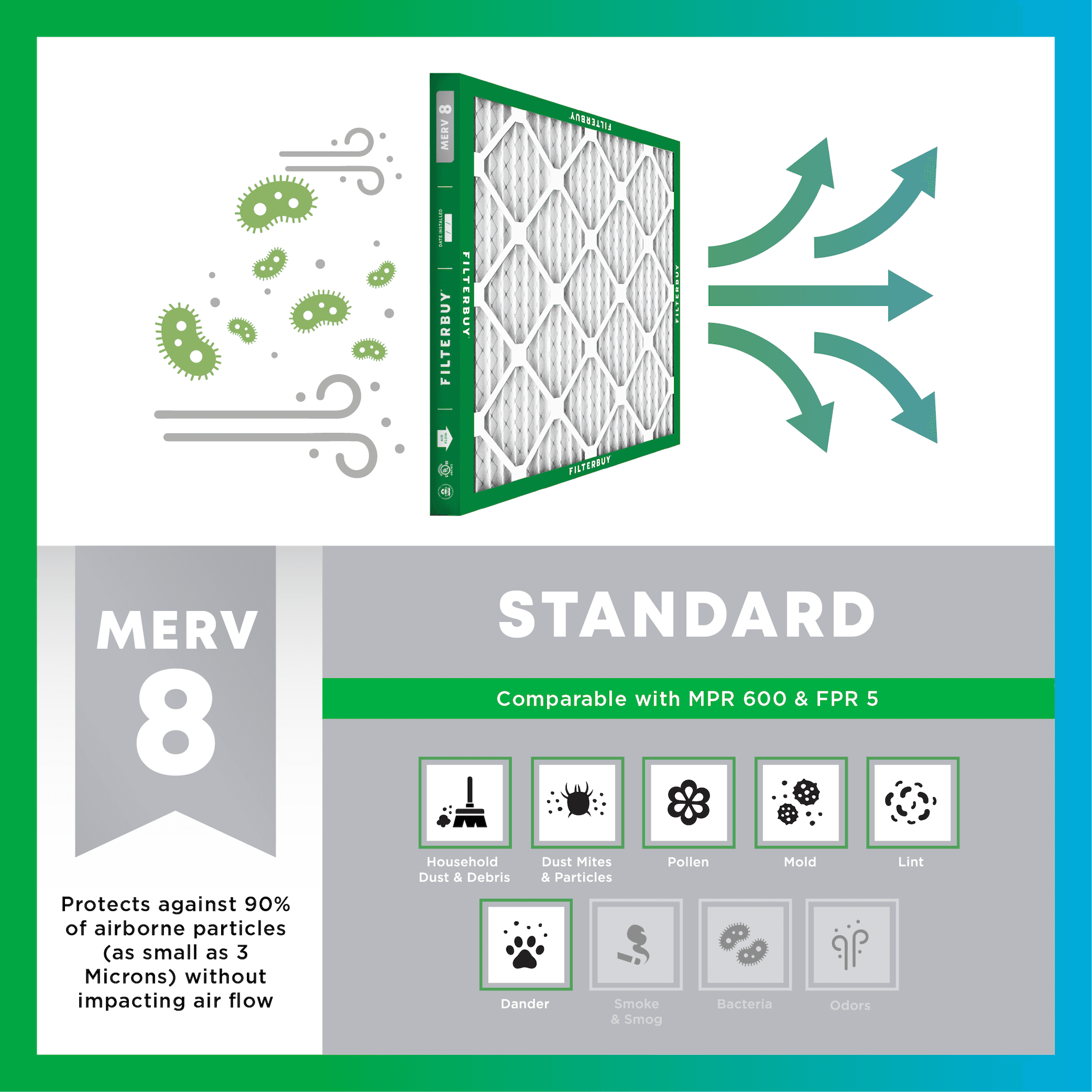
MERV stands for Minimum Efficiency Reporting Value—but don't let the technical name fool you. It's just a way to rate how well an air filter traps stuff like dust, pollen, pet dander, and smoke. The higher the MERV number, the more particles it catches—and the cleaner your air will be.

Comparable to:FPR: 4-7
MPR: 600-1000
 Dust & Debris
 Dust Mites & Particles
 Pollen
 Mold
Mold Lint
Lint Dander
Comparable to:FPR: 6-9
MPR: 1200-1550
Dust & DebrisDust Mites & ParticlesPollenMoldLintDander Smoke & Smog
Comparable to:FPR: 10
MPR: 1900-2800
Dust & DebrisDust Mites & ParticlesPollenMoldLintDanderSmoke & Smog Bacteria


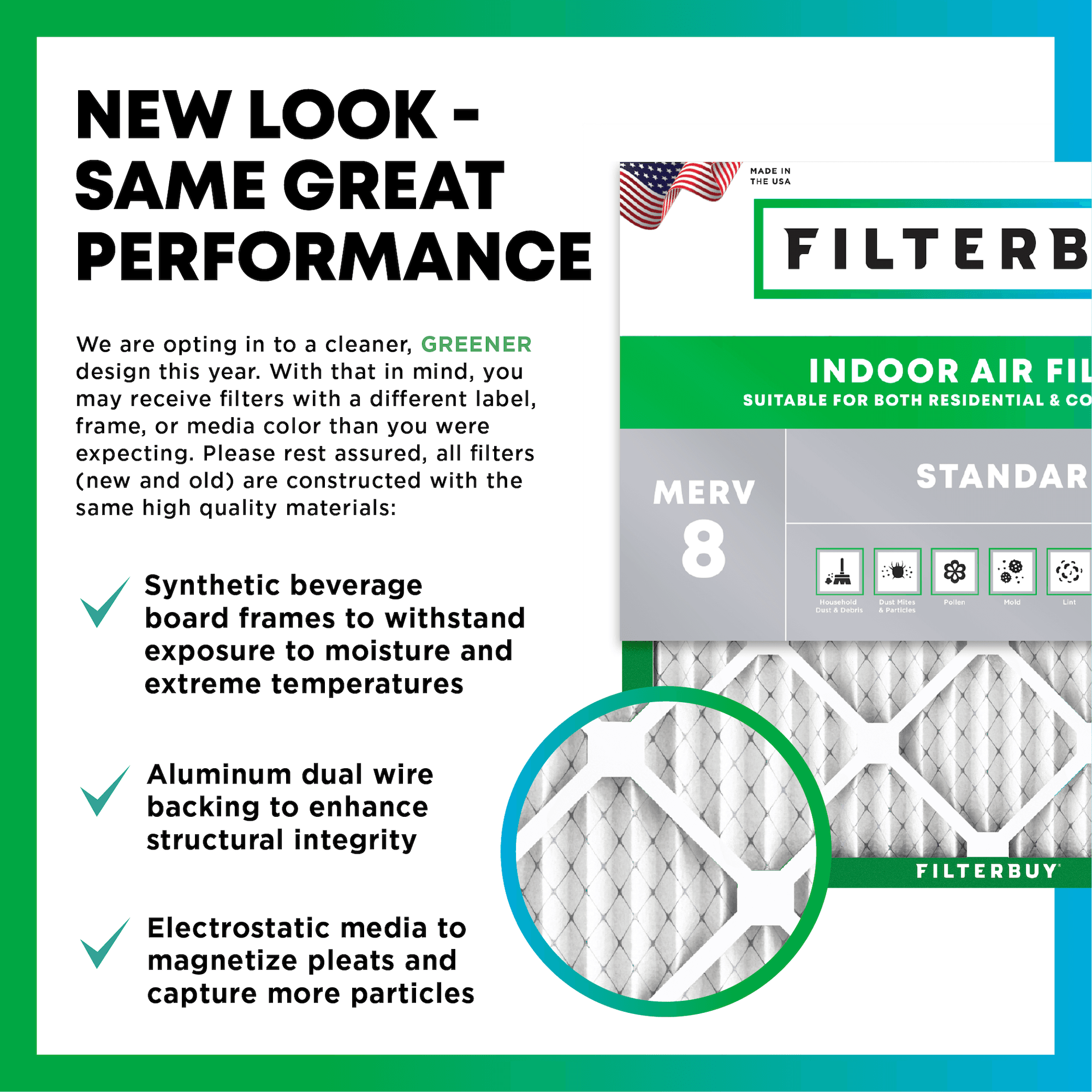
We build every Filterbuy filter to deliver reliable 90-day performance—thanks to smart design and premium materials that do the heavy lifting. Here's what makes the difference:
More pleats = more surface area to capture dust and debris, keeping your air cleaner longer.
Pleats are magnetized to attract and trap microscopic particles—like pet dander, pollen, and smoke.
Engineered to resist warping in extreme temperatures and high humidity.

A layer of metal reinforcement keeps pleats evenly spaced and structurally sound—no sagging, even at high airflow.
Assembled with care. Built to perform. Ships fast, free, and reliably from our U.S. facilities.

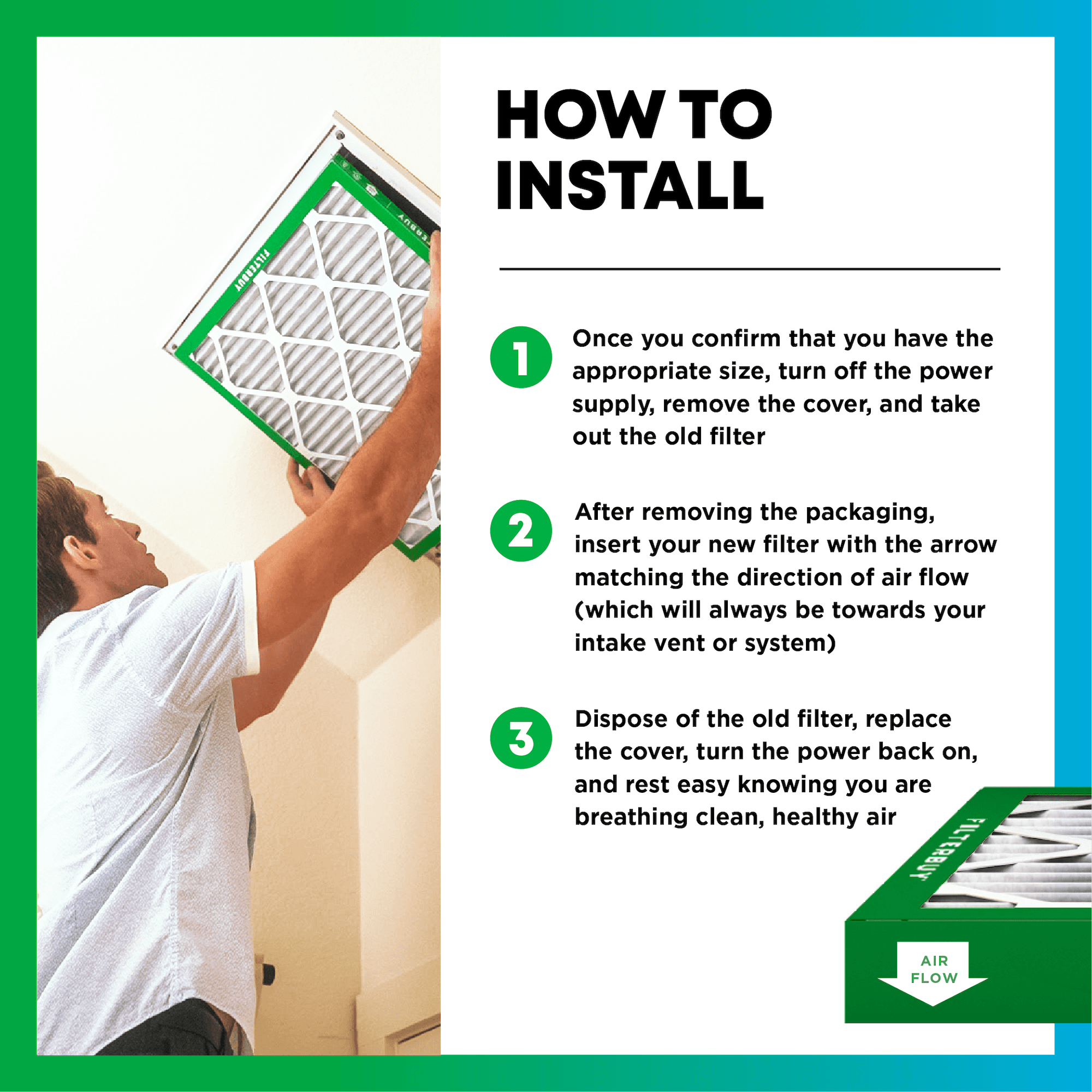
Turn Off Your HVAC SystemSafety first.

Remove The Old FilterLook for the airflow arrow and make note of the direction.

Slide In Your New FilterArrow should point toward the system (same direction as before).

Turn Your System Back OnAnd enjoy the fresh, clean air.

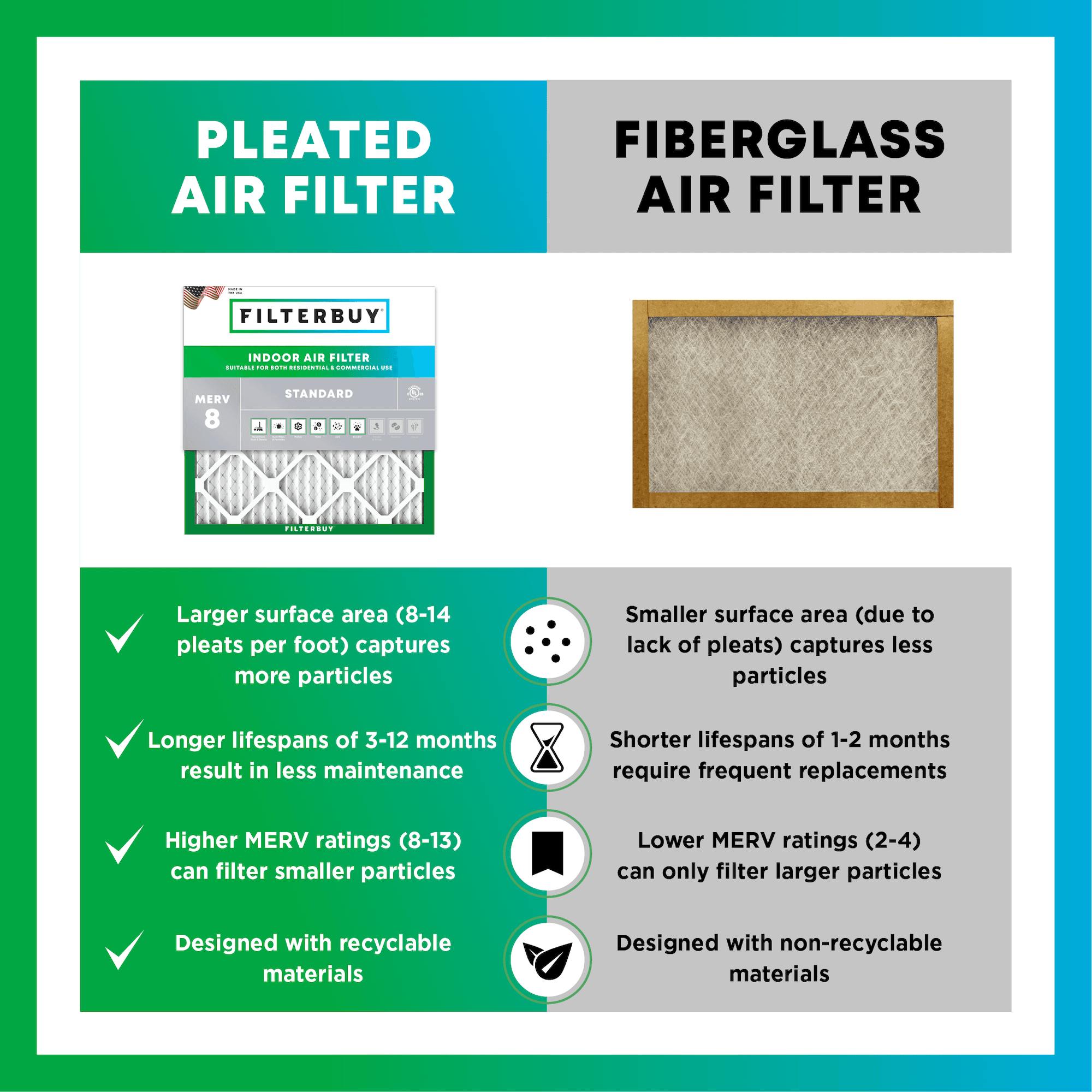
Not all air filters are created equal. Pleated filters don't just last longer—they actually clean your air better. Here's how they stack up:

Efficiency:
High (MERV 8–13) – Traps more particles
Lifespan:
90 days – Long-lasting performance
Air Quality:
Excellent – Cleaner, healthier air
Materials:
Recyclable and durable

Efficiency:
Low (MERV 4 or less) – Misses small stuff
Lifespan:
30 days or less – Replace often
Air Quality:
Minimal – Basic protection only
Materials:
Thin, flimsy, and not recyclable
Pleated filters are a no-brainer—more protection, less hassle, and better air for your home.
Changing your filter on time keeps your HVAC system running efficiently—and helps protect your lungs from dust, allergens, and airborne irritants. Here's how often to swap it out based on your needs:

For most homes without pets or special air quality concerns. Great for general upkeep and energy efficiency.

Shedding fur, dander, and allergy triggers can build up fast. Changing your filter every two months helps keep the air fresher and symptoms at bay.

For households affected by smoke, pollution, or respiratory conditions, monthly changes ensure maximum protection.

| Nominal Size | 18 x 25 x 1 inches |
| Actual Size | 17.5 x 24.5 x 0.75 inches |
| Filter Type | Pleated |
| Media | Electrostatically Charged |
| Frame | Beverage Board |
| MERV Ratings Available | 8, 11, 13 |
| Lifespan | Up to 90 Days |
| Origin | Made in USA |
When allergy or pollen season rolls in, we see the same story unfold in homes nationwide: families slide in a basic 18×25×1 filter and hope it will keep sneezing, itchy eyes, and congestion at bay—only to find that symptoms still flare indoors. After manufacturing millions of filters right here in the U.S. and studying how they actually perform during peak allergen months, we’ve uncovered a crucial insight: not all 18×25×1 air filters behave the same when pollen levels surge.
Based on what we observe in our production labs and through real-world customer testing, standard filters often hit their limit much sooner than homeowners expect. Microscopic pollen grains slip through loose fiber structures, filters saturate faster than expected, and even small changes in airflow can unintentionally make indoor air quality worse instead of better.
This guide breaks down what truly works—built from years of hands-on filtration data, seasonal performance trends, and feedback from millions of customers. You’ll learn which upgrades make the biggest difference during high-allergen months, how to choose a filter that maintains healthy airflow while trapping the particles that trigger symptoms, and the specific design features we’ve found most effective during heavy pollen cycles.
Quick Answers
18×25×1 Air Filter
An 18×25×1 air filter is a common HVAC filter size designed to trap dust, pollen, pet dander, and airborne allergens.
For allergy or pollen season, choose MERV 11–13 for noticeably cleaner, more comfortable air—based on what we consistently see in our lab and customer homes.
Replace it every 30–60 days, or check monthly during heavy pollen periods.
Always match the exact size printed on your current filter; even small size differences can impact fit and airflow.
Upgrading your 18×25×1 filter is one of the quickest, most effective ways to ease allergy symptoms at home. Even a small change in filtration quality can make a big difference during peak pollen months.
MERV 11–13 filters capture significantly more pollen, dust, and fine airborne particles than standard options. Our testing shows these higher-efficiency filters trap the microscopic irritants most likely to trigger symptoms.
Basic filters clog rapidly when pollen levels surge, which reduces airflow and weakens your system’s ability to clean the air. Many homeowners don’t realize their filter is overwhelmed long before the season ends.
Consistent habits amplify your results. Pairing the right filter with simple routines—like managing indoor humidity, regular cleaning, and timely filter replacements—keeps your home’s air cleaner and more comfortable.
FilterBuy’s lab and field testing confirm that the right filter upgrade delivers measurably cleaner, noticeably more comfortable indoor air during allergy season. The difference is something families feel almost immediately.
Most homeowners don’t realize how much their air filter does—especially during allergy and pollen season. Your filter isn’t just a thin sheet that catches dust; it’s your home’s first line of defense against the microscopic allergens floating invisibly through the air. Choosing a higher-efficiency 18×25×1 filter is one of the simplest, most impactful steps you can take to protect your family’s comfort and health.
After manufacturing millions of filters and studying how they perform in real homes, we’ve learned that filter efficiency varies widely. Some filters trap only the larger debris, while others are engineered to capture the fine pollen, dust mite fragments, and pet dander that drive allergy symptoms. For allergy sufferers, this difference is everything.
And even the best filter can only do its job if it’s replaced consistently. A clean filter supports smoother airflow, more efficient HVAC performance, and cleaner indoor air—exactly when your household needs it most.
When choosing an 18×25×1 filter, a few essential features determine how well it will protect your home’s air:
✔ Filter Material
Look for high-quality pleated media—engineered to capture far smaller particles than basic fiberglass. These dense, structured fibers significantly improve performance during allergy season without overburdening your HVAC system.
✔ Filter Lifespan
Most 18×25×1 filters last 1–3 months, depending on usage and allergen levels. Longer-lasting filters reduce the frequency of replacements, but airflow and performance should always guide your decision.
✔ MERV Rating
The Minimum Efficiency Reporting Value (MERV) tells you how well a filter traps airborne particles. During heavy pollen periods, MERV 11–13 provides the best balance of airflow and allergen capture for most homes.
Not all filters respond the same when allergen levels spike. Here’s what our testing and real-world data show:
HEPA Filters
HEPA filters capture 99.97% of particles down to 0.3 microns—including pollen, dust mites, pet dander, and smoke. They’re exceptionally effective but often too restrictive for standard residential HVAC systems unless specifically designed for HEPA integration.
MERV-Rated Filters
For most homes, MERV 11–13 pleated filters strike the perfect balance:
Strong allergen capture
Stable airflow
Reliable performance during peak pollen season
These filters trap significantly more fine particles than MERV 8 or basic fiberglass.
Fiberglass & Basic Filters
While inexpensive, fiberglass filters provide minimal protection and often allow allergens to pass straight through. They are typically not suitable for families managing allergies.
Upgrading to a pleated, higher-efficiency filter is one of the most cost-effective ways to noticeably improve indoor air quality.
During peak allergy season, your filter works overtime. Staying proactive helps your home maintain cleaner, more comfortable air.
Check Monthly: Inspect your 18×25×1 filter every 30 days when pollen levels are high. If it looks dirty or shows signs of saturation, replace it immediately.
Replace Every 1–3 Months: Heavy allergen loads may require more frequent changes. Homes with pets, nearby construction, or severe allergies may need to replace filters even sooner.
Keep the Surrounding Area Clean: Dust and debris around your HVAC intake can restrict airflow and reduce efficiency.
Monitor Air Quality: If you notice increased dust, allergy flare-ups, or reduced airflow, your filter may need an early replacement.
These simple steps help your HVAC system operate smoothly while maintaining healthier air throughout your home.
A great filter is the foundation—but a holistic strategy makes an even bigger difference. Pair your filter with these proven approaches:
HEPA Air Purifiers
Standalone HEPA purifiers clean the air between filter changes, especially in bedrooms or high-traffic living spaces.
Humidity Control
Keep indoor humidity between 30–50%. Proper moisture levels help slow mold growth and reduce dust mites—two major allergy triggers.
Regular Cleaning
Vacuum with a HEPA-equipped vacuum, dust with microfiber cloths, and wash bedding and curtains frequently to remove settled allergens.
Together, these habits support your filter’s performance and help your family breathe easier all season long.
1. EPA Indoor Air Quality Guide — Know What’s Moving Through Your Home’s Air
Before you can fix an air problem, you need to see it clearly. The EPA breaks down the invisible pollutants that drift through indoor spaces and impact your family’s health every day. It’s a smart starting point for anyone wanting to understand why filtration truly matters. URL: https://www.epa.gov/indoor-air-quality-iaq
2. ASHRAE Filtration Standards — Understand the Science Behind MERV Ratings
MERV ratings aren’t marketing—they’re engineering. ASHRAE, the organization that created the MERV scale, explains how different filter efficiencies capture particles of varying sizes. This resource helps you choose a filter built for your home’s real-world air challenges. URL: https://www.ashrae.org/technical-resources/filtration-and-air-cleaning
3. Energy Star HVAC Maintenance — Protect Your System While You Protect Your Air
A filter does more than capture allergens—it supports the entire HVAC system that keeps your home comfortable. Energy Star shows how filters influence airflow and energy use, helping you balance cleaner air with efficient system performance. URL: https://www.energystar.gov/products/heating_cooling
4. CDC Allergens & Pollen Guidance — Learn What Triggers Seasonal Symptoms
Seasonal allergies don’t start indoors, but they certainly follow you inside. The CDC’s guidance on pollen and allergens helps you understand when spikes occur and how they affect your family. Pair this knowledge with the right filter, and you can stay ahead of symptom season. URL: https://www.cdc.gov/climate-health/php/effects/allergens-and-pollen.html
5. AHRI HVAC System Standards — Make Sure Your Filter Works With Your System, Not Against It
Not every filter fits every system—and AHRI makes that clear. Their compatibility standards help homeowners choose a filter that keeps airflow steady and equipment protected. It’s an essential step for ensuring your 18×25×1 filter upgrade performs exactly as it should. URL: https://www.ahrinet.org
6. Consumer Reports Filter Reviews — See How Filters Perform in the Real World
Independent testing cuts through confusion. Consumer Reports compares different filter types and brands to show which ones actually trap the particles they claim to. It’s a reliable way to separate high performers from “good enough” options. URL: https://www.consumerreports.org/home-air-filters/
7. Filterbuy 18×25×1 Filter Guide — Get Manufacturer-Tested Insight Built for Your Home
Our 18×25×1 resource brings together everything we’ve learned from manufacturing millions of filters a year—performance data, airflow insights, MERV comparisons, and real-world recommendations based on how filters behave during heavy pollen cycles. It’s the most direct path to choosing the right protection for your family. URL: https://www.filterbuy.com/air-filters/18x25x1/
“After manufacturing and testing millions of filters through some of the heaviest pollen seasons on record, we’ve learned that the right 18×25×1 filter doesn’t just clean your air—it transforms the way your home feels. When you upgrade to a higher-MERV option and stay consistent with replacements, you’re relying on the same airflow and filtration principles we use in our own American manufacturing labs every day, which is why this upgrade isn’t just a suggestion—it’s a proven way to help your family breathe easier when it matters most.”
Backed by National Research + Filterbuy’s Real-World Insights
1. Indoor air can contain 2–5× more pollutants than outdoor air. Source: EPA – Indoor Air Quality Most Americans spend nearly 90% of their time indoors, which means whatever enters your home—from pollen to dust mites—tends to stay there unless your filter can capture it. In our own production labs, we consistently see standard 18×25×1 filters saturate quickly as outdoor pollen levels rise. This mirrors what homeowners experience nationwide: without a higher-efficiency filter, pollen is pulled indoors fast and lingers long after peak season hits.
2. More than 60 million Americans experience pollen-triggered allergic rhinitis each year. Source: CDC – Allergens & Pollen During the worst allergy months, we see a sharp increase in requests for MERV 11–13 replacements. Customers routinely report fewer symptoms only after upgrading—directly aligning with CDC findings that small airborne particles are the primary drivers of allergy flare-ups. Basic filters simply can’t capture enough of these microscopic irritants to provide meaningful relief.
3. U.S. pollen levels have increased by up to 21% from 1990–2018. Source: HHS – Climate & Health Outlook: Pollen Pollen seasons are starting earlier, lasting longer, and hitting harder in many regions. As these trends continue, higher-density pleated media and high-MERV filters consistently outperform older, basic options in our testing. These advanced designs maintain airflow and capture efficiency far better under today’s heavier pollen loads—something legacy fiberglass filters were never built to handle.
Upgrading your 18×25×1 air filter during allergy or pollen season is one of the simplest, most reliable ways to protect your family’s indoor air. After manufacturing and testing millions of filters through some of the toughest allergy seasons on record, we’ve seen just how dramatically the right upgrade can change the way your home feels.
What Our Testing Shows
Basic filters saturate quickly when outdoor pollen surges.
Higher-efficiency filters maintain stronger airflow while capturing the fine, symptom-triggering particles most homeowners never see.
Indoor pollen builds up faster than many families realize, especially when windows open or HVAC systems run more often.
Our Expert Insight
Drawing from years of real-world performance data:
Filters that were once considered “good enough” simply can’t keep up with today’s rising pollen levels.
Choosing the right MERV rating makes a noticeable difference in indoor comfort during peak allergy months.
A consistent replacement schedule is just as important as selecting the right filter—airflow and capture efficiency depend on it.
Our Recommendation
To stay ahead of modern pollen trends and keep your indoor air healthier:
Choose a filter designed for today’s air challenges, not yesterday’s standards.
Pair a higher-MERV filter with smart habits like humidity control, routine cleaning, and checking your filter monthly.
Replace your filter regularly to keep your HVAC system performing at its best and your air as clean as possible.
1. Choose the Right MERV Level
For allergy or pollen season, we strongly recommend MERV 11–13. These higher-efficiency filters are engineered to capture far more pollen, pet dander, and fine particles than basic options—exactly what matters most when symptoms spike.
2. Confirm HVAC Compatibility
Check your system manual or airflow specifications to ensure your home’s HVAC can support a higher-MERV filter. When in doubt, refer to ASHRAE or AHRI guidelines; they’re the same airflow standards we use when designing our filters to protect system performance.
3. Replace Your Current Filter
If your existing filter is dirty—or it’s been in place for 30 days or more—swap in your new 18×25×1 immediately. During heavy pollen months, recheck every month to maintain airflow and peak filtration.
4. Strengthen Your Indoor Air Strategy
A great filter is the foundation, but a few smart habits amplify the results:
Use a HEPA air purifier in high-traffic rooms.
Keep indoor humidity between 30–50% to limit allergens like mold and dust mites.
Vacuum and dust frequently to remove particles your HVAC hasn’t captured yet.
5. Explore FilterBuy’s 18×25×1 Options
Compare our different MERV levels, airflow designs, and lifespans to choose the filter engineered for your family’s needs. Each option is backed by our American manufacturing experience and real-world testing—so you can feel confident you’re protecting your home’s air.
A:
Replace every 30–60 days.
During pollen season, check monthly.
Filters saturate faster based on what we see in customer homes.
A:
Choose MERV 11–13.
These levels balance airflow and allergen capture.
Proven effective in our lab and field testing.
A:
Most systems handle MERV 11–13 without issues.
Airflow problems usually occur only with old or clogged filters.
Modern HVAC designs support higher-efficiency media.
A:
Pollen
Dust
Pet dander
Mold spores
Smaller airborne allergens (with MERV 13)
Based on results we see consistently in performance testing.
A:
Check the size printed on your current filter.
Match dimensions exactly—HVAC systems are precise.
Even small size differences can cause fit issues.

