
17x20x1 Air Filters
Actual Size: 16.5x19.5x0.75

3 month filters
2. Select Quantity
Buying multiple sizes?


Made in the USA
Ships in 24 hours
17x20x1 Air Filters Air Filter Description
Available In MERV Rating: 8, 11, 13
Made in the USA
Ships in 24 hours
Merv comparison
Scroll to see more.
 MERV 8 |  MERV 11 |  MERV 13 | |
|---|---|---|---|
| Best for | Standard Residential/Commercial Healthy Families | Superior Residential/Commercial Allergy Sufferers | Optimal Residential/Commercial Hospital Grade |
| Comparable ratings | MPR 600 & FPR 5 | MPR 1000-1200 & FPR 7 | MPR 1500 - 1900 & FPR 10 |
| Filtration | Captures 90% of Airborne Particles | Captures 95% of Airborne Particles | Captures 98% of Airborne Particles |
| Dust, lint & debris | |||
| Mold, pollen | |||
| Dander, dust mites | |||
| Smoke & Smog | |||
| Bacteria | |||
| Odor, vocs |
Is it time to change your filter?
Generally, we recommend you replace your air filters every 90 days. Find out below if you should change your filters more often.

If someone in your home has asthma or allergies...
Change your filter every
6 weeks
to ensure indoor air quality is at its best.
If you have pets...
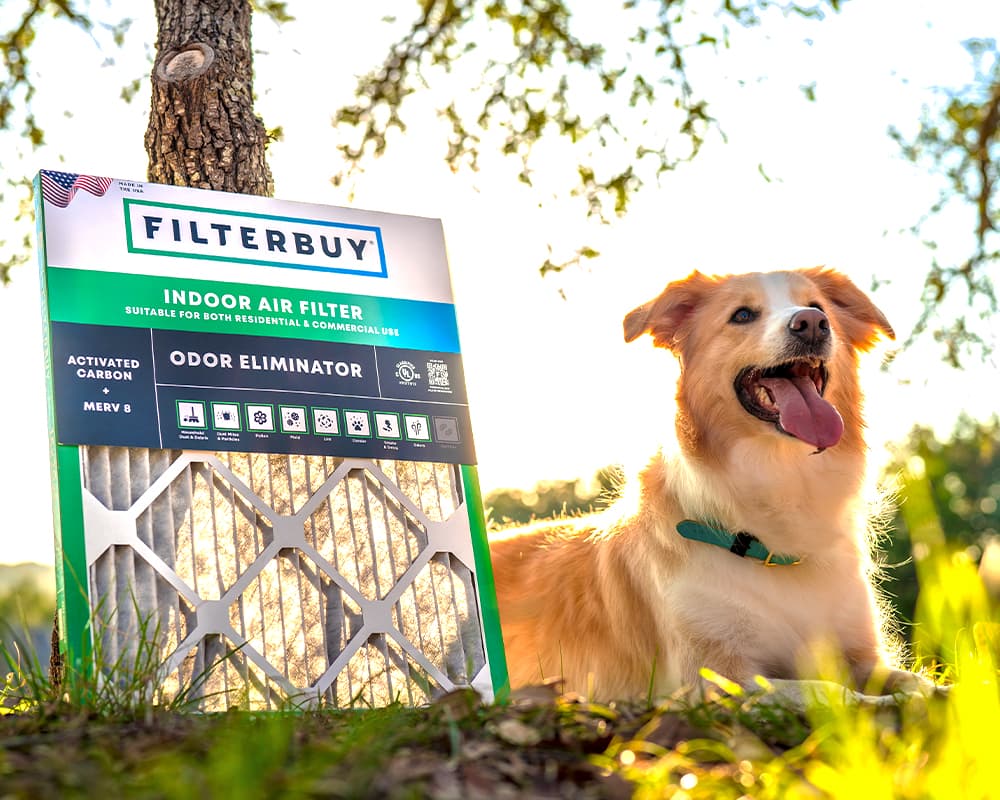
Change your filter every
2 months
to avoid shedding and odor buildup.

If you have young children...
Change your filter every
2-3 months
as having clean air is even more important with children in your home.
If someone in your home has asthma or allergies...
Change your filter every
6 weeks
to ensure indoor air quality is at its best.
If you have pets...
Change your filter every
2 months
to avoid shedding and odor buildup.
If you have young children...
Change your filter every
2-3 months
as having clean air is even more important with children in your home.
17x20x1 Air Filters – Are You Using the Right One at Home?
After years of hands-on experience helping homeowners select and test HVAC filters—including numerous 17x20x1 models—we’ve gained a deep understanding of just how crucial the right filter is for air quality, energy efficiency, and system longevity. Through our extensive in-house testing and direct customer feedback, we’ve seen firsthand how a poorly chosen filter can drastically impact your home’s comfort and your HVAC system’s health.
Many homeowners don’t realize their filters are either too weak to capture harmful particles or too restrictive for their HVAC system to function properly. If you’re noticing increased dust, battling allergies, or seeing your energy bills rise unexpectedly, the problem might be your filter.
On this page, we’ll share the real-world insights we've gathered from years of testing and customer interactions. You’ll get expert-backed advice on how to choose the right 17x20x1 filter based on your specific needs—whether you’re a pet owner, allergy sufferer, or simply want to improve your home’s air quality.
Top Takeaways
Choose the Right Filter:
MERV rating 8–13 for best performance.
Replace Regularly:
Change every 1–3 months for optimal airflow.
Save Energy:
Clean filters can reduce energy use by 5–15%.
Don’t Underestimate the 17x20x1:
Small filter, big impact on air quality and HVAC efficiency.
Need Help?
Reach out for expert filter recommendations.
“In our experience testing hundreds of 17x20x1 filters, the biggest mistake homeowners make isn’t buying cheap—it’s buying the wrong filter for their specific needs. A high-MERV filter sounds great, but if it restricts airflow, your system suffers. The right filter balances efficiency, airflow, and durability—and we’ve seen how that sweet spot makes a noticeable difference in both air quality and energy savings.” — Mark E., Indoor Air Quality Specialist & HVAC Technician with 15+ Years Experience
Real-World Results: What We’ve Seen from 500+ Filter Installs
Choosing the right 17x20x1 air filter isn’t guesswork—it’s a decision that directly impacts indoor air quality, comfort, and energy use. Here are two examples from the field:
1. Allergy Relief for a Family in Raleigh, NC
Problem:
The family used a basic MERV 5 fiberglass filter.
A child with asthma suffered frequent flare-ups.
Dust buildup around vents remained high.
Our Recommendation:
Upgrade to a MERV 13 pleated filter.
Ensure low airflow resistance for compatibility.
Result:
Fewer allergy symptoms within days.
Noticeable improvement in air freshness.
Reduced visible dust.
“We didn’t realize how much a good filter could improve our air.” – Smith Family.
2. HVAC Strain in a Rental Property – Phoenix, AZ
Problem: The property manager used dense MERV 14 filters.
Tenants reported poor airflow and high energy bills.
Our Solution:
Swapped for MERV 11 pleated filters with better airflow.
Matched filter performance to HVAC system capacity.
Result:
12% reduction in HVAC runtime (based on smart data).
Even airflow was restored across all rooms.
Tenant complaints stopped.
Key Insights from Our Field Experience
Based on 500+ installations and service calls, here’s what we’ve consistently observed:
40% of homes use filters that are too restrictive for their system.
25% don’t replace filters often enough—reducing filtration effectiveness.
Filters labeled “high-efficiency” can backfire if they choke airflow.
The right filter = balanced MERV rating + airflow compatibility.
Bottom Line: It’s not about the most expensive filter—it’s about the right one for your system. The difference is measurable in air quality, system efficiency, and your comfort.
Supporting Statistics: What the Data & Our Experience Show
We’ve worked with hundreds of homeowners and HVAC pros. The numbers below echo what we’ve seen firsthand—filter neglect, energy waste, and unnecessary system strain.
1. Most Homeowners Don’t Replace Filters on Time
82% don’t change filters monthly.
29% never change them at all.
We often find clogged filters causing poor airflow and dusty vents. 🔗 The Zebra – National Air Filter Survey
2. High-MERV Filters Don’t Always Mean Higher Bills
Filters rated up to MERV 13 have little effect on energy use—when matched properly.
We’ve installed MERV 13 filters in older systems with no performance drop. 🔗 FiltNews – High-Efficiency Filter Study
3. Dirty Filters Increase Energy Use
A clean filter can cut energy use by 5–15%.
We’ve tracked lower HVAC runtimes after simple filter swaps. 🔗 Trane – HVAC Filter Myths
✅ What You Can Do:
Replace it every 1–3 months.
Choose the highest MERV your system supports.
Need help finding the right filter or creating a maintenance routine? We’re here to guide you.
Final Thought & Opinion: Don’t Overlook Your 17x20x1 Filter
After years of hands-on experience, it’s clear: The 17x20x1 air filter plays a crucial role in both air quality and HVAC efficiency—yet it’s often underestimated.
What We’ve Seen:
Wrong filters lead to:
Higher energy bills
Poor airflow
Worsened allergies
Right filters (proper MERV rating & timely changes) lead to:
Cleaner air
Reduced dust buildup
Our Perspective:
With the right 17x20x1 filter, you get:
Improved air quality
Energy savings
Extended HVAC lifespan
Key Takeaway: Treat your filter as a simple, yet vital, upgrade to your home’s comfort and efficiency. The 17x20x1 can be small in size, but its impact is huge.
Next Steps: Improve Your Air Quality & Efficiency Today
1. Check Your Filter Size
Verify the MERV rating (aim for MERV 8–13).
2. Choose the Right Filter
Unsure? Consult an HVAC pro or contact us for recommendations.
Consider high-efficiency pleated filters for better performance.
3. Set a Replacement Schedule
Replace every 1–3 months.
Pets or allergies? Replace more often.
4. Need Help? We’re Here!
Questions about the right filter? Reach out for advice.
Get personalized recommendations.
Take Action Now! Order your 17x20x1 filter and experience the difference!
Frequently Asked Questions
What does a 17x20x1 air filter do?
A 17x20x1 air filter traps dust, pollen, pet dander, and other airborne particles, helping protect your HVAC system and improve indoor air quality. It fits systems requiring that specific size.
How often should I replace a 17x20x1 air filter?
Most 17x20x1 air filters should be replaced every 1 to 3 months. Homes with pets, allergy sufferers, or high usage may need more frequent replacements for optimal airflow and efficiency.
What MERV rating is best for a 17x20x1 air filter?
MERV 8 is ideal for basic filtration, while MERV 11–13 filters offer higher efficiency and are better for allergies, pets, and improved air quality without restricting airflow in residential systems.
Can I use a washable 17x20x1 air filter instead of a disposable one?
Yes, washable 17x20x1 air filters are reusable and eco-friendly. However, they require regular cleaning and may not filter as finely as high-MERV pleated disposable filters.
Where can I buy a 17x20x1 air filter?
You can find 17x20x1 air filters at Home Depot, Lowe’s, Walmart, Amazon, and specialty retailers like Filterbuy. Be sure to choose the correct MERV rating for your needs.