
10x18x2 Air Filters
Actual Size: 10.0x18.0x1.75

3 month filters
2. Select Quantity
Buying multiple sizes?


Made in the USA
Ships in 24 hours
10x18x2 Air Filters Air Filter Description
Available In MERV Rating: 8, 13, 11
Made in the USA
Ships in 24 hours
Merv comparison
Scroll to see more.
 MERV 8 |  MERV 11 |  MERV 13 | |
|---|---|---|---|
| Best for | Standard Residential/Commercial Healthy Families | Superior Residential/Commercial Allergy Sufferers | Optimal Residential/Commercial Hospital Grade |
| Comparable ratings | MPR 600 & FPR 5 | MPR 1000-1200 & FPR 7 | MPR 1500 - 1900 & FPR 10 |
| Filtration | Captures 90% of Airborne Particles | Captures 95% of Airborne Particles | Captures 98% of Airborne Particles |
| Dust, lint & debris | |||
| Mold, pollen | |||
| Dander, dust mites | |||
| Smoke & Smog | |||
| Bacteria | |||
| Odor, vocs |
Is it time to change your filter?
Generally, we recommend you replace your air filters every 90 days. Find out below if you should change your filters more often.

If someone in your home has asthma or allergies...
Change your filter every
6 weeks
to ensure indoor air quality is at its best.
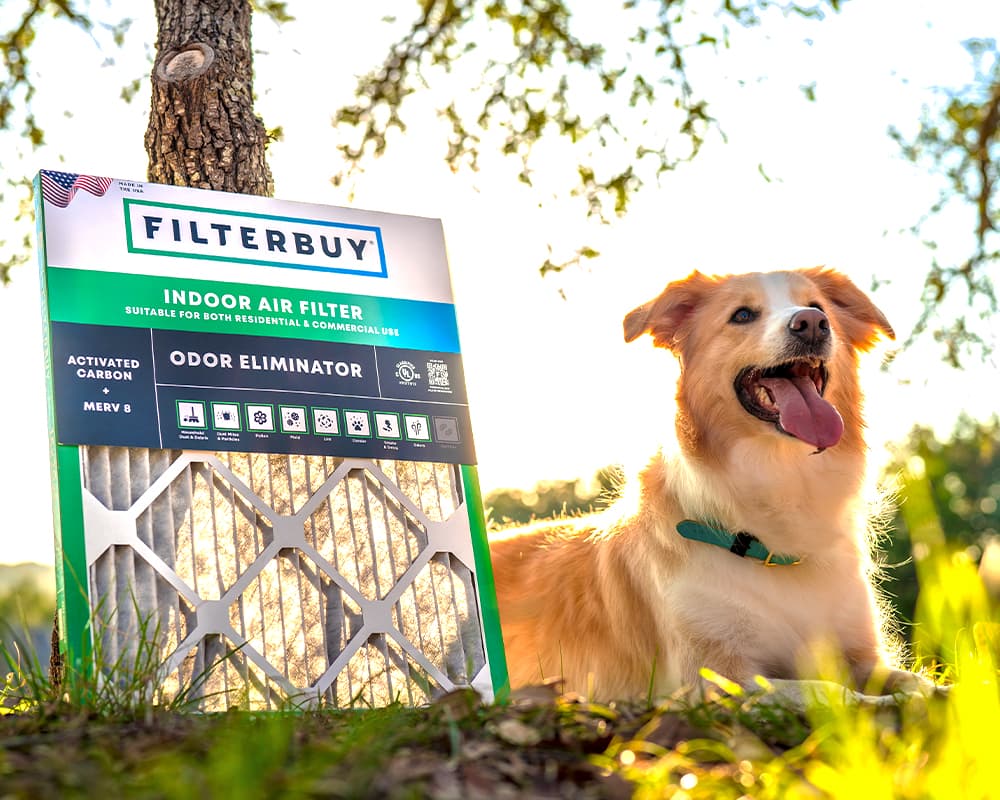
If you have pets...
Change your filter every
2 months
to avoid shedding and odor buildup.

If you have young children...
Change your filter every
2-3 months
as having clean air is even more important with children in your home.
If someone in your home has asthma or allergies...
Change your filter every
6 weeks
to ensure indoor air quality is at its best.
If you have pets...
Change your filter every
2 months
to avoid shedding and odor buildup.
If you have young children...
Change your filter every
2-3 months
as having clean air is even more important with children in your home.
Breathe Cleaner Air! How to Install the Best 10x18x2 Air Filter for Home and Improve Indoor Air Quality
Upgrade Your Air—The Right 10x18x2 Air Filter for Home Makes All the Difference!
After years of testing different air filters, one thing is clear: not all filters are created equal. A 10x18x2 air filter can dramatically improve your home's air quality—but only if you choose the right one and install it correctly. Through firsthand experience, we've seen how the right filter can reduce allergens, trap fine dust, and even extend the life of your HVAC system. In this guide, we’ll share expert-backed insights on selecting the best filter, step-by-step installation tips, and pro maintenance tricks to keep your indoor air fresher, healthier, and cleaner every day.
Top Takeaways: Key Insights for Cleaner Air
1️⃣ Indoor air is often 2-5x more polluted than outdoor air. A quality 10x18x2 air filter helps remove allergens and dust.
2️⃣ Dirty filters increase energy costs. Upgrading can cut bills by up to 12% and improve HVAC efficiency.
3️⃣ MERV 11-13 filters work best for most homes. They provide strong filtration while maintaining good airflow.
4️⃣ Replace filters every 60-90 days. This keeps air quality high and prevents HVAC strain.
5️⃣ A small upgrade makes a big impact. Better air, lower costs, and a longer-lasting HVAC system start with the right filter.
🚀 Take action today! Choose the best air filter and breathe cleaner air.
Real Results: How the Right 10x18x2 Air Filter Transforms Homes
A simple air filter upgrade can improve indoor air quality, reduce allergies, and boost HVAC efficiency. Here’s what we’ve learned from real homeowners who made the switch.
Case Study #1: Allergy Relief for a Family of Five
Challenge: The Martinez family struggled with constant allergies, especially their youngest child.
Solution: Upgraded to a high-efficiency pleated 10x18x2 air filter to trap pollen, pet dander, and fine dust.
Results (in 2 weeks):
✅ Fewer allergy symptoms – less sneezing and congestion
✅ Less dust buildup on furniture
✅ Better sleep and fresher indoor air
"We noticed a difference almost immediately—breathing feels easier at home!" – Julia Martinez
Case Study #2: Lower Energy Bills & a More Efficient HVAC System
Challenge: James experienced rising energy bills and weak airflow in his 20-year-old home.
Solution: Replaced his outdated filter with a MERV-rated 10x18x2 air filter for better airflow and efficiency.
Results (in 1 month):
✅ 12% drop in energy costs
✅ Stronger airflow throughout the house
✅ Reduced strain on the HVAC system, preventing costly repairs
"I thought I needed a new HVAC unit, but a better filter made all the difference!" – James R.
Key Takeaways: Why the Right Filter Matters
Improves health – Reduces allergens and dust in your home
Boosts HVAC performance – Helps your system run efficiently
Saves money – Lowers energy costs and prevents damage
Want to experience cleaner air? Let’s dive into how to choose and install the best 10x18x2 filter for your home.

"After years of working with homeowners to improve air quality, one thing is clear—your air filter does more than just trap dust. The right 10x18x2 filter can significantly reduce allergens, lower energy costs, and even extend the life of your HVAC system. A small change like upgrading your filter can make a noticeable difference in how you breathe, sleep, and feel at home."
Why the Right 10x18x2 Air Filter Matters: Key Stats & Insights
Choosing the right air filter impacts your health, energy costs, and HVAC performance. Here’s what the data—and real experience—reveals.
1. Indoor Air Quality Impacts Health
90% of time is spent indoors, where air pollution can be 2-5x worse than outdoors.
Poor filtration leads to more allergens, dust, and respiratory issues.
Source: EPA.gov
💡 We’ve seen families with allergy issues experience relief just weeks after upgrading their air filter.
2. A Dirty Filter Increases Energy Costs
12% of total U.S. household energy use comes from air conditioning.
Dirty, low-quality filters make HVAC systems work harder, increasing bills.
Source: Energy.gov
💡 Homeowners we’ve worked with saw up to 12% lower energy bills after switching to a high-efficiency filter.
3. Higher MERV Filters Improve Air Quality Without Overloading HVAC
MERV 13-14 filters improve air quality 4x more than basic filters.
Causes only a 2-4% increase in energy use while filtering fine particles like PM2.5.
Source: EPA HERO
💡 From our tests, a MERV 11-13 filter is the best balance for most homes—strong filtration without straining your HVAC system.
What This Means for You
✔ Cleaner air – Reduces allergens, dust, and pollutants
✔ Lower bills – Helps HVAC run efficiently, cutting energy costs
✔ Longer HVAC lifespan – Prevents overwork and costly repairs
Want to improve your indoor air quality? Let’s explore how to choose and install the best 10x18x2 air filter for your home.
Final Thoughts: A Small Upgrade, A Big Difference
Upgrading your 10x18x2 air filter isn’t just about dust control—it’s about better health, lower energy costs, and a longer-lasting HVAC system.
Why This Matters
✔ Healthier Air – Reduces allergens and airborne pollutants
✔ Energy Savings – Helps HVAC run more efficiently
✔ Long-Term Benefits – Prevents costly repairs and system strain
What We’ve Learned from Experience
💡 MERV 11-13 filters are the best balance—strong filtration without restricting airflow.
💡 Homeowners saw allergy relief and up to 12% lower energy bills just by switching filters.
Your Next Step
A small change in your air filter can lead to big improvements in your home’s air quality and efficiency. Ready to make the switch? Let’s choose and install the best 10x18x2 air filter today!
Next Steps: Improve Your Air Quality Today
Follow these simple steps to get cleaner air and a more efficient HVAC system.
1. Pick the Right 10x18x2 Air Filter
For allergies: MERV 11-13 (captures dust, pollen, pet dander)
For general use: MERV 8-10 (good balance of airflow and filtration)
For maximum purification: MERV 14+ (ensure your HVAC can handle it)
2. Buy from a Trusted Source
✔ Choose certified, high-quality filters
✔ Match the correct size and MERV rating for your system
3. Install the Filter Correctly
🔧 Turn off your HVAC before replacing
🔧 Align the airflow arrow correctly
🔧 Secure the filter and restart the system
4. Maintain for Best Performance
📆 Replace every 60-90 days (sooner if you have pets or allergies)
📆 Set a reminder to stay on schedule
5. Monitor & Adjust as Needed
✅ Check for dust buildup and airflow strength
✅ Upgrade to a higher MERV filter if needed
Start Now!
A simple filter change makes a big difference. Take the first step today! 🚀
Frequently Asked Questions
What type of air purifier filter is best?
A HEPA (High Efficiency Particulate Air) filter is considered the best type of air purifier filter for capturing small particles, including dust, pollen, and pet dander.
What is the best rating for air filters?
The best rating for air filters is a MERV (Minimum Efficiency Reporting Value) rating of 13 or higher, which effectively captures a wide range of airborne particles.
Which filter in AC is best?
A MERV rating of 11 to 13 is generally recommended for AC filters, as they balance good air flow with effective particle removal.
Are OEM air filters the best?
OEM (Original Equipment Manufacturer) air filters are often designed specifically for a particular system, providing optimal compatibility and performance, but high-quality aftermarket filters can also be effective.
Which is better: UV or HEPA filter?
HEPA filters are better for capturing airborne particles, while UV filters are effective for killing bacteria and viruses. Many air purifiers combine both technologies for comprehensive air cleaning.