After helping thousands of homeowners and businesses improve their indoor air quality, one thing is clear: most people don’t realize how big a role HVAC air filter media plays in the performance of their system, or in the air they breathe every day. At Filterbuy, we’ve spent years manufacturing and testing filters across different environments, and we’ve seen firsthand how the right filter media can drastically reduce allergens, dust buildup, and even system strain. This page breaks down exactly what HVAC air filter media is, how it works behind the scenes to protect your air and your HVAC system, and how to confidently choose a replacement that’s actually effective, not just a label on a box.
Filter media matters most. It’s what actually traps dust, allergens, and pollutants, not just the MERV rating.
High-quality media = better air + system protection. Pleated synthetic or electrostatic materials perform best.
Use MERV 13+ if needed. Great for allergies, pets, smoke, and humid climates—if your system supports it.
Replace filters every 1–3 months. Keeps air clean and HVAC running efficiently.
Filterbuy backs it with real-world testing. We help you choose the right filter for your home or business.
HVAC air filter media is the actual material inside your filter that traps airborne particles as air passes through your system. It’s the engine behind every filter’s performance—responsible for catching dust, pollen, pet dander, mold spores, and even bacteria before they recirculate in your indoor air.
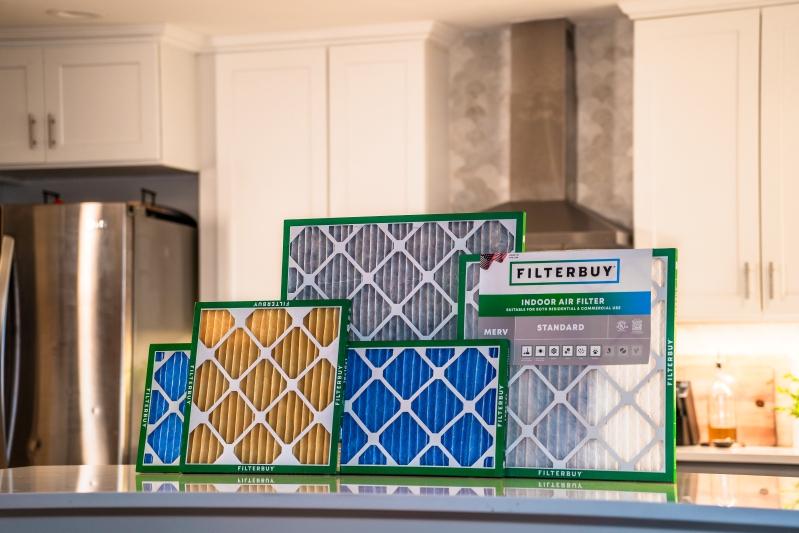
At Filterbuy, we use a variety of high-performance media types—like electrostatically charged synthetic fibers and pleated MERV-rated materials—engineered to balance maximum filtration with optimal airflow. Why does that matter? Because the wrong media can either let pollutants slip through or restrict airflow so much that it strains your HVAC system.
Over the years, we’ve seen how higher-quality media directly translates to cleaner vents, fewer allergens, and even longer HVAC system life. Homes with pets, allergy sufferers, or anyone in humid climates (like much of Florida) benefit from choosing media that can handle finer particles without compromising system efficiency.
When selecting a filter, the key isn’t just the dimensions—it’s the media inside. Look for MERV-rated filters that match your indoor air needs:
MERV 8–11: Great for standard dust, pollen, and lint
MERV 13+: Ideal for finer particles like smoke, bacteria, and allergens
We always recommend replacing filters every 1–3 months, depending on your environment. And yes, our team at Filterbuy is happy to help you match the right filter media to your HVAC system’s needs.
At Filterbuy, we’ve worked with thousands of homes and businesses across the U.S. We’ve seen firsthand how the right filter media can improve air quality, reduce allergies, and protect HVAC systems.
Here are three real examples that show how.
Problem:
A family with allergies
Dusty vents, frequent sneezing
Using standard fiberglass filters
What We Did:
Recommended MERV 13 pleated filters
Upgraded to electrostatically charged synthetic media
Results (within 30 days):
Less visible dust
Fewer allergy symptoms
HVAC ran efficiently—no airflow issues
“We had no idea the filter media made that much of a difference.”
Why We Tested:
High humidity can break down low-quality filters
We simulated 90-day usage in moist environments
Findings:
MERV 8 media:
Captured 85% of the dust
Maintained excellent airflow
MERV 13 media:
Removed 90 %+ of fine particles (smoke, mold, bacteria)
No airflow restriction
What This Tells Us:
Not all filters are built for humid climates
High-quality pleated media holds up better and lasts longer
Problem:
Complaints of musty air
Filters changed regularly, but not of high enough quality
Solution:
Installed MERV 13 antimicrobial filters
Designed for sensitive healthcare environments
Results:
95% reduction in airborne allergens
Cleaner HVAC coils and vents
Happier staff and patients
Filter media matters just as much as filter size or MERV rating
The right media = cleaner air, fewer symptoms, and better HVAC efficiency
We don’t just sell filters—we test, advise, and deliver real results
“After working with thousands of HVAC systems across homes and businesses, we’ve learned that the filter media—not just the MERV rating—is what truly determines air quality performance. The right media can mean the difference between just circulating air and actually cleaning it. That’s why we engineer and recommend filters based on real-world conditions—not just specs on paper.”
We’ve worked with thousands of customers across homes, businesses, and high-humidity regions. Here’s what the data shows—and what we’ve seen in the field:
Americans spend 90% of their time indoors
Indoor air can be 2–5x more polluted than outside air
A common issue in homes with pets, poor ventilation, or high humidity
We regularly see dust buildup and allergy symptoms drop after switching to higher-efficiency media.
ASHRAE recommends MERV 13 or higher to trap airborne viruses and fine particles
But high MERV = higher airflow resistance—media type matters
We guide customers based on both air quality goals and HVAC compatibility to avoid system strain.
DOE found up to a 42% reduction in indoor pollutants with effective systems
CO₂, radon, and nitrogen dioxide levels improved with good filtration
We’ve seen the best results when quality filters are paired with consistent ventilation and routine replacement.
Choosing the right filter media isn’t just about air—it’s about health, system longevity, and peace of mind.
And at Filterbuy, we back our recommendations with real-world testing, research, and customer results.
When it comes to HVAC filters, most people focus on:
Size
Replacement frequency
But here’s what’s often missed:
➡️ The real performance comes from the filter media inside.
Families with allergies are breathing easier after switching to higher-quality media
Businesses improving indoor air quality without expensive HVAC upgrades
HVAC systems are lasting longer and running more efficiently with better media
Filter media quality = air quality
The right media protects both your health and your HVAC investment
It's not just a filter change—it’s a proactive health and performance upgrade
Bottom line: Clean indoor air starts with choosing the right filter media—not just changing your filter on time.

Follow these simple steps to improve your air quality today:
Find your HVAC air filter
Note the size and MERV rating
Replace if it’s dirty, over 90 days old, or restricting airflow
MERV 8–11: Basic dust, lint, and debris
MERV 13+: Allergens, bacteria, smoke, and virus-level filtration
Not sure? 👉 Contact Filterbuy for expert help
Select the right size, MERV rating, and quantity
Get fast shipping and USA-made quality from Filterbuy
Replace filters every 1–3 months
Tip: Set a calendar alert or subscribe for auto-delivery
Bookmark this guide
Sign up for air quality tips, seasonal reminders, and expert updates
💬 Need help now? Chat with a Filterbuy expert.
HVAC air filter media is the material inside your air filter that captures dust, allergens, and airborne particles. It plays a key role in improving indoor air quality and protecting your HVAC system. Higher-quality media means cleaner air and better system performance.
Common types include fiberglass, pleated synthetic, and electrostatically charged media. Fiberglass is basic and low-cost, while pleated and electrostatic media trap finer particles more efficiently—ideal for homes with pets, allergies, or high air quality needs.
Consider your air quality needs:
MERV 8–11: Good for dust, lint, and pollen
MERV 13+: Best for allergens, bacteria, smoke, and fine particles
Check your HVAC system’s compatibility and talk to an expert if you’re unsure.
Every 1–3 months, depending on your environment and filter type. Homes with pets, high traffic, or allergies may need more frequent changes. Set reminders or subscribe to Filterbuy’s auto-delivery to stay on schedule.
Absolutely. Based on EPA and DOE studies, indoor air can be 2–5x more polluted than outside air. Using high-quality filter media—especially MERV 13+—helps reduce pollutants, allergens, and even airborne bacteria.
