
How to Change Your Furnace Filter
July 18, 2025
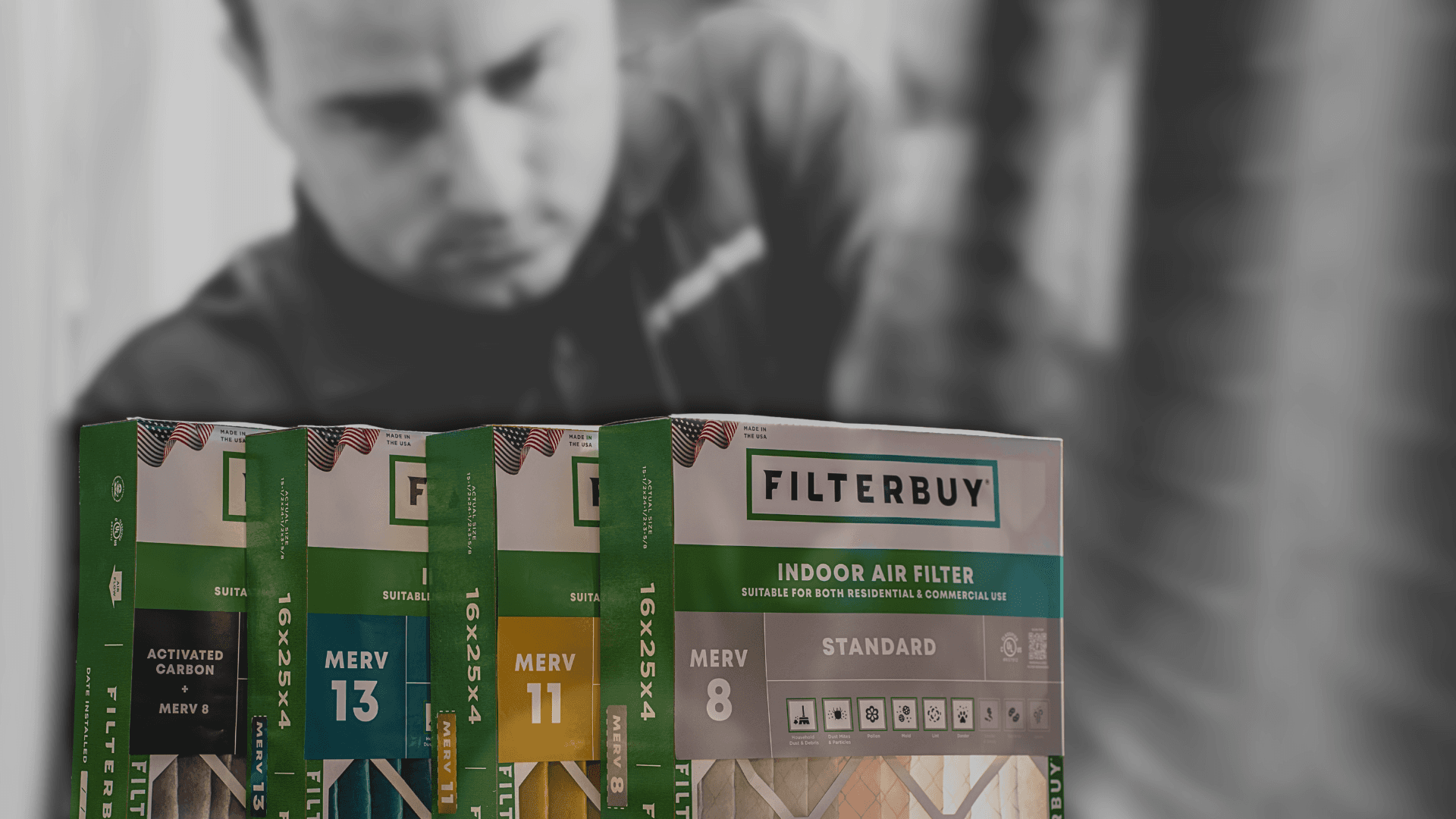
When it comes to changing out your furnace filter, there are two key rules you should follow:
Make sure you have the right size replacement filter
Don't wait too long between changes
Here at Filterbuy, we recommend replacing your air filters out at least every 90 days or 3 months, especially for heating and cooling equipment. However, in some cases, it might make more sense to change them sooner rather than later, which is why checking the furnace filter should be a monthly maintenance measure. Continue reading to learn more about changing your filters.
Key Takeaways
Ensure your furnace is off for safety before initiating the filter change process.
Identify the air filter's location within the return duct or furnace device, usually where cool air enters.
Carefully remove the previous filter, taking note of the airflow direction, shown by an arrow for appropriate new filter installation.
Confirm the replacement filter fits snugly and is correctly oriented, with fiberglass filters' reinforcement directed towards the furnace.
Document the date of installation, and plan for its replacement - generally every 90 days - during regular upkeep.
Getting to Know Furnace Filters
When talking about HVAC maintenance, furnace filters often go overlooked. But since these parts serve as a barrier, protecting furnace components from harmful airborne particles, it’s important to change them regularly.
Does Your Central Air Unit Have a Furnace?
The first step in replacing a furnace filter is determining whether you need a furnace filter. Not all central air systems have a furnace filter. It could be a matter of not having a furnace in general or the filter being located in another more centralized spot.
How to Quickly Tell If You Have a Furnace Filter
Locate the air blower or furnace box, which should be near the main air handler. Most furnace filters are located in or around the blower.
Look to see if there's a slot for a furnace filter. The filter compartment could be in one of three spots:
On the side, in an intake rack.
In a door on the bottom.
In a door on the top.
If you see a compartment, you'll need a furnace filter. If you don't see a slot or door, you likely have a central air unit with two intake filters rather than a furnace box filter. There might also be no heating component; therefore, a furnace filter isn't needed.
Signs Your Filter Needs Changing
Knowing the function and type of furnace filters helps you identify when these parts need replacing. One dominant indication of a filter needing a change is an obvious decrease in air quality. This manifests as a dusty or stuffy environment, worsened allergies, and even breathing problems.
Another indication is an unexpected rise in energy costs. Filters blocked with harmful particles drive furnaces to operate harder, leading to increased energy consumption. Likewise, if your heating system seems to operate non-stop but fails to maintain the set temperature, this may indicate that your filter is impeding the airflow. So, change your filter when you see these signs to avoid costly problems.
How to Properly Change a Furnace Filter
Once you understand your furnace filter's importance, check it regularly. Learn how to replace it too. But, don't worry if you're not handy with DIY tasks. Replacing it is one of the easiest home fixes.Here's how:
Step 1: Turn Off the Furnace
For modern heating systems, this may not be necessary because they utilize an electric pilot component. Older furnaces often had a gas pilot light that would continuously burn when the gas was on. For all furnace systems, it's best to shut them off completely if you're replacing the furnace filter.
Step 2: Open and Label New Furnace Filters
If you follow the advice of experts and buy in bulk, label each new filter with the date you plan to install it. Space them out by 3 months during the heating off-season and every 30 days during times when you'll be regularly running your heating system.
Step 3: Locate Your Furnace Box and the Door Panel for the Filter
Open or slide the door panel to get access to the furnace and filter. As mentioned above, you usually find the furnace filter near where the cool air enters the furnace in the cold air return duct or the entrance to the blower chamber (or sometimes in both locations).
Step 4: Remove the Old Furnace Filter
Remove the old and dirty air filter and set it aside to be properly recycled.
Step 5: Install the New Furnace Filter
Slide your replacement and clean furnace filter into the slot, ensuring the filter media side goes against the airflow. Make sure the airflow arrows on the side of the new filter are pointing in the right direction toward the blower and away from the cold air. Replace the panel or door, and you're done.
Step 6: Turn the Furnace Back On
Again, for newer furnaces, this may not be a necessary step, but for older furnaces, you'll need to turn the gas back on and reignite the pilot light so the filter can start doing its job.
Maintaining Your HVAC Unit With Filterbuy's High-Quality Filters
Commit to regular upkeep for optimal performance and longevity of your system. This practice not only prolongs the filter's operational life but also boosts furnace efficiency.
Different types of filters require various maintenance levels. For example, disposable fiberglass filters usually need replacement every month, whereas high-efficiency pleated filters could last six months or longer with consistent checks. However, these are just general guidelines. Dust levels in your home or the presence of pets can influence the filter's lifespan.
Monthly cleaning and inspection of your furnace filter is a must. And if you find any damage during your routine check, immediately replace the filter. Note how any damage or blockage in the filter can cause your heating system to overwork, shortening its service life and inflating energy costs.
Lastly, make it a habit to always buy the correct filter size. Remember that unfiltered air can enter your system through an ill-fitting filter, causing damage and reducing efficiency. By understanding beforehand your filter type and maintaining it consistently, furnace performance can be improved and its lifespan extended. Trust us, this will make your life easy in the future.

Frequently Asked Questions:
How often should you change the furnace filter?
Your furnace filter replacement schedule depends primarily on the filter type and usage patterns. Premium MERV-rated filters typically last 3-6 months, while basic fiberglass filters need monthly replacement. For optimal performance, check your filter monthly during heavy use seasons (summer and winter) and replace it when it appears dirty or according to the manufacturer's recommendations.
Can I replace my furnace filter?
Yes, replacing your furnace filter is a simple DIY maintenance task that saves money and improves system performance. Simply locate your furnace's filter compartment, remove the old filter, and insert the new one following the airflow arrow printed on the frame. Regular replacement maintains healthy air quality and extends your furnace's operational life.
Do I need to turn off the furnace before changing the filter?
Yes, always turn off your furnace at the thermostat and circuit breaker before changing the filter. This essential safety step prevents the blower from activating during maintenance and protects both you and your HVAC system during the filter replacement process.
What happens if the furnace filter is backward?
Installing a furnace filter backward significantly impairs your HVAC system's performance. The filter's directional design means reverse installation restricts proper airflow, forcing your furnace to work harder and consume more energy. This added strain can damage your system's components and lead to premature equipment failure.
What are the symptoms of a dirty furnace filter?
Common signs of a dirty furnace filter include visible gray or brown discoloration, reduced airflow from vents, longer heating cycles, increased energy bills, and more dust accumulation throughout your home. A clean filter should appear light-colored, while a dirty one shows obvious debris accumulation.
How can I tell if my furnace filter needs changing?
Professional HVAC technicians recommend several reliable indicators for filter replacement: visible dirt accumulation, reduced airflow, increased energy bills, and more frequent furnace cycling. Regular visual inspection helps maintain optimal system performance and prevent potential damage from a clogged filter.
What happens if the furnace filter is not changed?
Neglecting furnace filter replacement leads to serious consequences for your HVAC system and home environment. A clogged filter restricts airflow, increases energy consumption, strains system components, and allows dust and allergens to circulate. This negligence results in higher utility bills, reduced indoor air quality, and potential system damage.
Is it hard to change a furnace filter?
Changing a furnace filter is straightforward for most homeowners. The main considerations are selecting the correct size and type for your system and ensuring proper installation direction. While the physical replacement is simple, understanding filter ratings and maintaining a regular replacement schedule requires basic HVAC knowledge.
Is it OK to run the furnace without a filter?
Operating a furnace without a filter risks serious damage to your HVAC system. The filter protects internal components from dust, debris, and particulates that can accumulate and cause mechanical failures. Running an unfiltered system leads to reduced efficiency, increased maintenance costs, and potential system failure.
Do you leave the furnace filter in the box?
Keep new furnace filters in their original packaging until installation. The box protects the filter material from damage, moisture, and contamination, ensuring maximum effectiveness when installed. Proper storage maintains the filter's integrity and filtration capabilities.
What happens if you leave your furnace filter in too long?
An overdue furnace filter creates multiple problems: decreased indoor air quality, increased allergen circulation, reduced HVAC efficiency, and higher energy costs. Extended use beyond recommended intervals strains your system, potentially leading to expensive repairs and compromised home air quality.
Can I leave my furnace filter out for a day?
While operating your furnace without a filter for 24 hours won't typically cause immediate system damage, it's not recommended. This practice allows debris to accumulate in your system's components and ductwork, potentially leading to long-term issues and decreased performance.