Shop by

A clean HVAC filter doesn't just protect your equipment—it protects your wallet, your air quality, and your peace of mind. Yet many homeowners still treat filter changes as an afterthought, waiting until their system starts acting up or their energy bills spike.
So let's clear the air: How often should you really replace your HVAC filter? The answer depends on your filter type, your home environment, and how often your system runs. This guide will walk you through everything you need to know to keep your air clean and your system running smoothly.
Regularly changing your HVAC filter is essential for maintaining good air quality and keeping your system efficient.
The frequency of filter replacement depends on factors like the type of filter, the size of your home, whether you have pets, and how often you run your system.
Neglecting to replace your filter can lead to higher energy bills, reduced system lifespan, and poor indoor air quality.
Establishing a consistent schedule for filter replacement with Filterbuy helps preserve your HVAC system and contributes to a healthier living environment.
Your filter may be out of sight, but it should never be out of mind. This small but mighty component serves several critical functions that directly impact your comfort, health, and finances.
First, it captures airborne pollutants, including dust, pollen, pet dander, mold spores, and other particles that would otherwise circulate through your home. Think of it as a net that catches everything you don't want to breathe.
Second, your filter protects your HVAC system by preventing dirt buildup on the blower motor and coils. When these components get clogged with debris, they have to work harder, which leads to premature wear and expensive repairs.
Third, a clean filter from Filterbuy improves indoor air quality, which is especially important for allergy sufferers and homes with pets. Poor air quality can trigger asthma attacks, worsen allergies, and create an uncomfortable living environment.
Finally, your filter boosts efficiency by keeping air flowing freely through your system. When airflow is restricted by a dirty filter, your HVAC system uses more energy to heat or cool your home, driving up your utility bills.
The frequency of filter changes depends primarily on filter thickness, but several other factors can shorten or extend that timeline.
1-inch filters: Replace every 1–3 months
2-inch filters: Replace every 1–3 months
4-inch filters: Replace every 6–9 months
5-inch filters: Replace every 9–12 months
Keep in mind, these are general rules. Your home's specific conditions can significantly impact how quickly your filter becomes dirty and needs replacement. If you're in doubt, you can seek assistance from our experts at Filterbuy and ask which filter suits your unit best.
Proper HVAC maintenance is essential for maintaining good indoor air quality and ensuring your system runs efficiently. One key aspect of this is understanding how often to replace your air filters with Filterbuy, as worn or clogged filters can hinder performance and affect your home's comfort.
Pets in the Home
Fur and dander clog filters much faster than normal household dust. If you have multiple pets, aim for monthly changes regardless of your filter thickness. Even one pet can cut your filter's lifespan in half.
Allergies or Asthma
High-quality filters like MERV 11 or 13 trap more allergens, but they also fill up faster because they're catching smaller particles. Check these filters every 30–45 days during peak allergy seasons.
Smoking Indoors
Tobacco smoke contains fine particulates that quickly reduce filter efficiency. Smokers should replace filters monthly to maintain good air quality and system performance.
Construction or Renovation
Home improvement projects generate enormous amounts of dust and debris. During construction or renovation, check your filter weekly and be prepared to replace it frequently.
Climate Conditions
Hot, humid climates put extra strain on HVAC systems. In places like Florida or Texas, filters face higher demand from dust, mold, and frequent system usage throughout the year.
Your filter replacement schedule should also account for seasonal changes in system usage and air quality.
Winter: When you're running the heat constantly, your system pulls in more particles during peak use. Check filters monthly during cold months.
Summer: Air conditioning systems work just as hard as heating systems. The heavy demand means filters need attention throughout the cooling season.
Spring and Fall: These transition seasons bring unique challenges. Spring means pollen and increased outdoor activity. Fall brings leaf debris and preparation for winter heating. Both seasons may require more frequent filter changes.
Not sure when to swap out your current filter? Watch for these telltale signs according to experts from Filterbuy:
Your HVAC system runs longer or cycles more frequently than usual
You notice uneven heating or cooling throughout your home
Allergy symptoms worsen when you're indoors
There's increased dust buildup around vents
The filter looks gray, dirty, or visibly clogged
You can't see light through the filter when held up to a lamp
When in doubt, replace it. A $15 filter is much cheaper than a $1,500 repair bill.
Procrastinating on filter changes might seem harmless, but it can lead to serious consequences for both your wallet and your health.
Higher Energy Bills
A dirty filter restricts airflow, forcing your system to work harder and use more energy. This can increase your monthly utility bills by 10-20% or more.
System Strain and Damage
When airflow is restricted, your HVAC system can overheat, leading to premature failure of expensive components like the blower motor or compressor.
Expensive Repairs
The strain from operating with a dirty filter can cause breakdowns that require costly professional repairs. These repairs often cost hundreds or thousands of dollars.
Poor Indoor Air Quality
A clogged filter stops doing its job, allowing pollutants, allergens, and particles to circulate through your home. This is particularly dangerous for children, elderly residents, and anyone with respiratory conditions.
Not all filters are created equal. The MERV (Minimum Efficiency Reporting Value) rating tells you how effectively a filter captures particles.
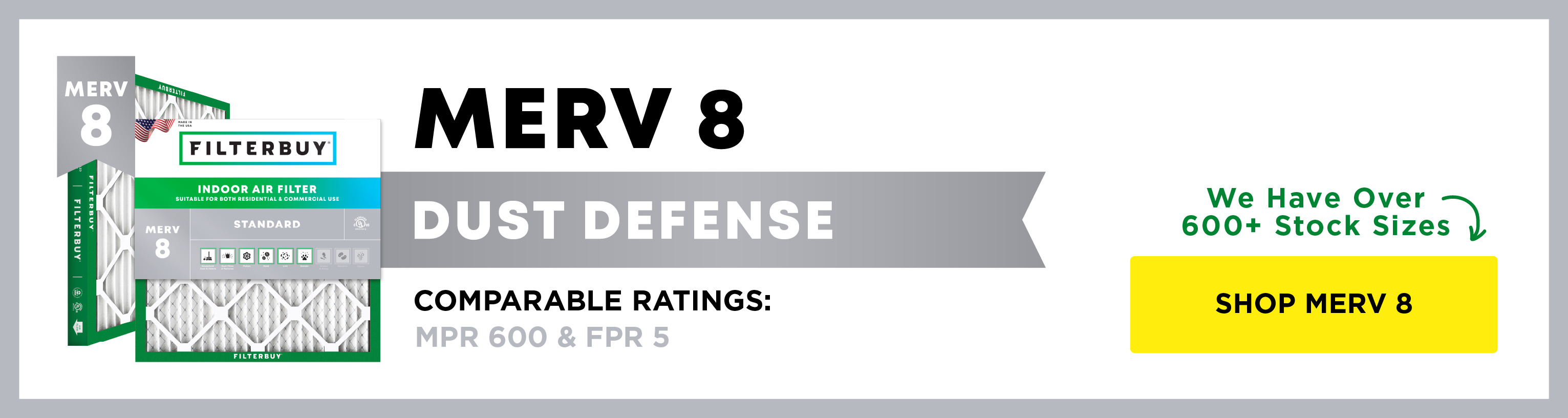
MERV 8 filters are ideal for most households. They capture dust, pollen, and mold while allowing good airflow through your system.
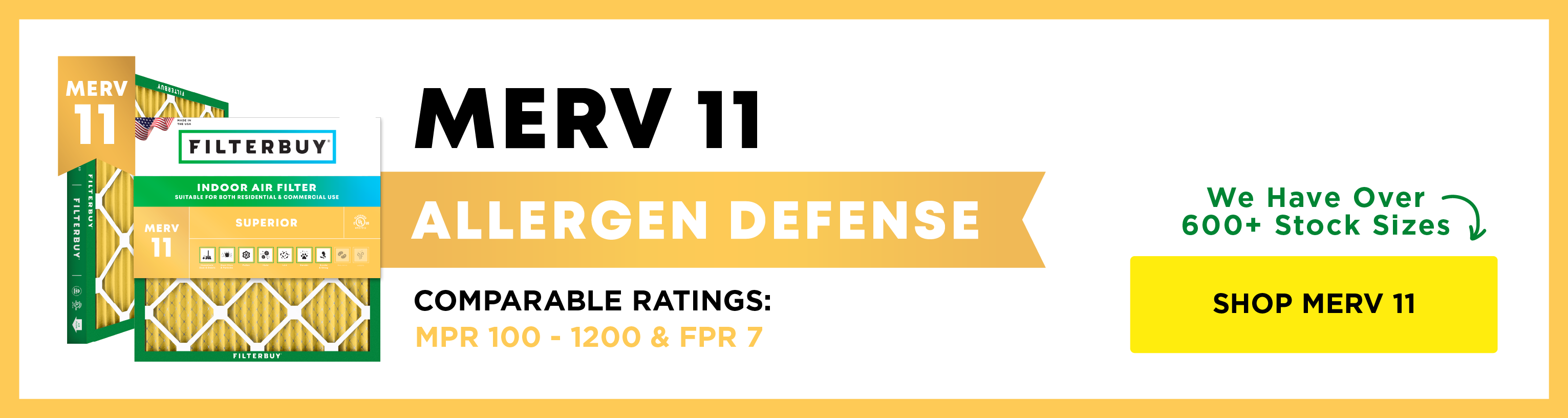
MERV 11 filters step up the protection and are great for homes with pets or residents who suffer from allergies. They catch smaller particles while still maintaining decent airflow.
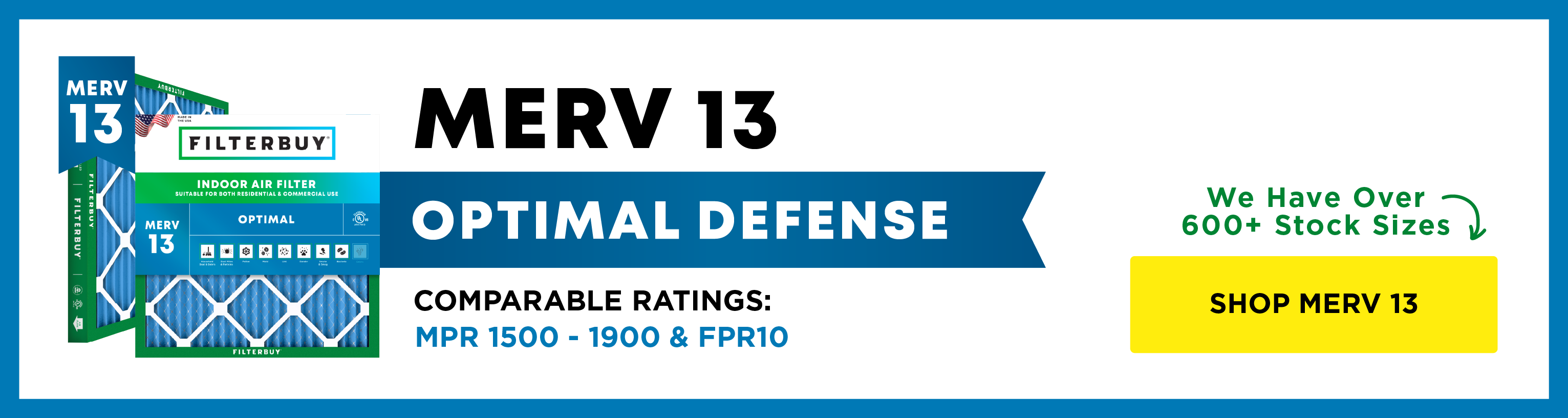
MERV 13 filters, which we sell at Filterbuy, provide top-tier filtration, capturing bacteria, smoke, and fine particles. These are recommended for health-conscious households or areas with poor outdoor air quality, but make sure your system can handle the increased resistance.
The key to proper filter maintenance is making it as easy as possible. Set a calendar reminder on your phone for monthly filter checks. During high-use seasons, mark your calendar every 30 days. During lighter use periods, you can extend this to 60 or 90 days for thicker filters.
Consider signing up for a filter subscription service that delivers fresh filters to your door automatically. This eliminates the guesswork and ensures you always have clean filters on hand when you need them.
When you do change your filter, take a photo of the old one before disposing of it. This visual reminder can help you gauge how quickly filters get dirty in your specific environment and adjust your replacement schedule accordingly.
Changing your HVAC filter isn't just maintenance—it's prevention. Regular filter changes with Filterbuy protect your expensive HVAC equipment, improve your indoor air quality, and keep your energy bills in check.
The small investment in quality filters pays dividends in system longevity, lower energy costs, and healthier indoor air. Set a simple routine to check your filter monthly, especially during heavy-use seasons, and you'll protect your air, your system, and your savings for years to come.
Most HVAC air filters should be changed every 1 to 3 months, especially if you’re using a 1- or 2-inch pleated filter. Thicker filters—like 4- or 5-inch options—can last up to 6 to 12 months. For the best results, check your air filter monthly and replace it as soon as it looks dirty or clogged.
If you don’t replace your HVAC air filter on time, dirt and debris will clog the filter and restrict airflow. This makes your HVAC system work harder, reduces energy efficiency, raises your utility bills, and can lead to expensive repairs or system failure.
Yes. Your HVAC system typically runs more in the winter, which means your filter collects more dust and debris. It’s recommended to inspect your HVAC air filter every 30 days and replace it every 1 to 2 months during peak heating season.
To check if your air filter is dirty, hold it up to a light source. If you can’t see much light passing through or the filter looks gray and dusty, it’s time for a replacement. You may also notice more dust around your home or reduced airflow from vents.
Filterbuy makes it easy to find the correct air filter size. You can search by exact dimensions, use your existing filter’s size label, or enter your HVAC unit’s model number. Filterbuy also offers over 600 standard sizes and custom air filters for a perfect fit.
If you have allergies or asthma, choose a Filterbuy MERV 11 or MERV 13 pleated filter. These higher-rated filters trap more allergens like pollen, pet dander, mold spores, and even some bacteria, helping you breathe easier indoors.
Yes, you should still replace your HVAC filter regularly, even if your system appears to be running well. A dirty filter can silently cause wear and tear, reduce efficiency, and lower indoor air quality long before you notice any performance issues.
Most homes have one main HVAC filter located near the return air duct or furnace. However, larger homes or multi-zone systems may use multiple filters in different return vents. Always check your system layout to ensure all filters are replaced as needed.
Yes. A subscription like Filterbuy’s Auto-Ship Program ensures you never forget to change your filter. It saves time, maintains your HVAC system’s efficiency, and gives you peace of mind with regular, scheduled deliveries right to your door.
The best place to buy high-quality HVAC air filters online is Filterbuy.com. Filterbuy offers MERV 8, 11, and 13 pleated filters in hundreds of sizes—with fast shipping, custom options, and expert support you can trust.

