May 5, 2026

Wildfire smoke doesn’t just affect those living close to forests or grasslands. It can travel hundreds—even thousands—of miles, impacting areas with clear skies and no visible signs of fire. For many, this smoke can cause coughing, sneezing, and even allergy-like symptoms. But what exactly is in wildfire smoke, and how does it affect your body?
If you’ve been wondering whether wildfire smoke could be triggering your sneezes or nasal congestion, this guide is here to explain the connection. We’ll explore what’s in wildfire smoke, common symptoms, at-risk groups, and how to protect yourself and your loved ones during the wildfire season.
Wildfire smoke contains a mix of irritants that can mimic or worsen allergy symptoms.
People with asthma, allergies, or respiratory conditions are especially vulnerable to its health effects.
Steps like improving indoor air quality with proper filtration and limiting outdoor exposure can help minimize symptoms.
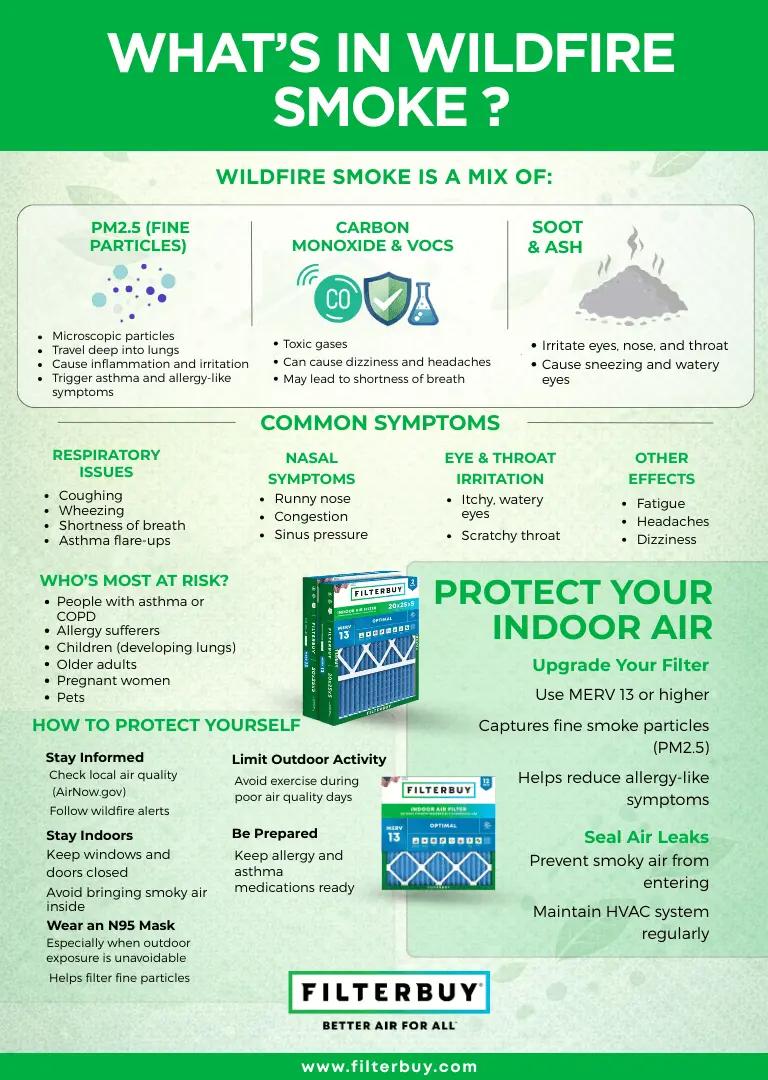
Wildfire smoke contains a cocktail of pollutants and particulate matter that can irritate the body. Here’s a closer look at its key components and how they affect you.
1. Fine Particulate Matter (PM2.5):
These minuscule particles are tiny enough to travel deep into the lungs, where they can cause inflammation, irritation, and even allergic responses. PM2.5 is one of the most dangerous components of wildfire smoke.
2. Carbon Monoxide and Volatile Organic Compounds (VOCs):
While carbon monoxide and VOCs aren’t directly allergens, exposure to these pollutants can cause symptoms like dizziness, headaches, and shortness of breath.
3. Soot and Ash:
Physical particles like soot and ash can irritate the nasal passages, throat, and eyes, leading to sneezing, coughing, and watery eyes.
Respiratory System: Smoke particles can inflame the lungs and nasal passages, triggering asthma attacks or exacerbating existing allergies.
Eyes and Skin: Soot and ash can irritate the eyes, causing redness, itching, and discomfort. Some dermal exposure may also lead to skin sensitivity in highly polluted areas.
Cardiovascular System: Particles in the smoke can enter the bloodstream and cause cardiovascular problems, especially for those with pre-existing heart conditions.
Nervous System: Inhaling smoke particles can also affect the nervous system, leading to headaches, dizziness, fatigue, and difficulty concentrating. Long-term exposure may even increase the risk of neurodegenerative diseases such as Alzheimer's.
Air pollution is a serious threat not just to our environment but also to our health. According to the EPA, exposure to air pollution can lead to respiratory and cardiovascular issues. The effects of these small particles on our body can be far-reaching and should not be underestimated. That's where Filterbuy comes in—our high-quality air filters help reduce indoor air pollutants, creating a healthier environment for you and your family.
Wildfire smoke can have serious effects on health, especially for those with preexisting conditions. Here are some common symptoms to watch out for:
Sneezing, coughing, and wheezing are common reactions to the fine particles in smoke.
Those with asthma or respiratory issues may experience sudden flare-ups or worsened symptoms.
Fine smoke particles often block nasal passages, creating symptoms that mimic a cold or hay fever, like a runny nose and sinus pressure.
Watery, itchy eyes and scratchy throats are frequent side effects as smoke irritates the mucous membranes.
Prolonged exposure to wildfire smoke can impact your quality of sleep, leaving you feeling drained. Some individuals experience headaches triggered by carbon monoxide or stress on the respiratory system.
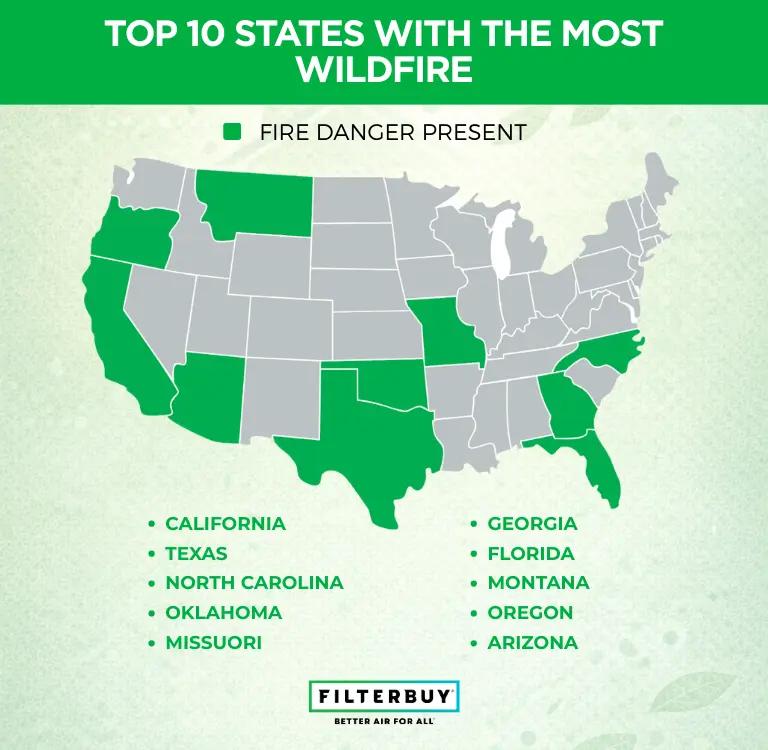
Wildfire smoke seldom affects everyone the same way. Certain groups are more susceptible to its harmful effects, including the following:
Asthma, chronic obstructive pulmonary disease (COPD), and other lung conditions are aggravated by the inflammatory effects of wildfire smoke.
Children’s lungs are still developing, making them more vulnerable to airborne particles. Older adults, on the other hand, often suffer from weaker respiratory systems or pre-existing conditions.
People who already deal with seasonal allergies may find that smoke worsens their symptoms, as the particles irritate their airways and nasal passages.
Pregnancy increases sensitivity to environmental pollutants, meaning wildfire smoke could have greater health implications for both the mother and the developing baby.
Preventing or minimizing exposure to wildfire smoke can significantly decrease its effects on your health. Here’s how you can stay safe:
Follow local air quality alerts and forecasts using tools like AirNow.
Pay attention to government advisories during wildfire seasons.
Keep your windows and doors closed during heavy smoke periods.
Use HVAC systems with MERV 13 or higher filters to trap fine smoke particles. Trusted providers like Filterbuy offer high-efficiency air filters that can dramatically improve indoor air quality.
When leaving the house is unavoidable, wear an N95 respirator to reduce particulate exposure. Masks with multiple layers can effectively filter out harmful particles, including PM2.5.
Reduce outdoor activities, particularly strenuous exercises, to minimize smoke inhalation exposure.
If you have allergies, keep your go-to medications ready. Antihistamines, decongestants, and nasal sprays can all help relieve symptoms when smoke irritates your respiratory system.
Air quality inside your home plays a huge role in reducing smoke-related symptoms. Here’s how an efficient HVAC system can help.
MERV 13 filters are specifically designed to trap fine particles, including PM2.5 from wildfire smoke. Filterbuy offers MERV 13 filters that are perfect for smoke-heavy conditions.
Prevent outdoor air from seeping indoors by sealing vents or fresh-air intakes during wildfires. Proper maintenance of HVAC filters and air conditioning systems ensures long-lasting effectiveness.
While many symptoms from wildfire smoke are mild and temporary, some may require a doctor's visit. Seek medical attention if you experience any of the following:
Persistent coughing or wheezing
Shortness of breath or tightness in the chest
Symptoms such as dizziness, disorientation, or fatigue that worsen over time
If air quality levels become hazardous in your area, it may even be necessary to evacuate. Prepare in advance by creating an emergency kit stocked with medications, important documents, and essentials for the duration of your evacuation.
The risks posed by wildfire smoke are significant, but with the right precautions, you can minimize its impact. By upgrading your home with a MERV 13 HVAC filter, you can turn your living space into a health-focused retreat during smoky days. Trust providers like Filterbuy for premium filters that help you breathe easier.
To better protect your health and home during fire season, stay informed, maintain indoor air quality, and be proactive about managing symptoms.
Yes, wildfire smoke contains fine particulate matter (PM2.5) and other irritants that can trigger allergy-like symptoms such as sneezing, congestion, and itchy eyes. These particles are small enough to enter the respiratory system and cause inflammation.
Common symptoms include coughing, sneezing, shortness of breath, wheezing, nasal congestion, eye irritation, and headaches. Individuals with pre-existing respiratory conditions like asthma or allergies may experience more severe symptoms.
Yes, the fine particles in wildfire smoke can irritate the lungs, making asthma symptoms worse. People with asthma may experience increased wheezing, coughing, and difficulty breathing when exposed to smoke.
Wildfire smoke can exacerbate allergy symptoms by introducing additional irritants into the air, leading to nasal congestion, sinus pressure, and watery eyes. Those already sensitive to pollen or dust may be more affected.
Yes, both children and older adults are more vulnerable to the effects of wildfire smoke due to their weaker immune systems and smaller lung capacity, which makes it harder to expel harmful particles from the body.
To reduce indoor smoke exposure, keep windows and doors closed, use air conditioning with high-efficiency filters, and consider purchasing a portable air cleaner. Upgrading to high-efficiency filters from Filterbuy can help capture fine particles and improve indoor air quality during wildfire smoke events.
For optimal protection, choose filters with a MERV rating of 13 or higher. Filters like those from Filterbuy can trap fine smoke particles and keep the indoor air cleaner, providing relief from smoke-related symptoms.
Yes, a portable air cleaner equipped with a HEPA filter can significantly reduce particulate matter in indoor air. Consider securing one before wildfire season to ensure you're prepared, especially if you live in an area prone to smoke events.
It's not recommended to exercise outdoors when air quality is poor due to wildfire smoke. Physical exertion can increase the amount of smoke particles inhaled, worsening respiratory symptoms. Opt for indoor activities until the air quality improves.
Yes, pets are also vulnerable to smoke exposure. Keep pets indoors during smoky conditions, and if they show signs of respiratory distress, consult a vet. Improving indoor air quality with high-efficiency filters can help protect both you and your pets from the harmful effects of smoke.
Symptoms can develop within hours of exposure to wildfire smoke, especially if you're in a high-concentration area. Prolonged exposure increases the likelihood of symptoms like coughing, shortness of breath, and eye irritation.
If symptoms become severe or difficult to manage, it’s important to seek medical advice. Having medications on hand (e.g., antihistamines or bronchodilators) and ensuring your home has clean, filtered air are key steps to managing the effects of wildfire smoke.
While it’s difficult to completely block smoke from entering your home, keeping windows and doors closed, sealing air gaps, and using high-efficiency filters in your HVAC system can significantly reduce the amount of smoke that gets indoors. Consider consulting Filterbuy for premium filters that are designed for maximum smoke filtration.
