
Reusable vs. Disposable Furnace Filters: Which Is Better?
January 8, 2026
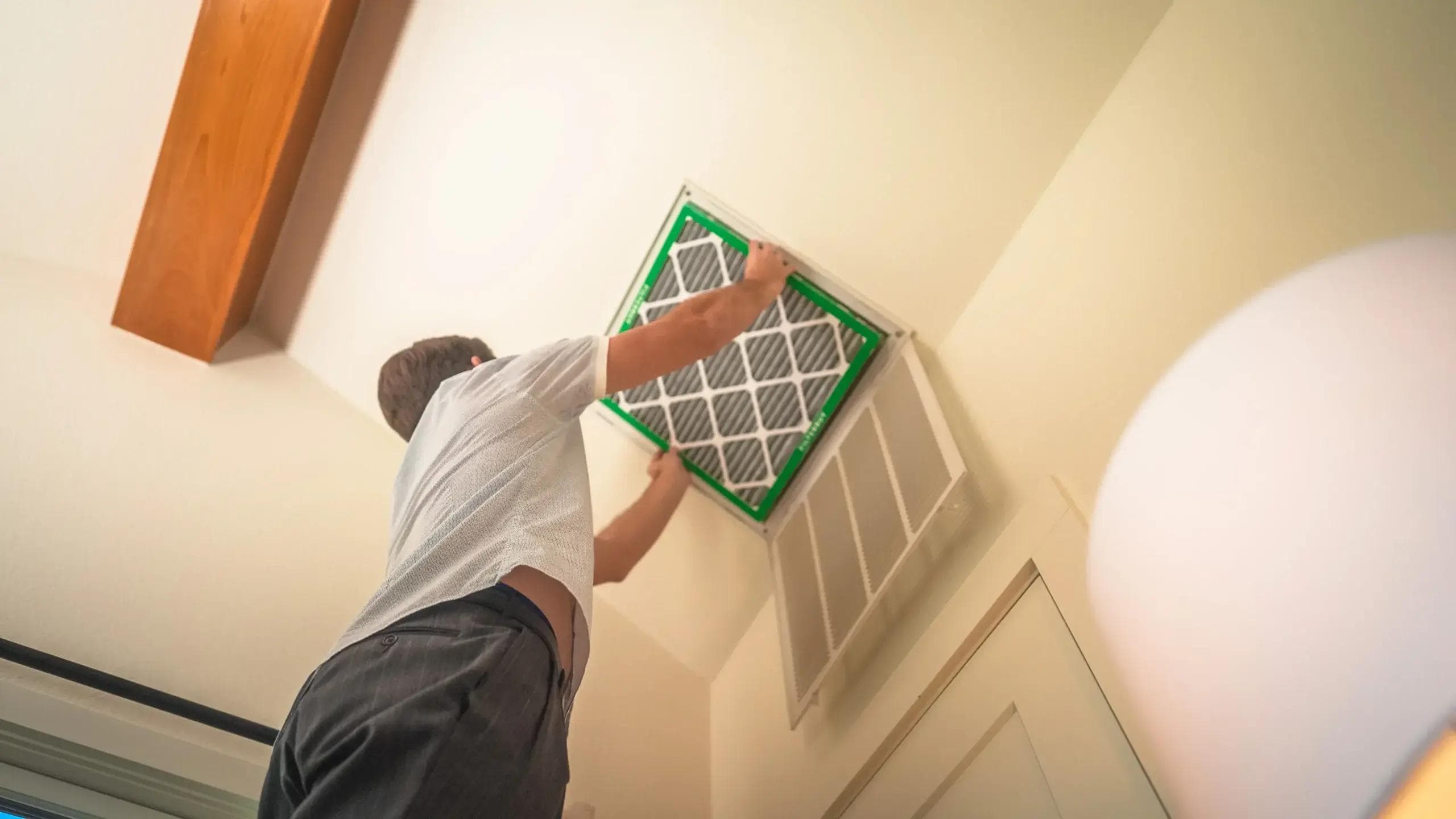
When it comes to furnace filters, you have two main choices: reusable or disposable. Reusable filters seem like a smart investment: buy it once, wash it, and you're done. Disposable filters, on the other hand, promise top-notch air quality but require regular replacement. So, which one should you choose?
This guide will break down the debate of washable vs. disposable air filters. We'll look at the pros and cons of each, compare them on key factors like cost and performance, and give you a clear, expert recommendation. By the end, you'll know exactly which filter is the right choice to protect your home and family.
First Things First: Why Pleated Filters Work
Before we compare the two types, it’s important to understand what makes a good filter. Many homeowners worry that a high-quality filter might restrict airflow, but the opposite is often true when you choose the right design. This is where pleated furnace filters shine.
The pleated design creates a larger surface area, allowing the filter to capture more particles without hindering airflow. This strikes the best balance between filtration efficiency, protecting your HVAC air quality, and keeping your system running smoothly.
A key factor here is the MERV rating (Minimum Efficiency Reporting Value), which measures how effectively a filter traps airborne particles. For most homes, MERV 8–13 filters are ideal. They are effective enough to capture dust, pollen, and pet dander without forcing your HVAC system to work too hard. At Filterbuy, we specialize in high-quality pleated filters in this exact range, designed for superior airflow and filtration.
What Are Washable (Reusable) Furnace Filters?
A washable furnace filter, also known as a reusable filter, is designed to be cleaned and reused for several years. Instead of throwing it away, you wash it with water, let it dry completely, and put it back into your HVAC system. They typically have a lifespan of 5–10 years.
Pros of Washable Filters
Long Lifespan: With proper care, a single washable filter can last for many years, eliminating the need for frequent replacements.
Less Landfill Waste: Because you aren't throwing a filter away every few months, reusable filters are often marketed as a more eco-friendly choice.
Lower Long-Term Cost: The initial purchase price is higher, but homeowners can save money over time by not having to buy disposable furnace filters repeatedly.
Cons of Washable Filters
Lower MERV Ratings: Most washable filters have low MERV ratings, often between 1 and 4. This means they are not very effective at capturing smaller particles like pollen, pet dander, mold spores, or smoke.
Requires Regular Cleaning: To maintain performance, these filters need to be washed every 1-3 months. This is a hands-on task that can be easily forgotten.
Risk of Mold and Mildew: If the filter is not dried completely before being reinstalled, moisture can lead to mold and mildew growth. This can then circulate throughout your home, seriously compromising your indoor air quality.
Declining Performance: According to industry research, the filtration efficiency of washable filters can decrease over time with each wash. The electrostatic charge that helps trap particles weakens, making them less effective as they age.
What Are Disposable Furnace Filters?
Disposable furnace filters are designed for single use. You install a fresh one every 1–3 months and simply throw the old one away. They are the most common type of filter used in residential HVAC systems.
Pros of Disposable Filters
Higher Filtration Efficiency: Disposable filters are available in a wide range of MERV ratings, including the highly recommended MERV 8–13 range. This makes them far better at capturing allergens and improving indoor air quality.
Consistent Performance: Each new filter provides reliable, peak-level filtration. You don't have to worry about declining performance over time.
No Cleaning Required: Replacement is quick and easy. There’s no washing, no drying, and no risk of reintroducing mold into your system.
Better HVAC System Protection: By trapping more dust and debris, high-quality disposable filters protect the sensitive components of your furnace and air conditioner from damage.
Convenient Options: At Filterbuy, we offer a huge range of sizes, including custom dimensions, with options for bulk savings and convenient delivery subscriptions.
Cons of Disposable Filters
Recurring Cost: You have to purchase new filters regularly, which is an ongoing expense.
Creates More Waste: Disposing of filters every few months contributes more to landfills compared to a single reusable filter used for years.
Side-by-Side Comparison: Washable vs. Disposable Filters
How to Choose the Right Filter for Your Home
While the decision is personal, the expert consensus leans heavily in one direction.
A washable filter might be an acceptable choice if your primary concerns are initial cost savings and reducing waste, and if no one in your household suffers from allergies or respiratory issues. However, you must be diligent about the cleaning and drying process to avoid mold.
In most homes I’ve worked with, a disposable pleated filter is the superior choice. This is especially true if:
Anyone in your home has allergies, asthma, or other respiratory conditions.
You have pets that shed dander.
You live in an area with high levels of pollen or pollution.
You prioritize convenience and consistent performance.
For the vast majority of homeowners, a pleated disposable furnace filter with a MERV rating between 8 and 13 provides the best combination of HVAC air quality, system protection, and ease of use.
Why Filterbuy’s MERV 8–13 Pleated Filters Are the Best Option
When it comes to disposable filters, not all are created equal. Filterbuy’s filters are designed to offer the best performance for your home.
Excellent Airflow & Particle Capture: Our pleated design maximizes surface area to trap more particles without straining your HVAC system.
Any Size You Need: We offer a massive variety of standard sizes and can create custom-sized filters to ensure a perfect fit for your unit.
HVAC-Friendly Design: Our filters protect your system from damaging debris, which can help prevent costly repairs and extend its lifespan.
Made in the USA: We proudly manufacture our filters in the United States, ensuring consistent, high-quality construction.
Convenient Delivery: With our subscription service, you can have fresh filters delivered to your door right when you need them.
Why Premium Filterbuy Filters Are The Best for Your Home
When you compare reusable furnace filters vs. disposable options, the choice becomes clear. While washable filters have some appeal, their low filtration performance and risk of mold growth make them a poor choice for ensuring healthy indoor air.
For reliable protection, consistent performance, and superior air quality, high-quality disposable pleated filters are the undisputed winners. A MERV 8, MERV 11, or MERV 13 filter will safeguard your family’s health and your HVAC system’s longevity.
Ready for cleaner air? Protect your HVAC system with filters designed to last. Shop Filterbuy’s high-quality MERV 8–13 pleated filters today.
Frequently Asked Questions
Are washable furnace filters worth it?
For most homeowners, no. While they seem cost-effective, their poor filtration, risk of mold, and high maintenance often outweigh the benefits. Homeowners often assume washable filters will save more money, but they don't account for the potential harm to their HVAC system or indoor air quality.
Do reusable furnace filters work as well as disposable filters?
No. Reusable filters generally have much lower MERV ratings (1–4), meaning they capture significantly fewer airborne particles than a quality disposable filter (MERV 8–13).
What MERV rating do washable filters typically have?
Most washable filters have a MERV rating between 1 and 4.
How often should I replace disposable furnace filters?
It's recommended to replace them every 1–3 months, depending on your home environment (e.g., if you have pets or live in a dusty area).
Can washable filters grow mold if not dried properly?
Yes. This is one of their biggest risks. If a damp filter is reinstalled, it can become a breeding ground for mold and mildew, which will then circulate through your home's air.
Do disposable pleated filters restrict airflow?
When you use a filter with the correct MERV rating for your system (typically 8–13 for residential units), pleated filters do not restrict airflow. Their design actually promotes better airflow than non-pleated filters with a similar rating.
Are reusable filters better for the environment?
They create less landfill waste, but the environmental picture is complex. The production of a durable reusable filter and the water/energy used for cleaning also have an impact. Furthermore, poor filtration can lead to a less efficient HVAC system, which consumes more energy.
What type of filter is best for allergies or asthma?
A high-efficiency disposable pleated filter with a MERV rating of 11 to 13 is the best furnace filter for homes with allergy or asthma sufferers. These filters are effective at trapping pollen, pet dander, and other common allergens.
How do I know if my furnace filter is hurting HVAC performance?
Signs include reduced airflow from vents, the system running constantly, unusual noises from the furnace, or a sudden increase in energy bills. A dirty or overly restrictive filter is often the culprit.
Why do experts recommend MERV 8–13 for most homes?
This range offers the best compromise. It effectively removes most common household allergens and pollutants without overly restricting airflow, which can strain your HVAC system.