
How Long Does a Furnace Filter Last (and When to Replace It)
December 16, 2025
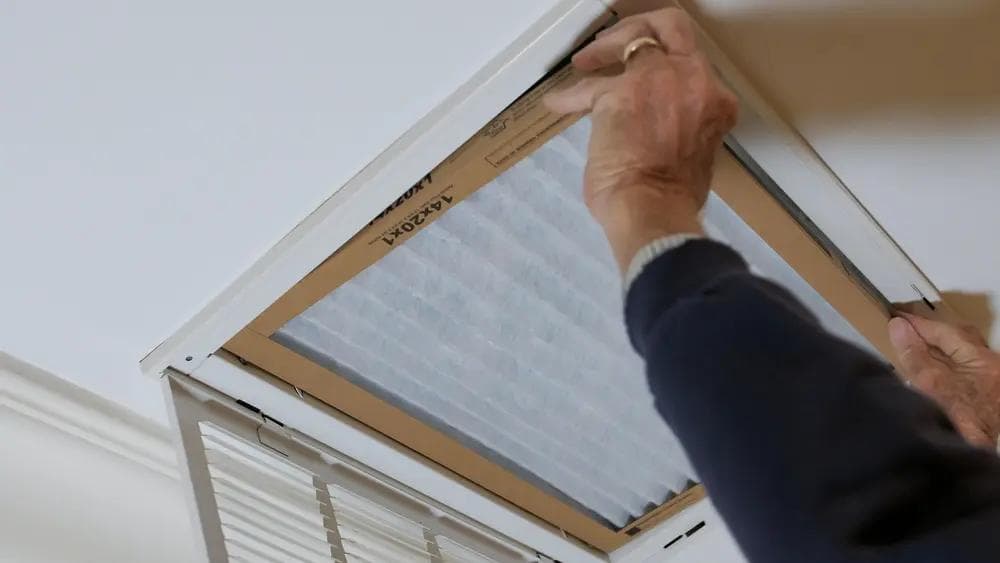
Changing your furnace filter is one of those home maintenance tasks that’s easy to forget. But knowing how long a furnace filter lasts and when to replace it is key to keeping your home’s air clean and your HVAC system running smoothly. If you’ve ever wondered if you’re changing yours too often or not enough, you’re in the right place.
This guide will walk you through everything you need to know about your furnace filter’s lifespan. We'll cover the different types, what factors shorten their life, and how to tell when it’s time for a change. It's easier than you think, and getting it right can make a big difference in your home's air quality and energy bills.
Key Takeaways
Regular Replacement Matters: Replacing your furnace filter with Filterbuy on a regular schedule helps maintain clean air in your home and improves the efficiency of your HVAC system.
Filter Type Impacts Lifespan: Different types of furnace filters, such as disposable fiberglass or pleated filters, have varying lifespans. Always consult the manufacturer's recommendations for optimal replacement timing.
Watch for Signs It’s Time to Replace: Reduced airflow, increased dust in your home, or a visibly dirty filter are clear signs that it’s time for a change.
Environmental Factors Play a Role: Factors like pets, smoking, or high pollen counts can shorten the life of your furnace filter, requiring more frequent replacements.
Energy Efficiency Benefits: Keeping an appropriate maintenance schedule for your furnace filter can help lower energy costs and prevent unnecessary strain on your HVAC system.
Here's Why Your Furnace Filters Don’t Last Forever
Your furnace filter has one main job: to capture airborne particles like dust, pet dander, pollen, and other allergens before they circulate through your home. Over time, all that trapped gunk builds up, clogging the filter. A clogged filter can’t do its job effectively, which restricts airflow and forces your HVAC system to work harder. This can lead to higher energy bills and even system damage.
Some homeowners worry that high-efficiency pleated filters are "overkill" and might strain their system. The truth is, pleated filters are highly efficient at capturing particles without restricting airflow, as long as they're changed on time.
At Filterbuy, we specialize in high-quality pleated filters with MERV 8 to MERV 13 ratings. These filters are designed to provide superior filtration and optimal airflow, helping you maintain excellent indoor air quality and protect your HVAC system.
How Long Does a Furnace Filter Last? (By Filter Type)
Not all furnace filters are created equal. The type of filter you use is the biggest factor in determining its lifespan. Here’s a quick breakdown.
Fiberglass Filters
These are the cheapest, most basic filters you can find. They typically last about 30 days. While they protect your furnace from large dust particles, they do very little to improve your indoor air quality. Because of their lower effectiveness, Filterbuy does not sell fiberglass filters.
Pleated Filters (MERV 8–13)
Pleated filters are the industry standard for residential homes, offering a great balance of filtration and airflow. Their pleated design creates more surface area to trap contaminants.
Standard Pleated Filters (MERV 8-11): These generally last 60–90 days in typical home environments. They are excellent for capturing dust, pollen, and pet dander.
High-MERV Pleated Filters (MERV 12–13): These filters capture smaller particles, including some bacteria and virus carriers. Due to their higher density, they can clog faster and may need to be replaced every 30–90 days, depending on your home's conditions.
Pleated filters are a fantastic choice for improving air quality, controlling dust, and managing allergies. Filterbuy specializes in these American-made, high-performance filters, including MERV 8, MERV 11, and MERV 13 options.
How Long Do 4-Inch Furnace Filters Last?
If your system uses thicker filters, you're in luck. A 4-inch furnace filter generally has a much longer lifespan, typically lasting between 3 and 6 months.
The reason is simple: a thicker filter has significantly more surface area. This allows it to hold more particles before getting clogged and restricting airflow. Your replacement schedule for a 4-inch filter will still depend on factors like pets, allergies, and local air quality, but you won't have to change it as often as a standard 1-inch filter.
Filterbuy offers a wide selection of 4-inch pleated filters to give you that extended performance and superior air quality.
How Often to Change a 20x25x4 Air Filter
The 20x25x4 filter is a very common size, and while some manufacturers claim these can last up to a year, real-world experience tells a different story. HVAC experts and homeowners on forums like Reddit often report that the sweet spot for replacement is every 2 to 3 months for optimal performance.
Leaving a 20x25x4 filter in for too long can cause it to become heavily clogged, which defeats the purpose of having a high-efficiency filter in the first place. The best approach is to visually inspect it monthly. If it looks dark and dirty, it’s time for a furnace filter replacement.
5 Factors That Affect Furnace Filter Lifespan
Your filter's replacement schedule isn't just about its type and size. Several factors in your home can shorten its lifespan.
Pets in the Home
Cats, dogs, and other furry friends shed dander and hair, which quickly clog up a filter. If you have pets, plan to check and change your filter more frequently.
Allergy/Asthma Concerns
If someone in your home suffers from allergies or asthma, you'll want to change your filter more regularly to keep irritants out of the air. Using a higher-rated MERV filter, like a MERV 11 or MERV 13, and changing it every 30-60 days can make a noticeable difference.
Home Size and Number of Occupants
A larger home or more people (and pets) living in it means more dust and contaminants being circulated. This will require more frequent filter changes.
Local Outdoor Air Quality
If you live in an area with high pollution, construction, or seasonal wildfires, your filter will work harder to keep outdoor pollutants from entering your home.
Frequency of HVAC Use
The more you run your heating or cooling system, the more air passes through the filter, and the faster it will get dirty. If you use your HVAC system year-round, you’ll need to change your filter more often than someone who only uses it seasonally.
Signs Your Furnace Filter Needs Replacing Immediately
Forget the calendar for a moment. Sometimes, your house will tell you it's time for a change. Look out for these signs:
Musty Smells: A dirty filter can harbor mold and bacteria, leading to unpleasant odors when the system turns on.
Visible Dust Buildup: If you see a thick layer of gray dust on the filter, it's overdue for a change.
Worsening Allergies: A spike in allergy or asthma symptoms could mean your filter is no longer trapping irritants.
Reduced Airflow: If air isn't coming out of your vents with its usual force, a clogged filter is a likely culprit.
Rising Energy Bills: An HVAC system working harder due to a dirty filter will consume more energy.
How to Check Your Furnace Filter (Simple Steps)
Checking your filter is a quick and easy task anyone can do.
Turn Off Your HVAC System: For safety, always turn off your unit before opening it.
Locate the Filter: The filter is usually in a slot between the air return duct and the main furnace unit.
Slide Out the Filter: Remove the filter and hold it up to a light source.
Inspect It: If you can't see light passing through it, or if it's covered in a visible layer of dirt and dust, it’s time to replace it. A clean filter will be white or off-white.
Get the Right Filter for Your Home with Filterbuy
Replacing your furnace filter is one of the simplest and most effective ways to maintain good indoor air quality and keep your HVAC system healthy. With the right information, you can feel confident you're making the best choice for your home.
Ready to improve your home's air? Filterbuy makes it easy. We offer:
High-Quality Pleated Filters: Choose from MERV 8, MERV 11, and MERV 13 to match your home's needs.
American-Made Quality: All our filters are proudly manufactured in the USA.
Any Size You Need: We offer standard and custom sizes to guarantee a perfect fit.
Convenient Delivery: Get filters shipped directly to your door, so you always have a fresh one on hand.
Find your size, choose your MERV rating, and have high-quality filters delivered right to your door. Make furnace filter replacement stress-free with Filterbuy.
Frequently Asked Questions
How long does a furnace filter really last?
A standard 1-inch pleated filter typically lasts 60-90 days. A 4-inch furnace filter can last 3-6 months. However, pets, allergies, and high HVAC usage can shorten this lifespan.
Is it okay to leave a furnace filter in longer than recommended?
No, leaving a filter in too long can restrict airflow, reduce your system's efficiency, increase energy bills, and potentially damage your HVAC unit.
What happens if I don’t change my furnace filter?
A dirty filter will force your HVAC system to work harder, leading to poor air quality, higher energy costs, and expensive repairs.
Do higher MERV filters get clogged faster?
Yes, filters with higher MERV ratings (like MERV 13) are denser and capture more particles, so they can clog more quickly than lower-rated filters.
Are pleated filters better for indoor air quality?
Absolutely. Pleated filters have more surface area to trap dust, pollen, and pet dander, making them much more effective at improving air quality than cheap fiberglass filters.
How do pets affect furnace filter lifespan?
Pets add a significant amount of dander and fur to the air, which will cause your filter to clog much faster. Homes with pets should change filters more frequently.