October 2, 2025
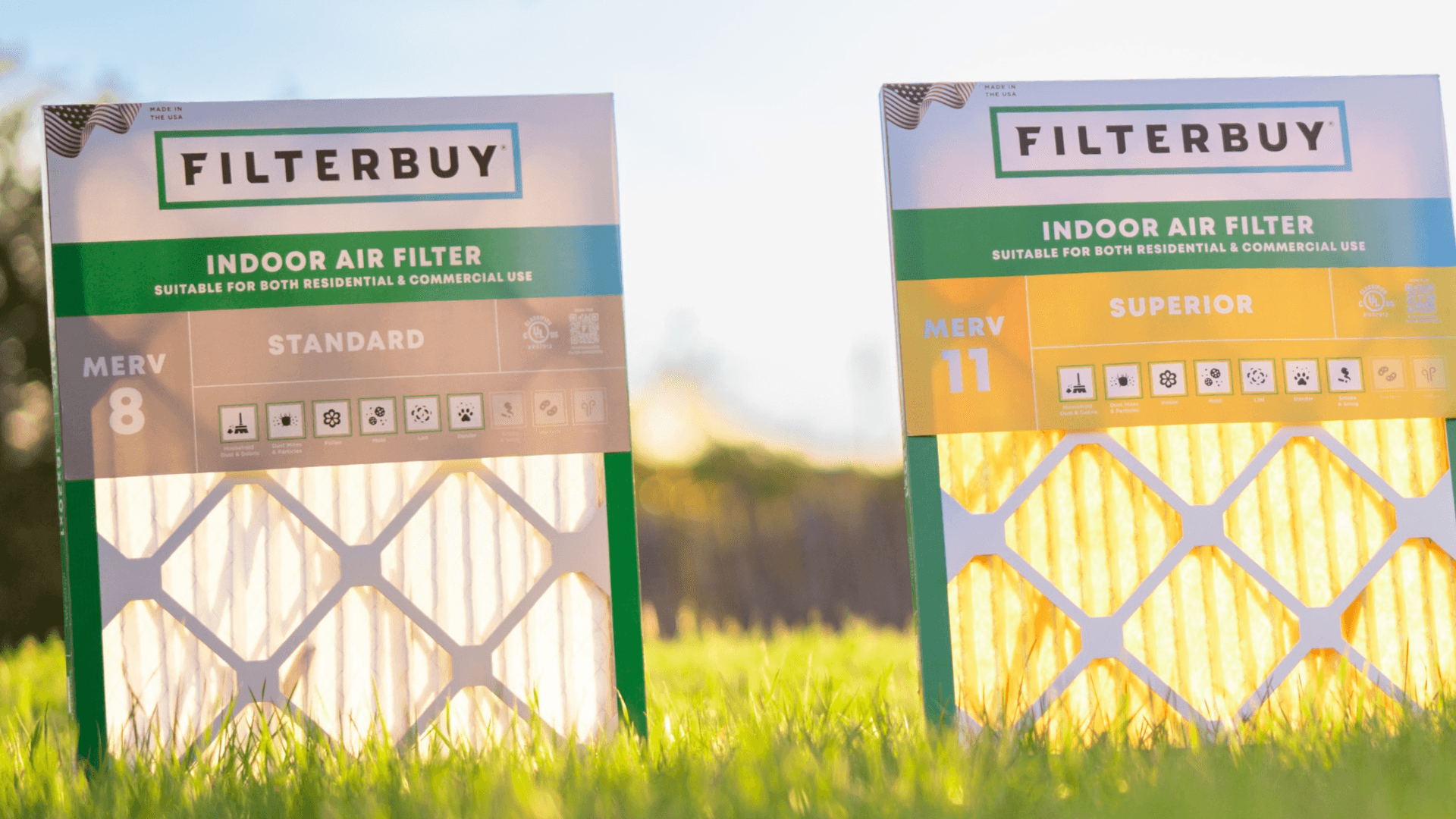
Moving from MERV 8 to MERV 11 usually gives you better particle capture with a modest increase in airflow resistance. Most modern residential systems handle MERV 11 when the filter is sized correctly and changed on schedule. Choose the highest MERV your system can accommodate and watch for airflow symptoms after the switch.
MERV 11 captures more allergy-size particles than MERV 8 with only a modest increase in pressure drop for most systems.
Most residential blowers handle MERV 11 if the filter fits snugly and is replaced on schedule.
Pressure drop depends on MERV, size, thickness, pleat design, and airflow. Check the product data or have a tech measure static pressure.
After upgrading, watch for airflow symptoms and adjust if needed. A thicker filter of the same MERV, a different MERV, or a pro check can help.
Your blower pulls air through the return filter. Pressure drop is the resistance the filter adds to that airflow. More resistance means the blower works harder to move the same amount of air. A small increase is normal as you go up in MERV. A large increase can reduce airflow, hurt comfort, and raise energy use.
| Aspect | MERV 8 | MERV 11 |
|---|---|---|
| Particle capture | Good for large dust, lint, basic pollen | Better for smaller particles (more pollen, pet dander, fine dust) |
| Airflow resistance (same size, same airflow) | Lower than MERV 11 (typically) | Higher than MERV 8 (typically) |
| Health protection | Solid baseline | Improved reduction of allergy-relevant particles |
| When it fits best | Basic filtration, older or marginal systems | Homes targeting cleaner air without jumping to MERV 13 |
Important: Actual pressure drop varies by filter size, thickness, pleat count, media, and system airflow. Two MERV 11 filters can behave very differently. Check the product data if you want exact numbers or ask a technician to measure static pressure before and after the upgrade.
Start with your goal. If you want fewer sniffles and less dust, MERV 11 is a sensible step up from 8.
Match the exact size. A snug fit prevents bypass leaks where unfiltered air sneaks around the frame.
Think about depth. A 2 to 5 inch pleated filter often has more surface area and lower pressure drop than a 1 inch at the same MERV if your cabinet is built for it.
Watch for airflow symptoms. After upgrading, notice if rooms feel stuffy, supply air is weaker, cycles are longer, the blower is noisier, or the system short cycles. If so, try a thicker filter cabinet option of the same MERV, step back one MERV level, or have a pro check total external static pressure and duct leaks.
Change on schedule. A loaded filter has a higher pressure drop. Replace about every 90 days in typical homes. Change sooner with pets, heavy dust, or smoke season.
Most residential blowers have enough headroom to handle the modest increase from MERV 8 to MERV 11 when the filter fits properly and is replaced on time. You get noticeably cleaner air without a large jump in resistance that can come with some higher MERV options.
Charts plot pressure drop vs. airflow (CFM) for a specific filter size/model.
Find your system’s typical CFM (many homes run 300–400 CFM per ton of cooling) and your filter size. Read the chart at that point.
Compare lines. A steeper/higher line means more resistance at the same airflow.
If your operating point sits well below the blower’s maximum static pressure spec, you’re in the clear; if it’s close, consider a thicker, higher-surface-area filter at the same MERV or consult a pro to check total external static pressure.
Right size and tight seal. Filterbuy makes MERV 8, MERV 11, and MERV 13 pleated filters in hundreds of standard sizes plus custom sizes for a snug fit.
Media that performs. Synthetic electrostatic pleated media for strong capture with steady airflow, plus rigid frames and deep pleats designed to last up to 90 days.
Options that match your home. MERV 8 for everyday dust. MERV 11 for pets and allergy concerns. MERV 13 for finer particles where your system allows. Odor Eliminator adds activated carbon for smells.
Ordering is easy. Made in the USA. Fast free shipping. Auto Delivery and multi-pack savings help you stay on schedule.
Upgrading from MERV 8 to MERV 11 is a smart way to get cleaner air with a modest change in resistance. Choose the exact size, keep replacements on schedule, and watch airflow. Your system will usually maintain healthy performance while capturing more allergy-size particles.

Usually no. In a healthy system with the correct size and regular changes, MERV 11 adds only a modest resistance.
It’s how hard the blower has to work to pull air through the filter. Higher drop means more resistance.
Look for weaker supply air, stuffy rooms, longer run times, short cycling, louder blower noise, or icing on cooling calls.
About every 90 days in typical homes. Check monthly and change sooner with pets, heavy dust, or smoke events.
Often yes. A 2–4 inch pleated filter has more surface area, so it can deliver lower pressure drop at the same MERV than a 1-inch, if your cabinet accepts it.
Use it if your system maintains design airflow with it. If not, MERV 11 is a safe upgrade from MERV 8 and still boosts capture.
Yes. Pleat count, media, and frame design affect resistance and performance. Compare specs when possible.
Not if airflow stays within spec and you change filters on time. Clogged filters are the bigger energy penalty.
You can use a manometer and test ports across the filter, but most homeowners have a technician check total external static pressure.
Yes. It catches more fine dust before it coats coils and blower parts, which helps efficiency and longevity.
Not by itself. For smells or some gases, choose a filter with activated carbon (e.g., an odor-eliminator option).
