Shop by

Did you know the air in your home carries dust, allergens, and pollutants? These can affect your health and HVAC system's efficiency.
Thankfully, air vent filters help by trapping harmful particles and contaminants. Plus, they come in different materials: pleated, fiberglass, washable, electrostatic, and HEPA types.
But, without maintenance, filters clog and worsen indoor air quality. So, make sure to follow regular inspections, cleaning, and replacements to keep your air fresh.
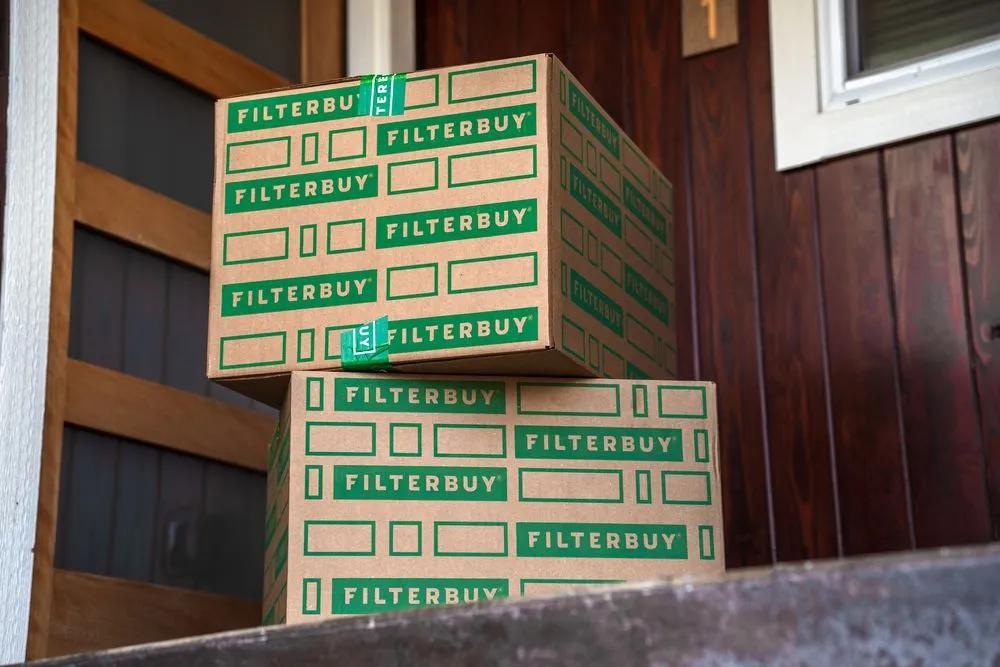
Tucked away in your home's HVAC system, these air vent replacement filters perform critical functions. Primarily, these components ensure circulating air quality within living spaces. They accomplish this by capturing and eliminating minuscule particles such as dust, pollutants, and allergens, which, without filtration, could harm your health or HVAC system.
Knowing the concept of filter efficiency is crucial to understanding air vent filters. Efficiency refers to a filter's ability to catch and retain particles of different sizes. Filters with high efficiency excel at trapping smaller particles, thereby improving indoor air quality. But efficiency isn't the sole factor; airflow dynamics within the HVAC system are also crucial.
Airflow dynamics relate to the movement of air through your HVAC system. Air vent filters' design and condition significantly influence this. Well-maintained filters foster smooth airflow, easing the burden on your system and promoting energy efficiency. On the other hand, neglected filters obstruct airflow, compelling your system to work harder. This situation leads to higher energy consumption and possible system damage. Comprehending these vital aspects helps ensure optimal performance and longevity for your system.
Air vent filters are perfect for providing a healthy and comfortable habitat. They help improve air quality by trapping dust particles and allergens that may affect your health.
Such replacement filters are also essential for boosting energy efficiency. They also help ensure your heating, ventilation, and air conditioning systems (HVACs) are at their prime. Additionally, well-made air vent replacement filters assist in cutting down on the system's energy usage. This will then bring down utility bills and help users save a lot from future expenses.
Air vent filters extend the lifespan of HVAC systems. Prevention of dirt and dust accumulation spares homeowners from expensive repairs or untimely system replacement.
These replacement filters are not mere accessory parts of our HVAC systems. They are critical components that maintain air quality, bolster energy efficiency, and safeguard the system's lifespan. Therefore, every household should prioritize their regular upkeep and prompt replacement.
While understanding the importance of air vent filters is not that complex, knowing the array of types available and their specific functions empowers homeowners to make well-informed decisions.
Air vent filters come in many types, making selection a tricky process. Pleated filters, common and effective, employ a unique folded design similar to an accordion. This design aids in trapping more particles due to its increased surface area.
Fiberglass filters, while cost-effective, often fall short in filtration efficiency. They are usually disposable. On the other hand, washable filters might seem expensive initially but prove economical over time due to their reusable nature.
Electrostatic filters present another option. These filters are special because they use static electricity to attract and trap particles, providing high filtration levels. For example, consider High-Efficiency Particulate Air (HEPA) filters for better efficiency. In fact, these replacement filters are popular for their efficiency, as they can capture up to 99.97% of airborne particles.
For those dealing with odors, carbon filters serve as an excellent choice. These filters contain activated carbon, which absorbs volatile organic compounds and gases.
When choosing the right air filter, consider size and ratings. Filter sizes must align with your air vent's specifications. Ratings like the Minimum Efficiency Reporting Value (MERV) indicate a filter's efficiency in capturing particles of different sizes. Keeping these factors in mind helps select the most suitable filter.
Air vent filters need regular maintenance and replacement for the best performance and good indoor air quality. This job requires knowledge of cleaning procedures and understanding when replacements are necessary. Both of these aspects largely depend on filter materials and the cleaning methods employed.
Different filter types necessitate diverse cleaning techniques. Some filters are of single-use variety, hence, they require no cleaning. Others might need vacuuming or washing. Manufacturer's guidelines offer the best advice on cleaning techniques.
The material used in the filter plays an important role too. Filters made of fiberglass are generally single-use, whereas pleated and electrostatic filters are often reusable and cleanable. Proper maintenance of air filters ensures their maximum effectiveness and extends the lifespan of your vent system.
For an optimal maintenance routine, keep in mind the following tips:
1. Inspect air filters regularly for dust buildup and any damage.
2. Every 1-3 months, or as suggested by the manufacturer, clean or replace filters.
3. Make sure filters are properly installed and fit correctly in the vent system.
However, keep in mind, that the performance of air vent filters in improving respiratory health depends heavily on regular maintenance and replacement. Neglected filters, clogged or dirty, will not only underperform but might also become air pollution sources. Regular filter upkeep is, therefore as important for maintaining optimal respiratory health.
Yes, air vent filters are essential for improving indoor air quality. They effectively trap dust, pollen, pet dander, and other airborne particles, protecting both your HVAC system and your family's health.
Change standard air vent filters every 60-90 days. High-efficiency filters may need replacement every 6 months, while homes with pets or allergies require monthly changes. Always follow manufacturer guidelines for optimal performance.
They remove contaminants from the air, ensuring high indoor air quality. However, clogged or low-quality filters restrict airflow, reducing system efficiency and its ability to maintain comfortable indoor temperatures.
They act as the first barrier against mold growth in systems, capturing spores that might otherwise lead to mold spread. The type of filter chosen affects their effectiveness.
Homeowners aiming for energy efficiency often close vents in unused rooms. However, understanding the impact of this action is crucial. While it may seem logical, closing vents adds unnecessary strain to the system.
Adding HEPA filters to home ventilation systems improves indoor air quality significantly. People with asthma or allergies often find substantial relief with them. However, homeowners should remember that these filters have a defined lifespan.
Install air vent filters in the main return air grille or the air handler unit. Most homes have a clearly marked filter slot near the air handler or behind the return air vent cover.
Regularly cleaning vents and air filters reduces dust buildup. Frequent filter replacement is essential.
Install air vent filters with the arrow on the frame pointing toward the air handler unit (in the direction of airflow). Incorrect installation reduces filtration effectiveness and may damage your system.
Most residential systems require only one correctly sized filter. Adding extra filters increases resistance, reduces airflow, and risks damage, which lowers efficiency.
This choice depends heavily on filter types and their cleaning needs. Disposable filters are single-use, while electrostatic filters can be cleaned and reinstalled.
No, placing dryer sheets in air vents is dangerous. This practice can block airflow, release harmful chemicals, and create fire hazards. Use proper air freshening methods instead.

