
Best Air Purifier for Mold and Dust Allergies — Breathe Cleaner, Safer Air Today
August 27, 2025
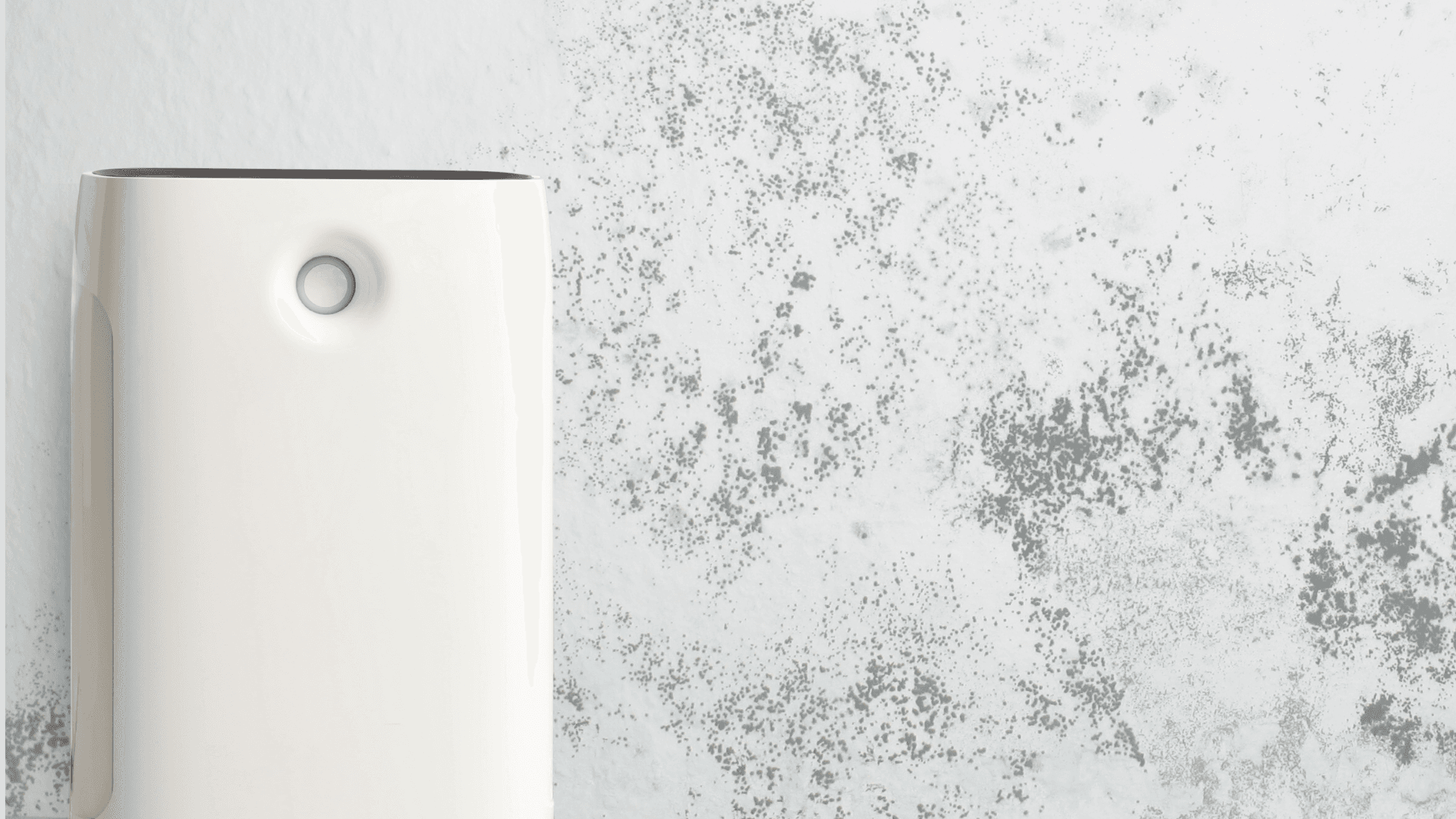
Mold spores and fine dust can trigger sneezing, itchy eyes, congestion, and asthma. A true-HEPA air purifier helps by pulling air through a dense filter that traps those particles before you breathe them. For best results, fix moisture problems first, keep surfaces clean, and run a purifier that’s sized for your room.
Key takeaways:
Choose true-HEPA that filters for ≥99.97% at 0.3 µm.
Size by CADR. Minimum smoke CADR should be ⅔ of room square footage.
Add carbon for odors. Helpful for musty smells or VOCs.
Run it continuously. High for the first hour, then Auto/low.
Pair with MERV 11–13 in your HVAC. That lowers spores and dust house wide.
What causes mold and dust allergies
Mold. Mold is always present as tiny spores. It grows when moisture lingers on materials that can feed it—paper, drywall, wood, carpet, or settled dust. Leaks, high indoor humidity (often above 60%), poor ventilation, and condensation around windows or ducts let colonies take hold. Active growth releases more spores and fragments into the air, plus musty odors, which can trigger symptoms.
Dust allergies. Most reactions come from dust-mite allergens, along with pet dander, cockroach debris, and fine particles from fabrics and skin. Dust mites thrive in soft furnishings (bedding, upholstery, rugs) and in humid rooms. Everyday activity—making the bed, walking on carpet, running HVAC or a fan—kicks those particles into the air where they can be inhaled.
What an air purifier can — and can’t — do
It can remove airborne mold spores and dust (including dust-mite debris), which reduces what reaches your nose and lungs. A true-HEPA filter captures ≥99.97% of 0.3-micron particles, which covers most spores and a lot of dust.
It can’t fix the source of mold. If a bathroom, basement, or window frame is damp, clean it and dry it out first. Filtration supplements moisture control; it does not replace it.
Quick picks that matter for mold and dust allergies
True-HEPA (not “HEPA-type”). Look for the 99.97% at 0.3 µm rating.
Right size by CADR. Choose a smoke CADR at least two-thirds of your room’s square footage.
Add carbon if you notice musty odors or chemical smells (VOCs).
Quiet enough to run all day. You should be able to sleep or work with it on low/Auto.
Safe to run. Look for CARB-certified models and, if you want lower bills, ENERGY STAR.
Why these features help both mold and dust
Mold spores are usually between 1 and 10 microns, well within HEPA’s capture range. Dust allergies often come from dust-mite waste pellets around 10–40 microns, plus smaller fragments from skin, fibers, and soil. HEPA traps the larger pellets easily and removes many of the smaller fragments too. In short, a true-HEPA purifier reduces both airborne mold spores and the dust mix that triggers symptoms.
Sizing made simple
As mentioned above, pick a purifier that matches your room using the AHAM “two-thirds” rule.
| Room size (sq ft) | Minimum smoke CADR | Suggested use |
|---|---|---|
| 150 | 100 | Small bedroom, nursery |
| 300 | 200 | Standard bedroom, home office |
| 450 | 300 | Large bedroom, den |
| 600 | 400 | Big living room, large studio |
Tip: During high-symptom days or wildfire season, go one size up or run the unit on a higher setting to increase air changes per hour (ACH).
Setup, placement, and daily use
Place the purifier off the wall with a clear path for airflow (about 6–12 inches of space). Start on high for the first hour, then switch to Auto or low so it can run all day. Keep doors open if you want nearby areas to benefit. If the unit has an ionizer, turn it off unless you’ve confirmed CARB certification.
Maintenance and costs
HEPA filter: Replace about every 6–12 months (follow the indicator or when airflow/noise worsens).
Carbon filter: Replace every 3–6 months if you use it for odors.
Prefilter: Vacuum or rinse monthly to extend HEPA life.
Fresh filters keep performance high and noise low.
Whole-home help: pair a room purifier with your HVAC filter
A room purifier protects the spaces you use most (bedrooms, nursery, office). Upgrading the HVAC return filter to MERV 11–13 reduces mold spores and dust throughout the home whenever the system runs. Use the exact size printed on your current filter and replace about every 90 days. If airflow seems weak on MERV 13, drop to MERV 11 or ask a technician to adjust fan speed.
Filterbuy: simple whole-home support
Room purifiers clean the air where you sit and sleep. For the rest of the house, use a Filterbuy HVAC return filter in MERV 11–13. Filters are USA-made, available in standard and custom sizes, and built to last about 90 days. Orders ship fast and free. Multi-packs can cut your price by up to 70%, and Auto Delivery saves another 5% so replacements arrive right when you need them. If you also notice musty odors, choose the Filterbuy Odor Eliminator (pleated media plus activated carbon) to help with smells while you capture particles.
Mold + dust action plan
Fix moisture and clean surfaces. Dry leaks and damp spots; remove mold on hard surfaces and discard porous materials that stayed wet more than 48 hours.
Run a true-HEPA purifier in the rooms you occupy for hours.
Install a MERV 11–13 HVAC filter for whole-home reduction of spores and dust.
Keep up with filter changes and routine house cleaning (vacuum with a HEPA bag, damp-dust surfaces).
Fix moisture and dust sources, then filter the air you breathe most. A true-HEPA purifier sized to your room cuts airborne mold spores and fine dust. Pair it with a MERV 11–13 HVAC filter for whole-home support and keep both on a regular replacement schedule.
Frequently Asked Questions
Do air purifiers really help with mold and dust allergies?
Yes. A true-HEPA purifier removes airborne mold spores and fine dust so you breathe in less of both.
What is the best air purifier for allergies and mold?
Choose a true-HEPA model sized by CADR ≈ ⅔ of your room’s square footage; add carbon for musty odors.
Will an air purifier help with dust and mold at the same time?
Yes. HEPA captures spores, dust-mite debris, and other fine particles in one pass.
What type of HVAC filter is best for mold?
Use a MERV 11–13 pleated filter in the return; it reduces spores house-wide whenever the system runs.
Can a HEPA filter remove mold?
It removes mold spores in the air, not colonies on damp surfaces—fix moisture and clean first.
How do I tell if I have mold in my house?
Look for musty smells, visible spots on walls or windows, humidity above 60%, or symptoms that improve outdoors.
Where should I place the purifier?
Give it 6–12 inches of space from walls and furniture, with a clear path to the room.
How many purifiers do I need?
Start with the bedroom (and nursery or home office). Add one for the main living area if symptoms persist.
Should I run the purifier all day?
Yes. Use high for the first hour, then Auto/low so it cleans continuously.
Do I keep windows open or closed?
Keep windows closed while purifying; open them only when outdoor air is clean and humidity is low.
What humidity level helps with mold and dust-mite control?
Aim for 30–50% RH and avoid going above 60%; use exhaust fans or a dehumidifier if needed.
Are ionizers or UV necessary?
No. True-HEPA is the key. If an ionizer is included, make sure it’s CARB-certified and leave it off unless needed.
How often should I replace filters?
HEPA: every 6–12 months.
Carbon (for odors): every 3–6 months.
Clean the prefilter monthly.
What is CADR and why does it matter?
CADR is the unit’s clean air delivery rate; a higher number means faster cleaning for dust, smoke, and pollen.
Do I still need an HVAC filter if I use a room purifier?
Yes. A MERV 11–13 HVAC filter lowers particles throughout the home; the room purifier provides targeted cleanup where you spend time.
Will a MERV 13 filter hurt my system?
Most modern blowers handle MERV 13 when the filter is the correct size and replaced on schedule; if airflow drops, use MERV 11 or ask a technician to adjust fan speed.
How fast will I notice results?
Many people feel a difference within days once moisture is controlled and the purifier runs continuously.
Is a nearby store better than buying online?
Either works. Just match room size, CADR, and true-HEPA specs. For HVAC, order your exact filter size (Filterbuy offers standard and custom sizes).