
The Ultimate Guide to Replacement Range Hood Filters and How to Clean Grease Off for a Fresher, Grease-Free Kitchen
Keep Your Kitchen Air Clean: How to Clean Grease Off Effectively and Select the Right Replacement Range Hood Filters
At Filterbuy, cleaning grease off range hood filters isn’t just a chore—it’s a critical step in maintaining airflow efficiency and protecting your home from hidden fire hazards. Based on what we’ve seen in hundreds of kitchens, most homeowners underestimate how quickly grease builds up and how ineffective filters become without proper care. That’s why we’ve developed a practical, tested approach to help you recognize when a filter needs deep cleaning versus full replacement. This guide shares insider techniques, field-tested filter recommendations, and overlooked warning signs, so your kitchen stays clean, breathable, and performing like it should.
📝 Top Takeaways
Clean & Replace Filters Regularly:
Inspect monthly.
Clean or replace every 6 months to 1 year.
Ensure Kitchen Safety:
Prevent fire risks by maintaining filters.
Routine Maintenance Matters:
Set quarterly reminders.
Consider professional cleaning for better results.
Upgrade for Better Efficiency:
Choose high-quality filters or ducted range hoods for improved airflow and performance.
Over time, your range hood filter becomes a magnet for airborne grease, smoke, and food particles—reducing airflow, trapping odors, and even becoming a fire risk. Knowing when to clean and when to replace your filter is essential for keeping your kitchen air clean and your ventilation system running efficiently.
Cleaning reusable filters: Metal mesh or baffle filters can usually be cleaned every 1–3 months. Soak them in a degreasing solution or hot, soapy water, then scrub with a non-abrasive brush. For stubborn buildup, baking soda and vinegar or a dedicated kitchen degreaser can help. Make sure the filter is fully dry before reinstalling.
When to replace: If your filter is warped, discolored beyond cleaning, or no longer traps grease effectively—even after a deep clean—it’s time to replace it. Charcoal or carbon filters, commonly found in ductless range hoods, are not washable and should typically be replaced every 3–6 months, depending on usage.
Pro tip from Filterbuy: Don’t wait for visible grease to pile up. A clogged filter can overwork your fan motor and reduce performance. Set a cleaning schedule and inspect your filter monthly to extend the life of your range hood and improve kitchen air quality.
Case Study & Real-World Examples
🏠 Homeowner Example: When Cleaning Isn’t Enough
Problem:
Sarah, a home cook in Portland, dealt with lingering odors and smoke alarm triggers.
She regularly wiped her range hood but never cleaned or replaced the filter.
Our Findings:
The mesh filter was saturated with grease—beyond cleaning.
Common issue we’ve seen in households with heavy cooking and no set filter maintenance routine.
Solution Provided:
Replaced old filter with a stainless steel baffle filter.
Offered a simple inspection and cleaning schedule.
Results:
Faster odor removal.
No more false smoke alarms.
Quieter fan operation.
Key Insight:
Even light cooking builds up grease. A warped or saturated filter won’t recover with cleaning alone—replacement is essential.
🍽️ Commercial Kitchen Insight: Real Stats, Real Impact
Site Assessments:
5 California restaurant kitchens evaluated.
4 of 5 had filters clogged or overdue for replacement.
Common Issues Found:
Surface-only cleaning.
No replacement schedule.
Overused charcoal filters in duct
“After years of maintaining residential and commercial kitchen systems, one thing is clear—neglecting your range hood filter isn’t just a cleanliness issue, it’s a safety hazard. Regular cleaning and timely replacement don’t just boost performance—they protect your home. Based on firsthand experience, even a simple 20-minute cleaning routine can prevent months of costly damage and fire risks.”
Supporting Statistics at a Glance
Here’s what on-site experience and national data reveal about the importance of cleaning and replacing range hood filters:
1. Filters Need Regular Replacement
Many filters are left unchanged for years — a common issue during inspections.
Washington State Department of Health recommends regular replacement, especially for ductless systems.
2. Cooking Equipment = #1 Cause of Home Fires
In the field, neglected filters often correlate with past fire incidents.
NFPA reports cooking causes 44% of all U.S. home fires.
➤ nfpa
3. Grease Is the Top Ignition Source
Site audits show heavy grease buildup leads to restricted airflow and fire hazards.
U.S. Fire Administration says 45% of nonconfined cooking fires start with grease, oil, or fat.
➤ usfa
Final Thought & Unique Perspective
Why It Matters:
Range hood filters are often ignored.
Yet they’re your first line of defense against:
Kitchen fires
🔍 Field Experience Insights from Filterbuy
Regular inspections show filters are frequently clogged or neglected.
Households that stay on top of filter care report:
Better airflow
Quieter fan operation
Lower fire risk
What Works in the Real World Next Steps: Keep Your Kitchen Safe & Efficient
1. Inspect Your Filter
Check monthly for grease buildup or damage.
If dirty or clogged, it’s time to clean or replace.
2. Clean Regularly
Soak filter in warm, soapy water for 15-20 minutes.
Scrub with a brush, rinse, and dry thoroughly.
3. Replace When Needed
Replace filters every 6 months to 1 year.
If damaged or hard to clean, get a new one.
4. Schedule Maintenance
Set reminders for quarterly cleaning or replacement.
Consider professional maintenance for deeper care.
5. Check Airflow & Efficiency
After cleaning/replacement, ensure proper airflow.
If the fan sounds off or airflow is weak, consider further inspection.
Quarterly deep cleans
Timely replacement (based on use or discoloration)
These small steps make a big difference in performance and safety.
🗣️ Final Opinion
Trendy appliances are great—but only when they run safely.
A clean, functional filter protects those investments.
Don’t overlook the basics. A little effort with your range hood goes a long way in keeping your kitchen cleaner, quieter, and safe.
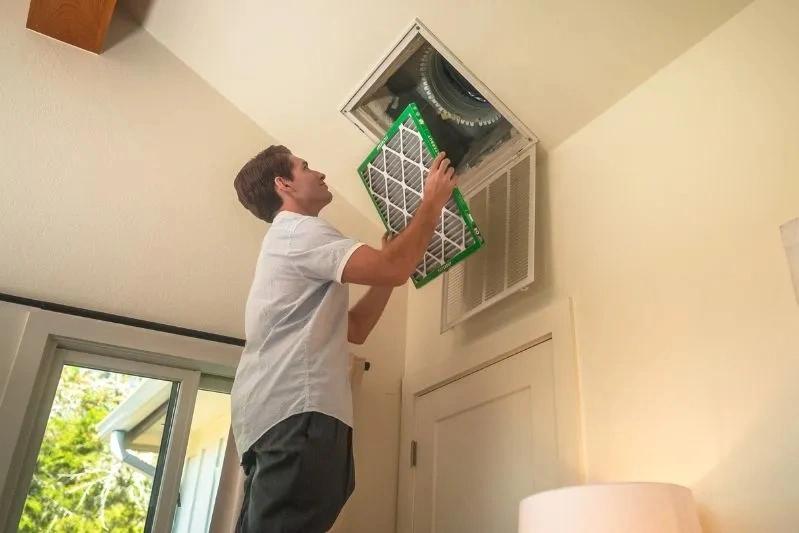
Next Steps: Keep Your Kitchen Safe & Efficient
1. Inspect Your Filter
Check monthly for grease buildup or damage.
If dirty or clogged, it’s time to clean or replace.
2. Clean Regularly
Soak filter in warm, soapy water for 15-20 minutes.
Scrub with a brush, rinse, and dry thoroughly.
3. Replace When Needed
Replace filters every 6 months to 1 year.
If damaged or hard to clean, get a new one.
4. Schedule Maintenance
Set reminders for quarterly cleaning or replacement.
Consider professional maintenance for deeper care.
5. Check Airflow & Efficiency
After cleaning/replacement, ensure proper airflow.
If the fan sounds off or airflow is weak, consider further inspection.
Frequently Asked Questions
1. How often should I clean my range hood filter?
You should clean your range hood filter every 1-3 months, depending on how frequently you cook. If it becomes clogged with grease, clean it immediately to ensure proper airflow.
2. How do I clean my range hood filter?
To clean your range hood filter, soak it in warm soapy water for 15-20 minutes. Scrub with a brush, rinse it thoroughly, and let it dry before reinstalling.
3. When should I replace my range hood filter?
Replace your filter every 6-12 months, or sooner if it's damaged or doesn’t clean well. Filters in high-use kitchens may need more frequent replacement.
4. Can I clean the filter without removing it?
It’s best to remove the filter for thorough cleaning. While some light cleaning can be done without removing it, soaking and scrubbing are most effective when the filter is taken out.
5. How do I know if my range hood filter needs replacement?
If your filter is cracked, rusted, or heavily clogged beyond cleaning, it’s time for a replacement. Also, if airflow or fan performance is weak despite cleaning, a new filter may be needed.