Shop by
Carbon air filters from Filterbuy purify indoor air through a process known as adsorption. Since they act like sponges, they absorb noxious chemicals and odors in your home. That’s why, each of them contains millions of tiny holes that trap these pollutants effectively.
In case you didn’t know, they are different types of carbon filters. And carbon blocks catch larger particles, while activated carbon removes odors. They are friendly to the environment because they do not release anything harmful into the air
To keep them working well make sure to replace the filters every three to six months so they can do their job properly. You can see how efficient these filters may be in purifying the air. And learn why they’re great for your home.
Activated carbon filters help clean indoor air by trapping harmful particles.
The small pores in these filters catch gases and other unwanted chemicals like VOCs.
A large surface area allows carbon air filters to hold more pollutants than other types of filters.
Filterbuy offers reliable carbon air filter options for easy replacement and consistent performance.
Activated carbon, also known as activated charcoal, plays a key role in air filtration. This black porous material is made from carbon and has a structure that makes it great at cleaning the air.
What makes it special is its massive surface area. Just a small amount can cover thousands of square meters. This gives it the ability to trap a wide range of pollutants and keep indoor air cleaner.
Its tiny holes pull in contaminants and hold them in place. Some versions are treated to boost their filtering power even more, which helps them handle different types of air pollutants.
In the pursuit of cleaner air, note that not all activated carbon filters perform equally. Prioritize filters with high carbon content and proven success. This ensures investment in a solution that truly improves air quality.
There are different kinds of carbon filters and each one is made for a specific purpose. Most use either activated carbon or carbon block as the main material.
Activated carbon is highly effective because of its porous structure. It works best for cutting down strong smells and airborne chemicals like VOCs.
Carbon block filters are more dense and can trap larger particles. They often work alongside other filters to give your air an extra layer of protection.
These filters from Filterbuy can also vary based on form. Options include loose granular carbon or solid blocks.
The right carbon filter depends on what you need. Granular types work well for quick odor removal, while block filters are better for deeper, more thorough air cleaning.
Choosing the right filter with Filterbuy plays a big role in keeping the air in your home as clean and healthy as possible.
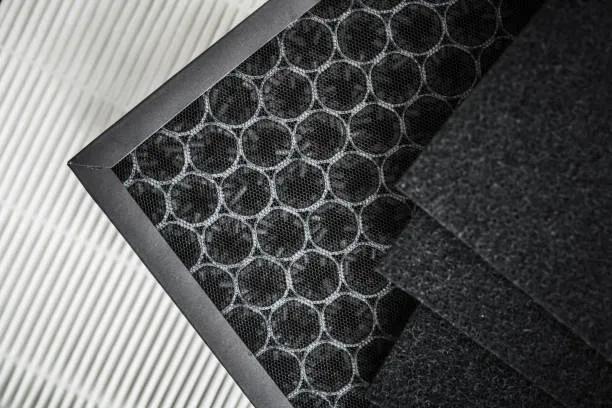
Choosing the right carbon filter starts with knowing the different types out there. This helps you find one that actually fits what you need. The right filter can change the way your home smells and feels every day.
Activated carbon filters do a solid job of clearing out smoke, bad odors and harmful stuff in the air like VOCs. Their surface holds a large amount of unwanted particles which helps make the air feel fresh and easier to breathe.
They are also a safer option for the environment. Some purifiers put new pollutants into the air, but carbon filters clean without causing more problems.
Some air purifiers send ozone into the air, but carbon filters do not release anything harmful. They clean the air without adding new problems, which makes them a smart choice if you want to keep your space healthy and your impact low.
In the end, a good carbon filter from Filterbuy does more than just clean the air. It helps support your health and the planet. That’s a win-win worth investing in.
If you want your carbon filters to work well you need to do more than just install them and walk away. Pay attention to how long they have been in place. Know when they need to be replaced. Set a reminder to check them every so often so you are not breathing dirty air without knowing it. Here are a few things that help keep your air clean:
Lifespan
Most carbon filters last about three to six months but that depends on how often you use them and how clean or dusty your space is.
Follow the instructions that come with your filter. This will give you clear steps to help you get the best results.
Replacement Frequency: Regularly monitor filter condition.
Decreased airflow or increased dust indicates a need for replacement. Some smart filters have indicators for replacement alerts.
Regular Check-Ups: Inspect filters periodically for visible wear or saturation.
Gently vacuuming removes surface dust but doesn't replace the need for new filters. Like a sponge, it can only be effective for so long. So, make it a habit to replace your cabin air filters regularly with Filterbuy.
Yes, carbon air filters are highly effective at removing odors, gases, and volatile organic compounds (VOCs) from indoor air. However, they are not designed to trap airborne particles like dust, pollen, or pet dander. For best results, use them alongside a HEPA filter.
Neither is strictly better as they serve different purposes. Carbon filters eliminate odors and chemical fumes, while HEPA filters remove fine particles such as dust, allergens, and mold spores. For comprehensive air purification, using both together is ideal.
Activated carbon filters lose effectiveness over time as they become saturated with pollutants. They also do not capture particles like dust or allergens, so they should be used with another filter type for full air cleaning.
There is no functional difference. “Charcoal” and “carbon” filters both refer to filters that use activated carbon to absorb airborne chemicals and odors. The terms are used interchangeably.
Carbon filters can become saturated quickly in areas with heavy smoke, cooking odors, or chemical exposure. Once saturated, they stop working efficiently and can release trapped pollutants back into the air. They also do not remove dust or biological contaminants.
Carbon filters can help eliminate musty odors caused by mold but do not filter out mold spores or allergens. For mold remediation, a HEPA filter is required to trap airborne spores effectively.
HEPA filters are better for capturing airborne particles like dust, allergens, and mold spores. If your goal is to improve both air freshness and cleanliness, a combination of carbon and HEPA filters is the most effective solution.
No, carbon filters do not remove dust or other solid particles. They are designed to absorb gases, smoke, and odors. To capture dust, use a HEPA or mechanical filter alongside your carbon filter.
HEPA filters are less common in standard home air purifiers due to their higher cost and the need for strong airflow systems. However, many high-end home air purifiers now include HEPA technology to improve indoor air quality.
Carbon filters do not remove solid particles like dust, pollen, mold spores, or bacteria. They focus on capturing odors, gases, smoke, and chemical pollutants from the air.
A carbon air filter usually lasts between 3 and 6 months. Lifespan depends on usage and exposure to pollutants. In homes with smoke, pets, or strong odors, the filter may need replacing more often.
Replace carbon filters every 3 to 6 months with Filterbuy, or sooner if air quality worsens or odors return. Regular replacement ensures your filter continues to trap gases and VOCs effectively.
