
Michigan Live Wildfire Smoke Map
Get Alerts For Wildfires In Your Area
The moment a wildfire starts near you, you'll get an instant alert and simple tips to reduce your smoke exposure.
What's In The Smoke
30xSmaller than a human hair
Fine enough to reach deep into the lungs. A MERV 13 is built to capture it.
How Far It Travels


It Doesn't Stay Local
Smoke rides the wind far downwind — you can get smoky air with no fire nearby.
What To Do During A Smoke Event
Simple steps to reduce indoor exposure.
- Stay In, Close UpShut windows and doors to keep smoke out.
- Set Fan To "On"Keeps air cycling through your filter, not just when heating or cooling.
- Recirculate AirSwitch off fresh-air intake so you're not pulling smoke in.
- Run A MERV 13Built to capture the fine PM2.5 in smoke.
- Add A PurifierExtra filtration for the room you use most.
- Wear an N95 if OutsideFits snug to block fine particles — a cloth mask won't.


The Best Air Filter For Wildfire Smoke
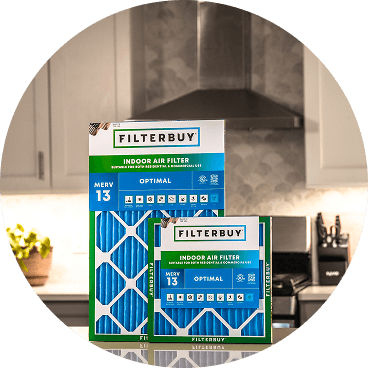
During smoke events, the EPA recommends upgrading to a MERV 13 filter — or the highest-rated filter your system can handle — to help reduce the fine particles smoke brings indoors. MERV 13 is the level most home HVAC systems can run while still capturing PM2.5, the fine particulate that makes up the bulk of wildfire smoke.
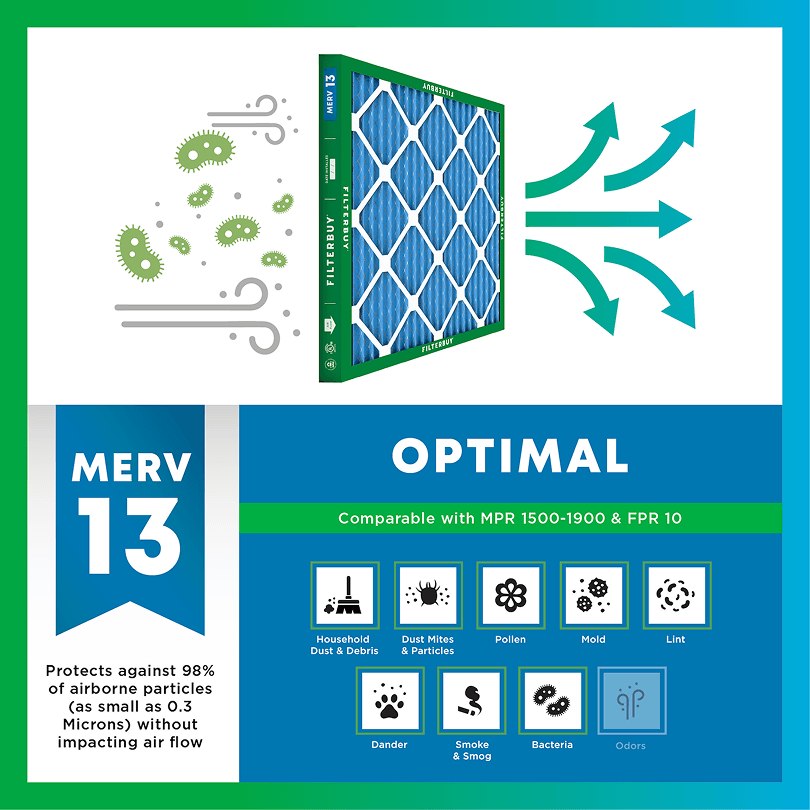

- Captures PM2.5 particles
- Blocks ash, soot, and smoke odor
- Keeps your indoor air safe—even when the outdoor air is dangerous
- Meets the EPA's recommended rating for filtering fine wildfire smoke particles.

Wildfire Smoke FAQs
Facts About Wildfires
Over 70,000 wildfires burn in the U.S. every year.
Wildfire smoke can travel 1,000+ miles, affecting states that aren't even near the blaze.
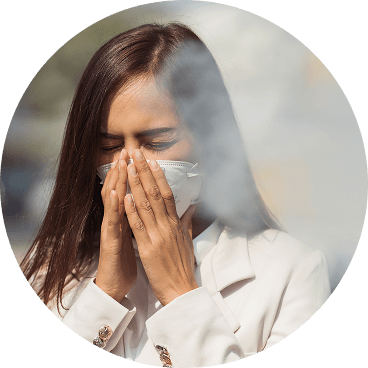
Exposure to wildfire smoke can worsen asthma, trigger heart issues, and lead to ER visits.
Indoor air can hold more fine particles during wildfire events unless it's properly filtered.
The EPA advises using MERV 13 filters or portable HEPA air cleaners during wildfire smoke events.
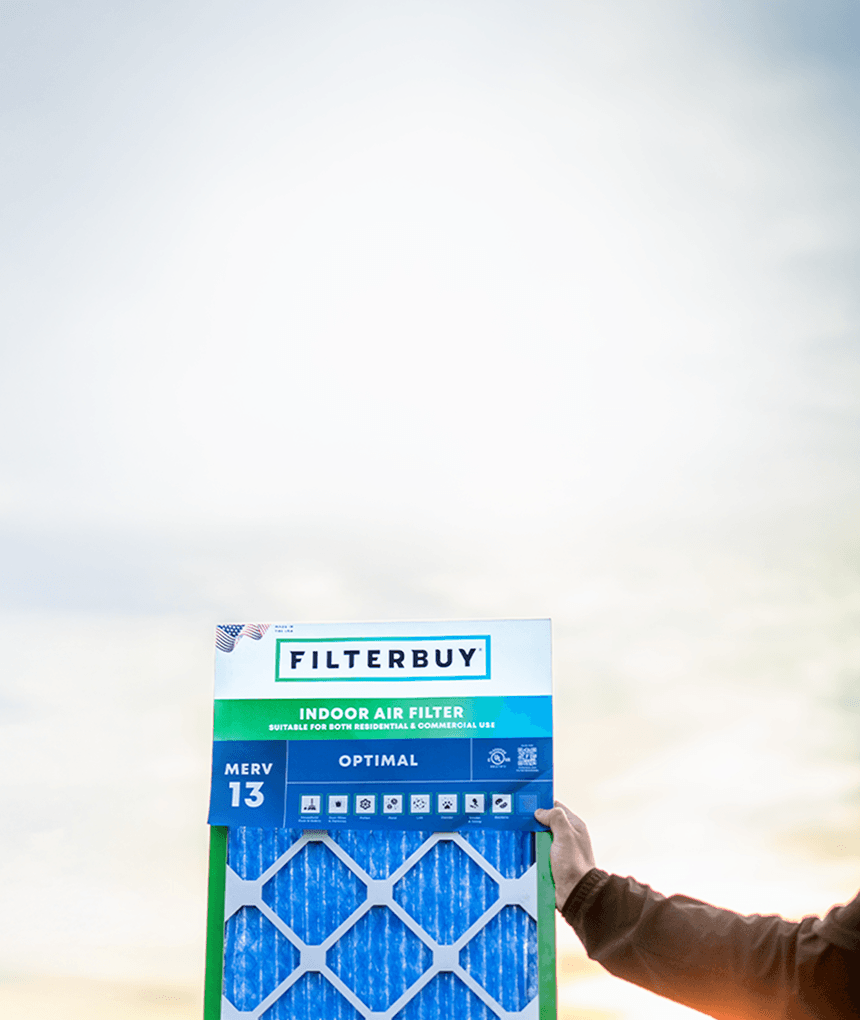
Don't Wait Until The Smoke's Inside.
Use the live wildfire smoke tracker and upgrade your air filters today to protect your lungs and your home.
Shop Filters For Smoke Protection
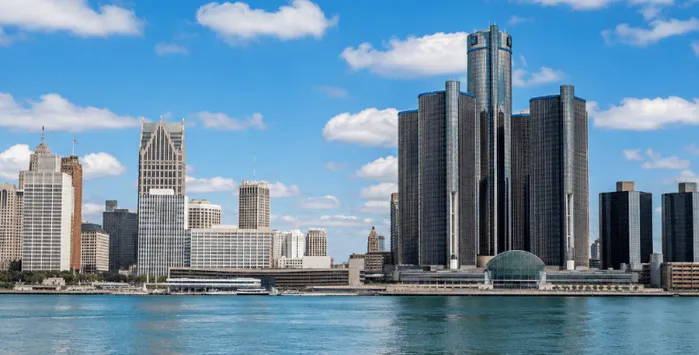
Current Live Wildfire and Smoke Map Michigan Today From Filterbuy.com
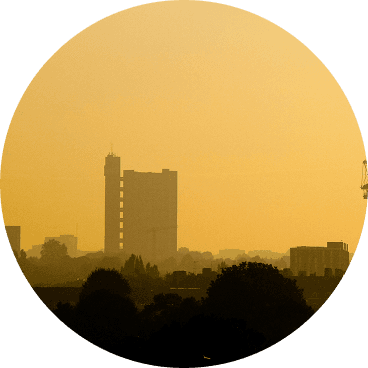
Don't trust a hazy Michigan sky to tell you the whole story. A clear morning can hide a smoke band sitting just above your house, waiting to settle overnight, and an orange-tinted afternoon usually means PM2.5 has already arrived in volume. PM2.5 is the fine particulate that doctors and air quality scientists pay attention to, and most of what reaches Michigan in summer has traveled 600 miles south from a fire in northern Ontario or Quebec. The live map below shows where today's fires are burning, where the smoke is heading, and what the air quality reads for your part of the state right now. Below the map is what we share with our Michigan customers every smoke season: what the alerts actually mean, which filter ratings catch wildfire particulate, and when staying inside is the right call. Save this page. Send it to whoever in your household will notice the air change before you do.
TL;DR Quick Answers
Is the air quality bad in Michigan today?
Check the live map at the top of this page for your county's current AQI. If the reading is below 100, conditions are generally healthy for healthy adults, though sensitive groups should still watch the trend. From 101 to 150 means sensitive groups (children, older adults, pregnant individuals, anyone with asthma or heart disease) should stay indoors. Above 150, everyone limits outdoor activity and runs HVAC fans continuously through a MERV 13 filter. Above 200 is a stay-home day, and a portable HEPA purifier should run in the room where sensitive members spend the most time.
Top Takeaways
Canadian wildfire smoke now reaches Michigan multiple times per summer. Treat smoke days as part of the standard summer hazard calendar.
The colored dots on the map are real-time PM2.5 readings. Anything orange or worse means sensitive groups should be indoors.
MERV 13 is the residential filtration standard for capturing wildfire smoke. Lower MERV ratings will not protect your indoor air during smoke events.
Run your HVAC fan on the ON setting (instead of AUTO) during smoke days. Continuous circulation through the filter is the difference-maker.
Portable air purifiers with HEPA plus activated carbon protect a single room. Designate a clean room for sensitive household members.
Air quality alerts come from EGLE, MDHHS, and the National Weather Service. Sign up for EnviroFlash to get them directly.
How to Read the Live Michigan Wildfire and Smoke Map
Three layers stack on the map. Fire icons mark where wildfires are actively burning, anywhere in North America. Gray shading shows where the smoke from those fires is heading once the wind catches it. The most useful layer for your household is the colored dots. Each dot is a real-time air quality monitor or PurpleAir sensor reporting PM2.5, which is the fine particulate that turns wildfire smoke into a lung-health issue.
Reading the dot color is the fastest way to know whether the air outside your home is safe right now. Each color maps to a value range on the Air Quality Index, the same scale the EPA uses nationwide.
AQI Categories at a Glance
| Color | AQI Category | AQI Range | Health Guidance |
|---|---|---|---|
| Green | Good | 0–50 | Air quality satisfies most health needs. Outdoor activity is fine. |
| Yellow | Moderate | 51–100 | Sensitive groups may notice symptoms with extended outdoor exertion. Most people are unaffected. |
| Orange | Unhealthy for Sensitive Groups | 101–150 | Children, older adults, pregnant individuals, and anyone with asthma, COPD, or cardiovascular conditions should limit prolonged outdoor exertion. |
| Red | Unhealthy | 151–200 | Everyone may start to feel health effects. Sensitive groups should remain indoors with windows closed. |
| Purple | Very Unhealthy | 201–300 | Health alert. Outdoor activity should be avoided. Treat this as a clean-room day for sensitive household members. |
| Maroon | Hazardous | 301+ | Emergency conditions. Stay indoors with filtration running. Wear an N95 if you must go outside. |
Click any monitor dot for a 24-hour trend and recommended actions. Zoom into your county to see hyperlocal readings, since central Detroit can report differently from Royal Oak only a few miles away.
Today's Air Quality Across Michigan
Michigan air quality readings can vary by 50 AQI points across the state during the same smoke event. Lake-effect winds, the position of the jet stream, and how the smoke plume entered the state all decide which metros breathe easier on any given day. Below are the four metros where most of our Michigan customers live, plus a few smaller markets that often show up in our customer service inbox during smoke days.
Detroit air quality today
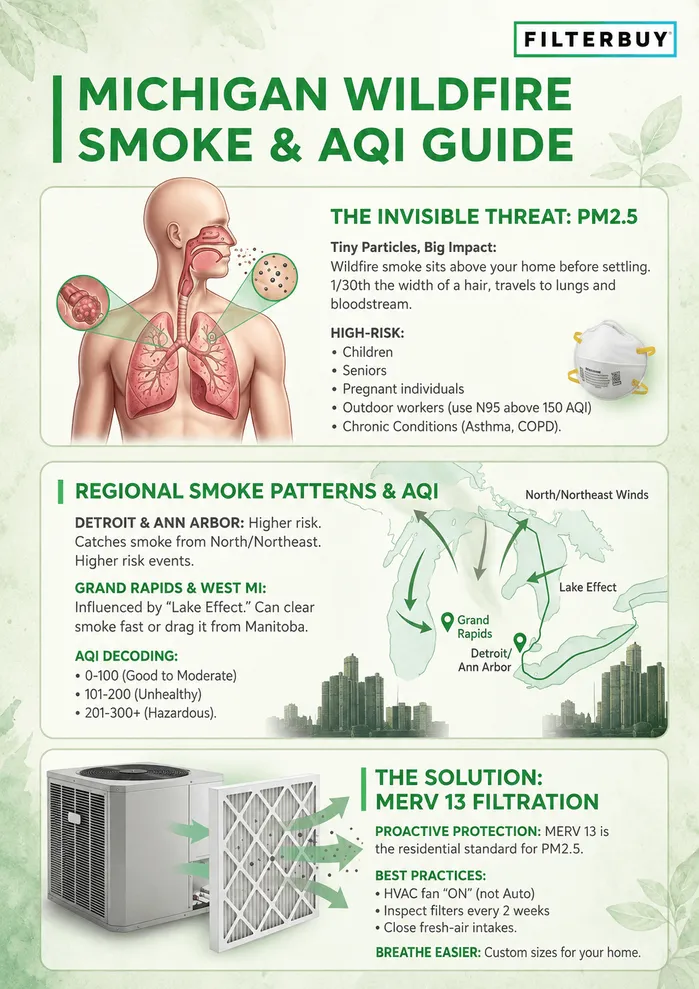
Detroit catches Canadian smoke first when winds come from the north or northeast. The downtown monitor near the Ambassador Bridge usually reads higher than the suburbs west of Telegraph, because of the industrial and traffic baseline that sits on top of any wildfire particulate. If you're in Detroit, Dearborn, Hamtramck, or the Grosse Pointes, expect moderate to unhealthy readings during the summer high-pressure ridges that stall smoke over southeast Michigan for two or three days at a stretch.
Grand Rapids air quality
Grand Rapids has a different smoke pattern. West Michigan often catches smoke from Manitoba or western Ontario, carried south on west-to-southwest flow. The lake effect cuts both ways. Onshore winds off Lake Michigan can clear smoke out fast, but a sustained onshore flow can also drag smoke from upper Wisconsin into Kent and Ottawa counties. Grand Rapids air quality alerts usually show up in the NOAA smoke forecasts about 24 hours ahead of time, which is why we tell our West Michigan customers to check the forecast the night before their kids' outdoor practice.
Lansing air quality
Lansing sits in the middle of the lower peninsula and tends to track regional averages closely. Mid-Michigan readings are useful for tri-county residents (Ingham, Eaton, Clinton) and for the East Lansing campus community. When state-issued air quality action days are in effect, Lansing readings are usually the bellwether for the I-96 corridor between Grand Rapids and Detroit.
Ann Arbor air quality
Ann Arbor monitors pick up smoke from two directions. Detroit-area transport arrives from the east, and the prevailing west-southwest summer winds bring smoke down from the western Great Lakes. The University of Michigan campus has a long history of air quality research, and the city's Climate Action Plan now lists wildfire smoke among the standard seasonal hazards. Washtenaw County residents can use Ann Arbor readings as a reliable indicator for Ypsilanti, Saline, and Chelsea.
Other Michigan markets to watch
Flint, Kalamazoo, Battle Creek, Traverse City, and the Upper Peninsula all show up in our smoke-season customer data. Traverse City often gets clearer readings because of Lake Michigan influence, though Manitoba and northern Ontario smoke can settle over the Grand Traverse Bay area when winds align from the northwest.
Why Canadian Wildfire Smoke Reaches Michigan
Michigan's geography puts the state in the predictable path of Canadian smoke. The boreal forests of Ontario, Quebec, and Manitoba burn during dry summers, and their smoke rides the prevailing west-to-east jet stream flow straight across the Great Lakes basin. A wildfire 800 miles away in northwest Ontario can produce visibly hazy skies in Lansing within 36 hours when the upper-level winds line up.
The 2023 Canadian fire season was the most extreme on record. Smoke from Quebec fires reached Detroit in early June and pushed the air quality index into the Unhealthy and Very Unhealthy categories for days at a time. The 2024 and 2025 seasons brought additional events, though shorter in duration. Most climate and forestry scientists expect this pattern to continue. Smoke events have become a recurring feature of Great Lakes summers, on the same calendar list as humidity and the occasional severe thunderstorm.
Two seasonal mechanics make the exposure worse than it looks on satellite. Summer high-pressure ridges over the eastern U.S. create stagnant air masses that trap smoke close to the surface for days at a time. By evening, the boundary layer collapses and pulls daytime smoke from higher altitudes straight down to where you're breathing, which is why a six a.m. walk on a smoke day usually feels heavier than the previous afternoon did.
For background on how wildfires start and spread in the first place, the Wikipedia overview of wildfire covers the basics.
Health Effects of Wildfire Smoke Exposure
Wildfire smoke is more than visible haze. The harmful component is PM2.5, particulate matter smaller than 2.5 micrometers in diameter, which is about 1/30th the width of a human hair. These particles slip past the upper respiratory defenses your body uses for larger irritants and travel deep into the lungs. Some particles cross into the bloodstream.
Short-term smoke exposure causes eye and throat irritation, headache, coughing, shortness of breath, and worsening of asthma. Longer or repeated exposure raises the risk of cardiovascular events, respiratory infections, and reduced lung function. Wildfire-specific PM2.5 appears to be more biologically reactive than urban PM2.5 from traffic or industrial sources, which is one reason air quality scientists treat smoke events as a distinct exposure category.
Who is at higher risk
Children, whose lungs are still developing and who breathe more air per pound of body weight than adults do
Adults over 65
Pregnant individuals
Anyone with asthma, COPD, chronic bronchitis, or cystic fibrosis
People with heart disease, diabetes, or stroke history
Outdoor workers, especially landscapers, construction crews, and delivery drivers
Action thresholds
At AQI 100, sensitive groups should limit prolonged outdoor activity
At AQI 150, sensitive groups should stay indoors, and healthy adults should avoid strenuous outdoor exercise
At AQI 200, all outdoor activity should be limited, and indoor filtration should be running
At AQI 300, treat this as a stay-home day, and wear an N95 respirator outside if you must leave
This page is informational. For personal health questions, especially if you have a chronic condition, talk to your physician or a Michigan-licensed clinician.
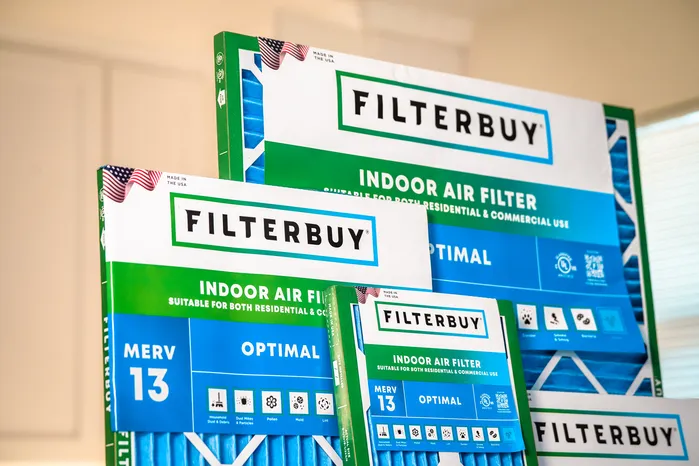
Best Air Filters for Michigan Wildfire Smoke
After manufacturing filters for over a decade and watching what households needed during the 2023 Canadian smoke events, we've found that the single biggest indoor-air difference in wildfire smoke comes from upgrading the filter your HVAC system is already pulling air through.
MERV 13 is the standard we recommend for most Michigan homes. MERV stands for Minimum Efficiency Reporting Value, the ASHRAE-developed scale that rates how well a filter captures particles of various sizes. MERV 13 is the lowest residential rating that meaningfully captures PM2.5, the particle size that defines wildfire smoke. Lower-MERV filters (rated 4 through 8) are built for dust and lint, which means they miss the particle size that drives smoke-day health effects.
When MERV 13 makes sense
Most homes built or HVAC-replaced in the last 20 years can run MERV 13 without restricting airflow. If your blower is properly sized for residential static pressure (which is the vast majority of installations we see in Michigan), MERV 13 will not overwork the motor or reduce comfort.
When MERV 11 is the realistic ceiling
Older systems, especially those with original blowers from the 1980s or earlier, sometimes can't push enough air through a MERV 13. If you've added MERV 13 and noticed reduced airflow or longer run cycles, dropping back to MERV 11 captures fewer particles but keeps the system healthy. A 4-inch or 5-inch deep-pleat MERV 13 (versus a 1-inch panel) is often a workable compromise, because the larger media surface reduces pressure drop.
Filter change cadence during smoke events
A 90-day filter loaded with wildfire smoke is no longer a 90-day filter. During active smoke, inspect every two weeks. Replace the filter when the pleats visibly grey or when you see soot accumulating on the upstream side. We see Michigan customers cut their normal 90-day cycle to 30 or 45 days during heavy smoke seasons.
Sizing
Buy filters in the exact dimensions printed on your current filter (height by width by depth, with depth being the most common error). If your size isn't a standard SKU, we make custom sizes.
Air Purifiers for Wildfire Smoke
Portable air purifiers supplement your HVAC filtration rather than replacing it. Your whole-home MERV 13 filter cleans every cubic foot that passes through the system, while a portable purifier creates a higher-protection zone in one or two rooms where sensitive household members spend most of their day.
What to look for
HEPA filtration is the standard for capturing PM2.5 particles. True HEPA captures 99.97 percent of particles at 0.3 microns, which is the most penetrating particle size. For wildfire smoke specifically, look for purifiers that also include activated carbon. Carbon captures the gaseous components of smoke (volatile organic compounds, formaldehyde, and smoke odor) that pure HEPA filters do not address.
Room sizing
Match the purifier's Clean Air Delivery Rate (CADR) for smoke to your room size. AHAM, the appliance industry standards body, recommends a smoke CADR equal to at least two-thirds of the room's square footage. A 300-square-foot bedroom needs a purifier rated at 200 CADR or higher for smoke. Larger rooms or rooms with high ceilings need proportionally more capacity.
Clean room strategy
During multi-day smoke events, designate one room as the household's clean room. A bedroom with an attached bathroom works well. Close interior doors and run the purifier continuously on the highest tolerable noise setting through the night. Keep windows closed. This is where children with asthma, pregnant individuals, and older adults should sleep during a sustained event.
What to avoid
Avoid ozone generators, ionic purifiers without a HEPA stage, and any unit that lacks a third-party CADR rating. The cheap units that move air aggressively without real filtration media do not protect you in wildfire conditions.
HVAC Settings During Michigan Smoke Events
Your HVAC system is your largest air-filtration tool. During a smoke event, run it deliberately.
Switch the fan to the ON setting
The default AUTO setting only runs the blower when the system is actively heating or cooling, which leaves big gaps in air circulation during stable weather. ON keeps the blower running continuously and pulls indoor air through the filter every few minutes regardless of temperature. The energy cost is a few dollars per day, and the indoor PM2.5 reduction is the most cost-effective air-quality investment we know of.
Close fresh-air intakes
If your system has an Energy Recovery Ventilator (ERV) or Heat Recovery Ventilator (HRV), close the damper or switch the unit off during heavy smoke. Same for any dedicated outdoor-air intake. The goal is to recirculate indoor air instead of pulling smoke in from outside.
Seal the envelope
Close exterior windows and doors. Place a damp towel along the base of exterior doors if you can smell smoke indoors. Avoid running bathroom and kitchen exhaust fans during heavy smoke, since they create negative pressure that pulls outdoor air in through every crack.
If indoor temperatures climb
Use central AC if you have it. Set the thermostat to a temperature you can sustain. Avoid window AC units that draw outdoor air, since most do unless they're explicitly rated as recirculating-only. If staying inside becomes unsafe due to the heat, consider a public cooling center.
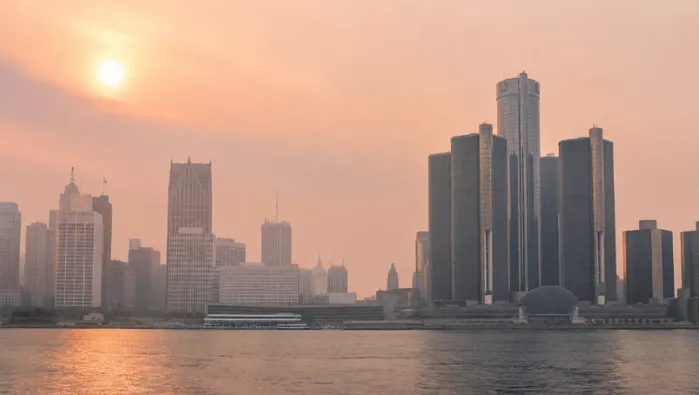
When Michigan Issues Air Quality Alerts and What to Do
Michigan air quality alerts come from three sources, and each one means something slightly different.
EGLE Air Quality Action Days
The Michigan Department of Environment, Great Lakes, and Energy issues these statewide or regional advisories when forecasts suggest particulate or ozone will exceed federal thresholds. Action Days encourage residents to reduce outdoor emissions (driving less, avoiding lawn equipment) and limit outdoor exposure for sensitive groups.
National Weather Service Air Quality Alerts
The NWS issues these when state agencies request public notification. They often accompany large smoke transport events and include specific AQI forecasts for the alert period.
MDHHS health advisories
The Michigan Department of Health and Human Services issues advisories during sustained smoke events that include guidance for schools, athletic programs, and outdoor workers.
Action steps by AQI
AQI 51–100: Sensitive individuals plan ahead. Schedule strenuous outdoor activity for early morning when readings are typically lower.
AQI 101–150: Sensitive groups stay indoors and run filtration. Healthy adults limit prolonged outdoor exertion.
AQI 151–200: Everyone limits outdoor activity. Schools move recess and PE indoors. Athletic practices rescheduled.
AQI 201–300: Stay indoors. Run the HVAC fan ON. Run portable purifiers in the rooms where sensitive household members spend time.
AQI 301+: Emergency response. Stay home if possible. Wear an N95 outdoors if you must travel. Treat the day as a snow-day equivalent for schools and outdoor work.
The 2023 smoke season changed the questions our Michigan customers were asking. Families who had run a basic builder's filter for years suddenly realized those filters were never engineered for fine particulate at wildfire densities. The households that weathered the next event best were the ones who upgraded to MERV 13 before fire season started and ran their HVAC fans continuously once the smoke arrived. That combination of capable filter plus deliberate system operation is what keeps indoor PM2.5 readings low even when the air outside the windows turns orange.
— Filterbuy Team
7 Essential Resources
If wildfire smoke is affecting your area, these resources can help you track air quality conditions, understand health risks, and make informed decisions about protecting your indoor air.
The federal live map combines PM2.5 monitor readings, low-cost sensor data, and detected smoke plumes across the United States and Canada. Source: EPA AirNow Fire and Smoke Map.
Michigan's state air quality authority, with regional monitoring, Action Day notifications, and EnviroFlash sign-up for direct alerts. Source: Michigan EGLE Air Quality Division.
The federal public health agency's guidance on protecting yourself and your household during active smoke events. Source: CDC Wildfires and Wildfire Smoke Safety.
The engineering standards body that defines MERV ratings and publishes Guideline 44-2024 on protecting building occupants during smoke events. Source: ASHRAE Wildfire Response Resources.
The National Weather Service's official smoke and air quality forecast tool, with surface PM2.5 predictions out to 72 hours. Source: NOAA NWS Air Quality Forecast Guidance.
The leading lung-health nonprofit's guidance on respiratory protection, clean rooms, and post-smoke recovery. Source: American Lung Association Wildfire Smoke.
The EPA's educational resource on interpreting air quality data during fires, including how to read AQI reports and use the Fire and Smoke Map effectively. Source: EPA Wildfire Smoke Course.
3 Supporting Statistics
Wildfire smoke is becoming a bigger concern for households across the country, and these numbers help explain why indoor air protection matters more than ever.
The National Interagency Fire Center reported that 64,897 wildfires burned 8,924,884 acres across the United States in 2024, with both totals exceeding the 5-year and 10-year averages. Source: National Interagency Fire Center.
A peer-reviewed study published through the NIH National Library of Medicine PMC archive estimated that more than 10,000 non-accidental deaths per year in the contiguous United States are attributable to long-term exposure to wildland fire smoke PM2.5. Source: NIH National Library of Medicine.
The U.S. Forest Service Smoke Emissions program estimates that exposure to wildfire smoke is associated with more than 300,000 premature deaths globally each year. Source: U.S. Forest Service Research and Development.
Final Thoughts and Opinion
Michigan's wildfire smoke season has stopped being a once-in-a-decade thing. The boreal forests north of the Great Lakes are drier and warmer than they were 30 years ago, and the forecasts say the trend continues. Smoke will arrive in some form most summers now. The variable you actually control is the air inside your house when it does.
In our experience working with Michigan customers since 2023, the households that breathe easiest during a smoke week are the ones who handled the boring decisions in March. They figured out their filter size, ordered a MERV 13 that fits, signed up for EnviroFlash alerts at their actual ZIP code, and picked which bedroom in the house will be the clean room. Those choices feel optional on a clear April day. By the second day of a Quebec-fire smoke event, when you can't see across your backyard, and your kids are coughing, they aren't optional anymore.
For air quality and smoke conditions outside Michigan, our national hub for live wildfire and smoke maps covers every state with active monitoring.
Next Steps
Bookmark this page on your phone. Air quality changes hour by hour during smoke events, and quick access matters more than you'd guess.
Sign up for EnviroFlash air quality alerts through AirNow.gov. Pick your Michigan ZIP code. Choose email or text, whichever you actually read.
Find your HVAC filter size today, before you need a replacement. The dimensions are printed on the side of your current filter. Write them down somewhere you'll find them later.
Upgrade to a MERV 13 filter before the Michigan smoke season builds in late May or June. Order an extra one or two so you can change them more frequently during heavy events.
Identify your household's clean room. Test running a portable purifier in that room now, so you know it works when conditions deteriorate.
Frequently Asked Questions
Two ways to be ready before Michigan's next smoke event
Find your HVAC filter size today and upgrade to MERV 13. We make MERV 13 filters in over 600 standard sizes and custom-cut any size that isn't stocked, so the filter that fits your system is almost always one search away. Setting a delivery cadence that aligns with Michigan's late-spring smoke season is the simplest one-time decision that pays back across every event.
Bookmark this page on the phones of every household member who will need it. Smoke arrives faster than most families expect. The person who notices the air change first protects everyone else.