Sign up for air quality alerts sent straight to your email.
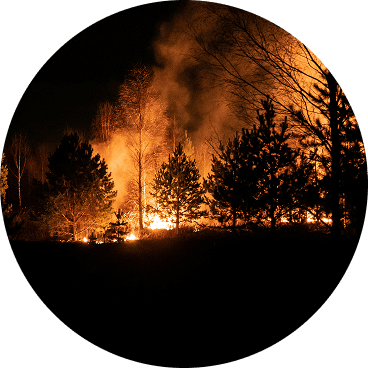
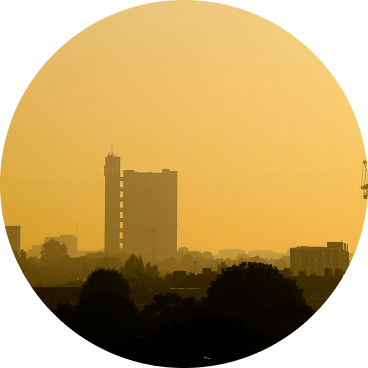
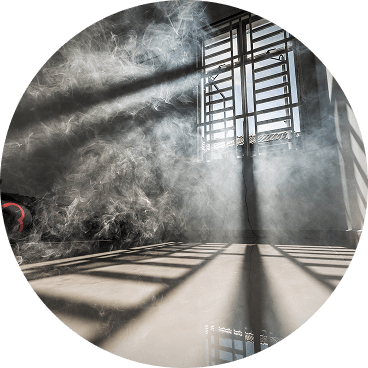
Wildfires are no longer just a local problem. Their smoke can travel hundreds—even thousands—of miles, affecting the air you breathe long after the flames are out.
Use Filterbuy’s Live Wildfire Smoke Map to:
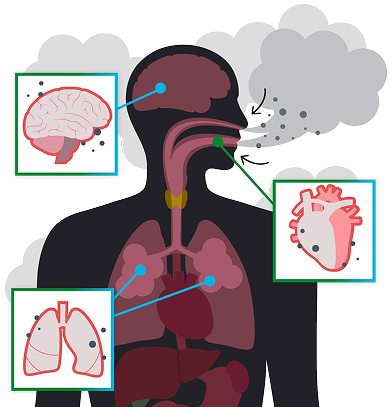
Even if there’s no fire near you, wildfire smoke may already be in your air. Scientific research confirms that PM2.5 fine particles from wildfire smoke can travel across state lines and penetrate deep into your lungs.
Health risks from wildfire smoke include:
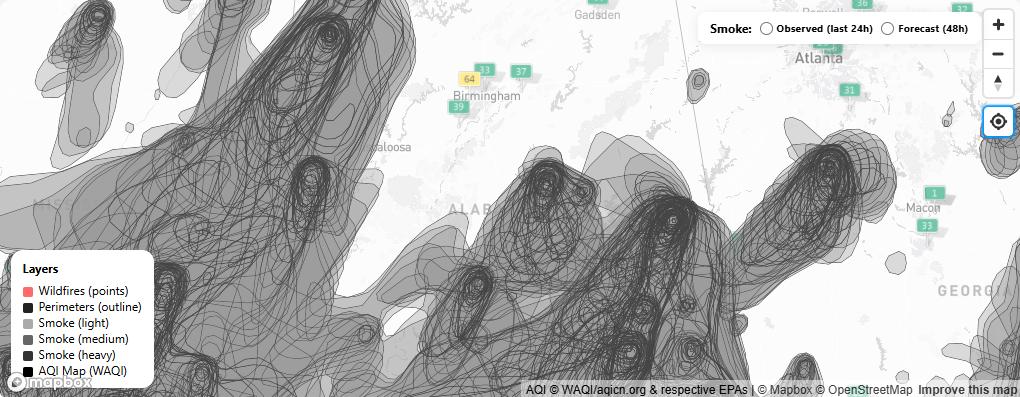
Use the wildfire map and our AQI map for your area daily to check for events near you that may be affecting your air quality.
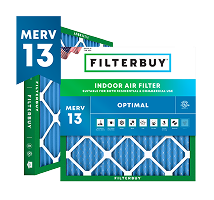
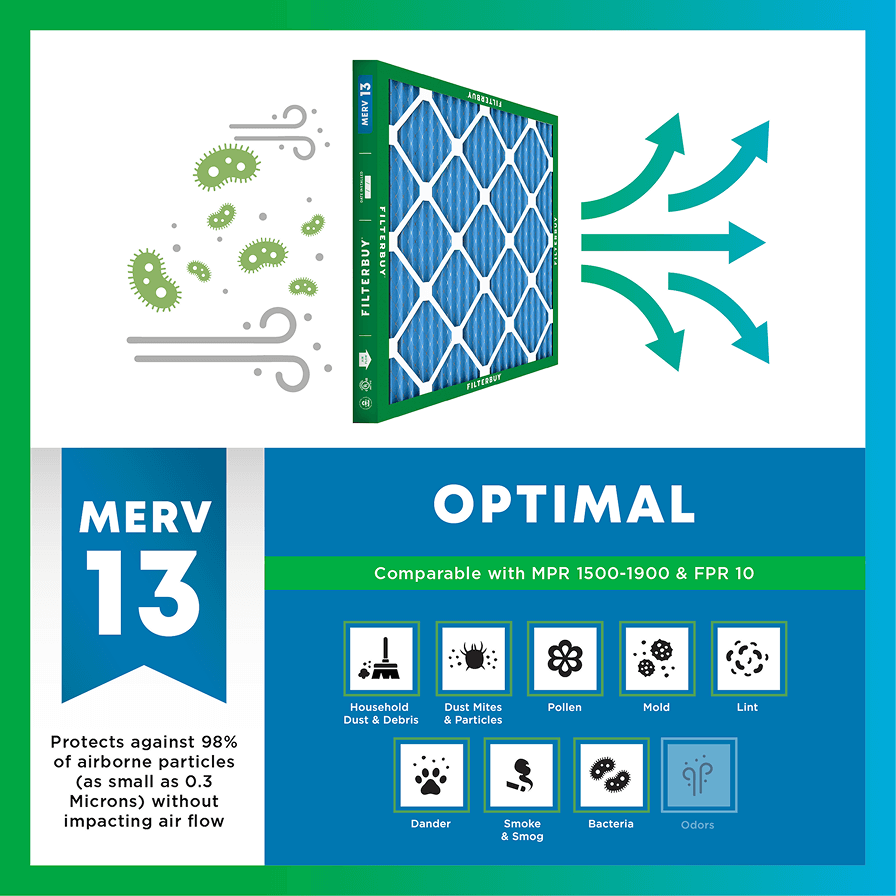
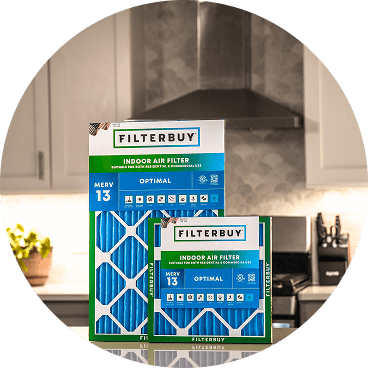
The EPA recommends using air filters rated MERV 13 or higher during wildfire smoke events.
Note: Standard filters (MERV 8 and below) will NOT protect against wildfire smoke.
Once outdoor air quality improves, you can switch back to your regular filter to maximize airflow and cost-efficiency. Buy in bulk and keep on hand for wildfire and smoke events in your area.
Wildfires are becoming more frequent and more intense—and even
if you’re far from the flames, the smoke can still affect your
health. Use Filterbuy’s Live Wildfire Smoke Map to track active
wildfires, view smoke plumes in real time, and see how your
local air quality is being impacted.
Whether you’re checking for wildfires near you or trying to
understand if wildfire smoke is in your air, this map gives you
the most up-to-date data in one place.
Breathe better, stay safe, and prepare your home with
real-time wildfire smoke tracking.
Use the live wildfire smoke tracker and upgrade your air filters today to protect your lungs and your home.
Shop Filters for Smoke Protection
When wildfires rage across landscapes, the air we breathe becomes a serious health concern. This real-time air quality monitoring system provides current AQI data, wildfire smoke tracking, and expert safety recommendations to help you protect yourself and your loved ones during smoke events.
Wildfires can significantly impact air quality, posing serious health risks.
This real-time air quality map allows you to monitor AQI levels and track wildfire smoke in your area.
Stay informed with expert safety tips to safeguard your health and the well-being of your loved ones during smoke events.
Proactive monitoring and precautionary measures are crucial in minimizing exposure to poor air quality.
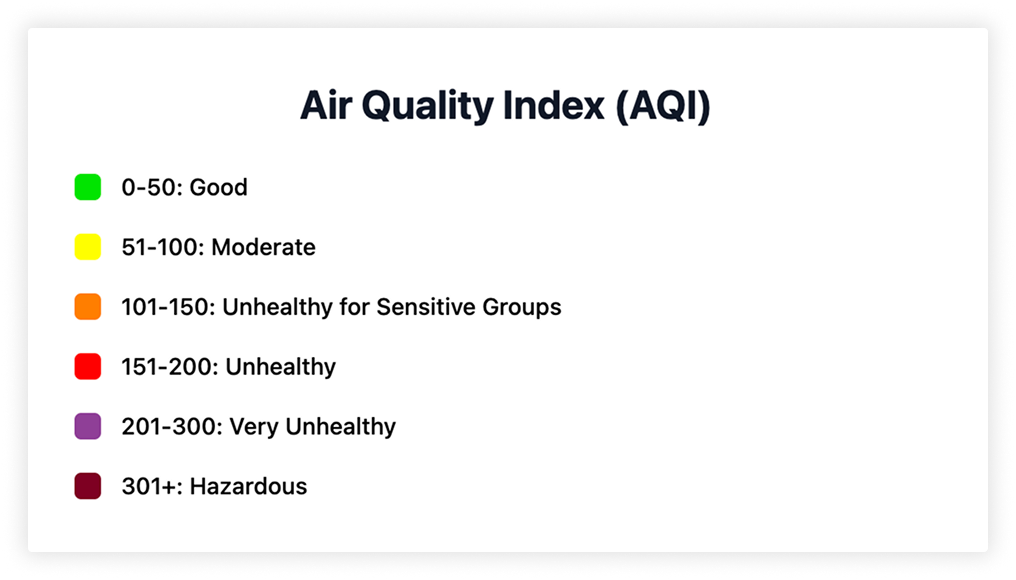
Our interactive map displays current air quality conditions using data from EPA's AirNow system and other federal monitoring networks. Each colored dot represents a monitoring station, with colors corresponding to AQI levels:
• Green (0-50): Good air quality
• Yellow (51-100): Moderate air quality
• Orange (101-150): Unhealthy for sensitive groups
• Red (151-200): Unhealthy for everyone
• Purple (201-300): Very unhealthy
• Maroon (301-500): Hazardous
The map includes multiple data layers:
- Current air quality readings
- 24-hour average conditions
- Air quality forecasts
- Active wildfire perimeters (via National Interagency Fire Center)
- Smoke forecasts from NOAA's HRRR-Smoke and RRFS-Smoke models
Use the geolocation feature to instantly find air quality conditions near you, or manually search for any location across the United States.
Simply enter your ZIP code below to get instant access to current AQI levels, dominant pollutants, and health guidance specific to your area. This tool uses AirNow's comprehensive database to provide localized air quality information and forecasts.
The AQI translates complex air pollution data into easy-to-understand numbers and colors:
Understanding the sources of poor air quality helps you make informed decisions about outdoor activities and indoor air protection.
Wildfire Smoke: During fire season, PM2.5 particles from wildfire smoke become the primary health concern. These microscopic particles can travel hundreds of miles from active fires, creating unhealthy conditions far from the fire source. Smoke contains a complex mixture of gases and fine particles that can cause serious health problems.
Ground-Level Ozone: Hot, sunny days trigger chemical reactions between nitrogen oxides (NOx) and volatile organic compounds (VOCs) from vehicle exhaust and industrial emissions. This creates ground-level ozone, which peaks during afternoon hours and can cause respiratory irritation.
Other Pollution Sources: Construction dust, vehicle emissions, and industrial activities contribute to particle pollution. Temperature inversions can trap pollutants close to the ground, worsening air quality conditions.
Protecting your indoor air quality becomes critical when outdoor air quality deteriorates. Here's how to create a cleaner indoor environment:
Before Smoke Season Arrives:
• Stock up on high-efficiency air filters (MERV 13 or higher)
• Have your HVAC system inspected and serviced
• Identify a room in your home that can serve as a "clean room"
• Know where to find reliable air quality alerts and health warnings
• Consider purchasing a portable HEPA air cleaner
During Poor Air Quality Events:
• Keep windows and doors closed
• Set your HVAC system to recirculate mode
• Avoid activities that create indoor pollution (frying, smoking, burning candles)
• Run portable HEPA air cleaners in frequently used rooms
• Create a DIY air cleaner using a box fan and MERV 13 filters
• Designate a clean room with minimal air infiltration
Mask Protection: If you must go outside during unhealthy air quality conditions, wear a properly fitted N95 or P100 respirator. Cloth masks and surgical masks do not provide adequate protection against fine particle pollution. Note that respirators are not recommended for children under 2 years old.
The EPA and ASHRAE recommend using MERV 13 filters or the highest efficiency your HVAC system can handle to effectively capture fine smoke particles. Pleated media filters typically achieve higher MERV ratings than basic fiberglass filters, providing superior filtration of PM2.5 particles.
Important: Check your system specifications before upgrading to higher efficiency filters, as some systems may require professional modifications to handle increased airflow resistance.
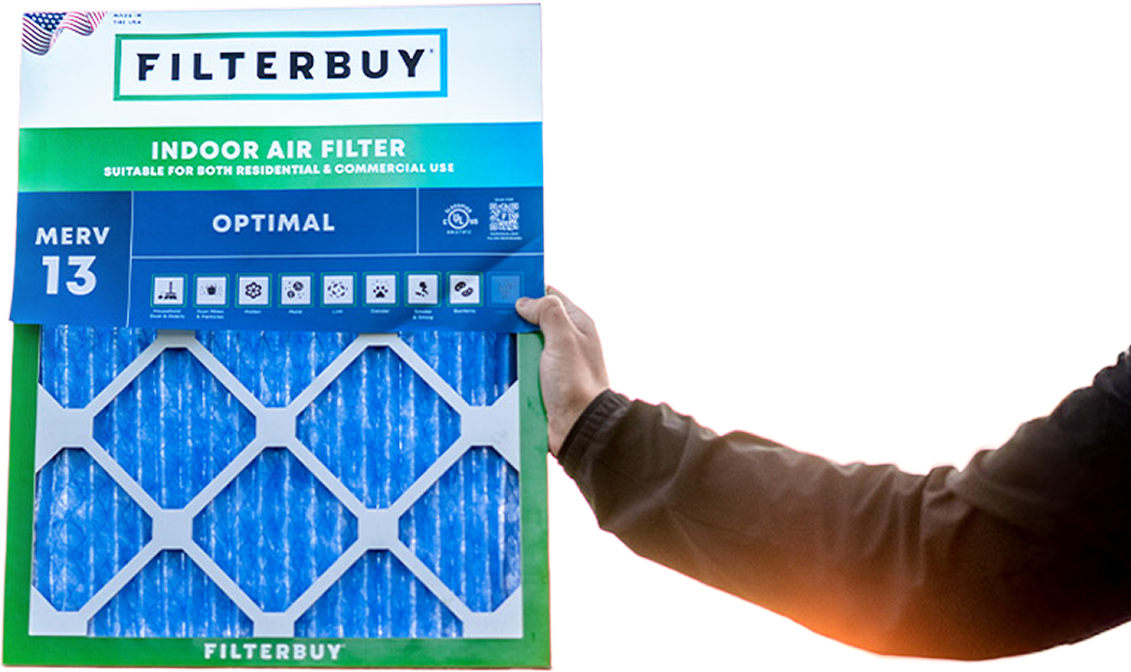
For optimal smoke particle removal, consider Filterbuy Pleated MERV 13 Filters. These American-made filters capture fine particles effectively, come in a wide range of sizes, offer convenient subscription services, and provide fast shipping to ensure you're never without proper filtration.
When wildfire smoke threatens outdoor air quality, having the right filtration makes all the difference in maintaining a healthy indoor environment. Upgrade to Filterbuy pleated MERV 13 filters for superior protection against fine particles, reliable delivery, and American-made quality you can trust.
Use the ZIP code search tool on this page or visit AirNow.gov for current conditions. Our real-time map provides instant access to local air quality data and forecasts.
AQI levels of 101 and above ("Unhealthy for Sensitive Groups") begin to pose health risks. Sensitive individuals should limit outdoor activities when AQI exceeds 100. Everyone should avoid outdoor exertion when AQI reaches 151 ("Unhealthy").
PM2.5 refers to fine particulate matter smaller than 2.5 micrometers—primarily from wildfire smoke, vehicle exhaust, and industrial sources. Ozone is a gas formed by chemical reactions between other pollutants in sunlight, typically worse on hot, sunny days.
MERV 13 filters provide the best balance of smoke particle capture and system compatibility. If your system can't handle MERV 13, use the highest MERV rating your HVAC system supports.
EPA research confirms that DIY box fan air cleaners using MERV 13 filters can effectively reduce indoor particle concentrations. While not as efficient as commercial HEPA units, they provide a cost-effective solution for cleaner indoor air.