
Denver, CO Live Wildfire Smoke Map
Get Alerts For Wildfires In Your Area
The moment a wildfire starts near you, you'll get an instant alert and simple tips to reduce your smoke exposure.
What's In The Smoke
30xSmaller than a human hair
Fine enough to reach deep into the lungs. A MERV 13 is built to capture it.
How Far It Travels


It Doesn't Stay Local
Smoke rides the wind far downwind — you can get smoky air with no fire nearby.
What To Do During A Smoke Event
Simple steps to reduce indoor exposure.
- Stay In, Close UpShut windows and doors to keep smoke out.
- Set Fan To "On"Keeps air cycling through your filter, not just when heating or cooling.
- Recirculate AirSwitch off fresh-air intake so you're not pulling smoke in.
- Run A MERV 13Built to capture the fine PM2.5 in smoke.
- Add A PurifierExtra filtration for the room you use most.
- Wear an N95 if OutsideFits snug to block fine particles — a cloth mask won't.


The Best Air Filter For Wildfire Smoke
During smoke events, the EPA recommends upgrading to a MERV 13 filter — or the highest-rated filter your system can handle — to help reduce the fine particles smoke brings indoors. MERV 13 is the level most home HVAC systems can run while still capturing PM2.5, the fine particulate that makes up the bulk of wildfire smoke.
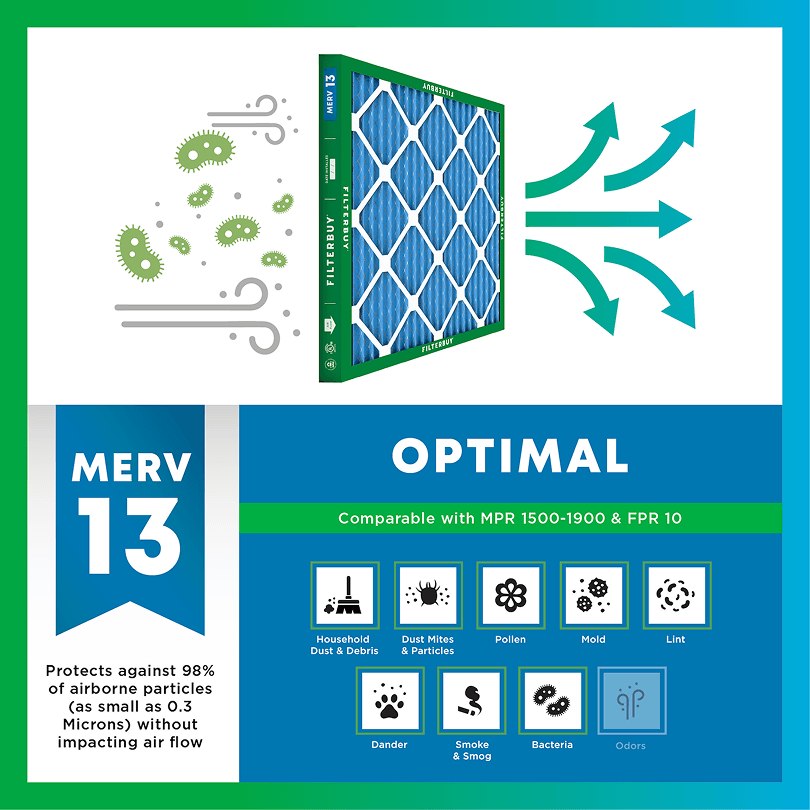
- Captures PM2.5 particles
- Blocks ash, soot, and smoke odor
- Keeps your indoor air safe—even when the outdoor air is dangerous
- Meets the EPA's recommended rating for filtering fine wildfire smoke particles.

Wildfire Smoke FAQs
Facts About Wildfires
Over 70,000 wildfires burn in the U.S. every year.
Wildfire smoke can travel 1,000+ miles, affecting states that aren't even near the blaze.
Exposure to wildfire smoke can worsen asthma, trigger heart issues, and lead to ER visits.
Indoor air can hold more fine particles during wildfire events unless it's properly filtered.
The EPA advises using MERV 13 filters or portable HEPA air cleaners during wildfire smoke events.
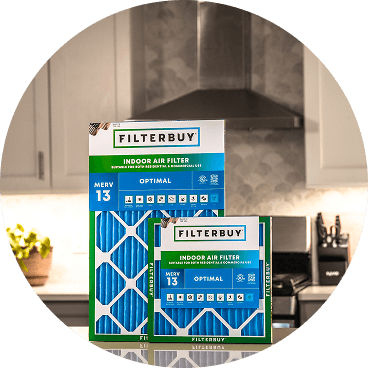
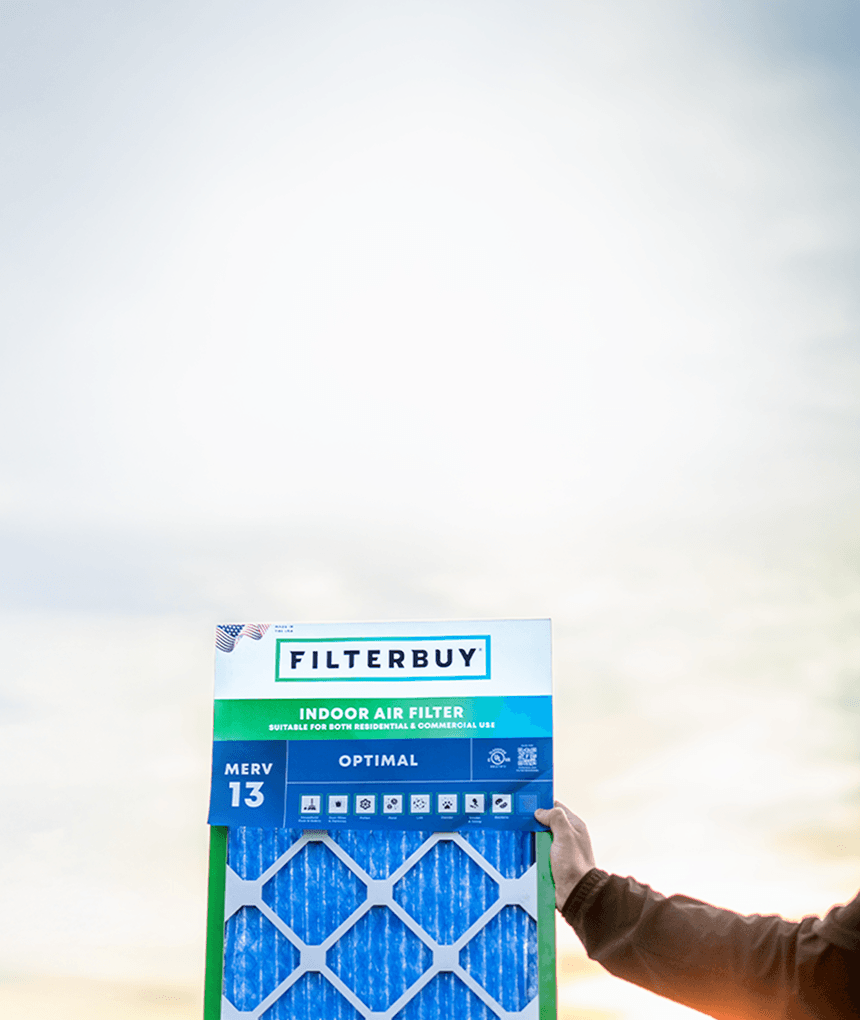
Don't Wait Until The Smoke's Inside.
Use the live wildfire smoke tracker and upgrade your air filters today to protect your lungs and your home.
Shop Filters For Smoke Protection
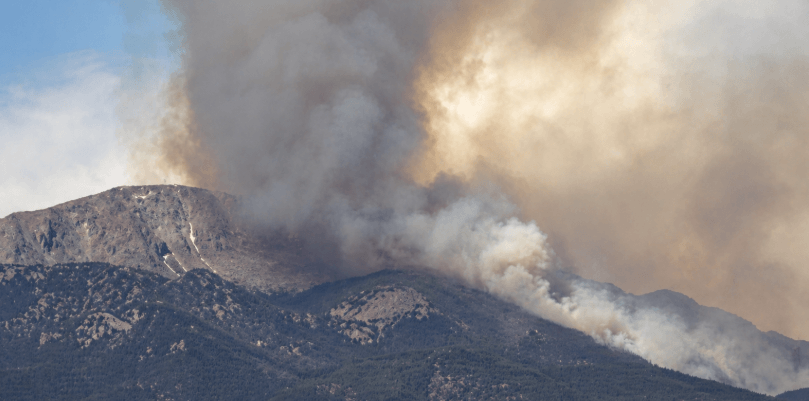
Is Smoke Heading Your Way? Current Live Forest Wildfire and Smoke Map Today in Denver, CO
Real-Time Fire Tracking & Safety Resources
Don't take your Denver air for granted. By the time you smell smoke in your kitchen, your kids have already been breathing it for hours. PM2.5 particles from a Colorado wildfire can reach the metro hours before any flame gets close, settling into carpets, ventilation ducts, and lungs without ever announcing themselves. After more than ten years of manufacturing filters in our American facilities, we know exactly what those hours do to a Front Range household. And we know what one upgraded filter can prevent.
The page below starts with the live tools you need most, then walks you through the protection moves we make in our own homes when AQI starts climbing. Bookmark it. Refresh it when the sky turns yellow.
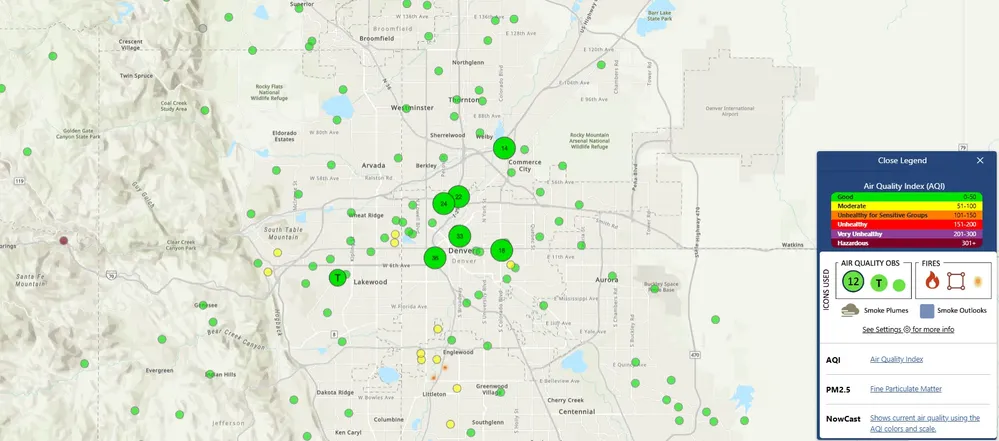
Source: U.S. EPA AirNow Fire and Smoke Map (cropped)
TL;DR Quick Answers
Current live forest wildfire and smoke map today in Denver, CO
The live Denver wildfire and smoke map on this page pulls real-time data from EPA AirNow and federal incident systems, refreshed every hour. Here is what you will find on a single screen:
Active wildfires across Colorado are tracked through InciWeb, with fire name, county, acreage, containment percentage, and approximate distance from Denver
Smoke plumes are shown as gray overlays, which means you can see incoming smoke on the map hours before you smell it through your windows
Current Denver AQI from EPA monitors across the metro, refreshed hourly
24-to-48-hour smoke forecasts powered by NOAA's HRRR-Smoke model, which predicts where smoke will travel next
Protection steps directly below the map, any time AQI climbs above 100, starting with a MERV 13 filter swap and HVAC on recirculate
Top Takeaways
Smoke from Colorado wildfires can reach Denver hours or even days before flames are nearby, and PM2.5 levels indoors can rise long before you smell anything.
PM2.5 is the particle class doing the real damage. You cannot see or smell it at low concentrations, and it travels deep into the lungs and bloodstream.
MERV 13 captures 90 percent or more of PM2.5 and is the practical sweet spot for residential HVAC during smoke season.
During a smoke event, your home should be running on recirculate with a fresh MERV 13 in the air handler, windows and exhaust fans closed, and a clean room set up for the family member who needs the cleanest air in the house.
Live tools (the map at the top of this page, AirNow, InciWeb, and HRRR-Smoke) tell you where smoke is now and where it is headed next.
Live Wildfire & Smoke Tracking for Denver
Wildfire smoke can shift your home's air quality in a single afternoon. What follows is the live picture for Denver and the Front Range, plus the protection steps that actually move outcomes for your family.
Live Denver Wildfire and Smoke Map
The map below pulls real-time data from EPA AirNow, centered on Denver and refreshed hourly. Red markers track active fires, gray overlays show smoke plumes drifting in from fires across the West, and colored dots report ground-level AQI as it moves. You will see incoming smoke on this map before you smell it through your windows, which gives you time to close them. Open the legend to filter by fire perimeter, smoke density, or AQI category.
Current Denver AQI Today
Denver AQI shifts hour by hour during smoke events, and the live reading at the top of this page pulls straight from EPA monitors across the metro. Once the number crosses 100, smoke is already affecting sensitive groups, including kids, seniors, asthmatics, and pregnant women. Past 150, the advice expands to everyone, with windows closed, outdoor time cut short, and a watch for headaches or chest tightness. By the time the reading hits 200 or higher, treat the day as indoor-only with HVAC running on recirculate. The 24-to-48-hour forecast sits right below the live number, so you can prep before haze settles over the Front Range.
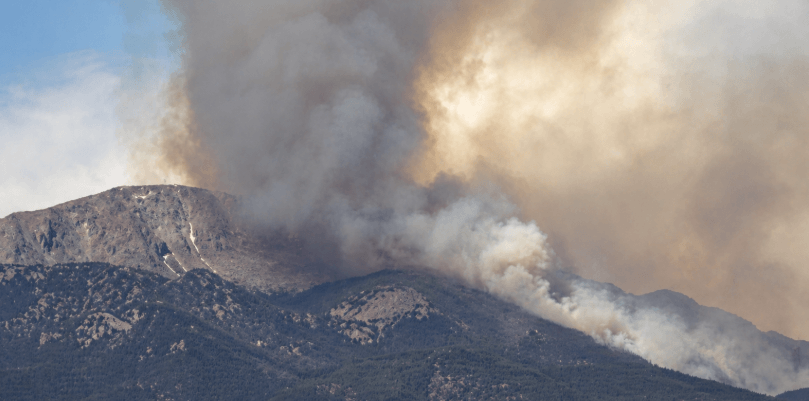
Active Colorado Wildfires Right Now
Below the AQI panel, you will find a live list of active Colorado wildfires pulled from InciWeb, the federal incident information system. Each entry includes the fire name, county, acreage, containment percentage, and approximate distance from Denver. Distance matters because smoke can drift hundreds of miles ahead of any visible flame. A fire two states away can still load up your HVAC filter overnight.
For the statewide picture, our Colorado wildfire and smoke map covers every Colorado region, including fires outside the immediate Front Range.
How Wildfire Smoke Reaches Your Lungs
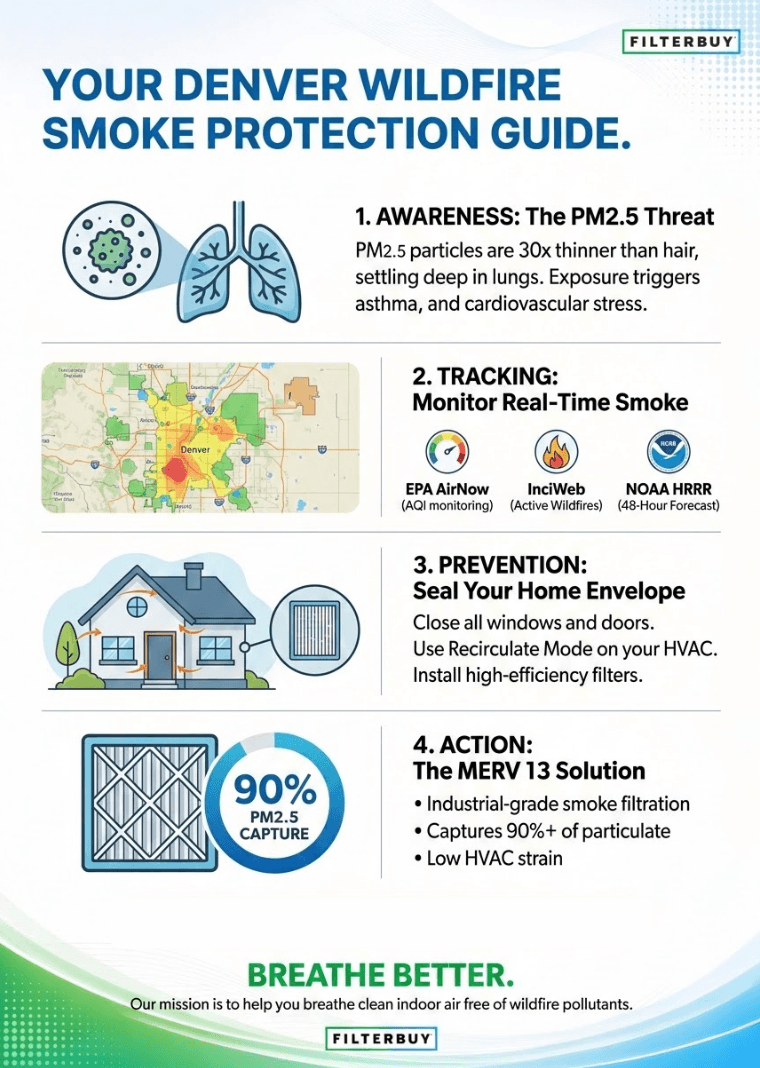
A wildfire burns through forest fuel and releases fine particulate matter, known as PM2.5. These particles measure roughly 30 times thinner than a human hair, which means they slip past your nasal defenses and reach your lungs and bloodstream within minutes of inhalation. That is why an AQI reading of 175 on a smoke day affects your children differently than the same number on a high-ozone summer afternoon. Smoke also loads your HVAC filter fast. A filter that handles normal household dust will fill up in days during a heavy smoke event, which forces your blower motor to work harder for less filtration.
We make the invisible visible, because what you cannot see is exactly what does the most damage. Picture your child playing in the backyard during a smoke event, breathing faster than you and pulling in PM2.5 with every breath your sealed windows and HVAC filter let through. The filter is the line between protected and exposed.
How to Protect Your Home During a Smoke Event
Here is what we tell our families when the AQI starts to climb.
Install a MERV 13 filter. MERV 13 captures 90 percent or more of PM2.5, which is the particle size class doing the most damage to lungs and HVAC equipment. In our experience, manufacturing filters for over a decade, the customers who weather the smoke season best swap to MERV 13 at the start of fire season, not the morning their kitchen fills with the smell of pine smoke.
Seal the envelope. Close every window and door, including the basement and bathroom. Switch your HVAC to recirculate so it stops pulling outdoor air through your fresh-air intake. Turn off bathroom and kitchen exhaust fans during the worst hours, since those fans pull outdoor air in through every gap in your house.
Set up a clean room. A portable HEPA unit running in one bedroom or nursery pulls PM2.5 in that room down to its lowest possible reading. Use the room for kids with asthma, elderly relatives, anyone recovering from illness, or anyone who needs a break from the haze.
“In ten years of manufacturing filters in our American facilities, we have watched smoke events change how Denver families think about the air inside their homes. The customers who weather the smoke season in the best shape upgrade their filters to MERV 13 before fire season instead of after the smell hits the kitchen. They also seal their homes the moment AQI crosses into Unhealthy for Sensitive Groups, and many of them set up a single clean room with a portable HEPA for the family member who needs it most. Once smoke is already inside, you are playing catch-up. Every breath your family takes between then and the next filter change is a breath your filter should have caught.”
— Filterbuy Team
Essential Resources for Denver Residents
Seven verified websites and tools we use ourselves and recommend to every Denver homeowner heading into fire season. Bookmark them now. The middle of a smoke event is not when you want to be searching for an emergency alerts page.
Track Live Air Quality Anywhere in the U.S.
EPA AirNow gives you the official EPA AQI reading for Denver, the broader Front Range, and any city you happen to be traveling through during a smoke event. The site also includes the Fire and Smoke Map, daily air quality email alerts, and historical data for any monitoring site in the country.
Source: EPA AirNow
Find Active Wildfires in Real Time
InciWeb is the federal incident information system used by every fire team in the country. Get fire names, current acreage, containment percentages, evacuation orders, and incident command updates straight from the people running the response.
Source: InciWeb National Incident Information System
See Smoke Forecasts Before They Arrive
NOAA's HRRR-Smoke model predicts where smoke will travel in the next 48 hours so Denver families can close windows and prep filters before haze rolls in over the Front Range. The model updates hourly with new fire detections and shifting wind patterns.
Source: NOAA HRRR-Smoke Model
Sign Up for Colorado Air Quality Alerts
CDPHE issues Air Quality Health Advisories for the Denver Metro area whenever smoke or ozone pushes AQI into unhealthy ranges. Free email alerts, statewide forecasts, and a live image of the Front Range skyline updated throughout the day.
Source: Colorado Air Quality Summary (CDPHE)
Build a Family Wildfire Action Plan
Ready.gov walks families through wildfire evacuation planning, go-bag essentials, and the household communication strategies that actually work when networks are jammed. The checklists run in plain language, and the site includes a kid-friendly version your family can review together.
Protect Your Indoor Air When Smoke Arrives
The EPA wildfire and indoor air quality guide spells out exactly what to do indoors when smoke shows up, including filtration choices, sealing tips, clean room setup, and signs to watch for in vulnerable family members.
Source: EPA Wildfires and Indoor Air Quality
Get Local Denver Emergency Updates
Denver's Office of Emergency Management coordinates evacuation orders, shelter activations, and county-level emergency messaging for City and County of Denver residents. Bookmark this page before fire season, so you have it ready when minutes matter.
Source: Denver Office of Emergency Management
Wildfire Smoke by the Numbers
Three statistics from federal sources that show why upgrading filtration ahead of smoke season is one of the smartest single moves a Denver homeowner can make. The URLs below are distinct from the Essential Resources section above.
The U.S. averaged just over 7 million acres burned annually over the past decade. NICC's 2024 annual report puts the 10-year average at 7,020,777 acres, with the Northwest geographic area leading all regions for total acres burned in 2024.
Source: National Interagency Fire Center Statistics
EPA documents that PM2.5 in wildfire smoke is small enough to reach the lower respiratory tract and translocate from the alveolar region into the bloodstream, where it can drive inflammation, oxidative stress, and effects on the heart and other organ systems. The agency links PM2.5 exposure to respiratory- and cardiovascular-related emergency department visits and hospital admissions.
Source: EPA: Why is Smoke a Health Concern?
CDC documents that breathing wildfire smoke can immediately cause asthma attacks, wheezing, trouble breathing, chest pain, and a fast heartbeat. People at the highest risk include children, those who are pregnant, and people with chronic conditions like asthma, COPD, kidney disease, diabetes, or heart disease.
Source: CDC: How Wildfire Smoke Affects Your Body
Final Thoughts on Smoke Season Preparedness
Wildfire smoke is the clearest example of why indoor air matters as much as outdoor air. The smoke you can smell in your kitchen makes up only a fraction of what is actually in the air your family is breathing. The PM2.5 particles that do the real damage are too small to see and too small to smell at low concentrations, which is exactly what makes them so good at slipping past every defense your body has.
Filterbuy was built on the belief that families deserve to know what is in their air and the tools to do something about it. Upgrading your HVAC filter before fire season starts is one of the simplest moves any Denver homeowner can make, and one of the most effective. In ten years of serving more than two million households, we have learned to spot the difference fast. The families who prepare in May breathe easier all summer. The families who wait until smoke is already inside spend the rest of the season trying to catch up.
Next Steps for Denver Homeowners
If Smoke Is Currently Affecting Denver
Close every window and door, including the basement, attic access, and the door between your garage and the house.
Switch your HVAC to recirculate, and verify the fresh-air intake damper is closed if your system has one.
Replace your current filter with a fresh MERV 13 if you have one on hand. Old filters loaded with smoke particulate become a source of indoor pollution themselves once they saturate.
Move your sensitive family members (kids with asthma, seniors, anyone pregnant) into a single room with a portable HEPA unit running.
Cut outdoor activity until AQI drops below 100, and keep an eye on the live map at the top of this page.
If You Are Preparing Before Fire Season
Stock up on MERV 13 filters in the correct size for your HVAC system. Two or three spares are a sensible buffer for a heavy smoke season.
Test your HVAC recirculate function before you need it. The first hot, smoky day is not when you want to discover the dial does not work.
Sign up for Colorado air quality email alerts (linked in Essential Resources above).
Build or refresh your family go-bag using the Ready.gov checklist (also linked in Essential Resources above).
Bookmark this page so the live map is one click away when you need it.
Frequently Asked Questions
Take Action: Protect Your Family's Air Today
You are the family protector. The right filter, installed before smoke arrives, is one of the simplest ways to keep your home safe during fire season. Filterbuy manufactures MERV 13 filters in our American facilities and ships them directly to your door, with more than 600 stock sizes plus custom cuts to fit any HVAC system.
We manufacture every filter in our American facilities and ship directly to your door. More than two million households are breathing easier because of the work we do.