
Denver Real-Time AQI Tracker


Get Alerts For Unhealthy AQI In Your Area
When air quality in your area reaches unhealthy levels, we'll send you a quick alert, along with expert tips on how to reduce your exposure.
What's Actually In Denver Air Today?
What High AQI Means for Your Lungs in Denver
How to Read AQI
The Air Quality Index (AQI) measures how polluted the air is and how it may affect your health.
0–50 (Good): Air quality is satisfactory.
51–100 (Moderate): Acceptable, but some pollutants may pose minor concerns.
101–150 (Unhealthy for Sensitive Groups)
151–200 (Unhealthy)
201–300 (Very Unhealthy)
301+ (Hazardous)
Moderate
Still okay for most, but if you have asthma or allergies, take it easy and avoid long outdoor workouts.
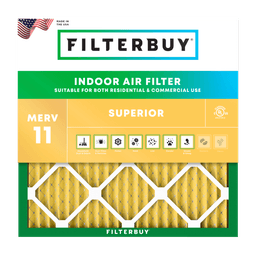
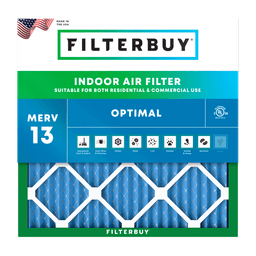
Shop MERV 11 filters→What's the Right Filter for Your AQI Level?


Check Today's Live Real Time Air Quality Index AQI Map in Denver, CO Now
Our customer service team notices the pattern when the smoke or pollution is trapped by a winter inversion along the Front Range or when the smoke or pollution from wildfire is rolling down the mountain. There is an increase in calls that are related to a sudden increase in allergy attacks, dustier houses, and an overworked HVAC system.
This map displays the reality outside your door today. However, what most similar websites will not reveal to you is this: as the outdoor air quality in Denver gets worse, indoor air will usually follow suit. It leaks through cracks around the windows and doors, and your HVAC system draws polluted air into your house through filters that could already be fully loaded.
The information below shows the current air quality in Denver, the meaning of each category on your family's health, and the actionable steps for indoor protection measures that we have developed through years of experience in the field.
TL;DR Quick Answers
What is the live air quality index AQI map showing for Denver, Colorado, today?
Current Denver AQI: Check the real-time map above for today's readings from EPA monitoring stations across the metro area.
What the numbers mean:
0-50 (Green): Good—safe for all activities
51-100 (Yellow): Moderate—acceptable for most
101-150 (Orange): Unhealthy for sensitive groups
151+ (Red/Purple): Limit outdoor exposure
Recommended action based on current AQI:
Good (0-50): Open windows; natural ventilation is beneficial
Moderate (51-100): Monitor sensitive family members
Unhealthy for Sensitive Groups (101-150): Close windows; run HVAC with MERV 11+ filter
Unhealthy or worse (151+): Seal home; ensure MERV 13 filtration is active
Top 5 Takeaways
Denver's AQI shows outdoor conditions—not what you're breathing inside. Pollutants infiltrate your home within 24-48 hours of air quality events. Closed windows slow it. Only filtration stops it.
Checking the number isn't enough. Monitor AQI, then act. Basic filters and sealed windows still let harmful particles through.
MERV 13 is our recommendation for Front Range households. Wildfire smoke, summer ozone, winter inversions—Denver faces them all. MERV 13 captures smoke particles down to 0.3 microns.
Prepare before AQI spikes. Stock filters when the air quality is good. Families who wait until smoke arrives scramble while symptoms worsen.
Check filters every 30 days during poor air quality. Smoke and inversions fill filters fast. A three-month filter may last just four weeks. Saturated filters stop protecting when protection matters most.
Understanding Denver's Air Quality Index Right Now
The Air Quality Index is used to convert the complex pollution measurements into a simple 0-500 measurement. EPA updates these readings every hour based on monitoring stations across the Denver metro area, and they measure five major pollutants: ground-level ozone, particle pollution (PM 2.5 and PM 10), carbon monoxide, sulfur dioxide, and nitrogen dioxide.
Based on our experience with the customers of the Denver area, we have found that the air quality index levels could differ per neighborhood. Downtown Denver usually records figures higher than those of Lakewood, Aurora, or even Boulder.
What Each AQI Level Means for Your Family
Good (0-50): Air quality is satisfactory. This is an ideal time for outdoor activities and opening windows to ventilate your home naturally.
Moderate (51-100): Acceptable for most people, though unusually sensitive individuals may experience minor symptoms. If family members have respiratory conditions, consider limiting prolonged outdoor exertion.
Unhealthy for Sensitive Groups (101-150): Children, older adults, and anyone with heart or lung conditions should reduce outdoor activity. From what we've observed helping Colorado families, this is when many people first notice their allergies flaring up indoors.
Unhealthy (151-200): Everyone may begin experiencing health effects. Keep windows closed, run your HVAC system with a fresh filter, and avoid outdoor exercise.
Very Unhealthy (201-300): Health alert—the entire population faces increased risk. Stay indoors with windows sealed and ensure your air filtration is working at full capacity.
Hazardous (301-500): Emergency conditions. Remain indoors, seal any gaps around doors and windows, and run air purifiers alongside your HVAC system if available.
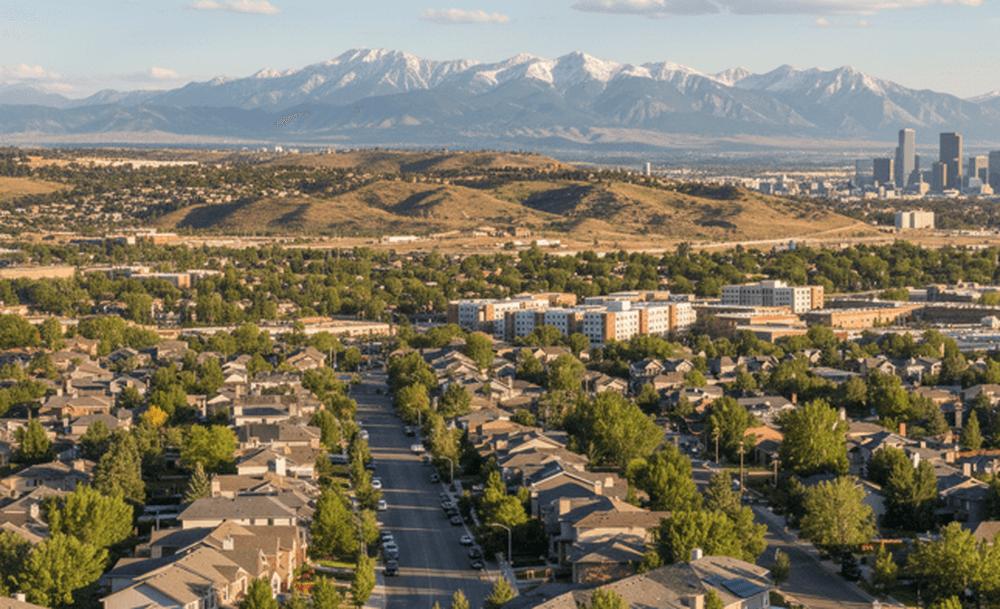
Why Denver's Air Quality Fluctuates Throughout the Year
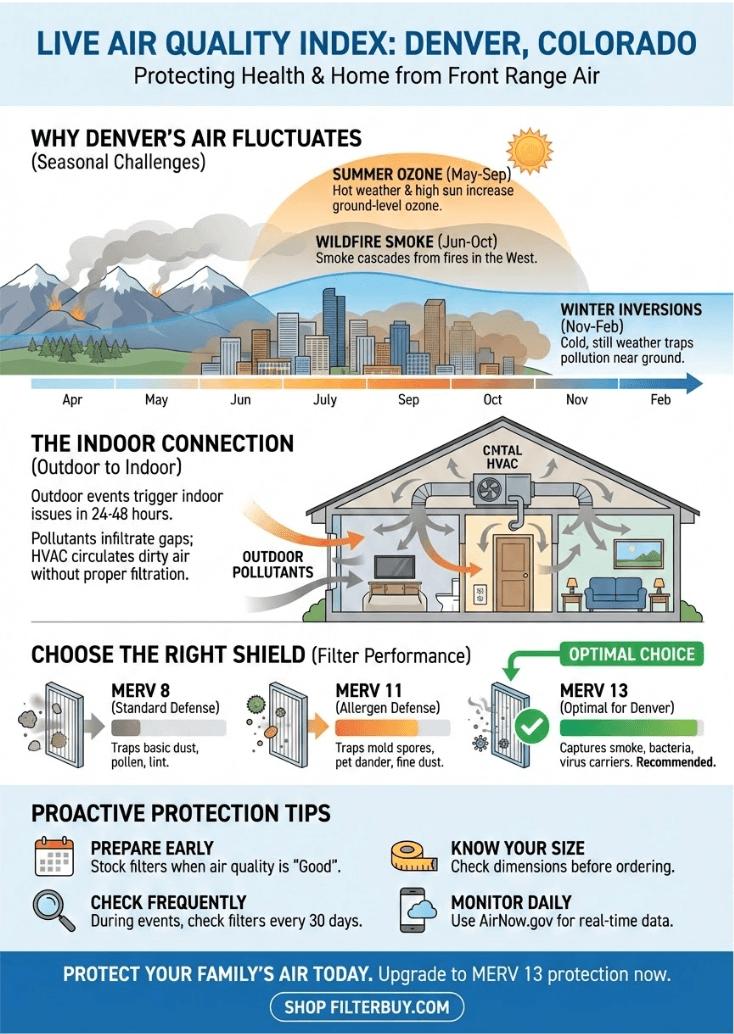
Summer Ozone Season (May–September): Hot weather and high sun increase the visible industries and materials that cook up to ozone in terms of ground-level ozone.
Wildfire Smoke (June–October): Even fires burning hundreds of miles away in California, Wyoming, or New Mexico can send smoke cascading into the Front Range corridor.
Winter Inversions (November–February): Cold, still weather traps pollution from vehicles, furnaces, and wood-burning stoves. The brown cloud that sometimes hangs over Denver during winter mornings signals these inversion events.
Spring Dust and Pollen (March–May): Wind kicks up particulate matter from dry plains while trees and grasses release pollen. This combination is challenging to the air quality both outdoors and indoors.
How Outdoor Air Quality Affects Your Home's Indoor Air
When there is an ineffective spike in the area's AQI, it is carried into your living space. Your HVAC system then spreads dirty air to each and every room. Unless you provide the proper filtration, these particles land on furniture, on bed linen, and carpet floor - and are stirred up again each time someone walks by.
After manufacturing over 10 million filters and hearing from countless customers about their air quality concerns, we've identified the pattern: outdoor air quality events almost always trigger indoor air quality problems within 24-48 hours.
Choosing the Right Air Filter for Denver's Air Quality Challenges
The filter sitting in your HVAC system is your home's primary defense against the pollutants measured by Denver's AQI. But not all filters provide equal protection.
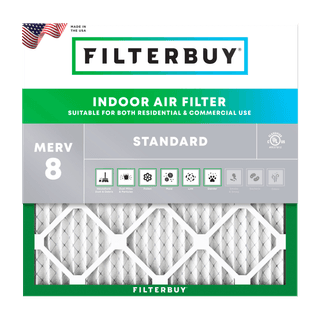
MERV 8 filters handle basic household dust, pollen, and lint. They're a step up from fiberglass throwaways, but won't capture the fine particles that cause the most health concern during poor air quality days.
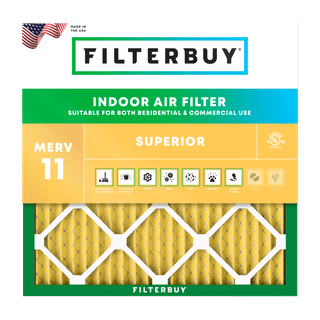
MERV 11 filters trap smaller allergens, including mold spores, pet dander, and fine dust. For Denver households with allergy sufferers or pets, this rating provides meaningful improvement in daily comfort.
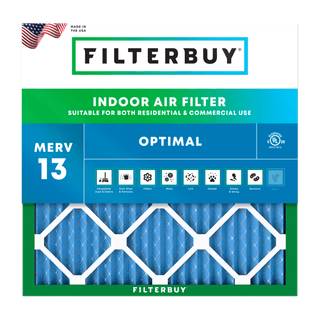
MERV 13 filters capture particles down to 0.3 microns—including smoke particles, bacteria, and respiratory droplets. Given Denver's wildfire smoke exposure and winter inversion events, MERV 13 offers the protection level most families need during the region's most challenging air quality periods.
When to Check Denver's AQI and Take Action
Make checking air quality as routine as checking the weather. We recommend:
Morning check: Before planning outdoor activities, especially during summer ozone season or active wildfire periods. Ozone levels typically rise throughout the day, peaking in late afternoon.
Before opening windows: Natural ventilation saves energy, but only when outdoor air is cleaner than indoor air. If AQI exceeds 50, mechanical filtration often provides better air than open windows.
When symptoms appear: Unexplained headaches, scratchy throat, irritated eyes, or worsening allergies often signal poor air quality—even when skies look clear. Many pollutants remain invisible.
During wildfire season, Smoke can arrive suddenly, and conditions change rapidly. Bookmark this page and check multiple times daily when fires burn anywhere in the western United States.
Take Control of the Air Your Family Breathes
Understanding what's happening in Denver's atmosphere today is the first step. The next step is ensuring your home's filtration system is ready to handle whatever drifts in from outside—whether that's summer ozone, winter inversion pollution, or smoke from distant wildfires.
At Filterbuy, we've spent over a decade obsessing over indoor air quality so you don't have to. We manufacture filters in American facilities, offer over 600 sizes to fit virtually any system, and ship directly to your door. Because protecting your family's air shouldn't require becoming an air quality expert yourself.
"After a decade of manufacturing filters and helping over two million households breathe easier, we've seen the pattern repeat every wildfire season and winter inversion: the families who check Denver's AQI and upgrade their filtration before air quality tanks are the ones who call us to reorder—not the ones calling in a panic when symptoms hit."
— Filterbuy Air Quality Team
Essential Resources for Monitoring Denver Air Quality and Protecting Your Home
Don't take your indoor air for granted—especially when Denver's outdoor conditions fluctuate with wildfires, inversions, and ozone season. After helping over two million households breathe easier, we've compiled the resources our Colorado customers find most valuable for staying informed and taking action.
1. AirNow.gov: The Gold Standard for Real-Time AQI Data
The EPA's official monitoring network delivers accurate, unbiased readings from stations across the metro area—no guesswork, no agenda, just the numbers that matter for your family's health decisions.
Source: https://www.airnow.gov/
2. Colorado Department of Public Health & Environment: Your Early Warning System for Front Range Air Events
We've noticed that families who subscribe to these forecasts stay ahead of air quality problems rather than reacting after symptoms appear—that's the proactive approach we always recommend.
Source: https://cdphe.colorado.gov/air-quality
3. Denver Department of Public Health & Environment: Hyperlocal Data for Mile High City Neighborhoods
This local resource provides neighborhood-level monitoring so you understand conditions where you actually live—not just a metro-wide average.
4. National Weather Service Denver/Boulder: Anticipate Air Quality Shifts Before They Happen
Temperature inversions trap pollution, wind disperses it, and precipitation cleans the air. Understanding incoming weather patterns helps you predict when to seal up the house and when it's safe to throw open the windows.
Source: https://www.weather.gov/bou/
5. EPA Indoor Air Quality Guide: Federal Guidance on Protecting Your Home's Air
This EPA resource explains the invisible connection between what's happening outside and what your family breathes inside—plus evidence-based strategies for protection that actually work.
Source: https://www.epa.gov/indoor-air-quality-iaq
6. ASHRAE Filtration Standards: The Engineering Behind MERV Ratings
The American Society of Heating, Refrigerating, and Air-Conditioning Engineers conducts the testing that determines which filter ratings capture which particles. This is the science we rely on when developing filtration recommendations.
Source: https://www.ashrae.org/
7. Filterbuy Air Filter Resource Center: A Decade of Filtration Expertise at Your Fingertips
Find straightforward guidance on filter sizes, MERV ratings, replacement schedules, and how to match the right protection to your household's specific challenges—whether that's Denver wildfire smoke, pet dander, or seasonal allergies.
Source: https://filterbuy.com/resources/
Supporting Statistics: Research That Confirms What We've Seen Firsthand
After manufacturing over 10 million filters and helping more than two million households, we've observed clear patterns in how air quality affects families. Leading health organizations validate exactly what our customers report.
1. Americans Spend 90% of Their Time Indoors—Where Pollutants Concentrate
The data: The EPA reports indoor pollutant concentrations often run two to five times higher than outdoor levels.
What we've seen:
Their indoor air has become more polluted thanthe outside air
Existing filters can't keep pace with infiltrating contaminants
Why it matters: This statistic shapes everything we do. It's why we've obsessed over filtration efficiency for over a decade and recommend MERV 13 for households serious about protection.
Source: U.S. Environmental Protection Agency - Indoor Air Quality
2. Denver Logged 118 Days of Elevated Ozone in Recent Monitoring
The data: The American Lung Association ranks Denver-Aurora among the nation's most ozone-polluted metros—roughly one in three days poses health risks.
What we've seen:
Denver-area filter orders surge predictably each May when ozone season begins
Orders spike again in late June when wildfire smoke typically arrives
Families placing early orders have learned what statistics confirm
Why it matters: Consistent, quality filtration isn't optional along the Front Range. The patterns in our sales data mirror the patterns in air quality research.
Source: American Lung Association - State of the Air Report
3. Wildfire Smoke Linked to 10% Increase in Respiratory ER Visits
The data: NIH research connects wildfire smoke exposure to a 10 percent jump in respiratory emergency department visits.
What we've seen:
Customers who upgraded to MERV 13 before smoke arrived report their homes became clean-air sanctuaries
Those who waited until AQI spiked often couldn't find filters locally
Unprepared families spent days suffering before shipments arrived
Source: National Institutes of Health - National Library of Medicine
Final Thoughts and Opinion
We've watched this pattern repeat for eleven years. Families monitor Denver's AQI, see it spike, close their windows—and assume they're protected. Meanwhile, contaminated air seeps through every gap while an undersized filter lets the worst particles pass straight through.
The uncomfortable truth:
Your HVAC system doesn't know the AQI is elevated. It pulls in whatever air surrounds your home and circulates it through every room. The only barrier between your lungs and Denver's pollution is the filter you chose—or forgot to replace three months ago.
What we believe based on everything we've seen:
Monitoring outdoor AQI without upgrading indoor filtration creates false security
MERV 13 should be standard for Front Range households—not an upgrade
Replacing filters before air quality events beats scrambling during them
Families who treat filtration as proactive protection report the best outcomes
Next Steps: Protect Your Family's Air Starting Today
Understanding Denver's air quality is valuable. Acting on that knowledge is what actually protects your family. Here's exactly what to do next.
Step 1: Bookmark This Page
Air quality changes fast—especially during wildfire season and winter inversions. Save this page for quick access to real-time Denver AQI data when you need it.
Step 2: Check Your Current Filter Right Now
Walk to your HVAC return vent and pull out the filter. Ask yourself:
When did I last replace it? If you can't remember, it's overdue.
What MERV rating is printed on the frame?
Can I see light through it? If not, airflow is already restricted.
Step 3: Know Your Filter Size
While the filter is out, note the three dimensions printed on the frame: length, width, and depth (example: 20x25x1). Write them down or snap a photo. Wrong sizing is the most common ordering mistake we see.
Step 4: Upgrade to the Right MERV Rating for Denver
Based on our experience with Front Range households:
MERV 8 handles basic dust, pollen, and lint—a solid starting point
MERV 11 traps mold spores, pet dander, and fine dust—ideal for allergy sufferers and pet owners
MERV 13 captures smoke particles, bacteria, and virus carriers—our recommendation for wildfire smoke and respiratory concerns
Step 5: Set a Replacement Schedule
Don't rely on memory. Pick one approach:
Set calendar reminders every 60-90 days
Subscribe for automatic delivery when filters are due
Replace at the start of each season (four times yearly)
During active wildfire smoke or severe inversions: Check filters every 30 days. Heavy particulate loads shorten filter life significantly.
Step 6: Prepare Before the Next Air Quality Event
The best time to upgrade is when Denver's AQI reads "Good"—not when smoke is overhead. Stock one or two backup filters so you're never caught unprepared.
Step 7: Find Your Filter at Filterbuy
Ready to take action?
Visit Filterbuy.com
Enter your filter size
Select your MERV rating
Choose quantity (4-6 filters cover a full year)
Receive direct shipment from our American manufacturing facilities
Frequently Asked Questions
Q: What is a good AQI level for Denver, and when is it safe to spend time outdoors?
A: AQI between 0-50 is "Good"—safe for everyone, including children, seniors, and those with respiratory conditions.
Quick reference:
0-50: Safe for all outdoor activities; open windows for natural ventilation
51-100: Acceptable for most; sensitive individuals should monitor symptoms
101-150: Sensitive groups should limit prolonged outdoor exertion
150+: Everyone benefits from reducing outdoor time
What we've learned: Families who check AQI before morning activities avoid the calls we get later asking why everyone suddenly feels lousy. A two-minute check prevents hours of discomfort.
Q: Why does Denver's air quality change so dramatically from day to day?
A: Denver's geography works against consistent air quality.
Contributing factors:
City sits in a bowl between the Rockies and the eastern plains
Winter inversions trap pollutants close to ground level
Summer heat builds ground-level ozone through hot afternoons
Wildfire smoke arrives unpredictably from fires hundreds of miles away
What we've tracked: After eleven years of monitoring order patterns alongside AQI data, Denver filter orders spike 24-48 hours after air quality events begin. That delay represents families reacting to symptoms rather than preventing them.
Q: How does outdoor air quality in Denver affect the air inside my home?
A: Your home isn't sealed from outdoor pollution.
How pollutants enter:
Gaps around windows and doors
Spaces around electrical outlets
Anywhere building materials meet
HVAC air intake pulls in outdoor air
What customers tell us: "We kept all the windows closed, but everyone's still coughing." Closed windows slow infiltration, but don't stop it. Only filtration actively removes what gets inside.
Q: What MERV rating filter should I use when Denver's AQI is unhealthy?
A: Based on helping over two million households—many along the Front Range—here's what we recommend:
MERV 8: Basic dust, pollen, lint
MERV 11: Everyday allergens—pollen, mold, pet dander
MERV 13: Wildfire smoke, fine particulates, respiratory concerns (our recommendation for Denver)
Our honest answer: When customers ask what we'd choose for our own Denver-area homes, it's MERV 13 without hesitation. The protection difference during smoke events is significant.
Q: How often should I change my air filter during wildfire season or poor air quality events in Denver?
A: Replacement frequency depends on conditions.
Standard schedule:
Normal conditions: Every 60-90 days
During smoke events, inversions, or sustained unhealthy AQI: Check every 30 days
Why more frequent checks matter:
Heavy particulate loads fill filter media faster than normal. We regularly hear from customers surprised that a filter lasting three months normally reached capacity in four weeks during the August smoke.
What a saturated filter does:
Restricts airflow throughout your home
Strains your HVAC system
Stops protecting your family—exactly when protection matters most
Check Denver's Air Quality Now—Then Protect the Air Inside Your Home
You've seen what's floating through Denver's air today. Take the next step by ensuring your home's filtration is ready to handle it—find the right filter for your system at Filterbuy.com and breathe easier knowing your family is protected.