
Colorado Live Wildfire Smoke Map
Get Alerts For Wildfires In Your Area
The moment a wildfire starts near you, you'll get an instant alert and simple tips to reduce your smoke exposure.
What's In The Smoke
30xSmaller than a human hair
Fine enough to reach deep into the lungs. A MERV 13 is built to capture it.
How Far It Travels


It Doesn't Stay Local
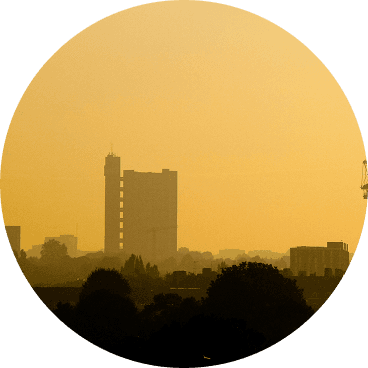
Smoke rides the wind far downwind — you can get smoky air with no fire nearby.
What To Do During A Smoke Event
Simple steps to reduce indoor exposure.
- Stay In, Close UpShut windows and doors to keep smoke out.
- Set Fan To "On"Keeps air cycling through your filter, not just when heating or cooling.
- Recirculate AirSwitch off fresh-air intake so you're not pulling smoke in.
- Run A MERV 13Built to capture the fine PM2.5 in smoke.
- Add A PurifierExtra filtration for the room you use most.
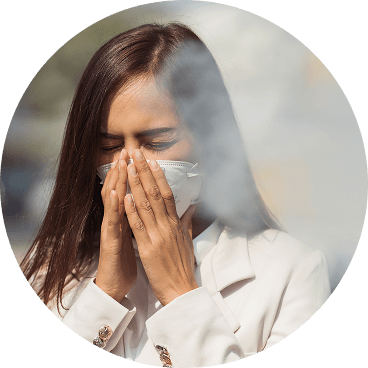
- Wear an N95 if OutsideFits snug to block fine particles — a cloth mask won't.


The Best Air Filter For Wildfire Smoke
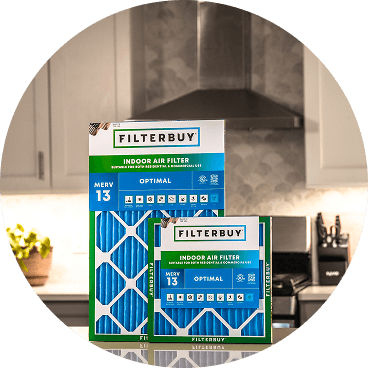
During smoke events, the EPA recommends upgrading to a MERV 13 filter — or the highest-rated filter your system can handle — to help reduce the fine particles smoke brings indoors. MERV 13 is the level most home HVAC systems can run while still capturing PM2.5, the fine particulate that makes up the bulk of wildfire smoke.
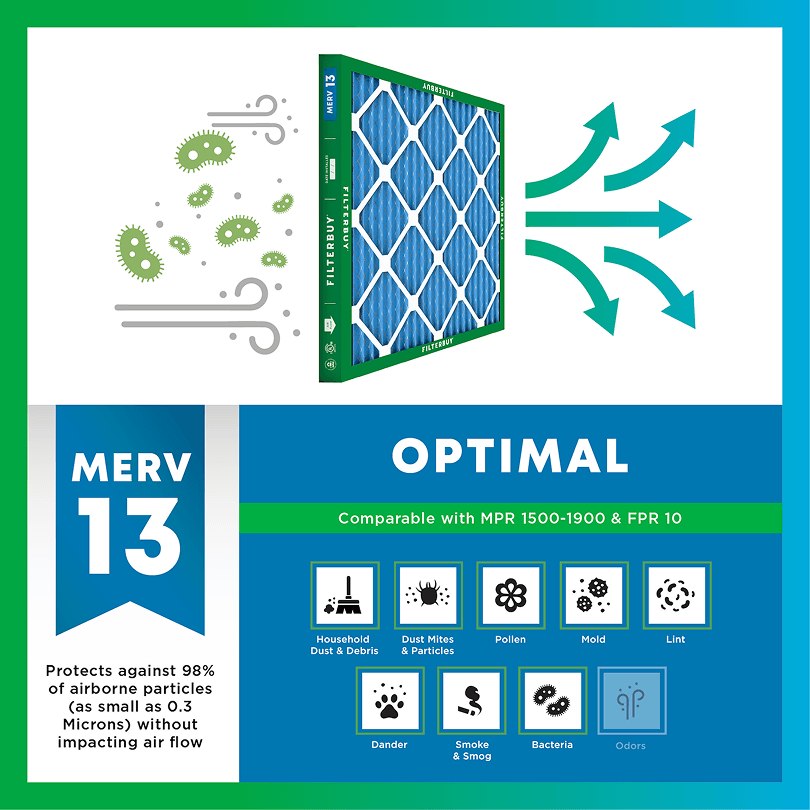

- Captures PM2.5 particles
- Blocks ash, soot, and smoke odor
- Keeps your indoor air safe—even when the outdoor air is dangerous
- Meets the EPA's recommended rating for filtering fine wildfire smoke particles.

Wildfire Smoke FAQs
Facts About Wildfires
Over 70,000 wildfires burn in the U.S. every year.
Wildfire smoke can travel 1,000+ miles, affecting states that aren't even near the blaze.
Exposure to wildfire smoke can worsen asthma, trigger heart issues, and lead to ER visits.
Indoor air can hold more fine particles during wildfire events unless it's properly filtered.
The EPA advises using MERV 13 filters or portable HEPA air cleaners during wildfire smoke events.
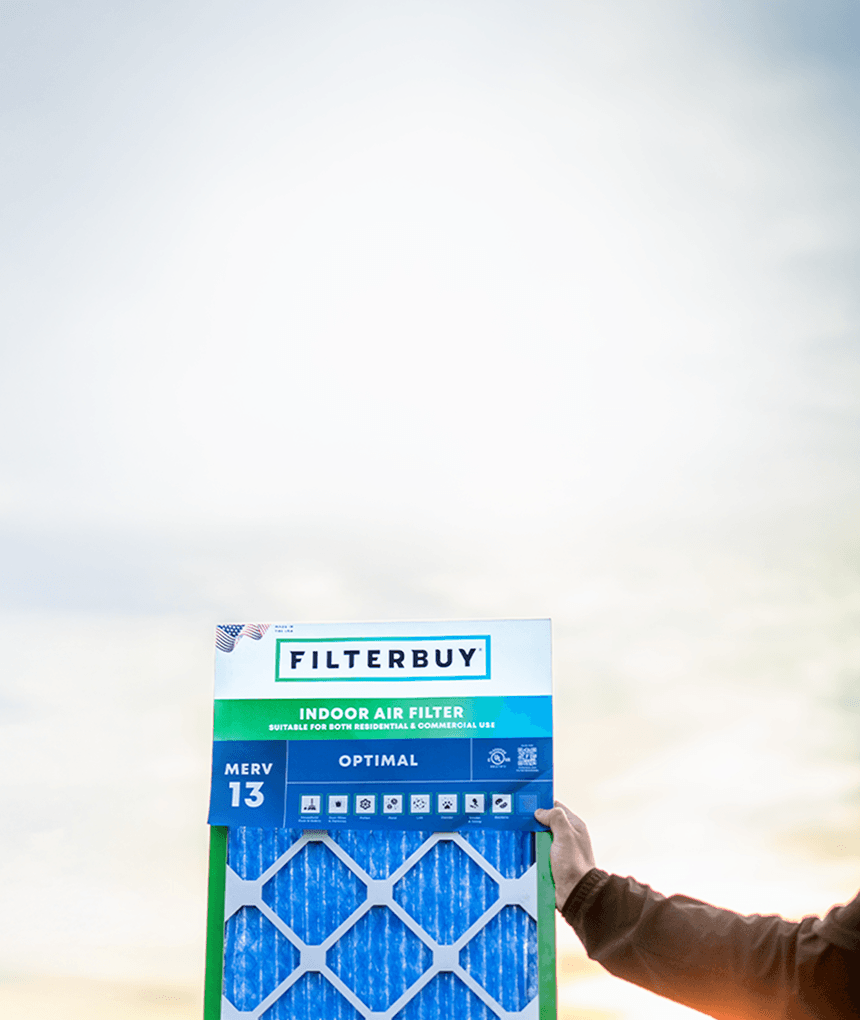
Don't Wait Until The Smoke's Inside.
Use the live wildfire smoke tracker and upgrade your air filters today to protect your lungs and your home.
Shop Filters For Smoke Protection
Current Wildfire and Smoke Map in Colorado
Colorado’s AQI can swing with Front Range upslope winds, afternoon thunderstorms, and overnight valley inversions in the mountains. Use the live map below to see today’s conditions and set a simple plan for your home and routine.
Key Takeaways
Check the AirNow Fire and Smoke Map in the morning and again between 2–6 PM when storms and wind shifts often change AQI.
Keep windows closed and set HVAC to recirculate. Use the highest MERV your system supports while maintaining normal airflow.
Consider a two inch or four-inch pleated filter if your cabinet allows it. Thicker filters hold more media and load more slowly.
Create a clean air room with a right sized HEPA purifier and keep the door closed during smoky hours.
On hot stagnant days, ozone can be elevated along with smoke. Reduce outdoor exertion even if the smoke smell seems mild.
Live Colorado Wildfire and Smoke Map
Open the AirNow Fire and Smoke Map. Enter your city or ZIP code to view current AQI, PM2.5, and smoke plumes. Use the time slider to watch how conditions evolve during the day, then plan outdoor time for the clearest window.
Colorado Smoke Patterns to Watch
Front Range upslope. Easterly winds can push smoke into Denver, Boulder, and Colorado Springs. Conditions often shift after midday.
Mountain valley inversions. In places like Durango, Steamboat Springs, and Glenwood Springs, smoke can pool overnight and lift late morning with mixing.
Regional transport. Fires in neighboring states can add haze along I-25 and high mountain passes. Check the broader view on the map rather than distance to a single incident.
Afternoon Storms and Flip Times
Thunderstorms can reverse winds and change mixing depth quickly. Recheck the map in late afternoon. Move outdoor plans to the period the map shows as cleaner for your area.
Ozone and Wildfire Smoke Together
Summer afternoons can bring elevated ozone along with PM2.5 from smoke. If both are high, stay indoors with filtration and avoid strenuous outdoor activity.
Home Plan for Smoky Days
Check the map twice daily. Morning and late afternoon checks catch wind and storm changes.
Seal and recirculate. Close windows and outside air intakes. Run the fan so air passes your filter more often.
Use efficient filtration. If airflow stays normal, install MERV 13 during smoke events. If the system struggles, use MERV 11 and add a HEPA purifier sized for the room.
Clean air room. Choose a bedroom or living area and keep the door closed. Aim for a smoke CADR roughly equal to the room’s square footage.
Short term backup. A box fan with a MERV 13 filter can help when built and used safely. Use a newer certified fan and do not leave it unattended.
Filter Setup for the Front Range
If your return uses a one-inch filter, expect faster loading during smoke. If your cabinet supports it, step up to a two-inch or four-inch pleated filter for more media area. Keep the fan “on” during smoky periods so air circulates through the filter more frequently.
When to Replace Filters
Check monthly by default. During prolonged smoke, inspect every one to two weeks and replace early if the media looks gray or matted or if airflow drops at vents. Return to your usual schedule after several clear days.
Driving and Commuting
Keep windows closed and set the car to recirculate. Make sure a cabin air filter is installed and in good condition. Keep trips short when AQI is very high.
Front Range Pre-Season Checklist
Before peak smoke months, do a quick setup so you are ready when AQI rises.
Confirm your filter size and MERV.
Test the recirculate setting and make sure the fan runs smoothly.
Choose one clean air room and place a right sized HEPA purifier there.
If your return currently uses a one-inch filter and your cabinet allows it, consider a two-inch or four-inch pleated filter so it lasts longer during smoke periods.
Keep Colorado Indoor Air Clear With Filterbuy
Open the AirNow Fire and Smoke Map, confirm today’s AQI, and set your system to recirculate.
For indoor protection, order MERV 13 or MERV 11 filters from Filterbuy in standard or custom sizes. Filters are made in the USA and ship fast with free delivery. Turn on Auto Delivery so replacements arrive on schedule through Colorado’s smoke season.
FAQs
How can I see wildfire smoke near me in Colorado right now?
Open the AirNow Fire and Smoke Map and search your city or ZIP code. Check again later in the day since winds and storms can shift conditions quickly.
Why do smoke levels swing so much along the Front Range?
Upslope flows and afternoon thunderstorms can flip wind direction and mixing depth within a few hours. Plan a second check between 2 and 6 PM.
What AQI number should trigger changes to my routine?
Use AQI 101 and higher as your cue to cut back outdoor time. People who are sensitive should be cautious even at Moderate.
How do I run my home system on smoky days?
Close windows, choose recirculate, and keep the fan on so air passes the filter more often.
Which filter should I use for smoke?
Pick the highest MERV your system can handle without hurting airflow. Many homes use MERV 11 most days and move to MERV 13 during events if the system stays comfortable.
Will a thicker filter help?
If your return cabinet allows it, a two-inch or four-inch pleated filter has more media and usually lasts longer than a one-inch filter during smoke.
How often should I replace filters in a bad smoke stretch?
Look every one to two weeks. Replace early if the media turns gray or matted or if airflow drops at the vents.
What is a clean air room and how do I choose one?
Pick one bedroom or living area, shut the door, and run a HEPA purifier sized for that room. Keep the central fan on recirculate.
How big should my HEPA purifier be?
Match smoke CADR to room size. A 200 to 300 square foot room calls for roughly 200 to 300 CADR. Run it on medium or high during smoke.
What about ozone days plus wildfire smoke?
When both ozone and PM2.5 are high, move exercise indoors and keep filtration running. Plan errands for the clearest window shown on the map.
Is a DIY box fan filter worth trying?
It can help as a short term option. Use a newer certified box fan and a MERV 13 filter. Do not leave it running unattended.
What should I do during a power outage?
Seal windows and doors. Use a battery capable HEPA purifier if you have one for a single room. Limit door openings until power returns.
What settings should I use in my car?
Close windows and select recirculate. Make sure the cabin air filter is installed and not overdue for replacement. Keep trips short when AQI is very high.
Do masks help outside in heavy smoke?
A snug N95 or P100 reduces inhaled particles. Cloth and surgical masks are not designed for fine smoke.
Why is it sometimes smokier in valleys and canyons?
Overnight temperature inversions can hold smoke near the ground in valley towns. Conditions often lift late morning as mixing improves.
When can I safely air out the house?
Wait until the map shows cleaner air for your location for several hours. Open windows briefly, then close up and return to recirculate if levels rise again.
Does winter wood smoke matter if it is not wildfire season?
Yes. PM2.5 can still be elevated from residential wood burning on cold, stagnant days. A quick AQI check is useful year round.