Shop by
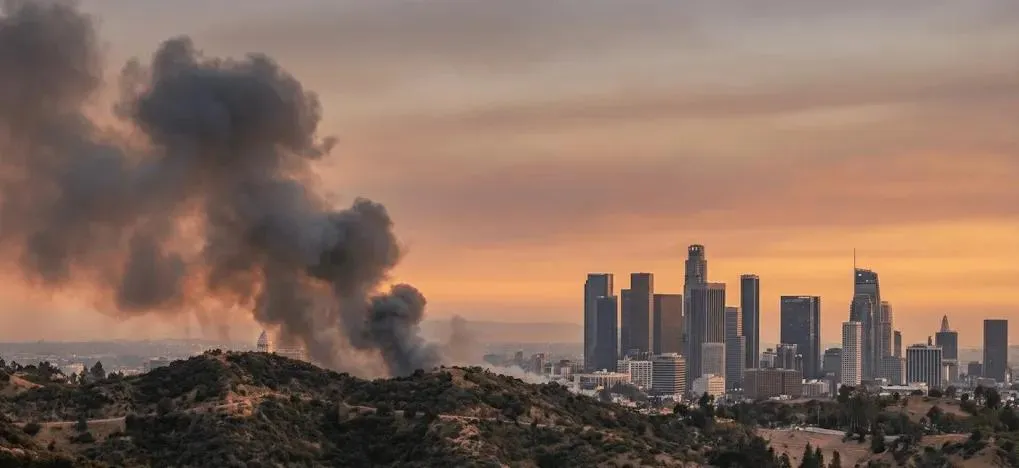
Wildfire smoke is invisible—but what it does to your indoor air isn't. After manufacturing millions of air filters and hearing from customers across California during fire season, we've seen firsthand how quickly smoke infiltrates homes and overwhelms HVAC systems. Filters that normally last 90 days can clog in weeks when smoke rolls through.
This live wildfire and smoke map helps Los Angeles residents track active fires, monitor real-time air quality, and know exactly when to take action. We built this resource because protecting your indoor air starts with knowing what's happening outside—and during wildfire season, that information can change by the hour.
The interactive map above shows real-time wildfire locations, smoke plume movement, and air quality readings across Los Angeles County.
What you'll find:
Active fire locations with containment status
Current AQI readings by neighborhood
Smoke direction and intensity
Evacuation zones and alerts
Best official sources to cross-reference:
CAL FIRE Incidents → fire.ca.gov/incidents
EPA Fire and Smoke Map → fire.airnow.gov
LA County Emergency → lacounty.gov/emergency
What we tell customers during active fires: Don't rely on a single source. Official monitors may be miles from your home. PurpleAir sensors often detect neighborhood smoke 30-60 minutes faster. Check both. Act on the higher reading.
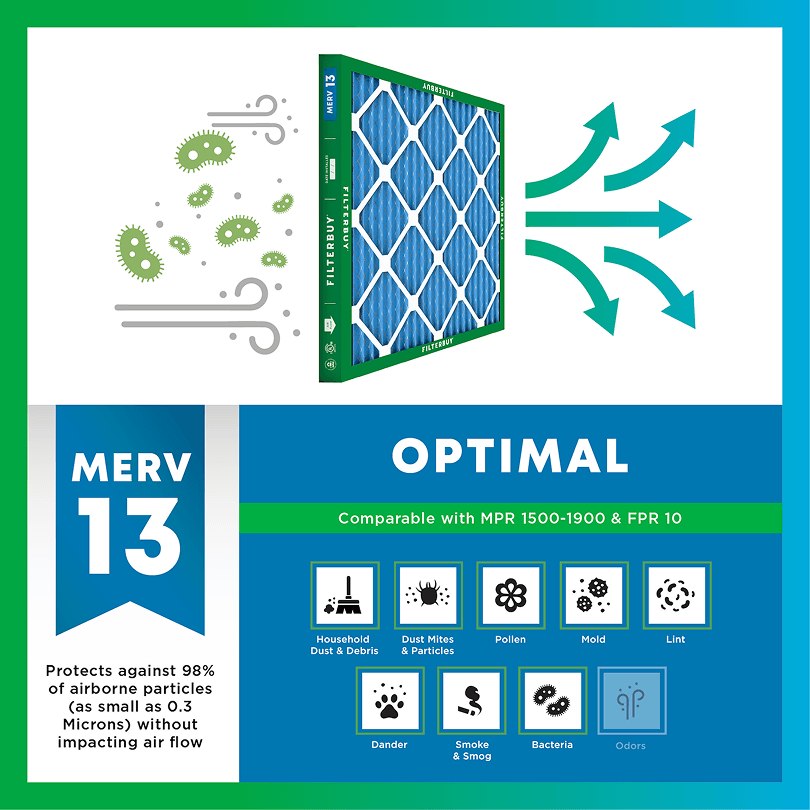
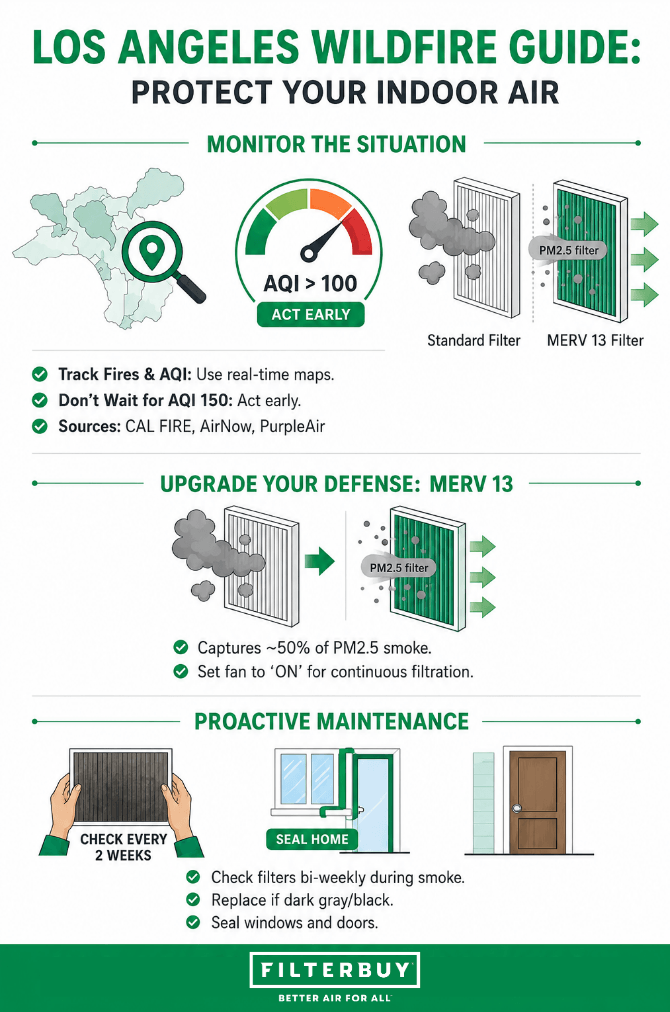
Why this matters for your indoor air: Smoke you can track outside is smoke that will infiltrate inside. When AQI climbs above 100, your HVAC filter becomes your family's first line of defense. A MERV 13 filter captures roughly 50% of smoke particles—but only if it's clean and your system is running continuously.
Smoke infiltrates before you see it. If you smell it indoors, particles have been building for hours. Monitor the map—don't wait for visible haze.
MERV 13 cuts indoor smoke by 50%. Run your HVAC fan on "on" instead of "auto" for continuous protection.
Filters clog faster during fire season. Check every two weeks. Replace based on conditions, not the calendar.
Prepare now, not during an emergency. Stock backup filters. Bookmark this page. Register for alerts today.
LA faces compounding risks. Worst smog in the nation, plus wildfire smoke, means indoor air protection matters more here than anywhere.
The interactive map above displays current fire locations, containment status, and smoke plume directions across Los Angeles County and surrounding areas. Data updates continuously from official sources, including CAL FIRE and the National Interagency Fire Center.
Red markers indicate active fires. Orange zones show smoke coverage. Click any marker for details on fire size, containment percentage, and evacuation information.
Air quality can shift dramatically during fire season—sometimes within hours. The AQI scale runs from 0 to 500, with anything above 100 considered unhealthy for sensitive groups.
What the numbers mean for your indoor air:
0-50 (Green): Normal filter replacement schedule applies
51-100 (Yellow): Consider running the HVAC fan continuously to increase filtration cycles
101-150 (Orange): Sensitive individuals should stay indoors; check filters weekly
151-200 (Red): Keep windows and doors sealed; inspect filters every few days
201+ (Purple/Maroon): Maximum indoor protection needed; filters may require early replacement
From our experience working with California customers during major fire events, MERV 13 filters capture the fine particulate matter (PM2.5) that makes wildfire smoke especially harmful. MERV 8 filters help with larger particles but let most smoke through.

Wildfire smoke contains ultrafine particles—many smaller than 2.5 microns—that penetrate deep into lungs and slip through gaps around doors, windows, and even electrical outlets. Unlike typical urban pollution, smoke concentrations can spike to hazardous levels within minutes when wind patterns shift.
Customers often tell us they smell smoke inside before outdoor AQI readings catch up. That's because residential areas can experience localized smoke pockets that monitoring stations miss. If you smell smoke indoors, trust your senses and take protective action.
Your HVAC system is your primary defense against smoke infiltration. Here's how to maximize its effectiveness:
Seal your home. Close all windows and doors. Smoke finds the smallest gaps—weatherstripping pays dividends during fire season.
Run your system continuously. Set your thermostat fan to "on" rather than "auto." This circulates air through your filter constantly, even when heating or cooling isn't active.
Upgrade your filter if possible. A MERV 11 or MERV 13 filter captures significantly more smoke particles than a standard MERV 8. Check that your system can handle the upgrade—most modern units can.
Replace filters more frequently. We've seen filters turn completely gray in two weeks during heavy smoke events. A clogged filter restricts airflow and forces your system to work harder while providing less protection.
Create a clean air room. If smoke levels become severe, designate one room with a portable air purifier as your family's breathing sanctuary.
Bookmark this page and check it when:
You smell smoke outdoors or inside your home
Local news reports nearby fire activity
You notice hazy skies or reduced visibility
Family members with asthma or respiratory conditions need to report their current conditions
You're planning outdoor activities during fire season
Los Angeles County experiences fire risk year-round, with peak danger typically between May and December. Staying informed isn't just about emergencies—it's about making daily decisions that protect your family's health.

"During California's worst fire seasons, we've shipped emergency filter replacements to customers whose three-month-old filters were completely black after just two weeks of smoke exposure—that's when we realized most people don't understand how aggressively wildfire smoke attacks indoor air quality until they see it clogging their filter."
When smoke is in the air, you need answers fast. We've compiled the most reliable resources for tracking fires, monitoring air quality, and staying ahead of evacuation alerts. Bookmark these now so you're ready when conditions change.
This is California's official source for active wildfire information. You'll find real-time containment percentages, acres burned, and evacuation orders updated throughout the day. If a fire is making news, this is where the data comes from.
Resource: https://www.fire.ca.gov/incidents
The EPA and U.S. Forest Service created this map specifically for wildfire season. It shows active fire locations, where smoke plumes are heading, and air quality readings from monitors across the region—all on a single screen.
Resource: https://fire.airnow.gov/
Before you open windows, send kids outside, or decide whether to run your HVAC system, check here first. AirNow provides official AQI readings with hourly updates and clear guidance on what each level means for your family's health.
Resource: https://www.airnow.gov/
During an active fire event, this is LA County's central hub for evacuation zones, road closures, emergency shelters, and official updates. Don't rely on social media rumors—get the facts here.
Resource: https://lacounty.gov/emergency/
Signing up takes two minutes and could make the difference between an orderly evacuation and a last-minute scramble. Register your phone, email, and address to receive evacuation orders and warnings the moment they're issued.
Resource: https://ready.lacounty.gov/emergency-notifications/
Red Flag Warnings aren't just for firefighters. When the NWS issues an alert, it means wind, heat, and humidity are combining to create dangerous fire spread conditions. This is the resource to watch when you want to stay one step ahead.
Resource: https://www.weather.gov/lox/
Official monitors can miss localized smoke pockets that affect your specific neighborhood. PurpleAir's community sensors update every two minutes, giving you hyperlocal readings when conditions are changing fast. We recommend checking both AirNow and PurpleAir during active smoke events.
Resource: https://map.purpleair.com/
Federal data confirms what California customers tell us every fire season.
The EPA confirms MERV 13 filters reduce indoor smoke particles by half when running your fan continuously.
What customers tell us:
A Pasadena homeowner saw PurpleAir drop from 180 to under 90 in two hours after switching to MERV 13
That's "unhealthy" to "moderate" with a $20 filter change
Source: U.S. EPA https://www.epa.gov/wildfire-smoke-course/strategies-reduce-exposure-indoors
The American Lung Association ranks LA-Long Beach as the nation's most ozone-polluted region.
What our data shows:
LA customers replace filters 30-40% more often than the national average
Filters lasting 90 days elsewhere need replacement in 60 days here
Source: American Lung Association https://www.lung.org/research/sota/key-findings
Nearly half of Americans live in areas with unhealthy air—up 25 million from last year.
What we saw during the January 2025 LA fires:
Southern California filter orders spiked 400% in one week
Many were first-time buyers who never considered air filtration before
Source: PR Newswire https://www.prnewswire.com/news-releases/new-report-nearly-half-of-people-in-us-exposed-to-dangerous-air-pollution-levels-302435259.html
Filtration works. MERV 13 cuts smoke particles in half.
LA faces compounding risks. Baseline smog plus wildfire smoke means filters work harder.
The trend is worsening. More people are affected every year.
Protecting indoor air starts with understanding outdoor conditions. That's why we built this resource.
We've shipped millions of filters to California homes over the past decade. During that time, wildfire season has shifted from a predictable summer concern into a year-round reality.
The January 2025 LA fires proved that. The calls from customers scrambling to find filters in stock proved it even more.
This page exists because information and preparation matter as much as the filter itself.
After years of customer feedback and real-time conversations during fire emergencies, here's our honest perspective:
The families who breathe easiest aren't the ones who react fastest—they're the ones who prepared earliest.
What they do differently:
Bookmark air quality resources before fire season starts
Upgrade to MERV 13 when conditions are still clear
Keep a replacement filter on hand instead of scrambling when smoke arrives
Check filters every two weeks during smoke events—regardless of the calendar
What we've seen firsthand:
Brand-new MERV 13 filters are turning solid gray in 10 days during heavy smoke
Three-month-old filters are completely black after two weeks of exposure
Customers who checked early and replaced proactively always fared better
The biggest gap isn't filter quality—it's awareness.
Common assumptions that don't hold up:
"Closed windows are enough." (Smoke finds gaps you can't see.)
"The fire is 50 miles away, so my indoor air is fine." (Smoke travels hundreds of miles.)
"I'll take action when officials issue a warning." (By then, particles have been accumulating for hours.)
The reality: If you smell smoke inside, your air quality has already been compromised.
We manufacture air filters. We could simply tell you to buy more of them.
But after a decade of helping families through California's worst fire seasons, we've learned the real value goes beyond the product. It's helping you understand when protection matters most.
What you can control:
Check the map regularly—not just when smoke is visible
Know the AQI levels that trigger action for your household
Keep a fresh filter ready before you need it
Replace based on conditions, not the calendar
Wildfires aren't going away. What you can change is how prepared you are when conditions shift.
Check the map. Know the signs. Protect your air before you need to.
— The Filterbuy Team
You've got the information. Here's how to put it to work.
Conditions change fast. Keep this map one click away.
Quick tip: Add it to your phone's home screen for instant access.
Don't rely on social media for evacuation news.
Register now:
Alert LA County → ready.lacounty.gov/emergency-notifications
AirNow app → Real-time AQI notifications
NWS Los Angeles → Red Flag Warnings
Takes five minutes. Could save hours during an emergency.
Pull it out right now. The color tells you where you stand.
Light gray — Functional; recheck in two weeks if smoke is present
Dark gray/brown — Replace soon, especially before a smoke event
Black or clogged — Replace immediately; it's no longer protecting you
Don't know your size? Check the frame—it's printed on the edge.
Standard filters catch less than 20% of smoke particles. MERV 13 captures what matters.
Before upgrading, confirm:
Your system can handle it (most modern units can)
You have the correct size
You're prepared to replace more often during smoke events
Filters sell out during major fires. Every time.
Our recommendation:
Keep at least one replacement on hand
Store it somewhere accessible
Restock immediately after smoke events
Preparation beats panic.
Everyone should know what to do when the air quality drops.
Your plan should cover:
Which room becomes your "clean air room"
Where backup filters and purifiers are stored
Who checks AQI each morning during fire season
What AQI level cancels outdoor activities
Write it down. Share it. Review it each fire season.
Decide in advance what AQI levels prompt action—especially for sensitive household members.
General guidelines:
AQI 51-100 — Sensitive individuals limit outdoor exertion
AQI 101-150 — Everyone reduces extended outdoor activity
AQI 151-200 — Close windows; check filters; limit outdoor time
AQI 201+ — Stay indoors; run HVAC continuously; use a clean air room
Households with respiratory conditions should set lower thresholds.
A: Update frequency varies by source:
Fire locations — Continuously from CAL FIRE and federal agencies
EPA monitors — Hourly
PurpleAir sensors — Every two minutes
What we've seen: During the January 2025 LA fires, customers reported AQI jumping from 80 to over 200 in a single afternoon. Check frequently when fires are active. Morning readings don't always hold.
A: Different platforms use different data sources.
EPA monitors — Official readings, but may be miles from your home
PurpleAir sensors — Hyperlocal, but only measure particulate matter
Our advice: Check both AirNow and PurpleAir. Use the higher reading.
What we've noticed: PurpleAir often detects localized smoke 30-60 minutes before official monitors register changes. That head start matters.
A: Take these steps immediately:
Check lacounty.gov/emergency for evacuation orders
Close all windows and doors
Switch the HVAC to recirculate mode
Run the fan continuously
Ensure a fresh filter is installed
Keep a go-bag packed and ready
What customers who fare best do differently: They act before smoke is visible—not after. Fires can jump containment lines in minutes during Red Flag conditions.
A: Action thresholds by AQI level:
AQI 75+ — Take precautions if household members have asthma or respiratory conditions
AQI 100+ — Run HVAC continuously; close all windows
AQI 150+ — Limit outdoor exposure for everyone; check filter condition
AQI 200+ — Stay indoors; consider creating a clean air room
What most people miss: By the time outdoor AQI hits 150, indoor air has likely been degrading for hours. Start protection at 100, not 150.
What customers tell us: Many assumed closed windows were enough—then discovered filters turned dark gray in just days.
A: Your HVAC system is your primary defense.
Key actions:
Upgrade to MERV 13 (captures 50% more smoke particles than standard filters)
Run fan on "on" instead of "auto" for continuous filtration
Seal all windows and doors
Check the filter every 1-2 weeks during smoke events
Replace based on condition, not calendar
What we've learned from fire season orders: Filters rated for 90 days routinely clog in 2-3 weeks during heavy smoke. A saturated filter restricts airflow and provides less protection—not more.
Tracking fires and smoke is the first step—filtering your indoor air is the next. Find the right MERV 13 filter for your HVAC system and breathe easier when conditions outside turn dangerous.