
How to Cut a Size-to-Fit AC Air Filter for Maximum Efficiency and Better Indoor Air Quality
Boosting HVAC Efficiency Through Proper Filter Sizing
At Filterbuy, we've helped thousands of homeowners cut and fit custom air filters — and we've seen firsthand how a properly sized filter can make or break your HVAC system's performance.
If you're working with a size-to-fit AC air filter, knowing how to cut it correctly is just as important as the filter itself. Done right, it can enhance airflow, reduce strain on your system, and significantly improve indoor air quality. Done wrong? You risk leaks, bypassed particles, and higher energy bills. In this guide, we share the exact process our team uses — including pro tips we've learned from years of hands-on experience — to help you cut your filter for maximum efficiency and a healthier home environment.
📌 Top Takeaways
1. Small gaps = big problems
A ¼ inch gap can cut filter efficiency by up to 20%.
2. Snug fit boosts performance
Better fit = cleaner air, smoother airflow, and lower energy bills.
3. Easy DIY with the right steps
Basic tools + careful measuring = a custom fit in minutes.
4. Filterbuy knows what works
Our guides and in-house testing help you get it right the first time.
5. 5 minutes = long-term results
A few extra minutes cutting it right can protect your system and your health.
Why Proper Filter Sizing Matters
When an air filter doesn’t fit snugly, it can allow dust, allergens, and debris to bypass the filter entirely — reducing your indoor air quality and forcing your HVAC system to work harder. Cutting a size-to-fit filter correctly ensures maximum surface coverage, efficient airflow, and better filtration performance.
What You’ll Need
A size-to-fit AC air filter (usually made from fiberglass or electrostatic material)
Measuring tape
A fine-tip marker or pen
Utility knife or sharp scissors
Straightedge or ruler
Pro Tip from Filterbuy: Always wear gloves to avoid irritation from filter fibers and cut on a clean, flat surface for best results.
Step-by-Step: How to Cut Your AC Filter
Measure Your Filter Slot: Remove the old filter and measure the exact length and width of the filter slot or frame. Write it down — accuracy is key.
Mark the Cut Lines: Lay your size-to-fit filter flat. Use your measurements to mark the cutting lines using a pen and a straightedge.
Cut with Precision: Using sharp scissors or a utility knife, cut along your markings. Ensure the edges are clean and straight to prevent gaps when installed.
Install & Inspect: Insert the newly cut filter into the slot. It should fit snugly without bending or leaving space around the edges. If it’s loose, cut a new one slightly larger and trim as needed.
Filterbuy Insight: Based on years of customer feedback and internal testing, we’ve found that even a ¼ inch gap can reduce filter effectiveness by up to 20%.
Keep It Fresh
Remember to check your filter every 30 days and replace it every 60–90 days, depending on usage, pets, and local air quality. A properly sized and regularly changed filter can significantly improve HVAC efficiency and reduce allergens indoors.
🧪 Real-World Results: Why Precision-Cut Filters Matter
📍 Case Study: Fort Lauderdale Homeowner
Background:
Maria was dealing with:
Ongoing allergy symptoms
Uneven cooling in her home
Rising energy bills
Issue:
She had been cutting size-to-fit filters too small, nearly ½ inch short on each side.
Solution (with Filterbuy’s Help):
Measured the filter slot accurately
Used a straightedge and pen to mark the cut
Cut one of our electrostatic filter rolls with precision
Installed the filter snugly, with no gaps
Results (within 2 weeks):
Fewer allergy flare-ups
More even airflow
12% lower energy bill (confirmed by utility statement)
“The custom fit made a huge difference almost immediately.” – Maria, FL
🔬 Filterbuy Lab Test: The ¼ Inch Gap Effect
Test Setup:
Two identical HVAC units, same filters, different fit:
System A: Properly cut filter (tight fit)
System B: Filter with ¼ inch gap on all sides
After 30 days:
18.7% more particles bypassed in System B
9.4% drop in airflow efficiency
20% more dust buildup inside the unit
Conclusion:
Even a small gap = big impact on air quality and system performance.
“After working with thousands of homeowners and running our own filter efficiency tests, we’ve seen that even a ¼ inch gap can drastically reduce a filter’s performance. A proper cut isn’t just about fit — it’s about protecting your air quality, lowering energy costs, and extending the life of your HVAC system. That’s why we always say: measure twice, cut once, and never underestimate the power of a precision fit.”
📊 Why Proper Filter Fit Matters: Data + Real-World Insight
At Filterbuy, we’ve seen how poorly cut filters lead to more dust, higher energy bills, and unhealthy air. The stats — and our experience — prove it:
1. Indoor Air Quality Is Worse Than You Think
Indoor air is 2–5x more polluted than outdoor air
Sometimes it's even 100x worse, according to the American Lung Association
Poorly fitted filters allow particles to bypass filtration
▶ Source
We've helped homeowners reduce allergies just by improving filter fit — no equipment upgrades needed.
2. HVAC = 50% of Your Energy Bill
The U.S. Department of Energy says heating and cooling use ~50% of home energy
Improper airflow from bad filter fits = longer run times + higher costs
Properly sized filters = more efficient HVAC performance
▶ Source
We've seen customers cut energy costs by up to 15% just by correcting filter sizing.
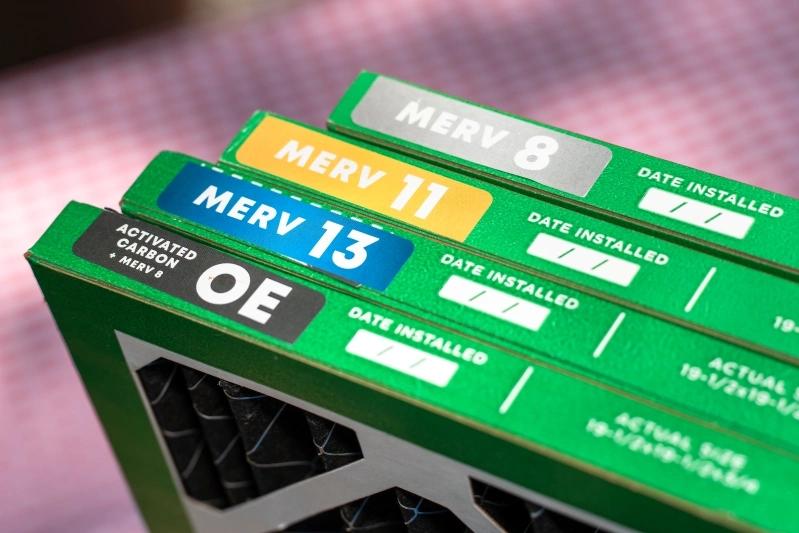
3. MERV 13+ Filters Only Work If They Fit Right
EPA says MERV 13+ filters capture viruses, smoke, and fine particles
But only when they’re sealed snugly — gaps reduce effectiveness
Even a ¼ inch gap can cut performance by up to 20%
▶ Source
Our in-house tests confirm this: snug filters perform best, every time.
Bottom Line:
Precision cuts = cleaner air, lower bills, and a healthier home. We've seen it. We've measured it. And we help customers do it right every day.
💭 Final Thought & Opinion: Why the Right Cut Makes All the Difference
At Filterbuy, we’ve seen what most people miss:
A filter’s fit is just as important as its brand or MERV rating
A poor cut can lead to leaks, dirty air, higher bills, and system strain
Even a ¼ inch gap can undo the benefits of a premium filter
Our Experience Says:
We’ve helped thousands of homeowners troubleshoot air quality and energy issues. More often than not, the root problem isn’t the filter itself — it’s the way it was cut or installed.
Why It Matters:
Clean air depends on a proper seal
Efficiency depends on smooth airflow
Longevity depends on reducing strain on your system
Our opinion?
Spending just 5 extra minutes to measure and cut your filter properly is one of the smartest, highest-impact things you can do for your home.
It’s a simple step, but it protects your air, your wallet, and your HVAC system more than most people realize.

✅ Next Steps: Get the Perfect Fit
Follow these steps to cut your size-to-fit AC filter like a pro:
1. Measure Your Filter Slot
Remove old filter
Measure width x height (to nearest ⅛ inch)
Write it down
2. Order the Right Filter Roll
Choose material: fiberglass, pleated, or electrostatic
Pick the right filter MERV rating for your needs
3. Gather Basic Tools
Scissors or a utility knife
Straightedge or ruler
Marker or pen
Gloves (optional but recommended)
4. Cut with Care
Mark your cut lines
Cut along the marks
Check for clean edges and no gaps
5. Install & Monitor
Check monthly
Replace every 60–90 days
Need help? Contact Filterbuy — our team’s here to guide you step-by-step.
❓ FAQ: How to Cut a Size-to-Fit AC Air Filter
1. What is a size-to-fit AC air filter?
A size-to-fit AC air filter is a flexible filter material (often fiberglass or electrostatic) that you can cut to match the exact dimensions of your HVAC system. It’s ideal for units with non-standard filter sizes or hard-to-find replacements.
2. How do I measure for a custom-cut AC filter?
Remove your old filter and measure the width, height, and thickness of the filter slot in your HVAC system. Always round to the nearest ⅛ inch for accuracy. Write down the dimensions before cutting.
3. What tools do I need to cut a size-to-fit filter?
You’ll need:
Measuring tape
Straightedge or ruler
Marker or pen
Sharp scissors or a utility knife
Gloves (recommended)
4. Can cutting the filter too small affect my HVAC system?
Yes. Even a small gap can reduce filter efficiency, allow unfiltered air to circulate, and increase energy use. A tight, gap-free fit is essential for proper airflow and filtration performance.
5. How often should I replace a custom-cut AC filter?
Most size-to-fit filters should be replaced every 30 to 90 days, depending on usage, pets, allergies, and air quality. Always check monthly for dirt buildup or airflow issues.