At Filterbuy, we know clean air isn't just a luxury—it’s a necessity. As a trusted U.S. manufacturer of custom air filters, we've seen firsthand how neglected HEPA filters can quietly compromise the very air you count on to stay healthy. Whether you're battling seasonal allergies, wildfire smoke, or everyday indoor pollutants, your air purifier is only as effective as the filter inside it.
In this guide, we’re going beyond generic advice. Drawing from years of hands-on experience designing and delivering high-performance HEPA replacement filters, we’ll show you exactly how to clean, maintain, and replace your filters for peak indoor air quality. You’ll learn insider tips our technicians share with HVAC professionals, how to spot subtle signs of filter fatigue before they impact your health, and the smart maintenance schedule we recommend to customers nationwide.
This isn’t just about cleaner air—it’s about taking control of your environment, with expert-backed insights you won’t find anywhere else.
1. Replace HEPA filters every 4–6 months.
Delays reduce air quality and purifier performance.
2. Don’t trust appearance alone.
Filters can look clean but be clogged inside.
3. Filterbuy sees real results.
Timely replacements help reduce allergies, odors, and airborne particles.
4. Use high-efficiency filters (MERV 13+).
Ideal for homes with pets, dust, or allergy concerns.
5. Make clean air a routine.
Set reminders and stick to a maintenance schedule.
HEPA (High-Efficiency Particulate Air) filters are engineered to capture 99.97% of airborne particles as small as 0.3 microns—including pollen, pet dander, mold spores, and even certain bacteria. But even the most advanced HEPA filter becomes ineffective if it’s clogged or overdue for replacement. A dirty filter not only reduces your air purifier’s efficiency but can also recirculate pollutants back into your space.
While some HEPA filters are washable, most high-performance models—like the ones we manufacture at Filterbuy—are designed for replacement, not cleaning. Here’s what to watch for:
Decreased airflow or purifier performance
Visible dust or discoloration on the filter
An uptick in allergy symptoms or odors
Based on our experience, we recommend replacing HEPA filters every 6 to 12 months, depending on usage and environmental conditions. High-pollution areas or homes with pets may require more frequent swaps.
At Filterbuy, we advise customers to:
Set a filter-change reminder every 6 months.
Avoid vacuuming non-washable HEPA filters—it can damage the media.
Always choose OEM-grade or MERV-rated replacements to ensure optimal fit and filtration.
Proper maintenance ensures your HEPA purifier operates at peak efficiency—protecting your family, reducing allergens, and improving respiratory health. Investing in quality replacement filters and a consistent upkeep routine pays off in cleaner, safer air every day.
The Problem:
The family ran their HEPA purifier constantly
Allergies persisted year-round
The filter hadn’t been replaced in over 18 months
What We Did:
Recommended a custom-fit MERV 13 HEPA filter
Set up a replacement schedule based on pollen trends
Results:
Allergy symptoms improved within 2 weeks
Airflow returned to normal
The customer now replaces filters every 6 months
Test Scenario:
HEPA filters run in dusty environments for 3, 6, and 9 months
Findings:
By Month 3: Minimal performance drop
By Month 6: Noticeable airflow reduction
By Month 9:
Airflow down by 30%
Particle capture is significantly lower
The filter looked fine, but wasn’t working effectively
Takeaway:
Don’t wait until the filter looks dirty
Schedule replacements proactively
The Problem:
3 pets = constant shedding
Odors and dander are still noticeable after yearly filter changes
What We Recommended:
Upgrade to a dual-stage system:
Pre-filter for hair
HEPA core for fine particles
Replacement every 4 months
Results:
Fresher-smelling home
Less dust
Cleaner, clearer air—especially during peak shedding
Bottom Line:
Real homes. Real air quality issues.
Our solutions are based on what works, not guesswork.
At Filterbuy, we bring first-hand experience and data-driven insights to every filter we design.
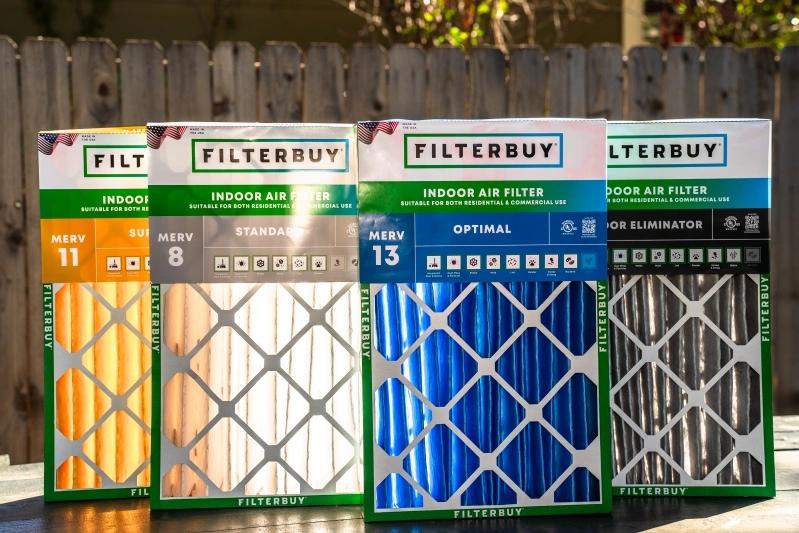
“We’ve worked with thousands of homeowners—from allergy sufferers to pet lovers—and the pattern is always the same: waiting too long to replace a HEPA filter silently erodes indoor air quality. Based on what we’ve seen in both lab tests and real homes, proactive maintenance isn’t just a recommendation—it’s essential. That’s why we design our filters with real-life conditions in mind and back every recommendation with first-hand data and results.”
Proven to remove particles as small as 0.3 microns
Includes allergens, smoke, bacteria, and fine dust
📚 Source: NIEHS.gov
Filterbuy Insight:
“We’ve seen allergy symptoms improve in just days after replacing old filters. The science shows it, and our customers feel it.”
Linked to asthma, fatigue, headaches, and more
Affects children, seniors, and people with respiratory issues
📚 Source: CDC.gov
Filterbuy Insight:
“Most customers don’t realize their air filter is affecting their health—until they upgrade and breathe the difference.”
EPA recommends MERV 13+ filters for home use
Especially important during wildfires or flu season
📚 Source: EPA.gov
Filterbuy Insight:
“We custom-build MERV 13+ filters to match airflow and fit—because efficiency shouldn’t come at the cost of system performance.”
Quick Takeaway:
Trust the numbers—but listen to experience, too.
The right filter size, replaced on time, can transform your indoor air—and your health.
Most HEPA air purifiers don’t fail because the machine breaks—they fail because the filters are neglected.
Filters were replaced too late
Improper filter types installed
Misunderstood maintenance schedules
We’ve helped:
Families with year-round allergies finally breathe easier
Pet owners eliminate odors and dander
Homeowners clear the air after renovations—all with proper filter care
Every home has unique air quality challenges
Climate, pets, dust levels, and HVAC usage all affect filter lifespan
That’s why we offer custom-fit solutions and tailored maintenance tips
✔ A high-quality HEPA filter is only effective when replaced regularly
✔ Clean air is a habit, not a one-time fix
✔ Routine maintenance = long-term indoor wellness
Bottom Line: Clean air isn’t a guessing game—it’s a plan. At Filterbuy, we combine data, customer stories, and hands-on experience to help you make the air in your home safer, fresher, and healthier.
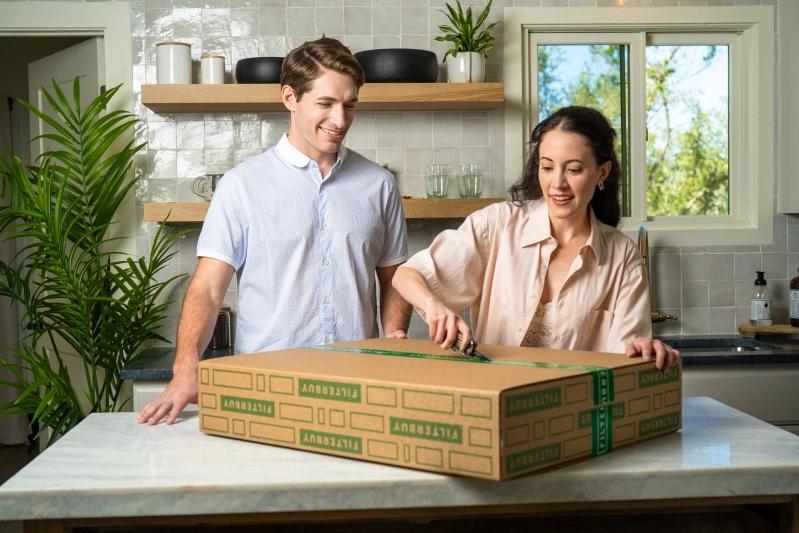
Take charge of your indoor air quality with these simple steps:
Remove and check for dust, discoloration, or poor airflow.
If it’s been 6+ months, it’s time to replace.
Look up your air purifier’s model number.
Choose the correct size and MERV rating (13+ recommended).
Need a perfect fit? Try Filterbuy’s custom filters.
Replace every 4–6 months.
Use phone alerts or calendar reminders.
Consider auto-delivery for convenience.
Read expert tips and seasonal air advice on our blog.
Reach out if you have questions—we’re here to help.
✅ Start with Step 1 today—your lungs will thank you.
Let Filterbuy make clean air simple.
Most HEPA filters should be replaced every 4 to 6 months, depending on usage and indoor air conditions. Homes with pets, smokers, or high dust levels may need more frequent changes. Always follow your unit’s manufacturer guidelines—and when in doubt, change it sooner rather than later.
Most true HEPA filters are not washable or reusable. Washing can damage the filter fibers and reduce efficiency. If you have a washable pre-filter, clean that separately, but always replace the main HEPA filter as directed.
HEPA filters are typically used in standalone air purifiers and are designed to capture 99.97% of particles ≥0.3 microns. MERV-rated filters (like MERV 13+) are commonly used in HVAC systems and offer strong filtration for home-wide air quality. Filterbuy offers both types, depending on your system.
Check your air purifier’s model number and refer to the user manual or the manufacturer's website. Filterbuy offers custom-fit HEPA replacement filters—just input your specs to get the perfect size.
Absolutely. A high-efficiency, properly maintained HEPA filter can significantly reduce allergens, smoke, dust, and other pollutants. Paired with regular replacement and a well-functioning air purifier, it’s one of the most effective ways to improve your home’s air quality.
