
Grand Prairie Real-Time AQI Tracker


Get Alerts For Unhealthy AQI In Your Area
When air quality in your area reaches unhealthy levels, we'll send you a quick alert, along with expert tips on how to reduce your exposure.
What's Actually In Grand Prairie Air Today?
What High AQI Means for Your Lungs in Grand Prairie
How to Read AQI
The Air Quality Index (AQI) measures how polluted the air is and how it may affect your health.
0–50 (Good): Air quality is satisfactory.
51–100 (Moderate): Acceptable, but some pollutants may pose minor concerns.
101–150 (Unhealthy for Sensitive Groups)
151–200 (Unhealthy)
201–300 (Very Unhealthy)
301+ (Hazardous)
Moderate
Still okay for most, but if you have asthma or allergies, take it easy and avoid long outdoor workouts.
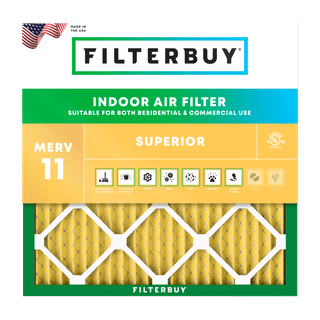
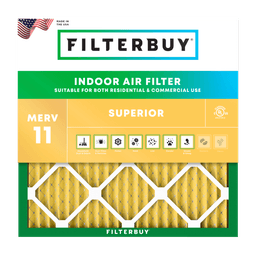
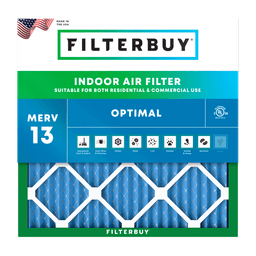
Shop MERV 11 filters→What's the Right Filter for Your AQI Level?



Check Today's Live Real Time Air Quality Index AQI Map in Grand Prairie, TX Now
Author: Michelle Wan · Reviewer: David Clark, Licensed HVAC Technician · Publish Date: July 21, 2026 · Updated Date: July 21, 2026
Wondering what is floating through Grand Prairie air right now? The live AQI map above pulls real-time readings from monitoring stations across the Mid-Cities region, but here is what most air quality sites will not tell you. What happens outdoors directly shapes what your family breathes inside. At Filterbuy, we track air quality patterns across every Texas market we ship to, and Grand Prairie's spot between Dallas and Fort Worth makes it one of the more variable ones on our radar.
TL;DR Quick Answers
Check Grand Prairie's live AQI at AirNow.gov, the EPA's official real-time map, updated hourly from stations across Dallas, Tarrant, and Ellis Counties. Grand Prairie sits inside the ten-county DFW ozone nonattainment area, so Orange-level days (AQI 101 to 150) happen regularly from May through September. A MERV 11 or MERV 13 filter gives your HVAC system a real chance at keeping that pollution out.
Key Takeaways
Check Grand Prairie's live AQI daily at AirNow.gov, and sign up for TCEQ Ozone Action Day alerts each spring.
Grand Prairie sits inside the ten-county DFW ozone nonattainment area, where ozone regularly exceeds federal standards from May through September.
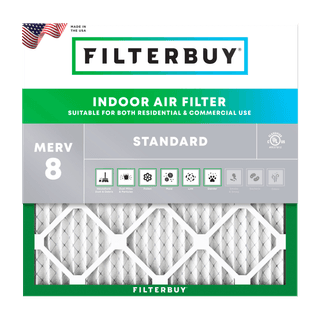
MERV 8 filters are standard but often insufficient during Grand Prairie's ozone season. Filterbuy's MERV 11 gives most homes a meaningful upgrade.
Wildfire smoke from other states can push fine particle levels higher across Grand Prairie even when local skies look clear.
Running your HVAC fan continuously on Orange or Red AQI days keeps filtered air circulating instead of letting pollutants settle indoors.
What The AQI Numbers Mean For Your Grand Prairie Home
The Air Quality Index translates pollutant measurements into a simple 0 to 500 scale. Readings between 0 and 50 indicate good air quality, while 51 to 100 fall into the moderate range, where sensitive individuals may notice mild effects. Once Grand Prairie's AQI climbs above 100, which happens regularly during summer ozone season, limiting prolonged outdoor exertion becomes reasonable advice for children, older adults, and anyone with asthma or heart disease.
We hear the same assumption from Grand Prairie homeowners again and again: closing the windows feels like protection enough. It isn't. Your HVAC system continuously pulls in outside air, and without proper filtration, elevated air quality index readings translate directly into what circulates through your home.
Why Grand Prairie Faces Unique Air Quality Challenges
Grand Prairie's position between Dallas and Fort Worth places it inside a convergence zone for regional air pollution. Interstate 20, Interstate 30, and Belt Line Road carry heavy freight and commuter traffic through the city daily, and a Lockheed Martin Missiles and Fire Control site adds to the area's industrial emissions profile.
Summer brings the greatest challenge. In 2024, the EPA reclassified the ten-county Dallas-Fort Worth area from Moderate to Serious nonattainment for ground-level ozone, meaning pollution levels regularly exceed federal health standards between May and September. Filterbuy watches this play out the same way every year: filter questions from Mid-Cities customers spike right alongside ozone season, as HVAC systems work harder to keep pace.
One More Factor: Grand Prairie's Pollen Season Overlaps With Ozone Season
Grand Prairie's air quality depends on pollen as well as ozone and wildfire smoke, since the city sits inside the same North Texas pollen patterns as the Metroplex. A Filterbuy MERV 11 or MERV 13 filter that captures outdoor particulates also captures airborne pollen.
December through February: cedar pollen, known locally as cedar fever.
February through June: oak, pecan, and grass pollen, overlapping with the start of ozone season.
August through November: ragweed, one of the longer weed-pollen seasons in the country.
Source: AAFA: Pollen Allergies
How To Protect Your Indoor Air When Grand Prairie AQI Rises
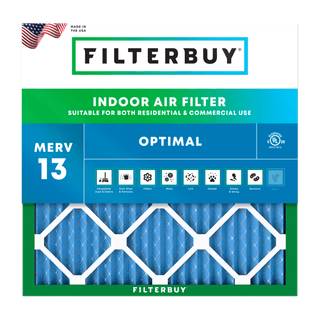
When the AQI map shows elevated readings, your response should extend past staying indoors. Filter selection determines how effectively your home removes the pollutants that enter through normal HVAC operation. Filterbuy's MERV 11 filters capture common allergens and most particulate matter, while its MERV 13 filters trap finer particles, including wildfire smoke and some bacteria, a meaningful upgrade once outdoor air quality deteriorates.
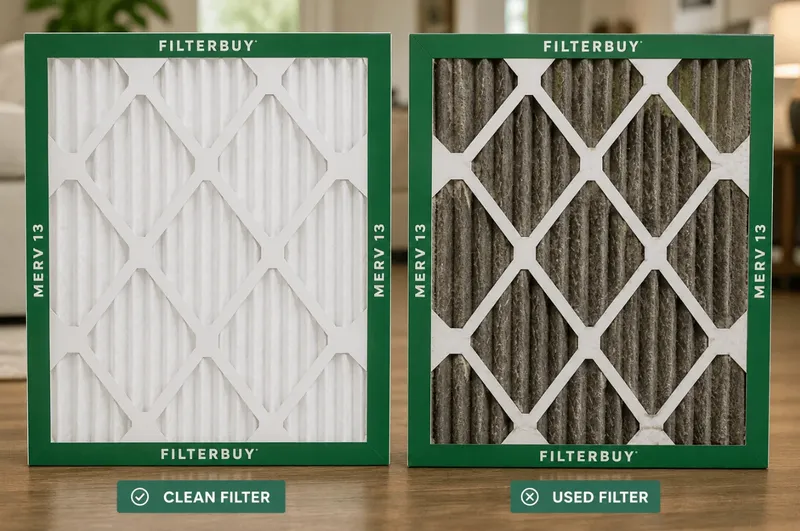
Replacement timing matters as much as filter rating. A filter rated for ninety days under normal conditions may reach capacity closer to sixty days during ozone season. Checking your filter monthly and replacing it once visibly loaded keeps your system ready.
Pro Tip: After manufacturing air filters in the USA and shipping to homes across every Texas ozone region, Filterbuy's take is simple. The filter you actually remember to change beats the higher-rated one you forget. A fresh MERV 11 outperforms a clogged MERV 13 every time.
General guidance. Confirm HVAC system compatibility before upgrading filter thickness or MERV rating.
Getting The Most From Grand Prairie's Live AQI Data
Grand Prairie's live AQI map updates from stations throughout the metroplex, giving current conditions instead of daily averages that hide short-term spikes. Use it to plan outdoor activities and know when your HVAC system faces its heaviest filtration demand.
One pattern holds true across every Texas market Filterbuy tracks: readings climb through the afternoon, when heat and sunlight convert vehicle emissions into ground-level ozone, and ease off by evening. Morning is consistently the better window for outdoor plans in Grand Prairie. For the wider view across the rest of the state, the live Texas AQI map breaks down current readings by metro and county.
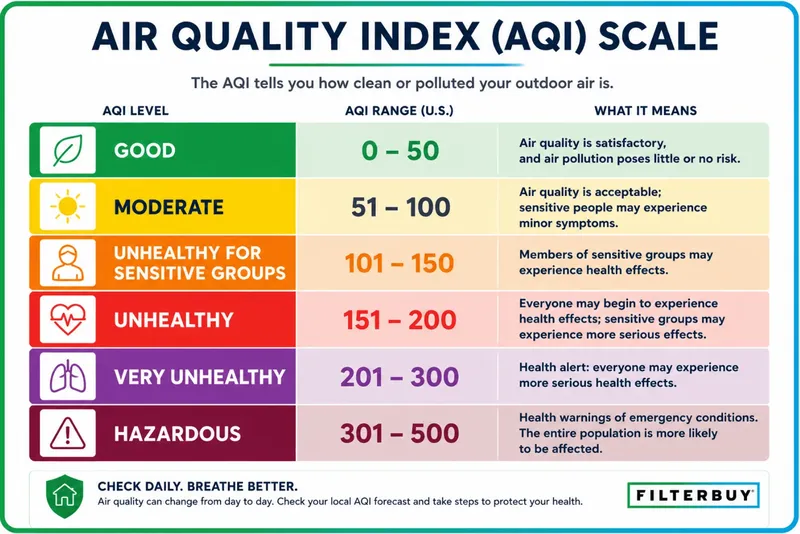
Source: U.S. EPA Air Quality Index scale.
What Our Air Quality Team Says About Grand Prairie
As Filterbuy's Air Quality Writer covering trends across every state Filterbuy ships to, Michelle Wan has fielded this same question from Grand Prairie readers more than once:
After manufacturing filters for over a decade and serving more than two million households, we have watched a clear pattern show up in Grand Prairie. When outdoor AQI climbs, HVAC systems work harder, and that is exactly when a filter needs the most attention.
Michelle Wan, Air Quality Writer, Filterbuy
Michelle covers indoor and outdoor air quality trends for Filterbuy across the states Filterbuy ships to, with this piece reviewed by David Clark, a licensed HVAC technician.
7 Essential Resources To Stay Ahead Of Grand Prairie's Air Quality
Filterbuy compiled these seven government and nonprofit sources to help Grand Prairie residents stay ahead of the next high-AQI day.
1. Know Exactly What Every AQI Level Means For Your Health
AirNow's AQI Basics guide breaks down the health implications at every threshold, from Good to Hazardous.
Source: https://www.airnow.gov/aqi/aqi-basics/
2. See Tomorrow's Ozone Forecast Before It Affects Your Plans
The Texas Commission on Environmental Quality issues a daily, DFW-specific forecast for ozone and particulate matter.
Source: https://www.tceq.texas.gov/airquality/monops/forecast_today.html
3. Tap Into Local Ozone-Reduction Programs Built For Your Neighborhood
Grand Prairie's own environmental office outlines steps to cut ozone pollution locally.
4. Get Ozone Action Day Alerts Before Air Quality Drops
Air North Texas, a regional NCTCOG program, sends alerts before poor air quality hits.
Source: https://www.airnorthtexas.org/sign-up-for-alerts
5. See How Grand Prairie's Air Stacks Up Nationally
The American Lung Association's annual State of the Air report grades DFW on ozone and particle pollution nationally.
Source: https://www.lung.org/research/sota/city-rankings/msas/dallas-fort-worth-tx-ok
6. Understand How Ozone And Particles Affect Your Body
The CDC explains how ground-level ozone and fine particles affect the lungs and heart, plus steps for reducing exposure on high AQI days.
Source: https://www.cdc.gov/air-quality/pollutants/
7. Track Wildfire Smoke Before It Reaches North Texas
The National Interagency Fire Center maps active wildfires and smoke plumes nationwide, helping confirm whether haze is local or drifting in.
Source: https://www.nifc.gov/fire-information/maps
Supporting Statistics
Filterbuy grounds this page's guidance in these three statistics from federal and nonprofit research.
1. Americans Spend 90 Percent Of Their Time Indoors
Indoor pollutant levels run 2 to 5 times higher than outdoor air, per the EPA.
A moderate outdoor AQI can still mean worse air inside a poorly filtered home.
This is the research basis for this page's core filtration guidance.
Source: EPA Report on the Environment: Indoor Air Quality
2. Dallas-Fort Worth Reclassified As A Serious Ozone Nonattainment Area
Effective July 22, 2024, the EPA reclassified DFW from Moderate to Serious for ground-level ozone.
The reclassification covers ten counties, including Dallas, Tarrant, and Ellis.
This is the federal designation behind the nonattainment status referenced throughout this page.
Source: Federal Register: DFW Ozone Nonattainment Reclassification
3. 28 Million People In The United States Live With Asthma
Ozone and fine particle pollution rank among the most common asthma triggers nationwide.
These are the same two pollutants tracked by Grand Prairie's live AQI map above.
Source: AAFA Asthma Facts
Frequently Asked Questions
Protect Your Grand Prairie Home From Poor Air Quality
Take action before the next high-AQI day arrives. Shop Filterbuy's MERV 11 and MERV 13 filters, shipped free from American factories.
Glossary
Air Quality Index (AQI): A 0 to 500 scale showing how clean or polluted outdoor air is right now.
PM2.5: Fine particulate matter smaller than 2.5 microns, small enough to reach deep into the lungs.
Ground-Level Ozone: A gas formed when emissions react with sunlight, the main driver of Grand Prairie's summer alerts.
Ozone Nonattainment Area: A region the EPA says does not meet federal ozone standards, requiring a state plan to cut emissions.
MERV Rating: Minimum Efficiency Reporting Value, a 1 to 16 scale measuring how well a filter captures particles.
Ozone Action Day: A regional alert issued when forecasted ozone is expected to reach unhealthy levels, issued by Air North Texas.