
Lexington Real-Time AQI Tracker


Get Alerts For Unhealthy AQI In Your Area
When air quality in your area reaches unhealthy levels, we'll send you a quick alert, along with expert tips on how to reduce your exposure.
What's Actually In Lexington Air Today?
What High AQI Means for Your Lungs in Lexington
How to Read AQI
The Air Quality Index (AQI) measures how polluted the air is and how it may affect your health.
0–50 (Good): Air quality is satisfactory.
51–100 (Moderate): Acceptable, but some pollutants may pose minor concerns.
101–150 (Unhealthy for Sensitive Groups)
151–200 (Unhealthy)
201–300 (Very Unhealthy)
301+ (Hazardous)
Moderate
Still okay for most, but if you have asthma or allergies, take it easy and avoid long outdoor workouts.
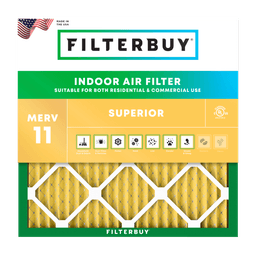
Shop MERV 11 filters→What's the Right Filter for Your AQI Level?
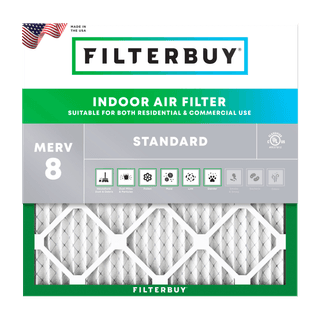
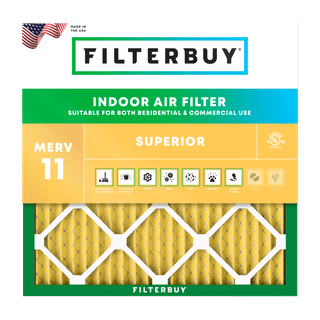
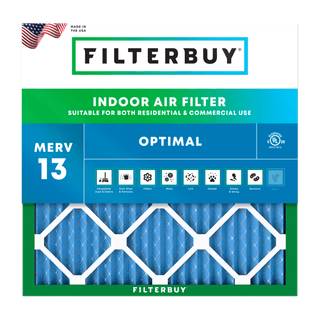



Live Air Quality Index AQI Map Lexington Kentucky Today | Filterbuy.com
Checking Lexington's air quality today? Our live AQI map gives you real-time readings across the Bluegrass region so you know exactly what's in the air before you head outside.
What we've learned from helping millions of homeowners protect their indoor air is that most people stop at checking the number — but they shouldn't. At Filterbuy, we've seen firsthand how outdoor AQI conditions in areas like Lexington directly impact what's circulating inside your home. Seasonal pollen from central Kentucky's farmland, wildfire haze drifting in from the west, and everyday emissions don't stay outside — they work their way into your HVAC system and settle into the air your family breathes every day. It's one of the reasons we built these local AQI pages: so homeowners can connect the dots between what's happening outside their door and what's building up inside their home.
Below you'll find Lexington's current AQI levels, what each color-coded reading means for your health, and the steps our air quality specialists recommend to keep your indoor air clean when outdoor conditions take a turn.
TL;DR Quick Answers
Live Air Quality Index AQI Map Now Today in Lexington Kentucky
The current air quality index for Lexington, Kentucky, is displayed on our live AQI map above — updated in real time so you always have the latest reading before stepping outside.
What you need to know right now:
AQI 0–50 (Green) — Air quality is good. Enjoy your day outdoors.
AQI 51–100 (Yellow) — Moderate. Most people are fine, but sensitive individuals should pay attention.
AQI 101–150 (Orange) — Unhealthy for sensitive groups. Close windows and run your HVAC.
AQI 151+ (Red or higher) — Limit outdoor activity for everyone.
What most people miss: Lexington's outdoor AQI directly impacts the air inside your home. Your HVAC system pulls in whatever is in the air outside — pollen, ozone, smoke, PM2.5 — and circulates it through every room.
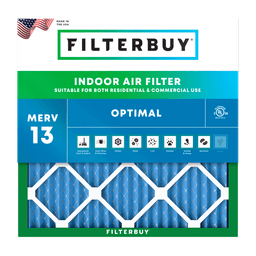
One step you can take right now: Check the filter in your HVAC system. If it's not rated MERV 13 or higher, you're not catching the fine particles that matter most on days when Lexington's AQI is elevated. Based on our experience working with Kentucky homeowners, upgrading your filter is the fastest, most affordable way to protect your family's air — regardless of what today's map is showing.
Top 5 Takeaways
Check Lexington's AQI daily. Air quality shifts throughout the day — especially during summer ozone events and pollen season. Make it part of your morning routine.
Outdoor air affects your indoor air. Your HVAC pulls in outside air every cycle. On elevated AQI days, pollen, smoke, and PM2.5 circulate through every room unless your filter catches them.
Upgrade to MERV 13 or higher. The EPA recommends it as the minimum. Basic filters let the most harmful fine particles pass right through.
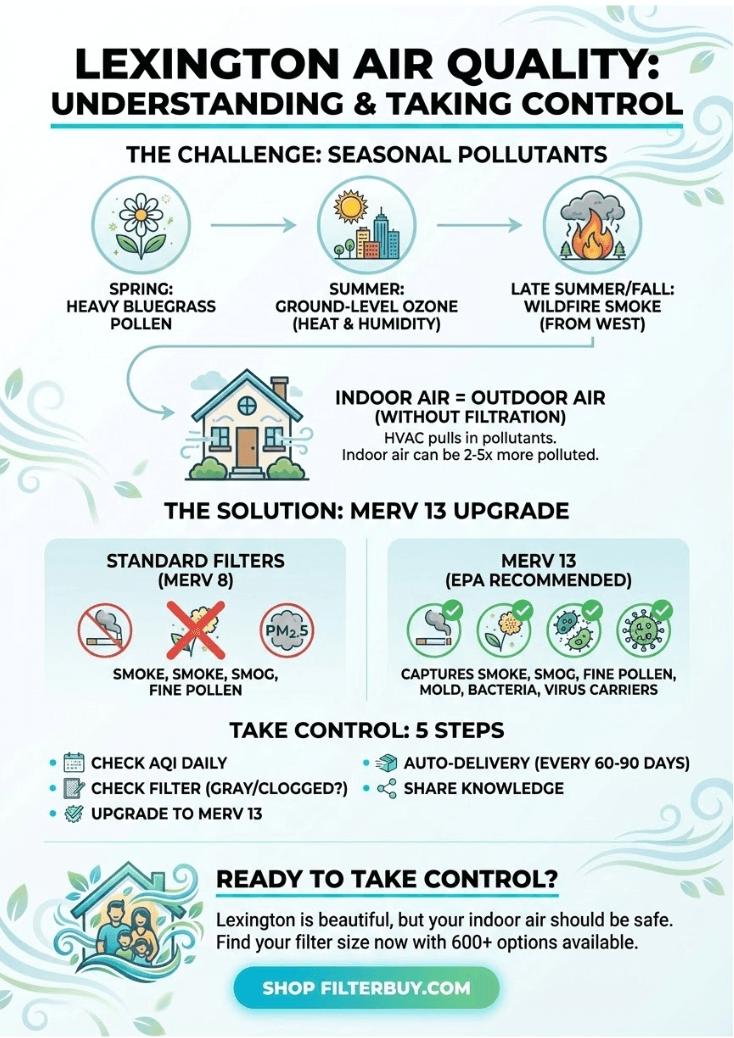
Know Lexington's three air quality seasons:
Spring — heavy Bluegrass pollen
Summer — ground-level ozone trapped by heat and humidity
Late Summer/Fall — wildfire smoke drifting from western states
Replace your filter every 60 days. The standard 90-day cycle shortens fast during peak pollen, ozone, and smoke events. Auto-delivery keeps you on track without the guesswork.
What Is the Air Quality Index and How Does It Work?
The Air Quality Index is a standardized scale from 0 to 500 that measures how clean or polluted your outdoor air is right now. The EPA calculates AQI based on five major pollutants: ground-level ozone, particulate matter (PM2.5 and PM10), carbon monoxide, sulfur dioxide, and nitrogen dioxide. The higher the number, the greater the health concern. For Lexington residents, the most common culprits behind elevated readings are ground-level ozone during hot summer months and fine particulate matter from seasonal agricultural activity, pollen, and occasional wildfire smoke carried in from other regions.
Reading Lexington's AQI: What the Colors Mean for You
Every AQI reading is paired with a color so you can quickly gauge conditions at a glance. Green (0–50) means air quality is good and poses little to no risk. Yellow (51–100) is moderate — generally acceptable, though unusually sensitive individuals should pay attention. Orange (101–150) is unhealthy for sensitive groups, including people with asthma or respiratory conditions, which is especially relevant during Lexington's peak allergy seasons. Red (151–200) means everyone may start to feel effects, and outdoor activities should be limited. Purple and maroon levels indicate increasingly serious conditions where everyone should reduce time spent outside.

Why Lexington's Air Quality Changes Throughout the Year
Lexington sits in the heart of Kentucky's Bluegrass region, and its air quality is shaped by a mix of local and regional factors. Spring brings some of the highest pollen counts in the country, which compounds the effects of moderate AQI days. Summer heat and humidity can trap ground-level ozone, pushing readings into the orange range — particularly along high-traffic corridors like New Circle Road and Nicholasville Road. In late summer and fall, wildfire smoke from western states occasionally drifts into central Kentucky, causing temporary spikes that catch many residents off guard.
How Outdoor Air Quality Affects What You Breathe Indoors
Here's what many homeowners don't realize: outdoor pollutants don't stay outside. Every time your HVAC system cycles, it pulls in air from the surrounding environment — and whatever is floating in that air comes along for the ride. On days when Lexington's AQI climbs above 100, the particulate matter entering your home increases significantly. Without proper filtration, those pollutants circulate through your ductwork and settle into the air your family breathes all day and night. A quality air filter rated MERV 13 or higher can capture up to 98% of airborne particles, including the fine PM2.5 particulates that are most harmful to your lungs. Checking the AQI map daily and pairing that awareness with the right filter is one of the simplest, most effective ways to protect your household — especially during Lexington's more challenging air quality seasons.
"After over a decade of helping families across Kentucky protect their indoor air, we've seen firsthand how a single high-AQI day in Lexington — whether from summer ozone buildup or wildfire smoke drifting into the Bluegrass — can push indoor particulate levels well above what most homeowners expect. That's exactly why we pair real-time air quality data with the right filtration solutions: because knowing what's outside is only half the battle."
— The Filterbuy Air Quality Team
7 Air Quality Resources Lexington Residents Actually Need Bookmarked
Look — checking today's AQI number is a great start, but it's just one piece of the puzzle. These seven resources help you understand what Lexington's air quality means for your family's health and what you can do about it, both outside and inside your home.
1. AirNow.gov Kentucky Map — The Gold Standard for Real-Time AQI
This is where the data comes from. AirNow delivers interactive maps, smoke tracking, and AQI forecasts straight from the EPA. If you're only going to bookmark one air quality site, make it this one.
URL: https://www.airnow.gov/state/?name=kentucky
2. EPA AQI Basics — What Those Colors Actually Mean
Green, yellow, orange, red — they're not just colors. Each corresponds to a specific health concern level, from good air quality at 50 or below to hazardous conditions above 300. This quick guide breaks it all down in plain language.
URL: https://www.airnow.gov/aqi/aqi-basics/
3. Kentucky Division for Air Quality — Bluegrass-Specific Monitoring Data
Kentucky's Division for Air Quality tracks the six criteria pollutants the EPA considers most harmful to public health. Want to see how Lexington's air has trended over the years? This is where you'll find it.
URL: https://eec.ky.gov/Environmental-Protection/Air/Air-Monitoring/Pages/default.aspx
4. IQAir Lexington Dashboard — PM2.5 Tracking and Historical Trends
IQAir provides real-time readings, historical data, and PM2.5 forecasts specific to Lexington. It's especially handy for spotting seasonal patterns — like those summer ozone spikes that catch people off guard.
URL: https://www.iqair.com/us/usa/kentucky/lexington
5. AccuWeather Lexington AQI — Air Quality Meets Your Daily Forecast
AccuWeather pairs a localized AQI forecast with hourly weather data so Lexington residents can plan their day and make healthier choices. Morning run? Kids' soccer practice? Check here first.
URL: https://www.accuweather.com/en/us/lexington/40505/air-quality-index/338365
6. EPA Patient Exposure Guide — Critical Info for Sensitive Groups
If anyone in your household has asthma, heart disease, or other respiratory concerns, this one's important. The EPA advises that people with heart or lung disease, older adults, children, and those with diabetes should reduce heavy exertion when AQI hits the unhealthy-for-sensitive-groups level.
URL: https://www.epa.gov/pmcourse/patient-exposure-and-air-quality-index
7. City of Lexington Environmental Quality — Local Programs for Your Community
Lexington's department focuses on preserving the Bluegrass environment and promoting a sustainable quality of life for residents. This connects you to local sustainability programs and environmental services right in Fayette County.
URL: https://www.lexingtonky.gov/government/departments-programs/environmental-quality-public-works
What the Research Says About Your Air
The science is clear — and it connects directly to what's showing up on Lexington's AQI map today. Here are three research-backed findings every homeowner should know.
1. The EPA Recommends MERV 13 as Your Minimum Filter Upgrade
Not all air filters are created equal. The EPA advises homeowners to choose a filter with at least a MERV 13 rating, or as high as their system can accommodate.
Why it matters for Lexington residents:
MERV 13 filters capture the fine particles that basic filters miss — including pollen, smoke, and PM2.5
Lexington's seasonal pollen, summer ozone, and wildfire haze all produce particles your HVAC system pulls indoors
Upgrading your filter is one of the simplest, most affordable ways to protect your home's air
Source: U.S. EPA
2. America Just Hit a 26-Year Record for Unhealthy Air Days
The trend is going in the wrong direction. The American Lung Association's 2025 "State of the Air" report found that people in the U.S. experienced the highest number of "unhealthy" and "very unhealthy" particle pollution days in 26 years of tracking.
What You Need to Know
Wildfire smoke and extreme heat are driving the worst spikes
Central Kentucky is not immune — smoke from western fires regularly drifts into the Bluegrass region
When outdoor particle levels climb, your HVAC system brings those pollutants inside
Source: American Lung Association — State of the Air 2025
3. Air Pollution Is Directly Linked to Childhood Asthma Risk
For families with kids, this data demands attention. An EPA-cited Johns Hopkins study found that children exposed to outdoor coarse particulate matter were more likely to develop asthma and require emergency treatment, with kids 11 and younger being the most susceptible.
What parents should know:
The study covered nearly 8 million children across 34 states
Younger children face the highest risk from particle pollution exposure
Monitoring Lexington's daily AQI and filtering your indoor air aren't optional — they're essential
Source: U.S. EPA — The Links Between Air Pollution and Childhood Asthma
Final Thoughts and Opinion: Why Checking Lexington's AQI Should Change What You Do Inside Your Home
Here's what we've learned after more than a decade of helping families breathe cleaner air — most people think about air quality backwards.
They check the AQI, see a green or yellow reading, and assume everything is fine. But that number only tells you what's happening outside. It doesn't tell you a thing about the air circulating through your living room, your bedroom, or your kid's nursery right now.
At Filterbuy, we've shipped millions of air filters to homes across the country — including right here in Kentucky. The pattern we see over and over is the same:
Families don't realize their indoor air is a problem until symptoms show up
Dust keeps coming back, no matter how often they clean
A child's allergies get worse during pollen season
By then, the HVAC system has been recirculating unfiltered particles for weeks
What The Data Shows
Record-breaking unhealthy air days nationwide
Nearly half the countryis breathing air that earns a failing grade
The outdoor environment isn't getting easier on your lungs anytime soon
In our experience, the single most impactful thing a homeowner can do is straightforward:
Upgrade to a MERV 13 filter
Replace it on schedule
Stop relying on a basic filter that was never designed to catch the particles that matter most.
It's not glamorous. It's not complicated. But it works — and the EPA, the American Lung Association, and years of published research all back that up. We've seen families go from constant allergy complaints to noticeably cleaner air within a week of making the switch. That's not marketing — that's what happens when the right filter meets a system that's actually running.
Lexington is a beautiful place to live. The air outside will have its good days and bad days. But the air inside your home? That's something you can control — and we think that's worth paying attention to.
Ready to Take Control of Your Indoor Air? What’s Next
You've checked Lexington's AQI. You understand what the numbers mean. Now it's time to act. These five steps take less than 15 minutes — and they can make a real difference in how your family breathes.
Step 1: Check Today's AQI for Lexington
Bookmark this page and check it daily — just like the weather
When the AQI climbs above 100, close the windows and let your HVAC do the work
Limit outdoor activity on orange, red, or purple days
Step 2: Find Out What Filter You're Currently Using
Pull out the filter in your HVAC return vent and look for three things:
MERV rating — printed on the frame or packaging
Filter size — length x width x depth in inches
Condition — if it's gray, clogged, or sagging, it's overdue
If your MERV rating is below 13 or you can't remember your last replacement, that's your starting point.
Step 3: Upgrade to a MERV 13 Filter
The EPA recommends MERV 13 as the minimum upgrade for cleaner indoor air. It captures what basic filters miss:
Pollen, pet dander, and mold spores
Smoke and fine PM2.5 particles
Dust and airborne bacteria
Why Filterbuy:
600+ sizes available, including custom
Made in the USA
Free shipping, factory-direct to your door
Step 4: Set Up Auto-Delivery
The best filter can't help if it's clogged. Replace every 60–90 days — more often with pets, allergies, or during Lexington's peak pollen seasons.
Filters arrive exactly when you need them
No store trips, no guessing
Adjust or cancel your schedule anytime
Step 5: Share This Page
Air quality is a community issue. If today's AQI data helped you, pass it along to a neighbor, family member, or anyone in the Lexington area who wants to stay informed.
Frequently Asked Questions
Q: What is the Air Quality Index, and how do I read Lexington's AQI map?
A: The AQI is a 0-to-500 scale developed by the EPA to measure outdoor air pollution. Lexington's live map uses color-coded readings that update throughout the day:
Green (0–50) — Good air quality, safe for outdoor activities
Yellow (51–100) — Moderate, most people unaffected
Orange (101–150) — Unhealthy for sensitive groups
Red (151–200) — Everyone should limit outdoor exposure
Here's what we tell our customers: treat the AQI like a weather forecast. Check it before morning routines — before opening windows, exercising outside, or sending kids out to play. A green morning doesn't always mean a green afternoon, especially in Lexington's warmer months.
Q: Why does Lexington's air quality change so much throughout the year?
A: After years of working with Kentucky homeowners, we've seen Lexington's air quality follow three distinct seasonal patterns:
Spring — Bluegrass pollen output is among the heaviest in the country. We consistently see filter replacement rates spike in March and April as HVAC systems pull massive amounts of pollen indoors.
Summer — Heat and humidity trap ground-level ozone, especially along high-traffic corridors like New Circle Road and Nicholasville Road.
Late Summer & Fall — Wildfire smoke from western states drifts into central Kentucky, pushing AQI readings into the orange range unexpectedly.
The takeaway from our experience: Lexington doesn't have one air quality season. It has three, and each one demands attention.
Q: Does Lexington's outdoor air quality affect the air inside my home?
A: Yes — significantly. Your HVAC system pulls in outside air every time it cycles. Whatever is floating in that air comes along for the ride.
What we've observed firsthand:
Families running basic MERV 8 filters during moderate AQI days were still circulating pollen, fine dust, and PM2.5 through every room
The EPA confirms that indoor air can be 2 to 5 times more polluted than outdoor air
A clogged filter after just 30 days in a Lexington home during pollen season tells you everything about what's been in your air.
This is the question we wish more homeowners asked sooner. By the time you notice symptoms — dust buildup, increased sneezing, worsening allergies — your system has been recirculating unfiltered particles for weeks.
Q: What should I do when Lexington's AQI goes above 100?
A: We get this question a lot. Here's the playbook we recommend based on working with thousands of families in this exact situation:
Close windows and doors — even cracking them lets in more particulate matter than people realize
Run your HVAC on fan mode — keep air circulating through your filter continuously.
Confirm your filter is MERV 13 or higher — anything less isn't catching the fine particles that matter most on high-AQI days.
Recheck the map in the afternoon — we've noticed Lexington's readings often peak between 1 and 5 PM during summer ozone events.
Limit outdoor time for everyone — not just sensitive groups — if readings push into red or beyond
In our experience, families who have a plan in place before high-AQI days hit are the ones who notice the least disruption to their comfort and health.
Q: How often should I replace my air filter based on Lexington's air quality conditions?
A: The standard recommendation for a MERV 13 filter is every 60 to 90 days. But Lexington's conditions often demand a shorter cycle.
What we've learned from millions of filter shipments:
Peak pollen season (spring) — Filters can reach full capacity in 30 to 45 days
Wildfire smoke events — Your filter absorbs what your family would otherwise breathe, filling up faster than expected
Homes with pets or allergy sufferers — Lean toward the 60-day replacement cycle
Near high-traffic areas — More frequent replacement keeps up with elevated particulate levels
Our best advice: set up auto-delivery. Your filters arrive when it's time, and you're never stuck breathing through a filter that stopped doing its job weeks ago.
You've Seen Lexington's Live Air Quality Index — Now Protect the Air Inside Your Home
Today's AQI map tells you what's happening outside, but a MERV 13 filter from Filterbuy is what keeps those pollutants from circulating through your home. Find your filter size now at Filterbuy.com — with 600+ sizes, free shipping, and auto-delivery, cleaner indoor air is just a click away.