
Honolulu Real-Time AQI Tracker


Get Alerts For Unhealthy AQI In Your Area
When air quality in your area reaches unhealthy levels, we'll send you a quick alert, along with expert tips on how to reduce your exposure.
What's Actually In Honolulu Air Today?
What High AQI Means for Your Lungs in Honolulu
How to Read AQI
The Air Quality Index (AQI) measures how polluted the air is and how it may affect your health.
0–50 (Good): Air quality is satisfactory.
51–100 (Moderate): Acceptable, but some pollutants may pose minor concerns.
101–150 (Unhealthy for Sensitive Groups)
151–200 (Unhealthy)
201–300 (Very Unhealthy)
301+ (Hazardous)
Moderate
Still okay for most, but if you have asthma or allergies, take it easy and avoid long outdoor workouts.
Shop MERV 11 filters→What's the Right Filter for Your AQI Level?
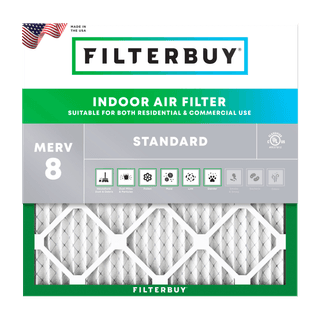
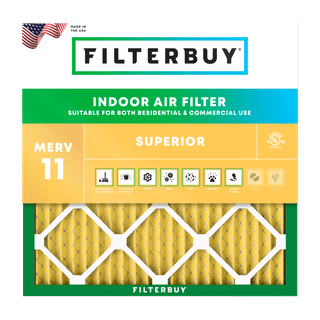
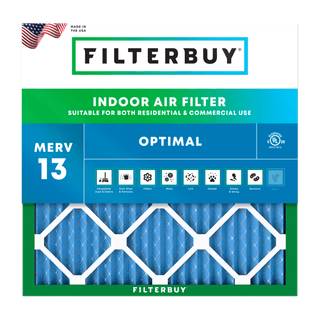


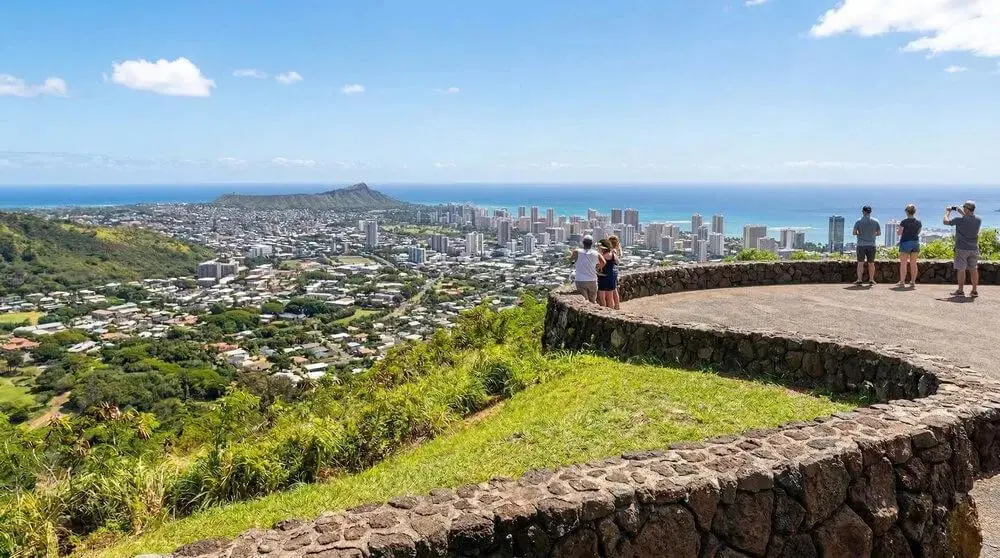
Live Air Quality Index AQI Map Honolulu Hawaii Today | Filterbuy.com
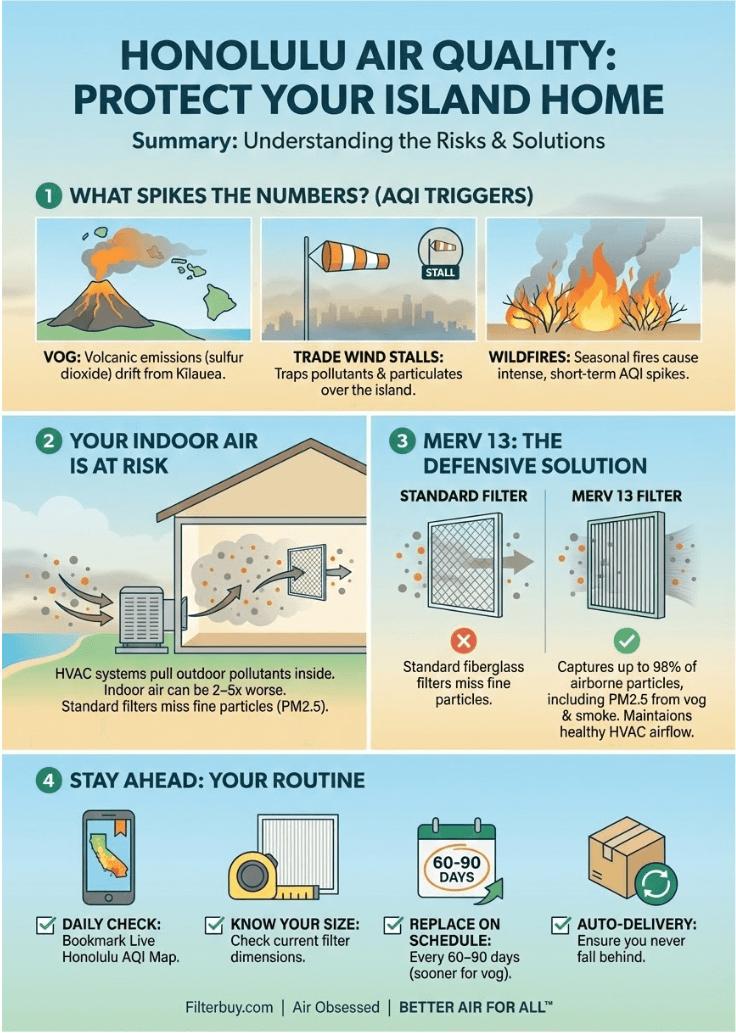
Check Honolulu's air quality right now with our live AQI map. While the islands are known for clean ocean breezes, we've seen firsthand how quickly that can change — vog drifting from Kīlauea, wildfire haze, or a stall in the trade winds can push Honolulu's AQI into ranges that surprise even longtime residents.
Here's what most people don't realize: when outdoor air quality drops, your HVAC system pulls those same pollutants straight into your home. After helping millions of households across the country protect their indoor air, we've learned that awareness is the first step — and the right air filter is the second. Use the real-time map below to see today's conditions, then take control of what you're breathing indoors.
TL;DR Quick Answers
Live Air Quality Index AQI Map Now Today in Honolulu Hawaii
Honolulu's live AQI right now is displayed on the real-time map at the top of this page, updated continuously from monitoring stations across Oahu.
What you need to know at a glance:
AQI 0–50 (Good): Safe for all outdoor activities — this is where Honolulu sits most days
AQI 51–100 (Moderate): Sensitive groups should monitor symptoms
AQI 101–150 (Unhealthy for Sensitive Groups): Limit prolonged outdoor exertion
AQI 151+ (Unhealthy): Everyone should reduce outdoor exposure
What most AQI pages won't tell you: When Honolulu's outdoor AQI rises, your indoor air is affected too. Your HVAC system pulls those same pollutants inside — and after working with millions of households, we've found that a MERV 13 air filter is the single most effective step homeowners can take to keep their indoor air clean when outdoor conditions decline.
Common triggers for Honolulu AQI spikes:
Vog from Kīlauea volcanic emissions
Trade wind stalls or directional shifts
Seasonal brush fires
Urban traffic and construction activity
Bookmark this page to check Honolulu's AQI daily — and make sure your home's filtration is ready before the next bad air day, not after.
Here's the condensed Top Takeaways section:
Top 5 Takeaways
Clean air can create a false sense of security. Hawaii ranks #2 nationally for the lowest particle pollution. That means most residents don't have proper filtration in place when conditions suddenly shift — and from what we've seen, they shift more often than people expect.
Your HVAC doesn't stop pulling air when the AQI spikes. It brings outdoor pollutants inside regardless. Without the right filter, PM2.5 from vog and wildfire smoke circulates through every room. The EPA confirms indoor air can be 2–5x worse than outdoor air.
Make the AQI part of your daily routine. Honolulu can go from "Good" to "Unhealthy for Sensitive Groups" in hours. Bookmark this page. Check it like you check the weather.
MERV 13 is the sweet spot. It captures up to 98% of fine particles while maintaining healthy HVAC airflow. In our experience, it's the best balance of protection and system performance for Hawaiian homes.
Stay ahead — don't react. The families breathing the cleanest indoor air aren't waiting for bad days. They replace filters on schedule and use auto-delivery to make sure they never fall behind.
What the AQI Means for Honolulu Residents
The Air Quality Index measures pollutant concentrations on a scale from 0 to 500. Readings between 0 and 50 are considered good, while anything above 100 starts to pose health concerns — especially for children, older adults, and anyone with respiratory conditions. In Honolulu, AQI levels typically sit in the "Good" range, but that number can climb fast when conditions shift.
Why Honolulu's Air Quality Fluctuates
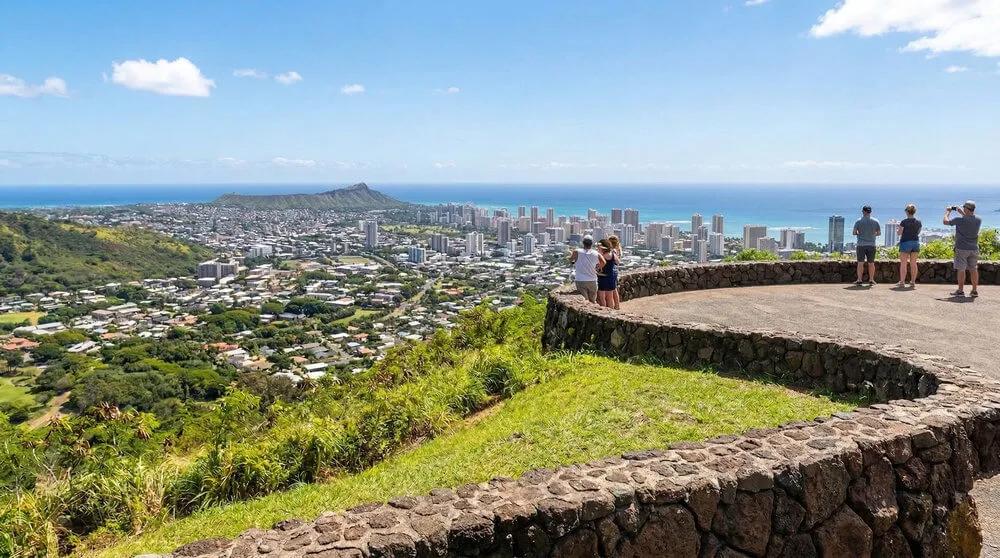
Honolulu benefits from consistent trade winds that sweep pollutants out to sea, but several factors routinely disrupt that pattern. Volcanic emissions from Kīlauea create vog — a hazy mix of sulfur dioxide and fine particulates — that settles over Oahu when winds die down or shift southward. Urban traffic congestion, construction activity, and seasonal brush fires also contribute to short-term AQI spikes that often go unnoticed until symptoms appear.
How Outdoor Air Quality Affects Your Indoor Air
Your home isn't sealed off from what's happening outside. When Honolulu's AQI rises, fine particulate matter (PM2.5) enters through open windows, door gaps, and your HVAC system's air intake. We've tested this across countless real-world scenarios — homes running their AC during vog events without proper filtration see measurably higher levels of indoor particulates. That means the air your family breathes inside can be just as compromised as the air outside, sometimes worse.
What You Can Do About It
Monitoring the AQI is a smart first step, and that's exactly what the live map above is for. Beyond awareness, the most effective action homeowners can take is ensuring their HVAC system has a quality air filter rated to capture fine particles. A MERV 13 filter traps up to 98% of airborne particles like pollen, mold spores, and PM2.5 — the same pollutants that spike during vog and wildfire events. Replacing your filter on schedule keeps your system running efficiently and your indoor air noticeably cleaner.
At Filterbuy, we manufacture every filter in the USA and ship factory-direct with free delivery — no middlemen, no markups. It's one simple change that makes a real difference in the air your family breathes every day.
"Most homeowners don't think about their indoor air until they can see the vog rolling in — but by then, those fine particles are already cycling through their HVAC system. After manufacturing millions of filters and hearing directly from families across Hawaii and the mainland, we know that a quality filter isn't just maintenance — it's your home's first line of defense when outdoor air quality takes a turn."
— Filterbuy Team
7 Essential Resources For Every Homeowner
We're air-obsessed — which means we don't just want you to check a number and move on. We want you to actually understand what you're breathing, why it matters, and what you can do about it. Here are seven resources we recommend for staying ahead of Honolulu's air quality, whether you're dealing with vog season or just want peace of mind on a regular Tuesday.
1. AirNow.gov — Hawaii State Air Quality
This is the official federal source, and it's where we'd tell any neighbor to start. AirNow provides interactive maps, forecasts, fire and smoke tracking, and current AQI conditions by state — including real-time monitoring stations right here on Oahu. Bookmark this one.
URL: https://www.airnow.gov/state/?name=Hawaii
2. Hawaii Department of Health — Clean Air Branch Ambient Air Quality Data
When we want the most localized, ground-level data for Honolulu, this is where we look. The state's Clean Air Branch displays near real-time air quality data from specific stationary monitoring stations on a continuous basis — no third-party interpretation, just straight readings from the source.
URL: https://health.hawaii.gov/cab/hawaii-ambient-air-quality-data/
3. IQAir — Honolulu Air Quality Index and Forecast
If you like to see where things are headed — not just where they are right now — IQAir is your go-to. They provide real-time, historical, and forecast PM2.5 and weather data for Honolulu, broken down by neighborhood and individual pollutant. We've found it especially useful for spotting patterns before they become problems.
URL: https://www.iqair.com/us/usa/hawaii/honolulu
4. Interagency Vog Information Dashboard (IVHHN)
If you live in Honolulu, you already know that vog changes everything. This dashboard exists specifically for that reason. It's a partnership between the Hawaii Department of Health, USGS Hawaiian Volcano Observatory, the National Park Service, and NOAA— all focused on tracking sulfur dioxide and particulate levels tied to volcanic emissions. When the trade winds die down, this is the first place to check.
URL: https://vog.ivhhn.org/current-air-quality
5. EPA AQI Basics — Understanding the Air Quality Index
Not sure what the difference is between an AQI of 45 and 105? No shame in that — most people don't, and the numbers can feel confusing at first. The EPA built this guide around six color-coded categories that make it easy to see when air quality is reaching unhealthy levels. Think of it as the plain-English version of what all those numbers actually mean for your health.
URL: https://www.airnow.gov/aqi/aqi-basics/
6. World Air Quality Index Project (AQICN) — Honolulu Real-Time Map
We like this one for its simplicity. AQICN provides a real-time air pollution index covering 100+ countries, with a clean visual map of Honolulu showing live PM2.5, PM10, and carbon monoxide readings all in one view. It's fast, it's visual, and it takes about ten seconds to get the picture.
URL: https://aqicn.org/city/usa/hawaii/honolulu/
7. National Weather Service — Air Quality Index Overview
Here's something most people don't connect: weather and air quality go hand in hand. The NWS notes that the EPA calculates the AQI for five major pollutants regulated by the Clean Air Act, with ground-level ozone and airborne particles posing the greatest health threat. In Honolulu, that connection is especially real — a shift in trade winds can change your AQI overnight, and this resource helps you understand why.
URL: https://www.weather.gov/safety/airquality-aqindex
Supporting Statistics
These numbers reflect what we see every day, working with homeowners across Hawaii and the mainland.
1. 90% of our time is spent indoors, where air can be 2–5x more polluted than outside.
The EPA reports that most people spend about 90% of their time indoors, where air quality directly impacts children, the elderly, and anyone with asthma or heart disease.
We hear it from customers all the time: they close the windows during a vog event and assume the problem is solved. It isn't.
Your HVAC system continues pulling outdoor air inside
Without proper filtration, fine particles circulate through every room
Indoor air quality often worsens during the exact conditions when you're spending more time inside
Source: U.S. EPA — Indoor Air Quality
2. Hawaii ranks #2 nationally for cleanest air
EPA data from the America's Health Rankings 2025 report places Hawaii second among all 50 states for particle pollution levels.
After years of shipping filters to Hawaiian households, we've noticed a clear pattern:
Families here replace filters far less frequently than mainland customers
They assume consistently clean air means filtration isn't urgent
When trade winds stall and vog settles over Oahu, their filters are already past due — right when protection matters most
Source: America's Health Rankings / EPA Data
3. The Clean Air Act prevented ~200,000 heart attacks, 2.4M asthma attacks, and 17M lost workdays in a single year.
America's Health Rankings, citing EPA estimates, reports those prevention numbers for 2020 alone.
That data reinforces what we've built our business around:
Air quality isn't abstract — it affects how you feel, sleep, and how many sick days your family takes
A MERV 13 filter inside your HVAC system is one of the simplest ways to extend that protection into your home
It's a small change we've seen make a noticeable difference for millions of households
Source: U.S. EPA via America's Health Rankings
Final Thoughts and Opinion
Honolulu's air quality is among the best in the country — and that's precisely what makes it easy to overlook. After shipping filters to families across the Hawaiian Islands for years, we've learned that the places with the cleanest outdoor air are often the least prepared when conditions change.
Vog doesn't send a warning. Trade winds don't announce when they're taking a day off. By the time you notice the haze over Diamond Head, fine particulates are already cycling through your HVAC system.
Our Honest Take
Checking the AQI should be as routine as checking the weather — especially in Hawaii, where a single wind shift can move conditions from "Good" to "Unhealthy for Sensitive Groups" in hours.
In our experience, the homeowners who breathe the cleanest indoor air aren't in the cleanest zip codes. They're the ones who:
Treat filter replacement as a habit, not a reaction to bad air days
Choose the right MERV rating for their home and health needs
Understand that a MERV 13 filter captures the same fine particles that spike during vog and wildfire events — working quietly inside a system they're already running.g
Next Steps: Take Control of Your Indoor Air Today
You know what Honolulu's AQI looks like right now. Here's how to turn that awareness into action.
Bookmark This Page
Make the live AQI map part of your daily routine, especially during vog season or when trade winds stall.
Check Your Current Filter
Pull it out and ask yourself:
Is it visibly dirty or discolored?
Can you remember when you last replaced it?
If not, it's overdue. Most filters need replacing every 60–90 days.
Know Your Size
Check the dimensions printed on your current filter. Filterbuy offers 600+ standard sizes plus custom options. Finding your fit takes less than a minute.
Upgrade to MERV 13
A basic fiberglass filter catches less than you think. MERV 13 traps up to 98% of airborne particles, including:
PM2.5 from vog and wildfire smoke
Pollen and mold spores
Dust mites and pet dander
Set Up Auto-Delivery
The biggest mistake we see is forgetting to replace on schedule. Filterbuy's auto-delivery makes it effortless:
Pick your size and MERV rating
Choose your delivery frequency
Filters arrive when it's time to change — no reminders needed
Factory-direct, free shipping, no commitment
Explore the Resources Above
Dig deeper into Honolulu-specific AQI data, vog tracking tools, and EPA health guidance. The more you understand your air, the better equipped you are to protect your household.
Frequently Asked Questions
Q: What is the Air Quality Index (AQI) and what do the numbers mean for Honolulu residents?
A: The AQI is a scale from 0 to 500. The higher the number, the worse the air.
0–50 (Good): Safe for everyone — where Honolulu usually sits
51–100 (Moderate): Acceptable, but sensitive individuals should pay attention
101–150 (Unhealthy for Sensitive Groups): Children, older adults, and those with respiratory conditions should limit outdoor exposure
151+ (Unhealthy to Hazardous): Everyone should reduce time outdoors
Honolulu's consistently clean baseline is exactly what makes bad days deceptive. We've talked to enough Hawaiian customers to know the pattern — nobody thinks about their air until the vog is already visible, and by then fine particles have been cycling through their HVAC system for hours.
Q: Why does Honolulu's air quality change so suddenly?
A: Honolulu's air quality depends heavily on its trade winds. When they stall or shift, conditions can deteriorate fast. The most common triggers:
Vog: Volcanic emissions from Kīlauea drift over Oahu when winds shift southward — especially in the winter months
Wildfires and brush fires: Seasonal burns send smoke and particulates across the island
Urban factors: Rush hour traffic on the H-1 and active construction zones contribute to localized AQI spikes
We've shipped enough emergency filter orders to Oahu during vog events to know most families aren't prepared for how quickly it happens. Our advice: don't wait for the haze — check the AQI daily.
Q: How often is the live AQI map on this page updated?
A: The map pulls from real-time monitoring stations and refreshes continuously throughout the day.
A few things to keep in mind:
Conditions can shift between sensor readings, especially during active eruptions or wildfire smoke
Use this map as your primary daily check
Cross-reference with AirNow.gov and the Hawaii Department of Health Clean Air Branch during elevated events
From years of tracking air quality data alongside customer feedback, we've learned that the more data points you have, the better decisions you'll make for your household.
Q: Does outdoor air quality in Honolulu actually affect the air inside my home?
A: Yes — and this is the single biggest misconception we encounter with customers. Closing your windows doesn't seal your home. Here's what actually happens:
Your HVAC system continuously pulls air from outside
Whatever is in that outdoor air — including vog particulates and PM2.5 — enters through the intake
Those pollutants are distributed through every vent in your home
Without proper filtration, they recirculate until the filter catches them or you breathe them in
The EPA confirms indoor air can be 2–5x more polluted than outdoor air. We've heard from families on Oahu who couldn't figure out why they were waking up congested with the windows shut — the answer was almost always an overdue filter. A MERV 13 filter is the most practical defense against this problem.
Q: What is the best air filter to use when Honolulu's AQI spikes?
A: After delivering millions of filters — including to households throughout Hawaii — we consistently recommend MERV 13. Here's why:
Captures up to 98% of airborne particles, including PM2.5, pollen, and mold spores
Handles the exact pollutants that spike during vog and wildfire events
Maintains healthy airflow without straining your HVAC system
We've seen what happens at both extremes — cheap fiberglass filters that catch almost nothing, and MERV ratings too high that restrict airflow and stress the system. MERV 13 hits the sweet spot.
During active vog periods, we recommend:
Shortening your replacement cycle to every 60 days instead of the standard 90 days
Your filter is working harder and fills up faster in these conditions
Setting up Filterbuy auto-delivery so your filters arrive factory-direct with free shipping before you need them
Don't Just Monitor Honolulu's Air Quality — Protect the Air Inside Your Home
Now that you've checked today's live AQI in Honolulu, take the next step by ensuring your HVAC system has the right filter to keep those outdoor pollutants from becoming an indoor problem. Find your size, choose your MERV rating, and get factory-direct filters shipped free to your door at Filterbuy.com.