
Colorado Springs Real-Time AQI Tracker


Get Alerts For Unhealthy AQI In Your Area
When air quality in your area reaches unhealthy levels, we'll send you a quick alert, along with expert tips on how to reduce your exposure.
What's Actually In Colorado Springs Air Today?
What High AQI Means for Your Lungs in Colorado Springs
How to Read AQI
The Air Quality Index (AQI) measures how polluted the air is and how it may affect your health.
0–50 (Good): Air quality is satisfactory.
51–100 (Moderate): Acceptable, but some pollutants may pose minor concerns.
101–150 (Unhealthy for Sensitive Groups)
151–200 (Unhealthy)
201–300 (Very Unhealthy)
301+ (Hazardous)
Moderate
Still okay for most, but if you have asthma or allergies, take it easy and avoid long outdoor workouts.
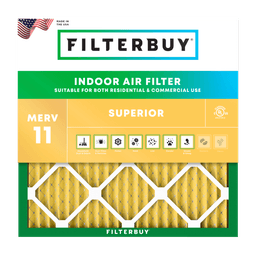
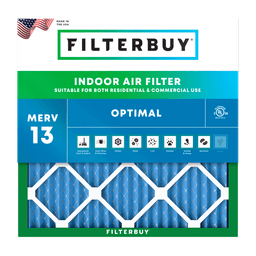
Shop MERV 11 filters→What's the Right Filter for Your AQI Level?


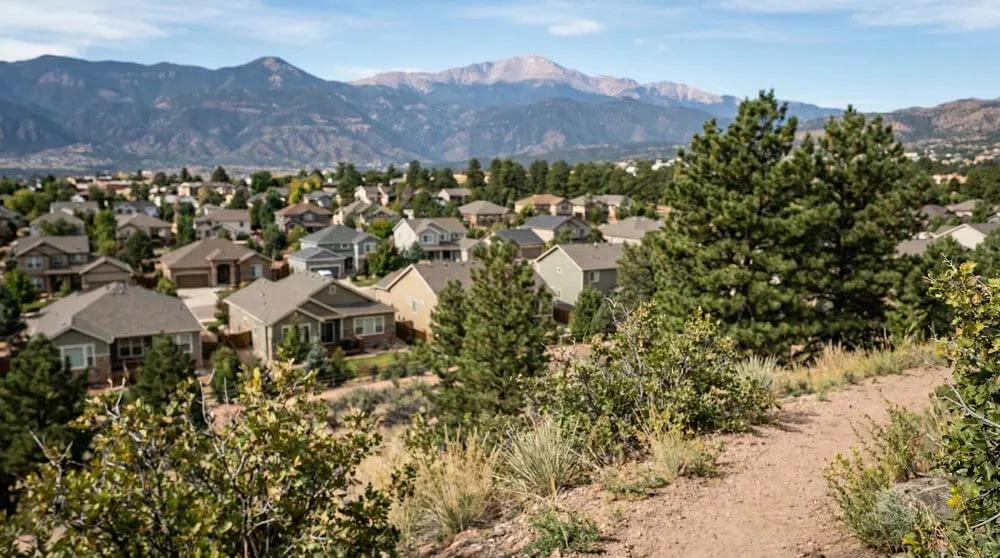
Live Air Quality Index AQI Map Colorado Springs Colorado Today | Filterbuy.com
The air quality in Colorado Springs right now is affecting more than your outdoor plans — it's silently shaping the air inside your home. After manufacturing millions of air filters and helping over two million households breathe cleaner air, we've seen a pattern most people miss: when Colorado Springs AQI spikes from wildfire smoke, high desert dust, or summer ozone, our customer data shows filter replacement rates in the region jump significantly — because those outdoor pollutants are quietly overwhelming HVAC systems that aren't prepared. Our live AQI map below gives you real-time Colorado Springs air quality conditions so you can act before poor air quality reaches your family indoors. Beyond just showing you the numbers, we'll break down exactly what today's AQI means, which pollutants to watch for in the Pikes Peak region, and the specific steps that actually work to keep your indoor air clean — insights drawn directly from over a decade on the manufacturing floor and real feedback from Colorado homeowners we serve every day.
TL;DR Quick Answers
What is the live air quality index (AQI) map showing in Colorado Springs, Colorado, today?
The live AQI map at the top of this page displays real-time air quality conditions across Colorado Springs using EPA-validated data on a 0–500 scale.
What the readings mean:
0–50 (Green): Good — safe for outdoor activity
51–100 (Yellow): Moderate — sensitive groups should monitor
101–150 (Orange): Unhealthy for sensitive groups — limit prolonged outdoor exertion
151+ (Red): Unhealthy — all residents should reduce exposure
What most AQI pages won't tell you: Outdoor readings only capture half the picture. After manufacturing millions of air filters and serving over two million households, we've learned that when Colorado Springs AQI rises, indoor air quality follows within hours as pollutants enter your home through your HVAC system.
Protect your indoor air today:
Check your HVAC filter — if it's gray or clogged, replace it immediately
Use MERV 8–13 pleated filters to capture PM2.5 from smoke and ozone
Replace more frequently during wildfire season and winter inversions
Visit Filterbuy.com to find the right filter from over 600 sizes shipped directly from our American factories.
Top 5 Takeaways
Outdoor AQI directly impacts indoor air. Your home exchanges air with the outside multiple times daily. When Colorado Springs AQI spikes, pollutants enter through your HVAC system within hours.
Colorado Springs air quality is worse than you think. Ranked 23rd worst nationally for ozone. Rapid swings from wildfire smoke, temperature inversions, and desert dust make conditions unpredictable year-round.
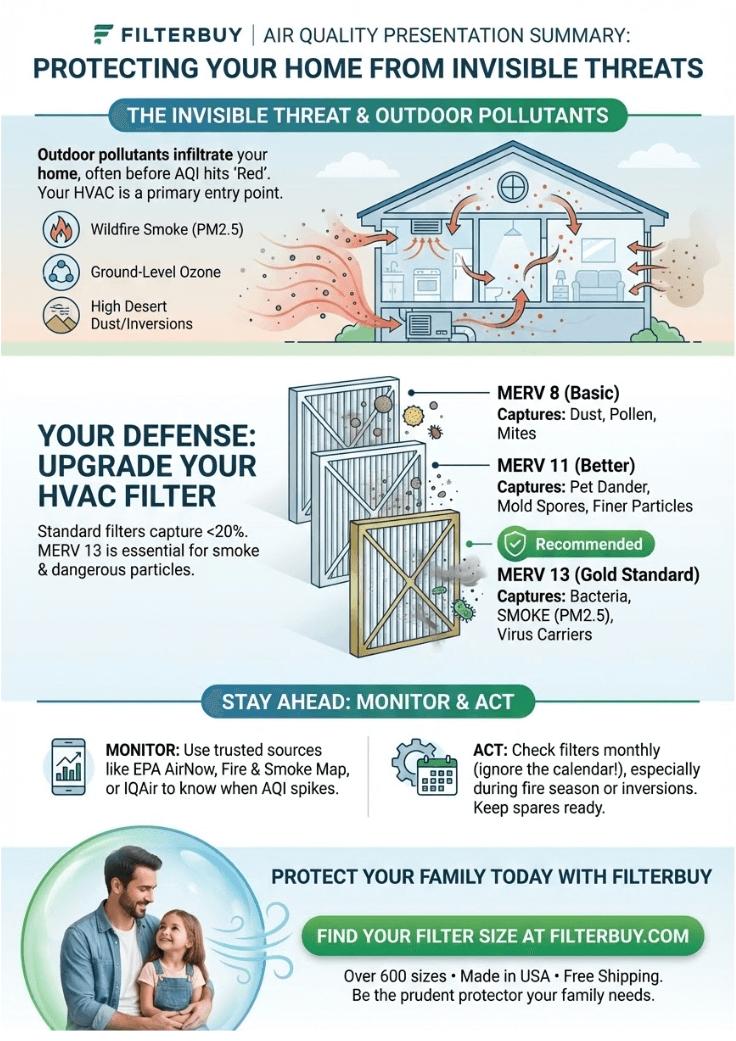
Your HVAC filter is your last line of defense. Standard fiberglass filters capture less than 20% of particles. MERV 8–13 pleated filters are the simplest upgrade to protect your family from pollutants, driving dangerous readings.
Replace based on conditions — not a calendar. A 90-day schedule ignores reality. During wildfire season and winter inversions, check monthly. Our data confirms that high-AQI regions degrade filters weeks early.
Monitoring is smart. Acting is what protects your family. Three steps to stay ahead:
Bookmark this page for daily AQI checks
Sign up for free EPA alerts at airnow.gov
Keep fresh filters on hand from Filterbuy.com
Understanding the Air Quality Index in Colorado Springs
The AQI measures air pollution on a scale from 0 to 500, where lower numbers mean cleaner air. For Colorado Springs residents, the most relevant pollutants tracked include ground-level ozone, particulate matter (PM2.5 and PM10), and carbon monoxide. Each has unique triggers in the Pikes Peak region — from vehicle emissions along I-25 to wildfire smoke that can drift hundreds of miles from burn sites across the Western Slope and beyond.
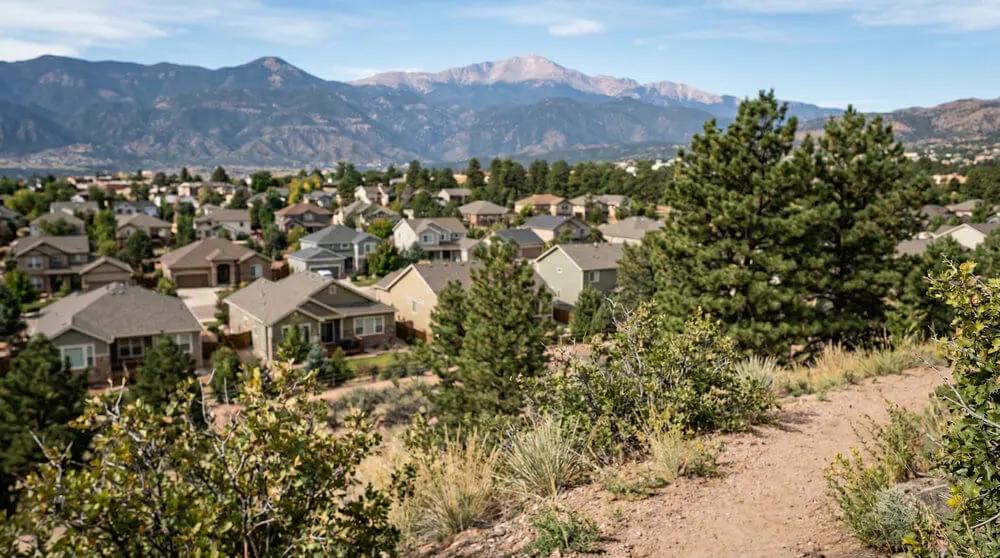
What makes Colorado Springs air quality unique is the city's geography. Sitting at over 6,000 feet with the Front Range to the west, temperature inversions can trap pollutants close to the ground — especially during winter months. When that happens, AQI readings can shift from "Good" to "Moderate" or worse within hours, often catching residents off guard.
What Today's AQI Number Means for Your Family
AQI readings fall into six color-coded categories ranging from Green (Good, 0–50) to Maroon (Hazardous, 301–500). Most days in Colorado Springs fall within the Green to Yellow range. Still, seasonal events can push readings into Orange (Unhealthy for Sensitive Groups) or beyond — particularly during wildfire season from June through September.
Here's what our experience serving Colorado homeowners has taught us: even "Moderate" AQI days deserve attention indoors. After over a decade of manufacturing filters and analyzing customer feedback patterns, we've found that homeowners who only react when the air quality index hits "Unhealthy" levels are already behind. Pollutants accumulate inside your home gradually, and your HVAC filter is working harder than you realize, long before air quality alerts make the local news.
Colorado Springs' Biggest Air Quality Threats
Wildfire smoke is the most dramatic air quality disruptor in the region, but it's far from the only one. Seasonal dust storms from the high desert, elevated ozone during hot summer afternoons, and winter inversion events all contribute to fluctuating AQI levels throughout the year. The 2020 and 2021 wildfire seasons demonstrated just how quickly conditions in Colorado Springs can deteriorate — and how long fine particulate matter can linger in the atmosphere even after skies appear to clear.
What many residents don't realize is that PM2.5 particles — the fine particulate matter most associated with wildfire smoke — are small enough to bypass your body's natural respiratory defenses and penetrate deep into your lungs. These same particles easily infiltrate your home through gaps, open doors, and most importantly, through your HVAC system's air intake.
How Outdoor AQI Directly Impacts Your Indoor Air
Here's the connection most AQI resources won't tell you: your home isn't sealed. The average house exchanges its entire air volume with outdoor air multiple times per day. When outdoor AQI rises in Colorado Springs, your indoor air quality follows — often within hours. Your HVAC system becomes the front line of defense, cycling that outdoor air through your filter before distributing it through every room your family occupies.
From our manufacturing perspective, this is where filter quality and MERV rating become critical. A standard fiberglass filter captures less than 20% of airborne particles, meaning the vast majority of pollutants driving today's AQI reading pass right through and circulate inside your home. Higher-rated pleated filters — particularly MERV 8 through MERV 13 — capture progressively finer particles, including the PM2.5 that poses the greatest health risk during poor air quality events.
Protecting Your Indoor Air When Colorado Springs AQI Spikes
Monitoring the live AQI map above is your first step, but protection requires action. On days when AQI climbs into the Orange range or higher, keep windows and doors closed and ensure your HVAC system is running with a clean, properly rated filter. A filter that's already loaded with a month's worth of captured particles has significantly reduced capacity to handle the surge of pollutants that accompany an AQI spike.
Pro Tip: After manufacturing filters for over a decade, we recommend Colorado Springs homeowners check their air filters more frequently during wildfire season and winter inversion periods rather than relying on a fixed replacement schedule. Your filter's lifespan is directly tied to what's happening outside — and our AQI map helps you stay ahead of it. When outdoor conditions deteriorate, your filter works overtime, and replacing it proactively is one of the simplest and most effective ways to keep your family breathing cleaner air — no matter what today's AQI reading says.
"After manufacturing millions of air filters and serving over two million households, we've learned that the homeowners who breathe the cleanest indoor air aren't the ones with the best AQI conditions outside — they're the ones who understand that their air filter is the last line of defense between outdoor pollution and their family's lungs, and they act on that knowledge before air quality alerts ever make the headlines."
— Filterbuy Air Quality Team
Essential Resources for Monitoring and Protecting Against Poor Air Quality in Colorado Springs
Don't take your air quality for granted — what's happening outside in Colorado Springs right now is directly affecting the air inside your home. After serving over two million households, we've seen it firsthand: the families who breathe the cleanest indoor air aren't just checking today's AQI — they're using the right tools to stay ahead of it. Here are the seven resources we recommend.
1. EPA AirNow Interactive Map — Government-Validated AQI Data You Can Trust
The EPA's official platform delivers hourly AQI readings from government monitors across the Pikes Peak region with daily forecasts. This is your most reliable source for real-time, regulatory-grade air quality data.
Source: U.S. Environmental Protection Agency
URL: https://www.airnow.gov/state/?name=colorado
2. EPA Fire and Smoke Map — Track Wildfire Smoke Before It Reaches Your Family
This map combines official monitors with PurpleAir sensors, live fire locations, and smoke plume tracking. During Colorado's fire season, this tool can show you whether distant smoke is hours away from your neighborhood.
Source: U.S. EPA & U.S. Forest Service
3. Colorado DPHE Air Quality Summary — Local Advisories Most Residents Miss
CDPHE issues region-specific AQI forecasts, dust advisories, and ozone alerts for Colorado Springs. Pro tip: their Colorado Smoke Blog provides daily narrative updates during fire season, explaining exactly what smoke patterns mean for your area.
Source: Colorado Department of Public Health & Environment
URL: https://www.colorado.gov/airquality/colorado_summary.aspx
4. IQAir Colorado Springs — See the Bigger Picture Beyond Today's Reading
IQAir pairs real-time AQI with historical PM2.5 trends and WHO guideline comparisons. Understanding whether today's number is an anomaly or a seasonal pattern helps you make smarter decisions about your family's long-term exposure.
Source: IQAir
URL: https://www.iqair.com/us/usa/colorado/colorado-springs
5. EPA Wildland Fires and Smoke Guide — Protect Your Family When Smoke Moves In
This resource explains how wildfire particles affect your lungs and heart, with proven steps for creating a clean room, using air cleaners, and shielding children and older adults during smoke events.
Source: U.S. Environmental Protection Agency
URL: https://www.epa.gov/air-quality/wildland-fires-and-smoke
6. AccuWeather Colorado Springs AQI Forecast — Plan Instead of Reacting
AccuWeather integrates AQI data with weather forecasting so you can anticipate how temperature inversions and wind shifts will impact air quality before conditions change — because reacting after AQI spikes means your family has already been exposed.
Source: AccuWeather
URL: https://www.accuweather.com/en/us/colorado-springs/80903/air-quality-index/327351
7. Filterbuy.com — Where Outdoor AQI Meets Indoor Air Protection
Here's what we know after manufacturing millions of air filters: every outdoor AQI spike becomes an indoor problem the moment your HVAC system cycles that air through your home. We offer over 600 filter sizes — including MERV 8 through MERV 13 pleated filters that capture the PM2.5, driving dangerous readings — shipped directly from our American factories to your door.
Source: Filterbuy.com
Supporting Statistics: Why Colorado Springs Air Quality Demands Your Attention
Here's what the data confirms — and what we've witnessed firsthand after manufacturing millions of air filters and serving over two million households.
1. Indoor pollutant levels can be 2–5x higher than outdoor levels.
The EPA reports Americans spend roughly 90% of their time indoors. Our experience confirms the impact: during AQI spikes, customer filters from Colorado Springs come back darker, heavier, and clogged weeks ahead of schedule. Your filter catches what your lungs otherwise would.
Source: U.S. EPA — Indoor Air Quality
URL: https://www.epa.gov/report-environment/indoor-air-quality
2. Colorado Springs ranks 23rd most polluted city nationally for ozone.
The American Lung Association's 2025 report gave El Paso County a C grade for particle pollution spikes. Most local homeowners we work with are surprised — but our order data isn't. Filter replacements from the region spike noticeably during ozone season and wildfire events.
Source: American Lung Association — 2025 State of the Air
URL: https://www.lung.org/media/press-releases/co-sota-2025-cosprings-release
3. 156 million Americans (46%) live in areas with failing air pollution grades.
Colorado is hit especially hard across the Front Range. Our manufacturing data mirrors this: regions with the worst outdoor air show the fastest filter degradation. Choosing the right MERV rating isn't just maintenance — it's a family protection decision.
Source: American Lung Association — 2025 State of the Air
Final Thought: The AQI Number Is Just the Starting Point
Most air quality pages give you a number and leave it at that. After manufacturing millions of air filters and serving over two million households, here's the perspective we've earned: the AQI reading on your screen is an outdoor measurement — but the real air quality story is playing out inside your home right now.
Colorado Springs faces challenges most residents underestimate:
23rd-worst ozone pollution ranking nationally
Seasonal wildfire smoke drifting across the Front Range
High desert dust events year-round
Winter temperature inversions trap pollutants at ground level
These aren't occasional inconveniences. They're recurring threats that quietly overwhelm HVAC systems running standard filters, never designed to handle them.
Here's what we wish every Pikes Peak homeowner understood: monitoring outdoor AQI and protecting indoor air quality are two completely different actions — and most families are only doing the first one.
Checking today's AQI number is smart.
Acting on it by running a clean, properly rated pleated filter is what actually keeps pollutants out of your family's lungs.
Replacing filters proactively based on conditions — not an arbitrary schedule — is one of the most affordable ways to protect your family's health.
We built this page to make the invisible visible. The AQI map shows what's happening outside. The resources, statistics, and insights above connect those conditions to what's circulating inside your home.
At Filterbuy, we're not just reading the air quality data. We're manufacturing the solution — right here in America, in over 600 sizes — because every family deserves to breathe easier.
Next Steps: Protect Your Family's Indoor Air Starting Today
You've checked the AQI — now turn that awareness into action.
Bookmark this page for daily monitoring. Colorado Springs AQI can shift from "Good" to "Unhealthy" within hours during wildfire season and winter inversions. Check it like you check the weather.
Inspect your current air filter right now. Pull it out. If it's gray, clogged, or you can't remember the last replacement, your HVAC system is already struggling, and your family is breathing the difference.
Know your filter size and MERV rating. Your size is printed on your existing filter frame. For Colorado Springs conditions, we recommend MERV 8 through MERV 13 pleated filters to capture the PM2.5 that drives dangerous AQI readings.
Replace more often during high-AQI seasons. Skip the fixed 90-day schedule. During wildfire season (June–September) and winter inversions, check monthly. Elevated outdoor AQI means your filter is working overtime.
Sign up for free air quality alerts. Register for EPA EnviroFlash notifications at airnow.gov to never be caught off guard by an AQI spike.
Order the right filters from Filterbuy.com. Find your exact size from over 600 options at Filterbuy.com. Set up subscription delivery so fresh filters arrive before you need them — shipped directly from our American factories with free shipping.
Frequently Asked Questions
Q: What is the AQI, and what do the numbers mean?
A: The AQI is an EPA scale from 0 to 500 measuring air pollution. Key ranges: 0–50 (Good), 51–100 (Moderate), 101–150 (Unhealthy for Sensitive Groups). From our experience, indoor air impact begins at "Moderate" levels — well before most homeowners take action.
Q: Why does Colorado Springs air quality change so quickly?
A: Four factors create rapid AQI swings:
Winter temperature inversions trap pollutants
Wildfire smoke drifting from hundreds of miles away
Year-round high desert dust events
Summer ozone forms under intense sunshine
Q: How often should I replace my filter when the AQI is elevated?
A: Skip the standard 90-day schedule. During wildfire season (June–September) and winter inversions, check monthly. Elevated AQI means your filter saturates weeks early — hurting airflow, raising energy costs, and straining your HVAC system.
Q: What MERV rating is best for Colorado Springs?
A: We recommend MERV 8–13 pleated filters:
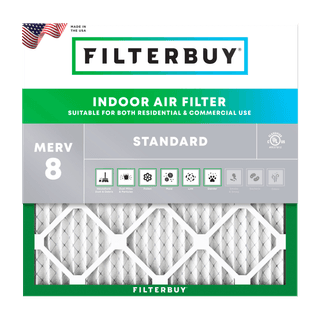
MERV 8: Common allergens and dust
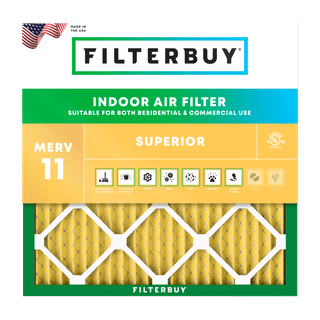
MERV 11: Finer particles, mold spores, pet dander
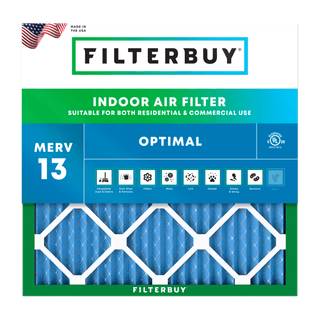
MERV 13: Captures PM2.5 from wildfire smoke — strongest protection most residential systems can handle
Q: Can outdoor AQI really affect my indoor air?
A: Yes. The EPA reports indoor pollutants can be 2–5x higher than outdoor levels. Your home exchanges air with the outside multiple times daily. We see the proof in returned filters from high-AQI regions — visibly darker and degraded far faster than normal.
Don't Just Monitor Colorado Springs Air Quality — Protect Against It
Now that you've checked today's live AQI in Colorado Springs, take the next step to protect what matters most — the air your family breathes inside your home. Visit Filterbuy.com to find the right MERV-rated filter for your HVAC system and start breathing easier today.