
23x25x2 Air Filters
Actual Size: 23.0x25.0x1.75

3 month filters
2. Select Quantity
Buying multiple sizes?


Made in the USA
Ships in 24 hours
23x25x2 Air Filters Air Filter Description
Available In MERV Rating: 8, 11, 13
Made in the USA
Ships in 24 hours
Merv comparison
Scroll to see more.
 MERV 8 |  MERV 11 |  MERV 13 | |
|---|---|---|---|
| Best for | Standard Residential/Commercial Healthy Families | Superior Residential/Commercial Allergy Sufferers | Optimal Residential/Commercial Hospital Grade |
| Comparable ratings | MPR 600 & FPR 5 | MPR 1000-1200 & FPR 7 | MPR 1500 - 1900 & FPR 10 |
| Filtration | Captures 90% of Airborne Particles | Captures 95% of Airborne Particles | Captures 98% of Airborne Particles |
| Dust, lint & debris | |||
| Mold, pollen | |||
| Dander, dust mites | |||
| Smoke & Smog | |||
| Bacteria | |||
| Odor, vocs |
Is it time to change your filter?
Generally, we recommend you replace your air filters every 90 days. Find out below if you should change your filters more often.

If someone in your home has asthma or allergies...
Change your filter every
6 weeks
to ensure indoor air quality is at its best.
If you have pets...
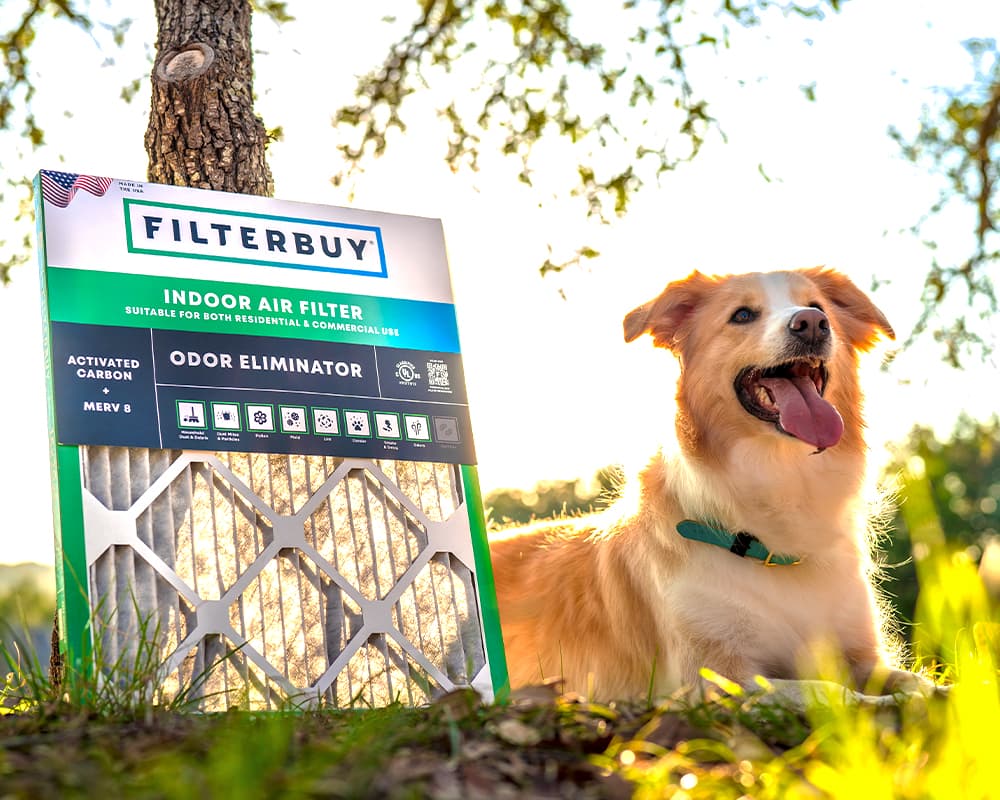
Change your filter every
2 months
to avoid shedding and odor buildup.

If you have young children...
Change your filter every
2-3 months
as having clean air is even more important with children in your home.
If someone in your home has asthma or allergies...
Change your filter every
6 weeks
to ensure indoor air quality is at its best.
If you have pets...
Change your filter every
2 months
to avoid shedding and odor buildup.
If you have young children...
Change your filter every
2-3 months
as having clean air is even more important with children in your home.
Why the Best 23x25x2 Pleated Air Filter is Essential for Improved Air Quality and Long-Term Cost Savings
After manufacturing millions of air filters in the U.S. and listening to countless families describe the difference clean air makes in their homes, we’ve learned something important: the right filter doesn’t just protect your HVAC system—it protects your family’s comfort and health. A 23x25x2 pleated air filter may look simple, but when designed and built to the right standards, it can significantly improve indoor air quality, reduce household allergens, and help your system run more efficiently. At Filterbuy, we’ve seen firsthand how the right filter size and construction can cut long-term costs while creating a healthier environment. In this guide, we’ll show you why choosing the best pleated option isn’t just maintenance—it’s an investment in cleaner air and peace of mind.
Top Takeaways
A 23x25x2 pleated filter improves air quality, lowers bills, and protects HVAC systems.
Quality filters fit right, hold shape, and prevent costly strain.
Replace every 30–90 days for best results.
U.S.-made pleated filters provide peace of mind and long-term savings.
A 23x25x2 air filter made of pleated material can be perceived as a minor detail in your home; however, it is a great contributor to not only the quality of air but also the household costs. After being filtered for smaller particles such as dust, lint, and debris, a good air filter not only keeps the air cleaner but also avoids the clogging of the HVAC system and thus, the forced working of the system.
This is the reason why a pleated air filter that fits perfectly not only keeps air cleaner but also reduces equipment strain at a low level, as we say at Filterbuy. This is the main reason why this effectiveness turns into lower monthly energy bills and less expensive maintenance over time. This means that if you pick up the right model of your system, your family will breathe better at the same time your home will function properly.
In contrast to low-end, poorly made filters that would perhaps break apart or let the dirt pass, a good quality 23x25x2 pleated filter delivers a stable performance that you can rely on. It is a solution that is balanced in terms of airflow and protection, and thus, it is helping you to keep your home environment safe today and also to save money in the future.
“After building millions of filters here in the U.S., we’ve seen how much of a difference the right 23x25x2 pleated filter makes. A well-constructed filter doesn’t just trap dust—it protects your HVAC system from unnecessary wear, lowers monthly energy costs, and helps families breathe cleaner air every day. That’s why we design ours to deliver reliable performance you can count on long term.”
Supporting Statistics with Filterbuy Insights
We’ve seen how the right filter improves air quality and reduces costs. Research confirms it:
1. Energy Use & Efficiency
52% of home energy goes to heating and cooling.
A clean, well-fitted pleated filter reduces strain on HVAC systems.
Customers often report lower bills after just one filter change.
Source: U.S. Energy Information Administration – Use of Energy in Homes
2. Widespread HVAC Dependence
88% of U.S. homes use air conditioning.
67% rely on central AC or heat pumps.
The quality of every filter matters—our customers notice less dust and fewer allergy symptoms after switching.
Source: U.S. Environmental Protection Agency – Climate Change Indicators: Residential Energy Use
3. System Protection & Maintenance
The EPA warns: poorly maintained filters restrict airflow.
This leads to higher energy use and faster equipment wear.
We’ve seen cheap filters collapse—ours hold their shape and fit snugly, preventing costly repairs.
Source: EPA – Proper Installation of Furnace and Air-Handler Filters (Indoor Air Quality Filtration Bulletin)
Final Thought & Opinion
From years of manufacturing millions of filters and hearing from families nationwide, we’ve learned one thing: the right 23x25x2 pleated filter is more than a basic part—it’s essential protection.
Here’s why it matters:
Cleaner indoor air – Reduces dust, allergens, and airborne particles.
Lower monthly bills – Prevents system strain, boosting efficiency.
Fewer costly repairs – Protects equipment from wear and clogging.
Our perspective from experience:
Consistency is key—filters that fit properly and keep their shape perform best.
Flimsy or undersized filters often collapse, letting dust bypass and damaging systems.
A well-made air filter delivers both peace of mind and long-term savings.
Our opinion is simple: Investing in quality filters isn’t just routine maintenance. It’s a smart, affordable way to protect your family’s health and your HVAC system.
Next Steps
1. Check Your Filter
Find your HVAC filter.
Confirm the size (23x25x2).
2. Choose a Replacement
Pick a high-quality air filter.
Look for durable, U.S.-made options.
3. Replace Regularly
Change every 30–90 days.
Set reminders or use auto-delivery.
4. Monitor Results
Watch for cleaner air and less dust.
Track energy bills for efficiency gains.
5. Protect Long Term
Keep your family healthier.
Extend the life of your HVAC system.
Frequently Asked Questions
Is a pleated air filter better?
Yes, pleated filters offer more surface area, capture smaller particles, and perform better than fiberglass or flat-panel options. They're the preferred choice for improved air quality and HVAC efficiency.
How often should you change a pleated air filter?
Replace pleated filters every 60–90 days for 1-inch types, or every 6–12 months for 4–5 inch filters, depending on usage, MERV rating, and indoor conditions.
What is the difference between mesh and pleated air filters?
Mesh filters are washable and low-efficiency, while pleated filters are disposable and offer higher filtration with better dust and allergen capture. Most HVAC pros recommend pleated filters for homes.
What's a better filter, MERV 8 or MERV 11?
MERV 11 is better; it captures finer particles like pet dander, pollen, and some smoke, without significantly restricting airflow in most systems.
Is MERV 11 too high for home?
No, MERV 11 is a smart choice for most homes and balances strong filtration with good airflow, especially in systems built in the last 10–15 years.
What's better, foam or pleated air filter?
Pleated filters are better; they trap more pollutants, last longer, and are more compatible with today’s HVAC systems. Foam filters offer limited filtration and are rarely used in residential setups.
What MERV rating is a pleated filter?
Most pleated filters range from MERV 8 to MERV 13, with higher ratings offering better particle capture for allergens, dust, and pollutants.
Is a pleated or string filter better?
Pleated filters are better—string or panel filters offer minimal filtration and often miss finer particles. Pleated designs provide better air quality and system protection.
What does "3 month pleated" mean?
It means the filter is designed to last up to 90 days under typical conditions, but should be checked monthly in homes with pets, high usage, or allergies.
What is an ideal humidity level for a conditioned space?
Aim for 30% to 50% relative humidity to balance comfort, air quality, and mold prevention inside your home.
Is a bag filter better than a pleated filter?
Bag filters are designed for commercial systems and handle high airflow and dust loads, while pleated filters are better suited for residential HVAC systems.
What is the most effective type of air filter?
HEPA filters are the most effective, capturing 99.97% of particles down to 0.3 microns—but they’re typically used in medical or specialty systems, not standard home HVAC setups.
What is the difference between HEPA and pleated filter?
HEPA filters trap nearly all airborne particles but require special systems due to high resistance, while pleated filters offer strong, efficient filtration that works in most home HVAC units.