Shop by

As spring quickly approaches, trees, grasses, and other botanicals release flurries of pollen grains that litter the air we breathe for months. Pollen is the primary culprit of seasonal allergies, a respiratory issue that 81 million Americans face every year. While some of us are entirely unaffected by pollen season, others experience severe – or even debilitating symptoms.
In Florida, tree pollen starts as early as late winter and peaks in spring. Grasses dominate late spring into summer and weeds, especially ragweed, surge from late summer through fall, with April–May often the toughest months statewide.
Here at Filterbuy, we’re air quality professionals. Our Pollen Season Survival Guide will walk you through plants to avoid, pollen allergy home remedies, common pollen allergy treatments, and pollen-proofing your home. Our expert tips will help minimize pollen exposure and effectively manage your seasonal allergy symptoms.
Pollen is an important part of the reproductive cycle of many plant species. It plays a key role in pollination, which is a necessary process for most plants to reproduce. However, pollen can also be a source of allergies for some people, as it can cause allergic reactions in some individuals when inhaled or come into contact with the skin. These allergic reactions are known as “seasonal allergies” or “hay fever.”
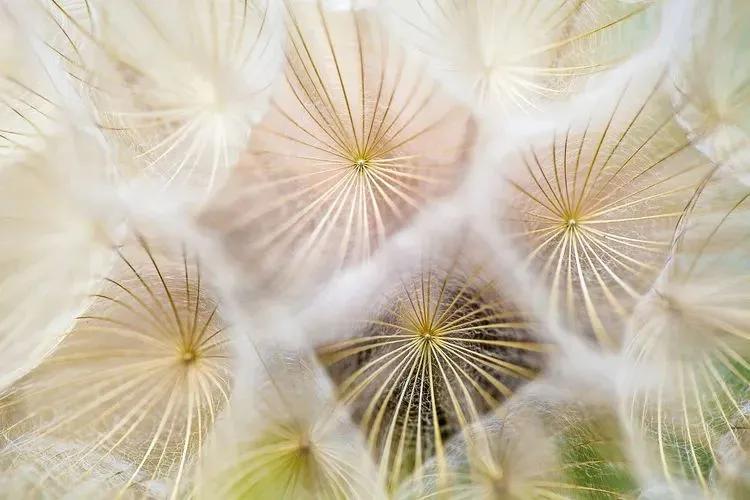
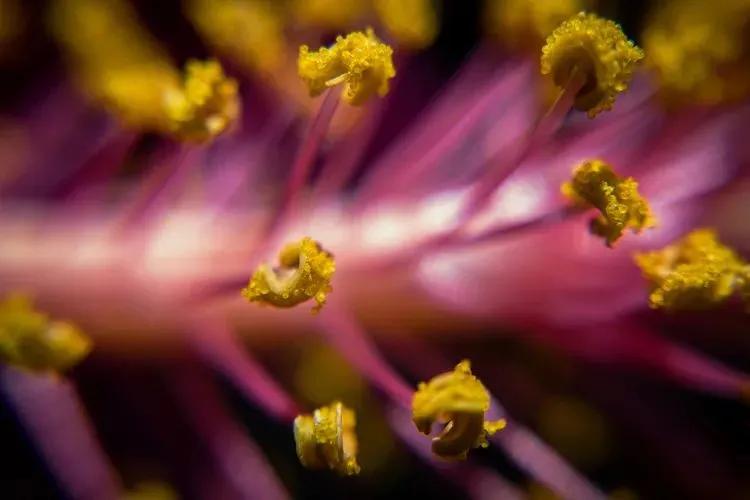
Pollen is a fine powder made up of individual pollen grains that contain the male reproductive cells of flowering plants. The anthers, the male reproductive organs of flowers, produce the pollen grains. In the spring, pollen season begins, and pollen grains are released from the anthers. Pollen grains can be carried by wind, water, or insects to the female reproductive organs of other flowers, where they can fertilize the female reproductive cells and allow the plant to produce seeds.
Pollen grains are small, typically spherical structures produced by the male reproductive organs of flowering plants. A single pollen grain is very small, typically measuring between 10 and 100 micrometers in diameter, and made up of a protective outer layer called the exine and an inner layer called the intine.
The exine is the tough outer layer of the pollen grain that helps to protect it from environmental factors such as desiccation, ultraviolet radiation, and pathogens. It’s a complex mixture of proteins and lipids and is often decorated with various patterns and structures, such as ridges, spines, or pores, unique to each plant species. The intine, on the other hand, is the thin, flexible layer that lies beneath the exine and surrounds the male reproductive cells of the pollen grain. It is made up of cellulose and is responsible for helping the pollen grain to germinate and grow once it reaches the female reproductive organ of a flower.
Pollen grains are typically produced in large numbers by plants, and they are often dispersed by wind, water, or insects to reach the female reproductive organs of other flowers. This pollination process is essential for reproducing many plant species and is critical for producing crops and other important agricultural products.
The timing of pollen season can vary depending on the type of plant, as well as local climate and environmental conditions. However, pollen season generally occurs during the spring and summer months, when most plants bloom.
In the United States, for example, tree pollen season typically begins in late winter or early spring, with different types of trees releasing pollen at different times. Grass pollen season typically follows in late spring and early summer, while weed pollen season occurs in late summer and early fall. A few plants even release pollen grains through the winter. To see exactly when and which plants begin pollination in your area of the U.S., use our Seasonal Allergy Calendar.
The timing and severity of pollen season can also be influenced by factors such as temperature, humidity, and rainfall, as well as local air quality and pollution levels. Additionally, some areas may be more prone to high pollen counts than others, depending on local plant populations and environmental factors. For the most accurate pollen season forecasts, check your local weather reports. This is critical for individuals with allergies or other sensitivities to pollen grains. It is important to know the timing and severity of pollen season in your local area and to take appropriate precautions, such as staying indoors during peak pollen times or wearing protective clothing and masks when outside. You should also change your air filter more often to trap pollen grains that make it inside your home.
There is a massive variety of pollen-producing plants in the United States. The U.S. is very ecologically diverse, so pollen season begins at various times across the country. The variety of plants that produce pollen also changes across the country, but there are 4 main categories of pollen-producing plants. They include ragweed, grasses, trees, and weeds.
Here are the most common plants that are known to produce large quantities of pollen:
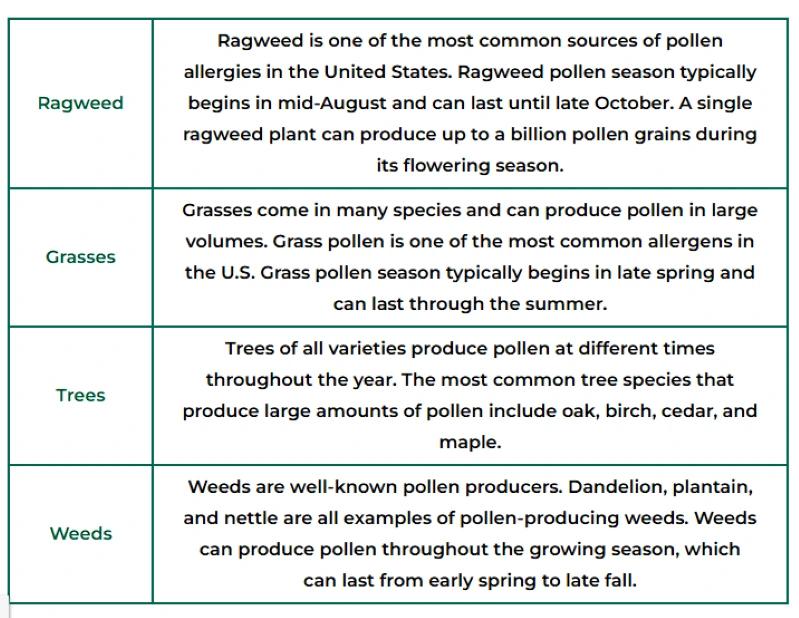
It's important to note that the types and severity of pollen allergies can vary depending on the individual and the region. For a closer look at pollen producers across the different regions of the U.S., use our Seasonal Allergy Calendar. There, you’ll find the names of the exact species you need to watch out for based on where you live.
Typical symptoms (pollen “hay fever”)
When to see a clinician: If symptoms persist or keep returning, interfere with sleep/work/school, don’t improve with OTC meds, or you notice wheeze/chest tightness.
Possible complications if untreated: Sinus infections (acute or chronic) and ear infections (more common in children), worsening of asthma if you have it, and poor sleep/daytime fatigue with reduced quality of life.
If your pollen allergy is so severe that it’s disrupting your daily life, “toughing it out” may no longer be an option. While there is no permanent cure for pollen allergies, there are some home remedies that can help alleviate symptoms.
It's important to note that home remedies may not be as effective as medical treatments, and some remedies may even be harmful if not used properly. The tips mentioned below are short-term solutions and should never be used in place of medical treatments. It’s always a good idea to talk to your doctor or allergist before trying home remedies for pollen allergies. If your allergies are severe enough, they may recommend medical solutions instead.
Nasal Irrigation: Nasal rinsing or using a neti pot, can help relieve nasal congestion and reduce inflammation in the nasal passages. It involves using a saline solution to flush out the sinuses. The solution washes away pollen grains that are stuck in your sinus passages. You can buy a pre-made saline solution at a drugstore or make your own by mixing salt and warm water.
Local Honey: Another common home remedy is eating locally-produced honey. It’s said that consuming local honey can help reduce pollen allergy symptoms because local honey contains small amounts of local pollen, which can help desensitize the immune system. However, there is limited scientific evidence to support this claim.
Breathing Steam: Inhaling steam from a bowl of hot water or a steam shower can help relieve nasal congestion and ease breathing. The heat and moisture from steam can help reduce inflammation in your sinuses. Adding eucalyptus or peppermint oil to the water can help further open up the nasal passages.
Vitamin C: Vitamin C is an antioxidant that can help reduce inflammation in the body. Eating foods rich in vitamin C, such as citrus fruits, strawberries, and bell peppers, may help alleviate pollen allergy symptoms. Vitamin C supplements are widely available as well.
Air Filters: One of the best home remedies is using an air filter to catch pollen grains. Using an air filter and changing it regularly can remove high volumes of pollen from the air inside your home. Using an air filter will also generally improve your home’s indoor air quality.
There are several medical solutions for pollen allergies, ranging from over-the-counter medications to prescription drugs. Some of the most common medical solutions for pollen allergies include antihistamines, nasal corticosteroids, decongestants, and allergy shots. It’s important to remember that none of these medical treatments are permanent cures for seasonal allergies. Currently, there is no permanent cure for pollen allergies so you’ll likely have to repeatedly rely on these treatments each year.
Antihistamines are a common treatment for pollen allergies. They work by blocking the effects of histamine, a chemical that is released by the immune system in response to pollen exposure. Antihistamines can help relieve symptoms such as sneezing, runny nose, and itchy eyes. Antihistamines come in tablet, gel capsule, and syrup form and they can be found at most drugstores and grocery stores.
Nasal corticosteroids are another common type of allergy treatment. They are nasal sprays that can help reduce inflammation in the nasal passages caused by pollen exposure. They are available by prescription and are often recommended for people with moderate to severe pollen allergies.
Decongestants can help relieve nasal congestion caused by pollen allergies. They work by narrowing the blood vessels in the nasal passages, which can reduce swelling and congestion. Decongestants come in tablet, gel capsule, and syrup form and you can find them at most drugstores and grocery stores.
Allergy shots, also known as immunotherapy, can help reduce the severity of pollen allergies over time. For people with severe pollen allergies who do not respond well to other treatments, allergy shots are often a last resort. It involves receiving regular injections of small amounts of allergens, such as pollen, to help desensitize the immune system.
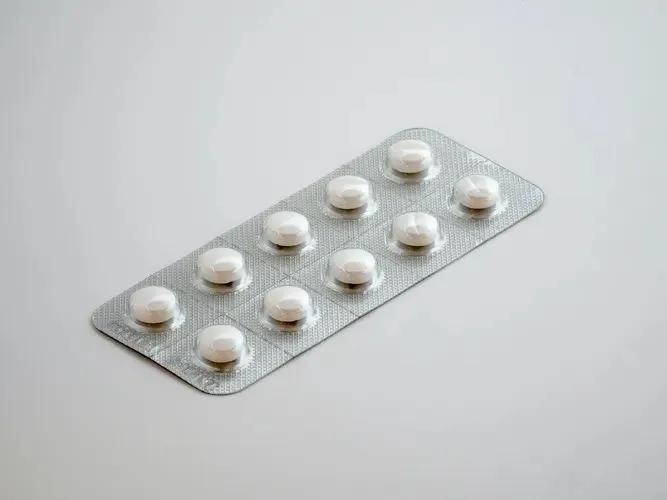
It's important to talk to your doctor or allergist before starting any medication for pollen allergies. Even though there are many easily accessible, over-the-counter allergy medications available, the one you pick may not be the best fit for you. Your doctor can help determine the best treatment plan based on your specific symptoms and medical history, so be sure to confirm with them before starting any medical treatments.
One of the most effective ways to manage your allergies during this pollen season is pollen-proofing your home. All homes have doors, windows, cracks, and crevices that let pollen grains enter your indoor air. Pollen grains are also carried in via your clothes, hair, pets, and shoes. Here are some tips on how to keep pollen out of your home:

By taking these steps, you can help reduce the amount of pollen that enters your home and minimize your exposure to irritating pollen grains. Changing your air filter is a particularly important step because each pollen grain can be suspended in the air for hours. Much of the pollen that enters your house stays suspended, so air filtration is the most effective way to trap each pollen grain.
Allergists often recommend whole-home filters in the MERV 11–13 range to capture pollen efficiently without impeding airflow (confirm your HVAC specs).
Air filters are screens that use porous filter media to capture and trap airborne particles, including pollen, dust, and other allergens. As air is circulated through the filter, the pollen particles become trapped in the filter media, preventing them from being released into the air and potentially causing allergies or other respiratory problems. However, not all air filters have pollen-trapping capabilities. If you want to pollen-proof your home, it’s important to make sure you buy filters with a high enough MERV rating to trap pollen grains.
All Filterbuy air fitlers are capable of trapping pollen grains. Even the lowest MERV rating we offer, MERV 8, reliably catches pollen grains and prevents them from recirculating back into your indoor air. Our filters are built to last 3 months and will effectively trap pollen and other pollutants the entire time. That means just a couple of our high-quality, long-lasting filters will get you through pollen season.
Regularly replacing air filters is important to ensure that they continue to function effectively in trapping pollen and other airborne particles. Dirty or clogged filters can restrict airflow and reduce the filter's effectiveness at trapping allergens. We recommend replacing your air filters at least every 3 months, depending on how high the pollen count is in your area.
If you want to begin pollen-proofing your home, start with air filters. Take the first step right now by placing an order with Filterbuy. We make 600+ filter sizes across 3 different MERV ratings and we even make filters in custom sizes. All U.S. order ship fast and free so you can begin breathing clean, pollen-free air as soon as possible.
Click here to start your order and click here for other reasons why you should be regularly changing your air filters, even when it isn’t pollen season. Unsure of which MERV rating is right for you? Take our MERV Match Quiz to find out!
HAVE YOU MET YOUR MERV MATCH? TAKE THE QUIZ
April–May are often the toughest months statewide because tree pollen is still high while grasses and weeds begin releasing pollen too. Summer then favors grass pollen, and late summer–fall brings weed pollen spikes.
Spring is driven by tree pollens like oak, pine, and cypress; summer is dominated by grasses—Bahia, Bermuda, and Johnson are especially important in North Florida; and late summer–fall is weed season, led by ragweed.
Yes. The American College of Allergy, Asthma & Immunology notes that MERV 11–13 disposable filters in central HVAC systems are a cost-efficient way to capture pollen without impeding airflow (verify your system’s specs).
See an allergist. Persistent symptoms, or any wheeze/chest tightness, can signal uncontrolled allergic rhinitis or asthma and merit evaluation, testing, and a tailored treatment plan.
Yes. Ragweed is the primary fall pollen allergen across much of the U.S., including Florida, with season typically starting in August and peaking around mid-September into October.
Early morning and on warm, dry, windy afternoons; levels often drop right after steady rain.
A steady rain washes pollen down temporarily, but counts can rebound when it dries; avoid outdoor time during windy post-storm periods.
About every 90 days for most homes; change sooner with pets, heavy dust, or if you notice reduced airflow.
Not effectively. Keep windows closed and run A/C on recirculate during high-pollen days.
A well-fitted mask can cut inhaled pollen; wraparound sunglasses help protect eyes.
Use distilled/sterile or previously boiled-and-cooled water, but never unboiled tap water.
Evidence is limited. It shouldn’t replace proven treatments like antihistamines or nasal steroids.
Begin 1–2 weeks before your usual season (for many Floridians, late winter/early spring) and continue through your trigger period.
Allergies bring itch (eyes/nose), clear watery discharge, and no fever; colds often cause sore throat, body aches, and may include fever.
Yes, grass pollen and dust get stirred up. Wear a mask, mow after rain or in the evening, and shower after.
They can. Wipe paws and coats after outdoor time and keep beds washed.
Most common houseplants don’t release wind-borne pollen, but overwatered soil can grow mol. Avoid soggy pots.
Yes, use a good cabin filter and run A/C on recirculate during high-pollen commutes.
Persistent symptoms despite OTC meds, sleep disruption, frequent sinus/ear infections, or any wheeze/chest tightness, especially if you have asthma.
They can contribute to recurrent sinusitis or ear infections and may worsen asthma control; poor sleep and daytime fatigue are also common.

