May 5, 2026

Wildfires are happening more often in the United States, and the gray smoke they make can float many miles from the fire. Coughing and eye irritation are among its immediate effects. Inhaling wildfire smoke day after day does more than make your throat scratchy. Over time, smoky air can quietly hurt the body. This short note tells what is in the smoke, why it harms the body over time, and how to lower your risk.
Smoke carries PM₂.₅ —dust so small it can slip deep into the lungs and then move into the bloodstream.
Breathing smoky air again and again can make asthma attacks happen more often and feel worse. You are at risk of heart attack and stroke.
Children, elderly, and people with heart or lung disease get sick more easily from smoke.
EPA recommends MERV 13 filters.
Breathing wildfire smoke occasionally can make you cough. Breathing it month after month can do much more harm. The smoke carries PM₂.₅—tiny dust so light the wind can carry it for miles. These specks travel deep into the lungs and can slip into the blood.
Lung issues – Repeated smoke days can set off extra asthma attacks, make COPD flare up faster, and raise the chance of lasting bronchitis. Additionally, firefighters already show weaker lungs after severe fire seasons.
Heart problems – Fine particles force the heart to pump harder and can damage vessel walls. Hospitals see far more heart-attack visits, up 42 % on thick-smoke days, especially in older adults.
Stroke – Hospitals see more stroke cases on very smoky days. Regular smoke seasons may keep that risk high.
Early death – Long studies link years of wildfire PM₂.₅ to higher chances of dying sooner from heart or lung disease.
Increased heart attack cases: One study found emergency visits for heart attacks rose by about 22% on thick-smoke days, mainly in older adults.
Cardiac arrest risk: Another evidence states that out-of-hospital cardiac arrests rose up to 70% during major California wildfires.
Wildfire smoke can do more than cause a cough. Breathing it day after day may damage lungs, strain the heart, and bring on serious illness.
Protect yourself by limiting your outdoor activities and investing in an EPA-recommended MERV 13 filter indoors to help keep your indoor air safer.
Kids (still-growing lungs)
Older adults
Pregnant women
Patients suffering from diabetes, asthma, COPD, or heart disease
Outdoor workers
These groups feel smoke effects faster and need stronger protection.
Keep yourself informed
Watch the Air Quality Index (AQI). If its value is over 150, limit outdoor time.
Stay indoors
Need to go outside the house? Use a N95 mask because cloth masks do not block tiny PM₂.₅ dust.
Keep your indoor air clean
Close your windows and doors. Set your heater or air-conditioner to “recirculate” mode so it does not pull in smoky air.
Keep medicines close: Have inhalers and other needed drugs within reach.
Call a doctor right away if breathing feels harder or chest pain starts.
By staying alert to air-quality alerts, reducing outdoor time, and upgrading your home filter, you can lower the health risks linked to wildfire smoke.
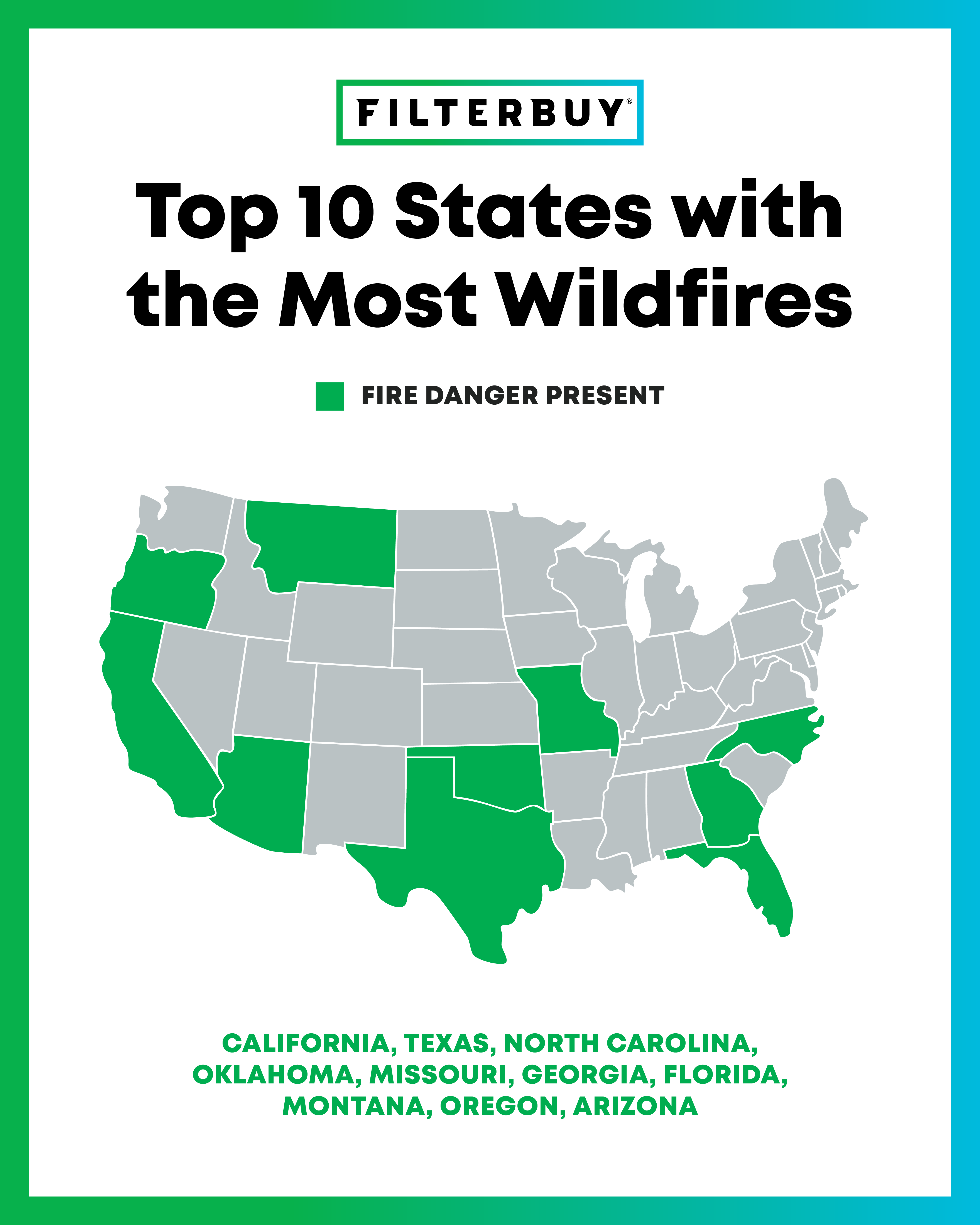
Long-term smoke exposure can leave lasting scars in the lungs, make asthma or COPD flare up more often, strain the heart, and raise the chance of heart attack, stroke, or early death.
Your lungs will start to heal once you breathe clean air again, but there is no quick detox trick. The best help is to stay away from smoke, drink plenty of water, use any doctor-prescribed inhaler, and see a health-care provider if coughing or tight chest won’t go away.
Some people feel irritation—coughing, stinging eyes, scratchy throat—within minutes. For others, deeper effects such as chest tightness or an asthma flare can take a few hours to show up.
Children, older adults, pregnant women, and anyone with asthma, COPD, heart disease, or diabetes are more sensitive and can feel symptoms sooner than healthy adults.
No. A loose cloth or paper mask cannot block the fine PM 2.5 dust in smoke. A snug N95 or KN95 respirator is needed to filter those tiny particles.
Close windows and doors, run your HVAC on “recirculate,” and install a MERV 13 (or higher) filter. A portable HEPA purifier in one room adds extra protection.
If the Air Quality Index is over 150 (“unhealthy”), postpone outdoor workouts. Smoke makes you breathe harder, which pulls more pollution deep into your lungs.
