
Best Air Filters for Viruses: How to Choose, What Works, and What Doesn’t
November 20, 2025
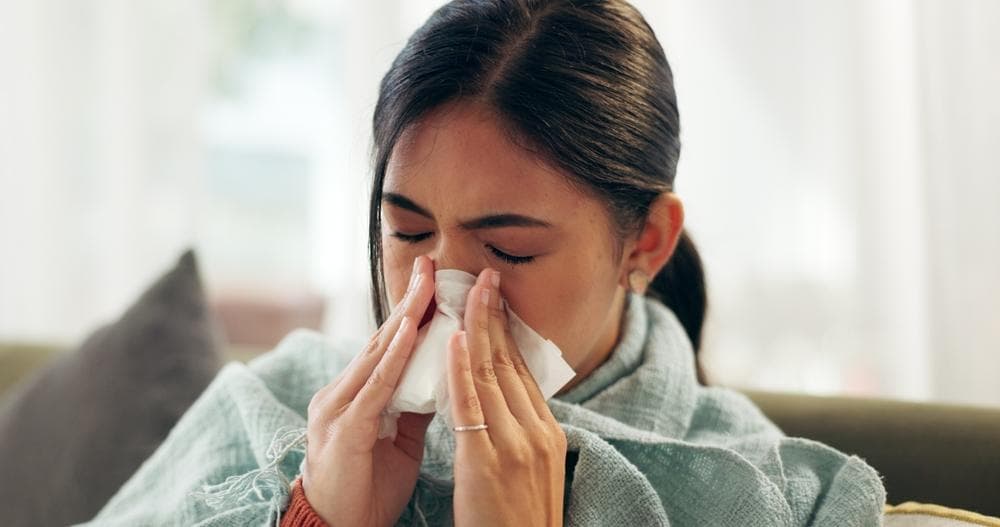
When it comes to protecting your home from airborne illnesses, you might think of cleaning surfaces and washing hands. But what about the air you breathe every day? Your home’s HVAC system can be a powerful tool in reducing the spread of viruses and bacteria, but only if it’s equipped with the right air filter.
With so many options on the market—from HEPA and MERV to various gimmicky products—it’s easy to feel confused. How can you be sure you’re choosing an air filter that actually protects against viruses? The key is understanding MERV ratings, which tell you exactly how effective a filter is at capturing tiny particles. This guide will break down everything you need to know to make an informed choice for your home and family.
Key Takeaways
Higher MERV means better filtration: The higher the MERV rating, the smaller the particles the filter can capture, including those that carry viruses.
MERV 13 is the sweet spot: For most residential HVAC systems, a MERV 13 filter provides the best balance of high-efficiency virus filtration without restricting airflow.
Pleated filters are superior: Pleated designs offer a larger surface area to trap more particles compared to cheap fiberglass filters.
Do Air Filters Really Protect Against Viruses?
Yes, the right air filters can significantly reduce the concentration of airborne viruses in your home. Viruses often travel through the air attached to respiratory droplets and smaller aerosols that are expelled when someone coughs, sneezes, or even talks. These particles can remain suspended in the air for hours.
Your HVAC system circulates the air throughout your home, and as it does, the air passes through a filter. A high-quality filter is designed to trap these tiny, virus-carrying particles, removing them from circulation. According to the Environmental Protection Agency (EPA), upgrading your HVAC filter is an effective way to make your home’s air cleaner and safer.
However, it's important to have realistic expectations. An air filter is one part of a larger strategy. It can’t replace other essential hygiene practices like hand washing, regular cleaning, and proper ventilation (like opening windows). Think of it as an extra layer of defense that works 24/7 to improve your indoor air quality.
What to Look for in an Air Filter for Viruses
When you're shopping for an air filter for virus and bacteria protection, two factors matter most: the MERV rating and the filter type.
Understanding MERV Ratings
MERV stands for Minimum Efficiency Reporting Value. It’s a standard rating system that scores a filter’s ability to capture airborne particles on a scale from 1 to 20. The higher the MERV rating, the finer the filtration and the smaller the particles it can trap.
Think of it as a grading scale for your filter. A low grade won’t catch much, while a high grade captures almost everything.
MERV 1-4: These are basic filters that capture large particles like dust and carpet fibers. They offer minimal protection against smaller contaminants.
MERV 8-11: This is a good mid-range option. These filters are effective at trapping pollen, dust mites, and mold spores, making them great for allergy sufferers.
MERV 13: This is the highest rating recommended for most residential systems. MERV 13 filters are designed to capture much smaller particles, including some bacteria and the respiratory droplets that carry viruses. This makes them the best air filter for viruses in a home setting.
Pleated vs. Fiberglass Filters
The material and construction of a filter also play a crucial role in its effectiveness.
Pleated Filters: These filters, like the ones offered by Filterbuy, feature a folded design that dramatically increases the surface area for trapping particles. This means they can capture more contaminants without quickly clogging and restricting your HVAC system’s airflow. They are the clear winner for performance and protection.
Fiberglass Filters: These are the cheap, flimsy blue filters you often see at hardware stores. They have a flat surface and are only effective at catching the largest dust particles. They do very little to protect against fine particles like viruses and bacteria.
What Doesn’t Work and Common Myths About Air Filters for Viruses
The market is filled with products that promise virus protection but fail to deliver. Here’s what to avoid:
Cheap Fiberglass Filters: As mentioned, these filters lack the density and surface area to trap microscopic virus particles. Don't waste your money.
"Antiviral" Sprays or Coatings: Some products claim to have special coatings that kill viruses on contact. According to research from sources like HouseFresh, these claims are often unproven and can be misleading. A filter's effectiveness comes from its ability to physically capture particles, not from a chemical coating.
Overly Restrictive Filters (MERV 14+): While filters with MERV ratings of 14 or higher offer even finer filtration, they are generally not suitable for standard residential HVAC systems. They can severely restrict airflow, forcing your system to work harder, which can lead to increased energy bills and potential damage.
Why MERV 13 Filters Are the Smart Choice for Homes
For homeowners looking for the best protection against viruses without compromising their HVAC system, MERV 13 pleated filters are the ideal solution. Both the EPA and the American Society of Heating, Refrigerating and Air-Conditioning Engineers (ASHRAE) recommend MERV 13 filters as the target for reducing indoor virus transmission.
A MERV 13 air filter provides the optimal balance of capturing tiny, virus-carrying particles while still allowing for sufficient airflow to keep your system running efficiently. They are a safe and effective upgrade for most modern residential HVAC units.
Where to Buy Reliable Virus-Blocking Filters
Not all filters sold online are created equal. To ensure you’re getting a high-quality product that performs as advertised, it's best to buy from a trusted, specialized supplier. Consistent filter changes are also critical for maintaining effectiveness, so convenience matters.
Filterbuy is the go-to source for reliable, American-made pleated filters. Here’s why homeowners trust us:
Specialized Expertise: We specialize in high-quality pleated filters, offering a range of options from MERV 8 to MERV 13 to suit your needs.
Easy Subscription Service: Never forget to change a filter again. Our convenient delivery service ensures you always have a replacement on hand, which is crucial for keeping your air clean.
Trusted and Made in the USA: Our filters are manufactured in the United States, guaranteeing quality and supporting local jobs.
Protect Your Home's Air Today With Filterbuy
While no single product can guarantee you won't get sick, upgrading your home's air filter is a simple and effective step toward creating a healthier indoor environment. An air filter for viruses works silently in the background, reducing the number of harmful airborne particles circulating through your home.
For the best combination of virus protection and system performance, a MERV 13 pleated filter is the clear choice. It’s an easy, affordable upgrade that provides peace of mind for you and your family.
Ready to breathe cleaner air? Shop Filterbuy for reliable MERV 13 pleated filters and get them delivered straight to your door.
Frequently Asked Questions
Do air filters remove viruses from the air?
Yes, high-efficiency air filters, particularly those with a MERV 13 rating or higher, are designed to capture the small respiratory droplets and aerosols that carry viruses, effectively removing them from the air as it circulates through your HVAC system.
What MERV rating is best for viruses?
MERV 13 is widely recommended by experts like the EPA and ASHRAE as the best rating for residential use. It effectively captures virus-carrying particles without overburdening most home HVAC systems.
Are MERV 13 filters safe for all HVAC systems?
MERV 13 filters are safe for most modern residential HVAC systems. However, if you have a very old system, it's a good idea to check the manufacturer's recommendation or consult with an HVAC professional to ensure it can handle the airflow requirements.
Can air filters prevent the flu or COVID-19?
Air filters are a tool for risk reduction, not a guaranteed prevention method. They reduce the concentration of airborne viruses indoors, which lowers the overall risk of transmission. They should be used with other protective measures like vaccination, hand washing, and proper ventilation.
How often should I replace my MERV 13 filter?
For optimal performance, you should replace your MERV 13 pleated filter every three months. If you have pets, smokers, or live in an area with poor air quality, you may need to replace it more frequently.
What’s the difference between MERV and HEPA filters?
MERV is a rating scale for HVAC filters, with MERV 13 being the recommended level for viruses in homes. HEPA (High-Efficiency Particulate Air) filters are a step above, capturing 99.97% of particles, but are typically used in standalone air purifiers or specialized medical-grade systems, as they are too restrictive for most residential HVAC units.
Do pleated filters work better against viruses than fiberglass?
Absolutely. Pleated filters have a much larger surface area, allowing them to trap far more small particles, including viruses and bacteria, than flat-panel fiberglass filters.
Can I upgrade my system to handle higher MERV filters?
In some cases, an HVAC professional can make adjustments to your system to accommodate higher-rated filters. If you’re interested in filters rated MERV 14 or higher, consult a professional to assess your system’s capabilities.
Are air filters enough to protect against viruses?
No, air filters are just one component of a comprehensive strategy. Combining high-efficiency filtration with good ventilation (opening windows), regular cleaning, and personal hygiene practices offers the best protection.