Shop by

When you're looking to upgrade your home's air quality, MERV 13 filters represent the sweet spot between effective particle capture and system compatibility. These pleated filters can trap a significant portion of virus and bacteria carriers, those microscopic droplets that circulate through your home's air supply.
MERV stands for Minimum Efficiency Reporting Value, and the 13 rating means these filters capture fine particles much more effectively than basic MERV 8 options. Unlike HEPA filters, which require specialized equipment, MERV 13 filters work with most modern HVAC systems without overwhelming your furnace or air handler.
But here's the key: not every system can handle MERV 13. Before upgrading, you'll need to confirm your equipment supports this level of filtration. When matched correctly, these filters provide whole-home protection that portable air purifiers simply can't match.
Yes, if your system supports them. MERV 13 pleated filters capture 85% or more of particles in the 1-3 micron range—the size that carries many airborne viruses and bacteria. They're the highest-efficiency option most residential HVAC systems can handle without airflow problems. Always check your equipment manual first, then choose quality pleated media for the best balance of filtration and performance.
The efficiency difference between MERV 13 and HEPA comes down to particle size and testing standards. Understanding these distinctions helps you make the right choice for your home.
MERV 13 filters excel at capturing particles in the 1-3 micron range, removing 85% or more of these mid-sized particles. They also capture a meaningful portion of smaller particles down to 0.3 microns, though not with the same efficiency as HEPA filters.
HEPA filters, by definition, must capture 99.97% of particles at 0.3 microns. This makes them superior for the tiniest airborne particles, including the smallest virus carriers. However, this level of filtration creates significant airflow resistance that most home HVAC systems can't overcome.
The micron size matters because virus and bacteria carriers—respiratory droplets that have partially evaporated—typically fall in the 1-4 micron range. MERV 13 filters capture a significant portion of these particles, making them highly effective for reducing airborne transmission risks.
Central HVAC systems with MERV 13 filters process all the air in your home multiple times per hour. This creates comprehensive coverage that portable HEPA purifiers can't match, even high-quality units that only clean one room at a time.
Portable HEPA purifiers work best as supplements to whole-home filtration, particularly in bedrooms or high-use areas where you want maximum protection. They're also useful when your HVAC system can't handle MERV 13 filtration.
For most homes, the combination approach works best: MERV 13 filters for whole-home baseline protection, with portable HEPA units in key rooms when needed.
System compatibility determines whether MERV 13 filters will improve your air quality or create expensive problems. Here's how to make sure you're making the right choice.
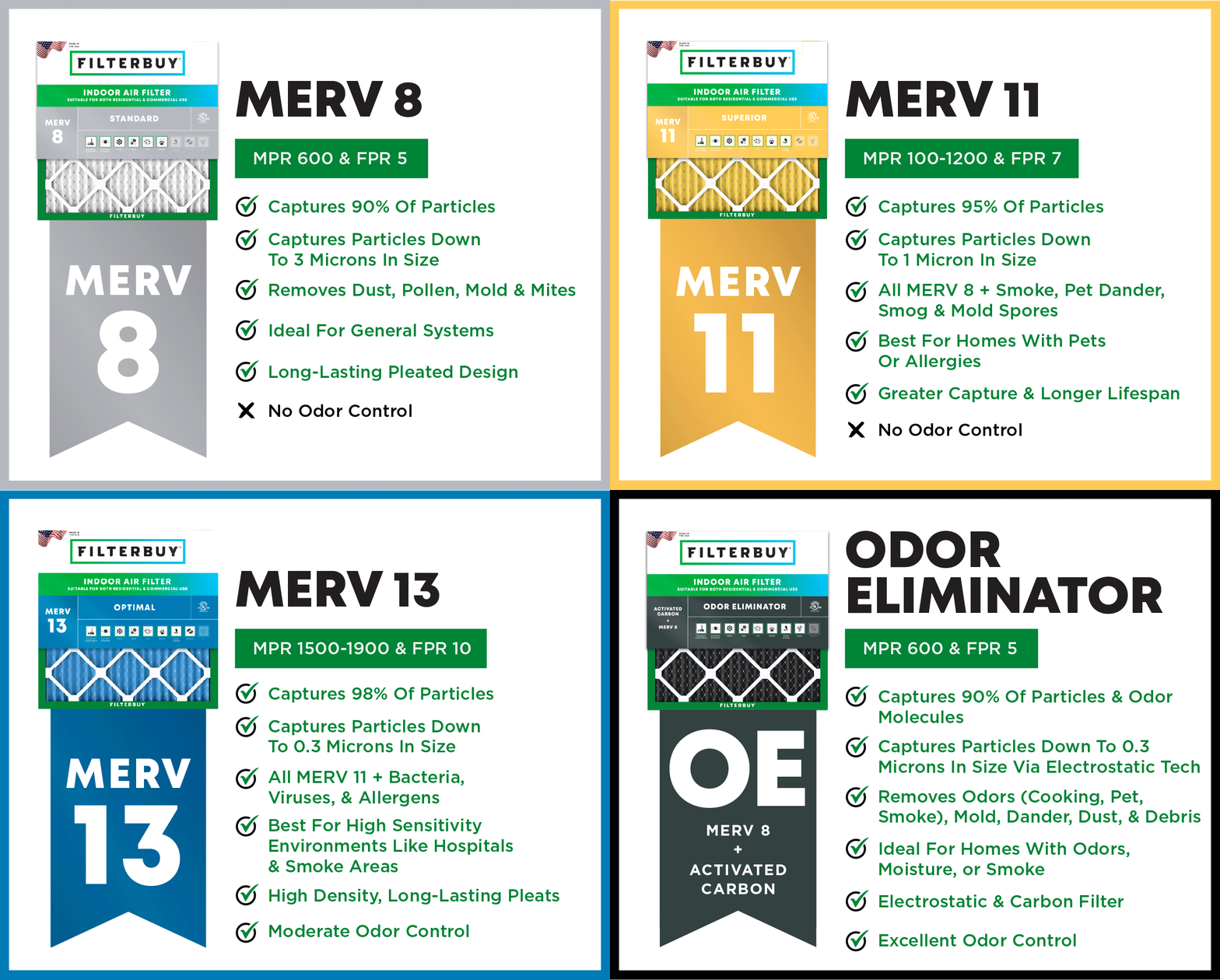
Your equipment manual specifies the maximum MERV rating your system can handle. Many modern furnaces and air handlers support MERV 13, but older systems may be limited to MERV 8 or 11. Exceeding these limits can cause reduced airflow, increased energy costs, and premature equipment failure.
If you can't find your manual, contact the manufacturer with your model number. Using the highest MERV rating your system allows gives you maximum filtration without risking damage.
Static pressure—the resistance air faces moving through your system—increases with higher MERV ratings. Quality pleated filters minimize this resistance while maintaining capture efficiency.
Cubic feet per minute (CFM) measures how much air your system moves. MERV 13 filters must maintain adequate airflow to keep your system running efficiently. This is where filter construction makes a huge difference.
Filterbuy's MERV 13 filters use engineered pleated media that maximizes surface area while maintaining airflow. The pleated design creates more filter area in the same space, reducing pressure drop compared to flat filters with similar ratings.
Cheap MERV 13 filters often use dense media that blocks airflow excessively. Quality pleated construction prevents this problem while delivering the particle capture you need.
Some online discussions suggest MERV 13 filters always damage HVAC systems or create noise problems. The reality is more nuanced. Problems occur when filters exceed system capacity or when poor-quality filters block too much airflow.
But note that high-quality MERV 13 pleated filters, properly matched to system capacity, don't cause these issues. Regular replacement prevents excessive buildup that could restrict airflow over time. Most noise concerns relate to undersized returns or installation problems, not the filter rating itself.
When in doubt, start with the highest MERV your manual recommends and monitor system performance. Signs of problems include reduced airflow from vents, unusual noises, or frequent cycling.
Understanding what MERV 13 filters remove helps set realistic expectations for air quality improvements in your home.
Airborne viruses and bacteria typically travel on respiratory droplets that have partially evaporated, creating particles in the 1-4 micron range. MERV 13 filters capture a significant portion of these carriers, reducing the concentration of potentially harmful particles circulating through your home.
The EPA recognizes that MERV 13 and higher filters improve capture of particles in this critical size range. While no filter provides 100% protection, whole-home MERV 13 filtration substantially reduces airborne particle concentrations compared to lower-rated options.
It's important to note that filters work as part of a comprehensive approach to indoor air quality, alongside proper ventilation, humidity control, and surface cleaning.
MERV 13 filters effectively capture larger allergen particles like pollen, dust mite debris, and pet dander. They also remove many smoke particles, though the smallest smoke particles may require additional filtration methods.
During wildfire season or high pollution days, MERV 13 filters provide meaningful protection by removing many of the larger particles that carry irritants and toxins. However, extremely fine smoke particles smaller than 0.3 microns may still circulate, which is why some areas recommend portable HEPA purifiers during severe air quality events.
For everyday allergen control, MERV 13 filters typically provide significant relief for allergy sufferers, especially when combined with regular HVAC maintenance and duct cleaning.
The right MERV 13 filter depends on your system size, usage patterns, and budget. Here's how to make the best choice for your specific situation.
Measure your current filter or check the slot where it installs. The three numbers (length x width x thickness) must match exactly for proper fit and performance.
Popular residential sizes include 16x25x1 for many furnaces and 20x25x4 for systems with thicker filter cabinets. [Shop 16x25x1 MERV 13 filters] for standard applications or [Shop 20x25x4 MERV 13 filters] for cabinet systems requiring thicker media.
Using the wrong size creates gaps that allow unfiltered air to bypass the filter, dramatically reducing effectiveness and potentially damaging your equipment.
One-inch MERV 13 filters typically last 60-90 days in average homes, while four-inch cabinet filters often last 6-12 months due to their increased surface area. However, your replacement schedule depends on run time, pets, local air quality, and household size.
Thicker filters generally provide longer service life and better airflow characteristics, but they require compatible equipment. Don't try to squeeze a thicker filter into a slot designed for thinner ones.
Monitor your filters monthly and replace them when they appear loaded with particles or when airflow from vents noticeably decreases.
MERV 13 filter prices vary based on size, thickness, and construction quality. Factors affecting cost include filter media type, frame materials, and manufacturing standards.
Filterbuy offers direct-to-door convenience with subscription options that ensure you never run out of filters. Bulk purchasing and subscriptions typically provide better value than buying individual filters as needed.
Quality pleated construction costs more upfront but delivers better airflow and longer service life than budget alternatives that may restrict your system or require frequent replacement.
Proper installation and maintenance ensure your MERV 13 filters deliver maximum performance and system protection.
Every filter has directional arrows showing airflow direction. Install with arrows pointing toward your furnace or air handler—the direction air flows through your system.
The filter should fit snugly in its slot with no gaps around the edges. Gaps allow unfiltered air to bypass the media, reducing effectiveness and potentially carrying particles directly to your equipment.
If your filter seems loose, check that you're using the correct size. Slightly undersized filters won't seal properly, while oversized filters may bend or bind in the slot.
Start with 60-90 day replacement for one-inch MERV 13 filters, then adjust based on actual conditions. Watch for reduced airflow from vents, visible dust accumulation, or unusual system cycling patterns.
Four-inch cabinet filters typically last longer—often 6-12 months—but should still be checked monthly. Extremely dusty conditions, pets, or high system runtime may require more frequent changes.
Set calendar reminders or use Filterbuy's subscription service to maintain consistent replacement schedules. A clogged filter hurts efficiency and can damage equipment.
Filterbuy specializes in high-quality pleated air filters manufactured in the United States. Our MERV 13 filters are engineered for optimal balance between particle capture and airflow, available in dozens of sizes with fast shipping nationwide.
MERV filters from Filterbuy include all standard residential sizes with subscription options for automatic delivery. Our educational resources help you choose the right filter and maintain your system properly.
Quality matters in filter construction. Filterbuy's pleated media and sturdy frames ensure reliable performance throughout the filter's service life, protecting both your air quality and HVAC investment.
For most homes with compatible equipment, MERV 13 pleated filters provide the best balance of particle capture, system protection, and affordability. They remove a significant portion of virus and bacteria carriers while working reliably with standard HVAC systems.
Remember to verify your system's MERV capacity before upgrading. When properly matched, MERV 13 filters offer comprehensive whole-home protection that surpasses what portable units can achieve alone.
Ready to upgrade your home's air filtration? [Find your size] in our MERV 13 collection or [learn more about choosing the right MERV rating] for your system.

Yes, when your system supports it. MERV 13 is often recommended by air quality experts because it captures fine particles more effectively than lower ratings while remaining compatible with most modern HVAC equipment. Always check your equipment manual to confirm compatibility.
One-inch MERV 13 filters typically last 60-90 days, while four-inch cabinet filters often last 6-12 months. Replace based on visual inspection, reduced airflow, or manufacturer recommendations. High-use systems, pets, or dusty conditions may require more frequent changes.
MERV 13 filters capture many smoke particles and provide meaningful protection during air quality events. However, the smallest smoke particles may require additional room-level HEPA purification for maximum protection during severe conditions.
Only if it exceeds your system's capacity, quality pleated MERV 13 filters are designed to balance capture efficiency with airflow when properly matched to system specifications. Always use the highest MERV your equipment manual allows.
Yes, MERV 13 filters effectively capture most mold spores and common allergens like pollen, dust mite debris, and pet dander. However, address moisture sources directly for comprehensive mold control rather than relying on filtration alone.
No—check your equipment manual first. While many modern systems support MERV 13, older equipment may be limited to lower ratings. Using a MERV rating that exceeds system capacity can cause airflow problems and equipment damage.
MERV 13 provides the highest particle capture in Filterbuy's residential line, making it the best choice for fine particle removal when your system supports it. MERV 8 and 11 work better for systems with limited capacity or budget constraints.
MERV 13 filters provide whole-home protection with good fine particle capture, while HEPA purifiers offer superior submicron efficiency in single rooms. MERV 13 handles system-wide baseline filtration; HEPA units excel for room-level maximum protection.

