
HEPA vs MERV 16: Which Air Filter is Right for You?
September 24, 2025
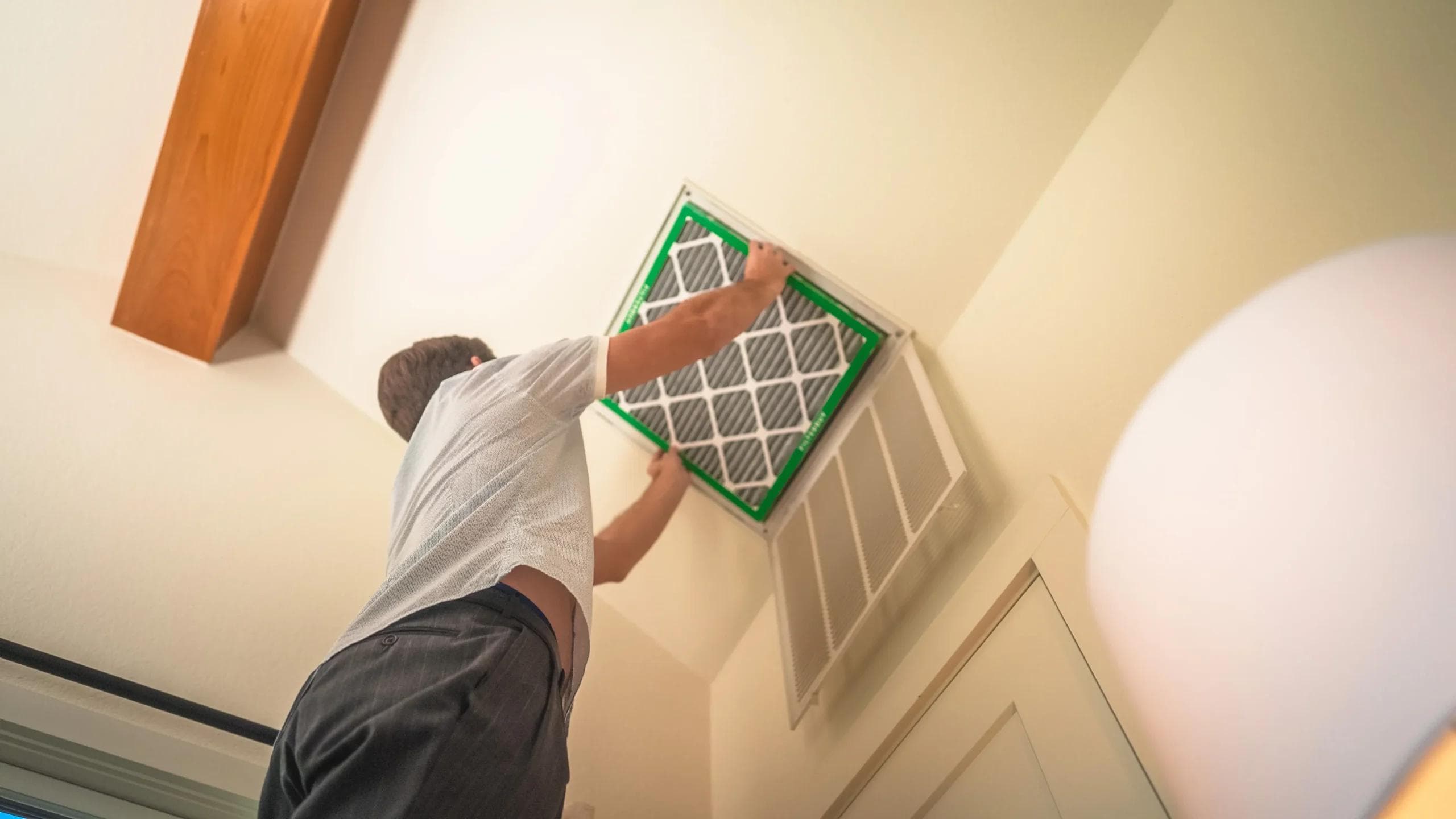
If you're shopping for an HVAC filter, you've probably seen both HEPA and MERV ratings—but what's the difference? Choosing the right air filter matters for your health, indoor air quality, and HVAC system efficiency. With concerns about allergies, wildfire smoke, and airborne viruses, many homeowners across the U.S. are upgrading to higher-efficiency filters.
MERV 16 and HEPA filters both offer excellent filtration, but they serve different purposes. Understanding their key differences will help you make the best choice for your home's needs and budget. At Filterbuy, we specialize in manufacturing high-quality pleated filters (MERV 8-13) designed to work seamlessly with residential HVAC systems.
What Are HEPA Filters?
HEPA stands for High-Efficiency Particulate Air. These filters must capture at least 99.97% of particles that are 0.3 microns or larger—an incredibly high standard that makes them the gold standard for air purification.
You'll find HEPA filters in hospitals, laboratories, and standalone air purifiers where maximum filtration is critical. They excel at trapping the smallest particles, including bacteria, viruses, and fine dust.
However, HEPA filters come with trade-offs. They're expensive, create significant airflow restriction, and often aren't compatible with standard residential HVAC systems without modifications. Many home HVAC systems can't handle the dense construction of true HEPA filters without strain.
What Are MERV Filters?
MERV stands for Minimum Efficiency Reporting Value, a scale from 1 to 16 that measures how well filters capture particles of different sizes. The higher the MERV rating, the better the filtration.
MERV ratings are measured using standardized testing that evaluates efficiency across three particle size ranges. This system helps homeowners compare different filters and choose the right level of protection.
Most residential applications work best with MERV 8-13 filters, offering a good balance between efficiency and airflow. For homes with specific air quality concerns, such as allergies or wildfire smoke, a MERV 13 filter is typically sufficient and highly effective.
MERV 16 filters, however, are designed for environments requiring hospital-grade filtration, such as healthcare facilities, and are generally not recommended for residential use due to their impact on airflow and HVAC system performance. For cleaner, healthier air at home, stick with filters in the MERV 8-13 range.
Key Differences of MERV 16 vs HEPA Filters
When it comes to improving indoor air quality, understanding the differences between MERV 16 and HEPA filters is crucial. Both options are designed to capture airborne particles, but they vary in efficiency, applications, and performance.
Filtration Efficiency
MERV 16 filters capture approximately 95% or more of particles down to 0.3 microns, making them highly effective against most household contaminants. HEPA filters capture 99.97% of particles at 0.3 microns, offering the highest level of efficiency available.
While the efficiency gap exists, MERV 16 filters still provide excellent protection against common indoor air pollutants like dust, pollen, pet dander, and smoke particles.
Airflow and HVAC Compatibility
This is where the two filter types differ significantly. HEPA filters are extremely dense and can restrict airflow so much that they require dedicated systems or bypass installations. Many residential HVAC units aren't designed to handle this level of restriction.
MERV 16 filters are ideal for advanced commercial HVAC systems, delivering superior air filtration while maintaining proper airflow. Always consult your system's specifications to ensure compatibility.
Cost and Maintenance
HEPA filters typically cost more upfront but may last 2-3 years in standalone air purifiers. However, when used in HVAC systems, they can strain your equipment and increase energy costs.
MERV 16 pleated filters offer an affordable solution with replacement recommended every 3-6 months, depending on your area's conditions. This regular replacement schedule ensures consistent performance without breaking the budget.
Use Cases
HEPA filters are ideal for hospitals, laboratories, and standalone air purifiers where maximum filtration is the top priority. They're also beneficial for people with severe respiratory conditions who need the highest level of air purification.
MERV 16 filters work perfectly for allergy sufferers, places in wildfire-prone areas like California and Colorado, high-pollution regions, and spaces wanting advanced protection without HVAC system modifications.
MERV vs HEPA Comparison Chart
Which Filter Is Best for Homes?
For most homes across the U.S., MERV 8-13 filters provide the ideal balance of filtration efficiency and airflow. These ratings effectively capture common household contaminants without overworking your HVAC system.
If you live in wildfire-prone areas like California, Colorado, or Arizona, or have family members with severe allergies or asthma, MERV 8-13 filters offer enhanced protection. These higher-rated filters work well in dry, humid, and high-pollen regions.
HEPA filters are typically unnecessary for residential use unless you're using a standalone air purifier for a specific room or have been recommended one by a healthcare professional.
Why Choose Filterbuy Pleated Filters?
Filterbuy manufactures high-quality pleated filters in MERV ratings 8-13, all made in the USA. Our filters are designed specifically for residential HVAC systems, ensuring proper fit and airflow while delivering superior filtration.
We offer multiple size options to fit any home HVAC system, with direct shipping and convenient subscription services. Whether you're dealing with seasonal pollen in the Southeast, wildfire smoke in the West, or dusty conditions in the Southwest, our filters provide consistent performance across diverse climates.
With over 85,000 five-star reviews, homeowners trust Filterbuy for reliable, affordable air filtration solutions. Find the perfect MERV-rated filter for your home with Filterbuy today.
Make the Right Choice for Your Home's Air Quality
HEPA and MERV 16 filters both offer excellent filtration, but MERV 8-13 filters are typically the best choice for most U.S. homes. They provide outstanding protection against allergens, smoke, and other contaminants while maintaining compatibility with residential HVAC systems.
Regular filter replacement is key to maintaining healthy indoor air quality. By choosing the right MERV rating for your needs and replacing filters every 3-6 months, you'll ensure your family breathes clean, healthy air year-round. Upgrade to Filterbuy's premium pleated filters and experience the difference quality filtration makes in your home.
Frequently Asked Questions
Is MERV 16 the same as HEPA?
No, MERV 16 is not the same as HEPA. While both offer high-efficiency filtration, HEPA filters capture 99.97% of particles at 0.3 microns, compared to MERV 16's 95%+ efficiency rate.
Which is better: MERV or HEPA filter?
For most homes, MERV filters (especially 8-13) are better because they're designed for residential HVAC compatibility. HEPA is better for specialized applications like hospitals or standalone air purifiers.
What is the MERV rating of a HEPA furnace filter?
True HEPA filters don't have MERV ratings—they use a different testing standard. However, HEPA-level efficiency would theoretically exceed MERV 16 performance.
What are the disadvantages of HEPA filters?
HEPA filters can restrict airflow significantly, potentially straining HVAC systems. They're also more expensive and may require system modifications for proper installation in homes.
Does MERV 16 filter coronavirus?
MERV 16 filters can capture many virus-sized particles, including those that carry coronavirus. However, no filter alone can guarantee complete virus elimination—proper ventilation and other measures are also important.
What MERV rating is best for allergies?
MERV 13-16 filters are excellent for allergies, capturing pollen, dust mites, and pet dander effectively. The specific rating depends on your allergy severity and HVAC system capabilities.