
Plano, TX Live Wildfire Smoke Map
Get Alerts For Wildfires In Your Area
The moment a wildfire starts near you, you'll get an instant alert and simple tips to reduce your smoke exposure.
What's In The Smoke
30xSmaller than a human hair
Fine enough to reach deep into the lungs. A MERV 13 is built to capture it.
How Far It Travels


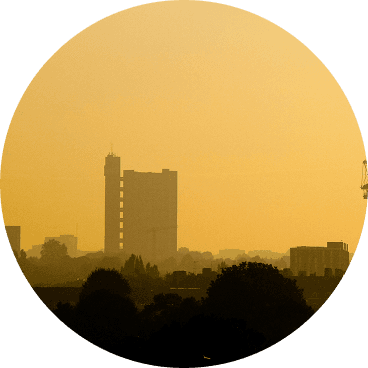
It Doesn't Stay Local
Smoke rides the wind far downwind — you can get smoky air with no fire nearby.
What To Do During A Smoke Event
Simple steps to reduce indoor exposure.
- Stay In, Close UpShut windows and doors to keep smoke out.
- Set Fan To "On"Keeps air cycling through your filter, not just when heating or cooling.
- Recirculate AirSwitch off fresh-air intake so you're not pulling smoke in.
- Run A MERV 13Built to capture the fine PM2.5 in smoke.
- Add A PurifierExtra filtration for the room you use most.
- Wear an N95 if OutsideFits snug to block fine particles — a cloth mask won't.


The Best Air Filter For Wildfire Smoke
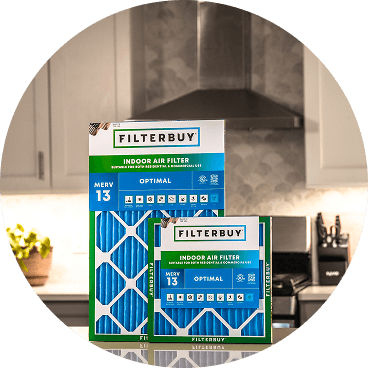
During smoke events, the EPA recommends upgrading to a MERV 13 filter — or the highest-rated filter your system can handle — to help reduce the fine particles smoke brings indoors. MERV 13 is the level most home HVAC systems can run while still capturing PM2.5, the fine particulate that makes up the bulk of wildfire smoke.
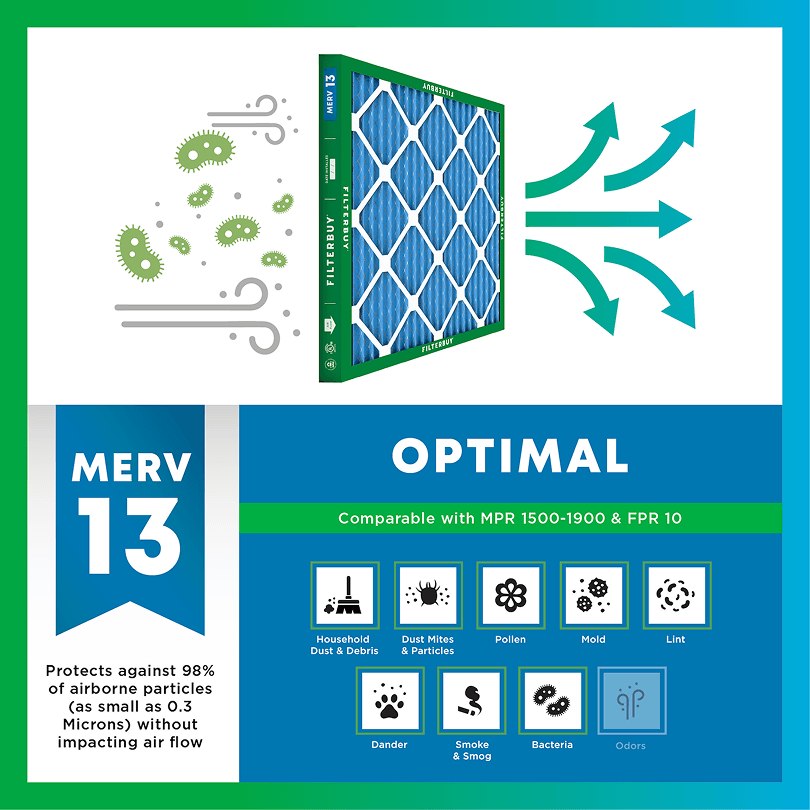

- Captures PM2.5 particles
- Blocks ash, soot, and smoke odor
- Keeps your indoor air safe—even when the outdoor air is dangerous
- Meets the EPA's recommended rating for filtering fine wildfire smoke particles.

Wildfire Smoke FAQs
Facts About Wildfires
Over 70,000 wildfires burn in the U.S. every year.
Wildfire smoke can travel 1,000+ miles, affecting states that aren't even near the blaze.
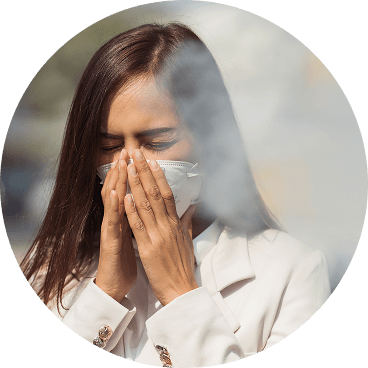
Exposure to wildfire smoke can worsen asthma, trigger heart issues, and lead to ER visits.
Indoor air can hold more fine particles during wildfire events unless it's properly filtered.
The EPA advises using MERV 13 filters or portable HEPA air cleaners during wildfire smoke events.
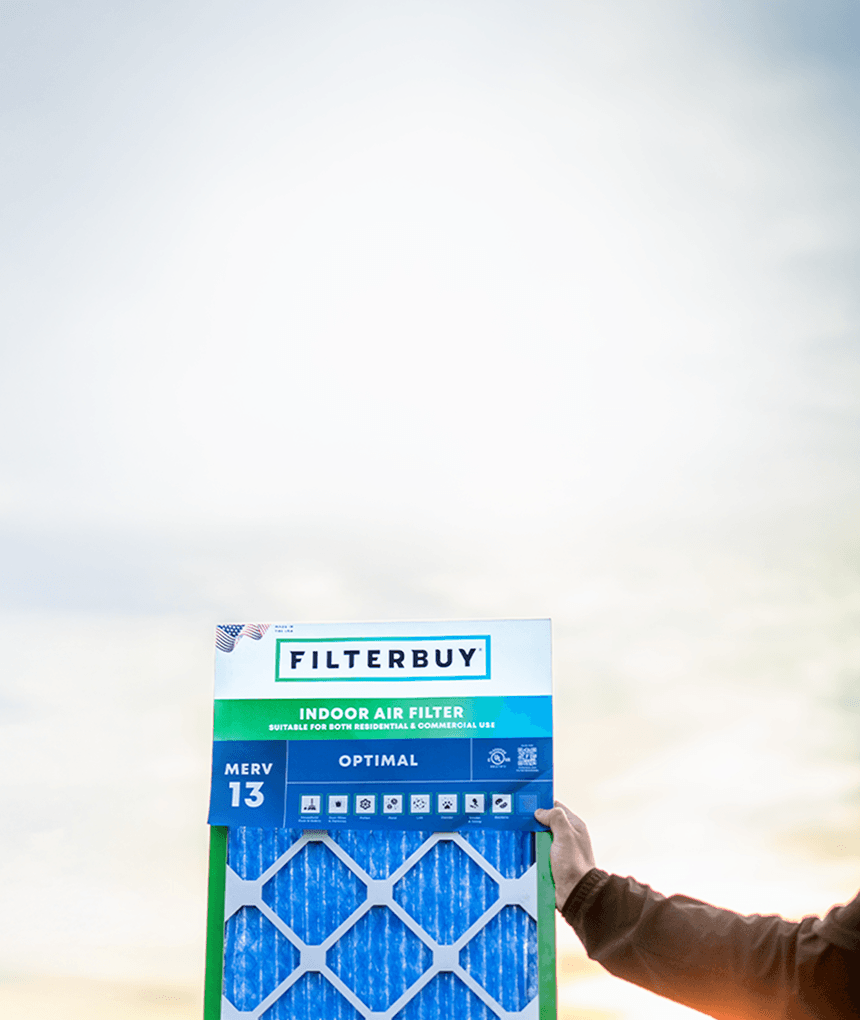
Don't Wait Until The Smoke's Inside.
Use the live wildfire smoke tracker and upgrade your air filters today to protect your lungs and your home.
Shop Filters For Smoke Protection
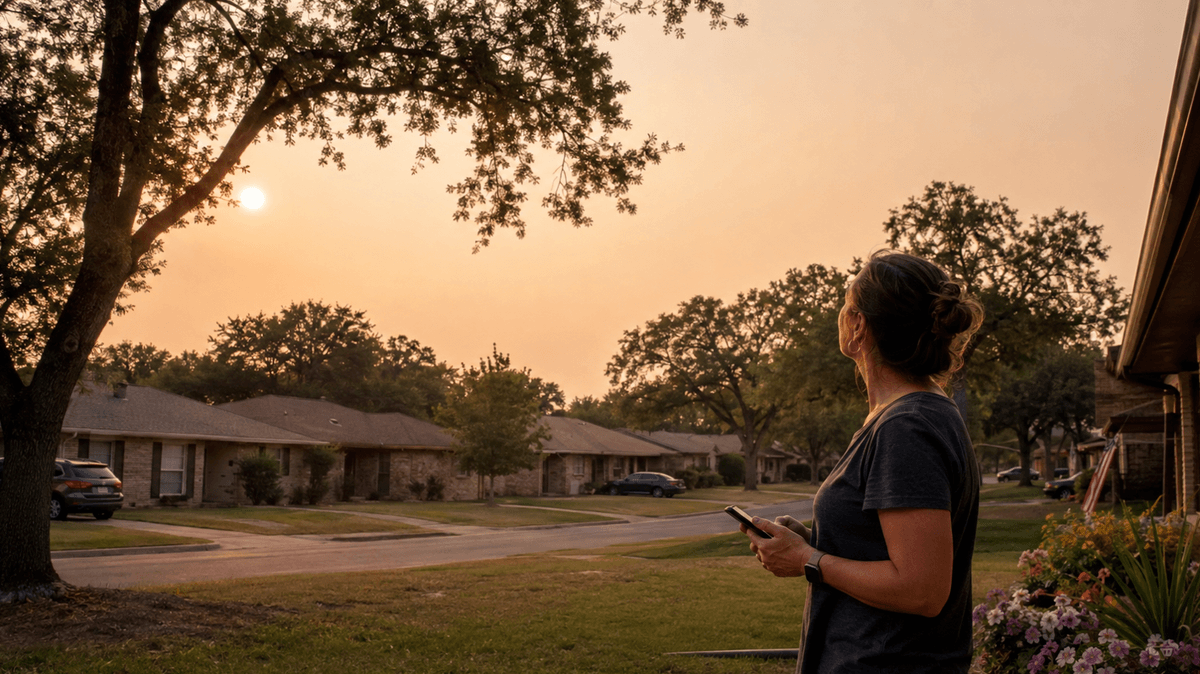
Live Plano, TX Forest Wildfire & Smoke Map Today: Local Air Quality Tracking & Indoor Protection Solutions From Filterbuy.com's Air Obsessed Experts
By Michelle Wan, Brand Manager & Air Quality Writer · Reviewed by David Clark, Licensed HVAC Technician
Published August 4, 2026 · Updated August 4, 2026
Active wildfire inside Plano or Collin County is uncommon, and forest wildfire is nonexistent because there is no forest here. What Plano gets several times a year is smoke imported from fires far outside North Texas. The live map here shows your current air quality index, the number that matters today. To confirm whether anything is burning statewide, check the Texas A&M Forest Service incident viewer.
One caveat: regulatory monitors are sparse, and the nearest may be miles away. AirNow marks monitors and lower-cost sensors with different icons, so check two or three nearby readings rather than one.
TL;DR
Active wildfire is rare in Collin County, and forest wildfire is impossible because Plano sits on prairie, not timber. The smoke you see blew in from Panhandle grass fires, spring burning in Mexico, or occasionally Canada. Check the live AQI for your ZIP: below 100, normal activity is fine; above 100, close the windows, shut the fresh-air intake, run the HVAC fan continuously, and put a clean MERV 13 filter in the return.
Key Takeaways
Plano has no forest. The nearest U.S. Forest Service land is Caddo National Grassland, 70 miles northeast, and it is grassland.
Texas fire season peaks January through May, not summer. Since 1988, 90% of the state's 30 largest wildfires fell in that window.
Smoke here is imported. In May 1998, fires in Mexico and Central America pushed Dallas PM2.5 to 55.7 µg/m³, ten times a typical winter day.
Wind direction identifies the source faster than any map. Northwest means grass fire, south in spring means Mexico, calm and hot means ozone.
MERV 13 captures wildfire smoke particles. It does not capture carbon monoxide, and no HVAC filter does.
Does Plano, Texas Actually Have Forests That Can Burn?
No. Plano sits on the Blackland Prairie, an ecoregion of deep clay soils and native grasses, not timber. That single fact separates Plano from the California and Colorado towns most wildfire-map pages were written for.
The nearest federally managed wildland is Caddo National Grassland, 17,873 acres in Fannin County 70 miles northeast of Dallas, then LBJ National Grassland, 20,309 acres in Wise and Montague Counties. The U.S. Forest Service manages both as grassland. Texas's pine forests (Davy Crockett, Sam Houston, Angelina, Sabine) lie over 150 miles east and southeast. A crown fire in the Piney Woods is not a Plano evacuation event. It is a Plano air quality event two days later.
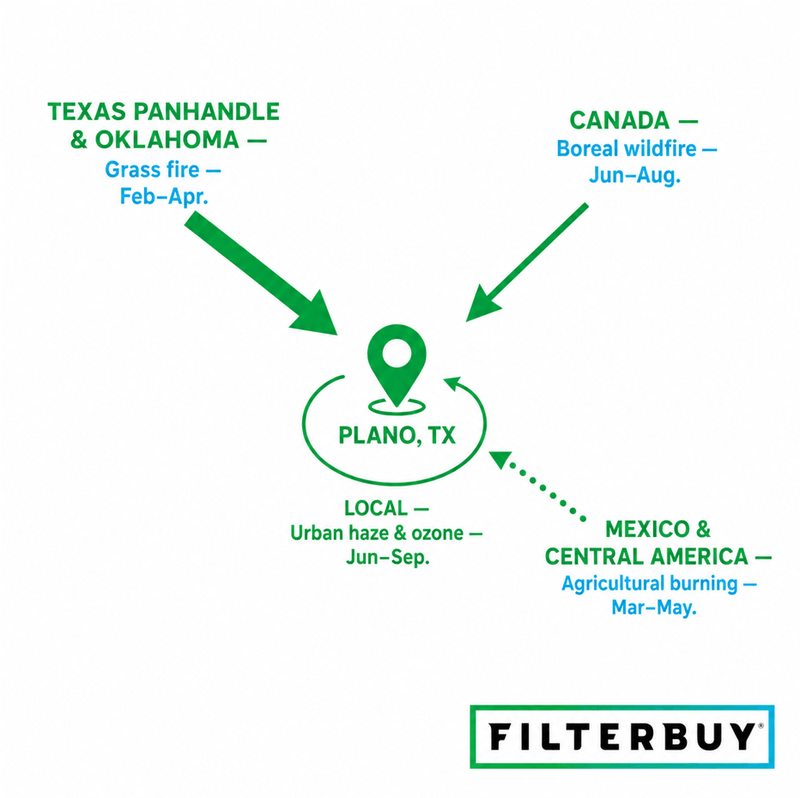
Where Does the Smoke Over Plano Actually Come From?
Plano's smoke is almost always imported, and it arrives from three distinct sources. Years of mapping air quality across dozens of U.S. cities taught the Filterbuy air quality team that "hazy day" is not one condition but three, each calling for a different response.
Source: Filterbuy air quality analysis of North Texas smoke events, drawing on Texas A&M Forest Service fire seasonality data and TCEQ air quality forecast discussions.
Each regime calls for a different move. Grass fire smoke clears fast; a clean filter and closed house cover it. Transported haze lingers for days, when filter loading becomes the problem. Ozone is the one filtration cannot touch.
Long-range transport is the regime residents underestimate. In May 1998, when fires across Mexico and Central America blanketed Texas, EPA sampling measured Dallas PM2.5 at 55.7 µg/m³ over 24 hours, against a typical January average of 5.0–6.4 µg/m³.
Residents search for a wildfire map the way someone in Redding or Boulder would, and the honest answer is that the fire is four hundred miles away and the thing to watch is the wind, not a perimeter.
Michelle Wan, Brand Manager & Air Quality Writer, Filterbuy
When Is Smoke Season in Plano?
Plano has two bad-air seasons, and neither follows the western fire calendar. If you moved here from Colorado or California, your instinct about when to worry is three months off.
Since 1988, 90% of the 30 largest wildfires in Texas history have occurred between January and May, primarily in the grass-dominant Texas Plains, per the Texas A&M Forest Service dormant fire season outlook. Those fires run on freeze-cured grass and dry cold-front wind. Fine particle pollution, though, peaks in summer:
Sources: PM2.5 averages from a peer-reviewed Dallas–Fort Worth source apportionment study; wildfire seasonality from Texas A&M Forest Service.
What Should You Do Indoors When Smoke Reaches Plano?
When the AQI passes 100, close the house and run filtered air. Above 100, the air is unhealthy for sensitive groups: children, older adults, and anyone with asthma or heart disease.
Close the envelope. Shut windows and doors. In homes built in the last fifteen years, look for a fresh-air intake: a round insulated duct from an exterior wall into the return plenum, with a damper lever. Turn the lever crosswise to close it.
Run the HVAC fan continuously, not on "auto." That moves far more household air through the filter each hour.
Check the filter in your return now. A loaded filter restricts airflow and stops helping. If it is gray, replace it today.
Install a MERV 13 filter sized correctly for your return.
Create one clean room. Pick a bedroom, keep the door shut, and add a portable HEPA unit if you have one.
Skip the vacuum and the candles. Both add particles to the air you are trying to clean.
Re-check the AQI before reopening. Smoke often settles again overnight as the air cools.
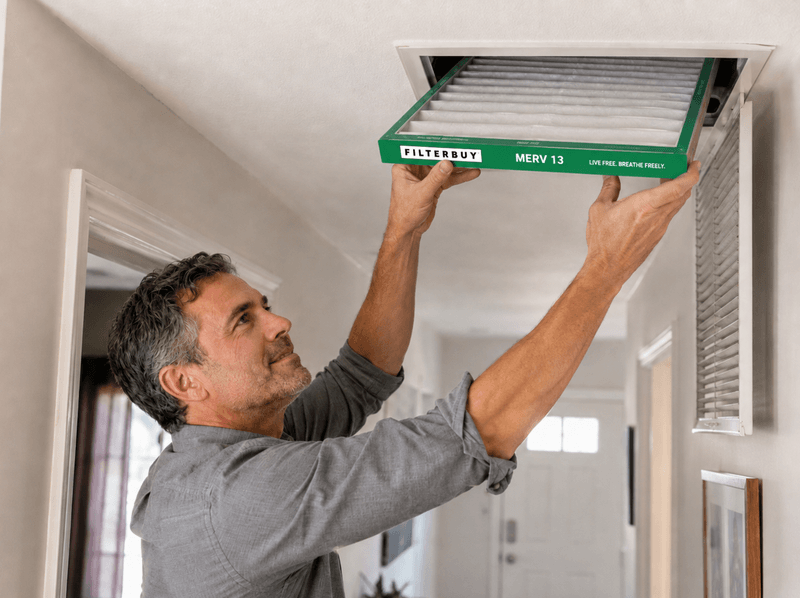
What Air Filter Actually Stops Wildfire Smoke?
A MERV 13 filter is the right choice for wildfire smoke in a residential HVAC system. Smoke's health risk is PM2.5, particles small enough to reach deep lung tissue. MERV 13 is the highest rating most residential systems handle without airflow problems, and Filterbuy MERV 13 filters trap 98% of airborne particles as small as 0.3 microns.
Two limits matter, and most pages selling filters mention neither. Filterbuy has manufactured pleated filters in Talladega, Alabama for over a decade, which is why we would rather say this plainly than sell someone a fix that isn't one.
No HVAC filter removes carbon monoxide. Carbon monoxide is a gas, not a particle. If a fire is close enough for CO to be a concern, you need working detectors and evacuation guidance, not a better filter.
A standard pleated filter does not remove ozone, Plano's chronic regulatory air problem. Ozone peaks on hot, still summer afternoons, the same conditions that trap smoke. For the smoke smell that lingers after particles clear, an activated carbon filter such as the Filterbuy Odor Eliminator adsorbs odor compounds a pleated filter passes through.
The newer homes going up around Collin County are built tight, and a lot of them have a mechanical fresh-air intake pulling outside air in by design. On a smoke day, that damper is the first thing I want closed. Otherwise the system is doing exactly the wrong job, very efficiently.
David Clark, Licensed HVAC Technician
Essential Resources for Plano Households
These resources answer the full chain: is something burning, is it here, is it worsening, and what do I do?
AirNow Fire and Smoke Map (EPA and U.S. Forest Service): fire locations and smoke plumes over live PM2.5 readings.
Texas A&M Forest Service incident viewer: active and recently contained Texas fires, with acreage and containment.
Texas A&M Forest Service wildfire status: statewide preparedness level and county burn bans.
EPA clean room guide: sealing and filtering one room, with MERV 13 recommended.
NCTCOG air quality program: regional ozone status and Action Day alerts.
Plano City Call: the only resource that actively contacts you about a local incident.
Supporting Statistics
Asthma ER visits rose 17% nationally on wildfire smoke days.
CDC studied 19 smoke days in 2023. Critically, HHS Region 6 (Texas, Oklahoma, New Mexico, Arkansas, and Louisiana) was the only region Canadian smoke never reached, which is why Plano's risk comes from closer sources.
Source: CDC MMWR
One 4-inch MERV 13 filter raised clean air delivery rate by 123%.
EPA measured this in chamber testing with simulated wildfire smoke, and found dirty filters "almost completely ineffective."
Source: EPA air research
Ten North Texas counties, Collin included, sit in severe ozone nonattainment.
EPA reclassified Dallas-Fort Worth to severe in November 2022, with an attainment deadline of July 20, 2027.
Source: TCEQ
Frequently Asked Questions
Track the Air Outside, Then Protect the Air Inside
The Filterbuy live smoke map tells you what is heading your way; the filter in your return decides how much of it your family breathes. Find your filter size, then set up auto-delivery so a smoke event never catches you with a gray filter in the wall.
Glossary
Blackland Prairie: The ecoregion of deep clay soils and native grasses under Plano and most of Collin County. It supports grass fire, not forest fire.
Nonattainment area: A region the EPA has determined does not meet a National Ambient Air Quality Standard. Collin County sits inside the DFW severe ozone nonattainment area.
Long-range smoke transport: The movement of wildfire smoke hundreds or thousands of miles from its source, behind most hazy days in Plano.
TCEQ: Texas Commission on Environmental Quality, which operates the state's regulatory air monitoring network of 200-plus stations.
Filterbuy: A U.S. air filter manufacturer in Talladega, Alabama, producing pleated MERV 8, 11, 13 and activated carbon filters, and publishing live air quality maps for cities across North America.
Additional sources: Texas A&M Forest Service dormant fire season outlook · EPA PM2.5 sampling in Dallas, May 1998 · DFW PM2.5 source apportionment study · U.S. Forest Service, Caddo-LBJ National Grasslands
Subscribe to wildfire smoke alerts for Plano, TX, to get a heads-up before the next event reaches your area.