
Cleveland, OH Live Wildfire Smoke Map
Get Alerts For Wildfires In Your Area
The moment a wildfire starts near you, you'll get an instant alert and simple tips to reduce your smoke exposure.
What's In The Smoke
30xSmaller than a human hair
Fine enough to reach deep into the lungs. A MERV 13 is built to capture it.
How Far It Travels


It Doesn't Stay Local
Smoke rides the wind far downwind — you can get smoky air with no fire nearby.
What To Do During A Smoke Event
Simple steps to reduce indoor exposure.
- Stay In, Close UpShut windows and doors to keep smoke out.
- Set Fan To "On"Keeps air cycling through your filter, not just when heating or cooling.
- Recirculate AirSwitch off fresh-air intake so you're not pulling smoke in.
- Run A MERV 13Built to capture the fine PM2.5 in smoke.
- Add A PurifierExtra filtration for the room you use most.
- Wear an N95 if OutsideFits snug to block fine particles — a cloth mask won't.


The Best Air Filter For Wildfire Smoke
During smoke events, the EPA recommends upgrading to a MERV 13 filter — or the highest-rated filter your system can handle — to help reduce the fine particles smoke brings indoors. MERV 13 is the level most home HVAC systems can run while still capturing PM2.5, the fine particulate that makes up the bulk of wildfire smoke.
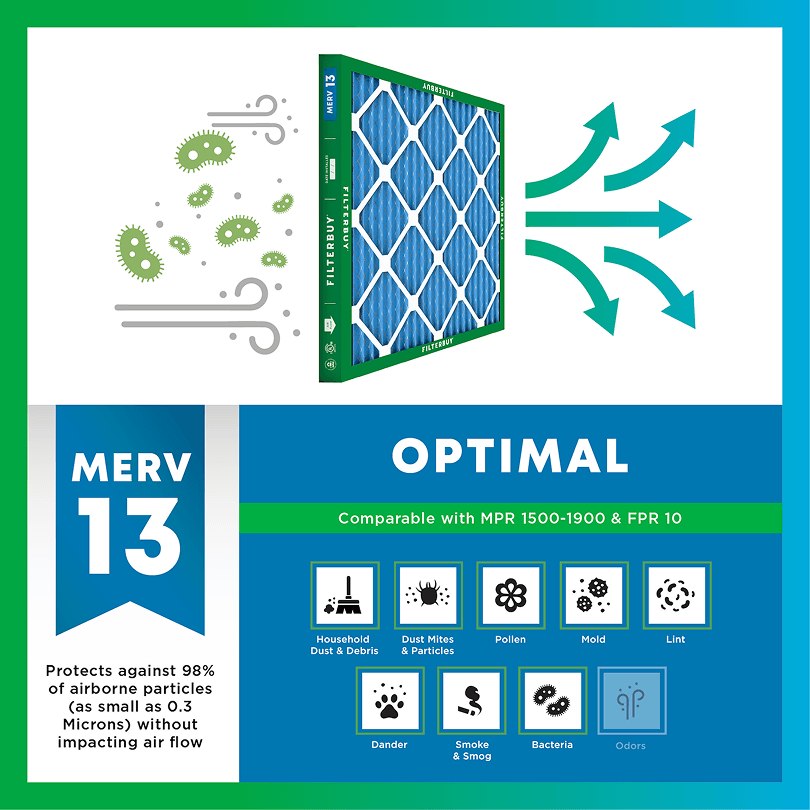
- Captures PM2.5 particles
- Blocks ash, soot, and smoke odor
- Keeps your indoor air safe—even when the outdoor air is dangerous
- Meets the EPA's recommended rating for filtering fine wildfire smoke particles.

Wildfire Smoke FAQs
Facts About Wildfires
Over 70,000 wildfires burn in the U.S. every year.
Wildfire smoke can travel 1,000+ miles, affecting states that aren't even near the blaze.
Exposure to wildfire smoke can worsen asthma, trigger heart issues, and lead to ER visits.
Indoor air can hold more fine particles during wildfire events unless it's properly filtered.
The EPA advises using MERV 13 filters or portable HEPA air cleaners during wildfire smoke events.
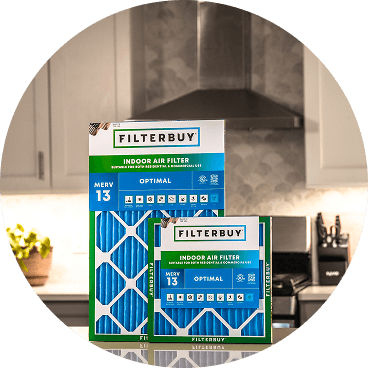
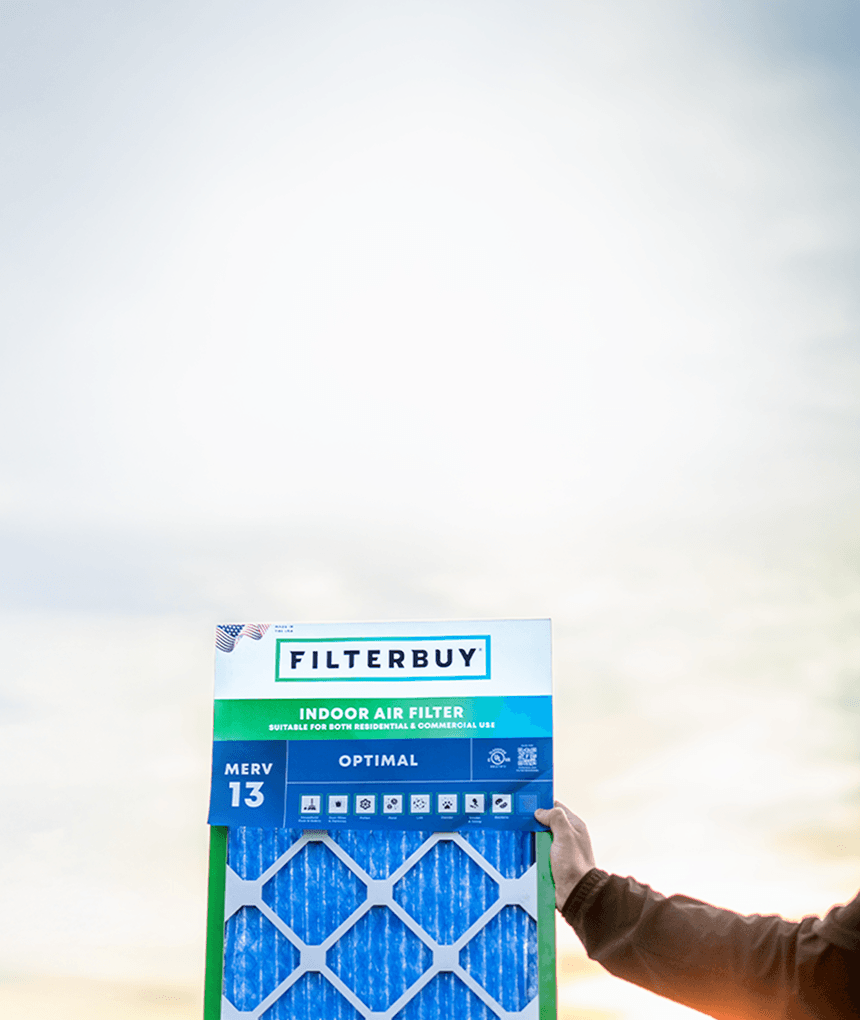
Don't Wait Until The Smoke's Inside.
Use the live wildfire smoke tracker and upgrade your air filters today to protect your lungs and your home.
Shop Filters For Smoke Protection
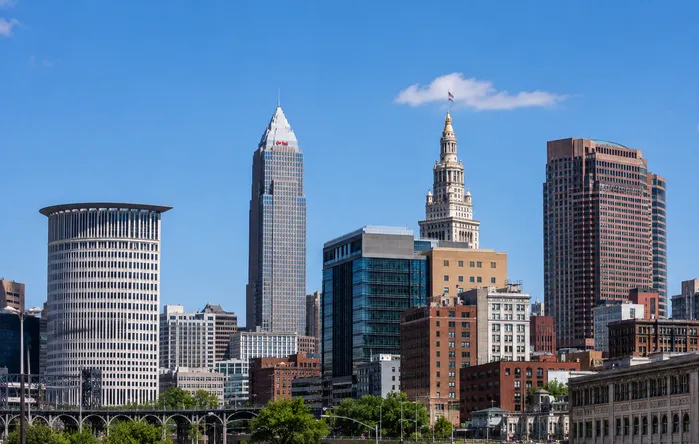
Current Live Wildfire and Smoke Map Cleveland Ohio Today From Filterbuy.com
On August 4, 2025, Canadian wildfire haze rolled across Lake Erie, and the downtown Cleveland skyline disappeared before lunch. NOACA issued an air quality advisory for Cuyahoga and seven surrounding counties. Our Cleveland filter reorders climbed the same day. If you are reading this, you have probably already noticed the sky looks wrong today, or you are trying to get ahead of the next plume. The wildfire map Cleveland, OH residents need is one tap away, and so is the indoor plan that actually keeps PM2.5 out of your house. After three Canadian smoke seasons of shipping filters into Northeast Ohio, we can tell you the playbook is short. Pull up the live smoke map Cleveland, OH families trust, change a couple of thermostat settings, and put a fresh MERV 13 on the return.
TL;DR Quick Answers
Current Live Forest Wildfire and Smoke Map Today, Cleveland, OH
The fastest way to check live wildfire smoke in Cleveland right now is the AirNow Fire and Smoke Map. Type "Cleveland, OH" or your ZIP code to see:
Current AQI, the real-time air quality health rating for Cuyahoga County
PM2.5 levels, the fine particle concentration from active smoke plumes
Active fire locations, including Canadian incidents and any rare Northeast Ohio brush fires
Plume direction relative to Lake Erie, downtown Cleveland, and your home ZIP
Cleveland-specific tip from our Filterbuy team. Zoom north toward Ontario and northeast toward Quebec. Canadian plumes appear on the map four to eight hours before the haze becomes visible from Cleveland's lakefront. One morning check rarely catches a multi-day event, because winds shift through the day, and afternoon transport can spike AQI fast.
If AQI crosses 100, close the house, switch HVAC to recirculate, set the fan to "On," and confirm the filter is clean before the plume arrives. If you can do only one thing, replace the filter.
Top Takeaways
Cleveland smoke days are now an annual pattern driven by Canadian wildfire drift across Lake Erie, with Cuyahoga County the most-affected of the eight NOACA counties
Most of the smoke Cleveland, OH, neighborhoods see arrives from Canadian fires rather than local sources, so cross-border tracking matters more than local fire alerts
A reliable forest fire map, Cleveland, OH residents can act on, combines AirNow's live PM2.5 layer with NOACA's eight-county forecast and an NWS wind-direction check
When AQI passes 100 on the current fire map Cleveland OH families check, sensitive groups should move activity indoors and limit exertion
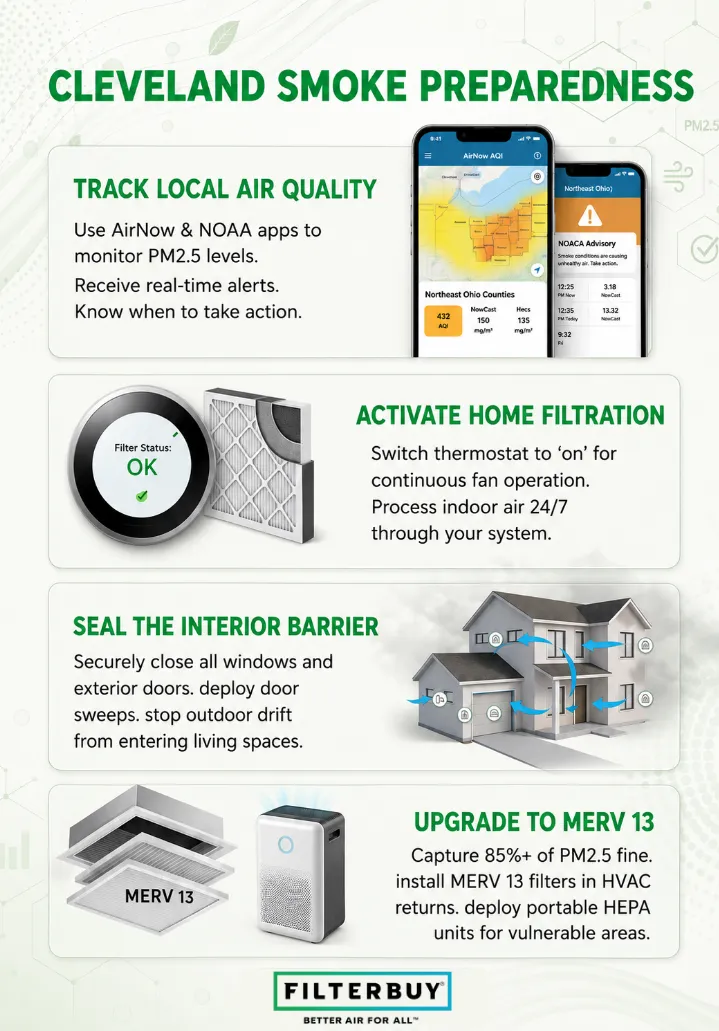
The fastest indoor protection sequence is to close windows, switch HVAC to recirculate, set the thermostat fan to "On," and run the highest MERV rating your system can handle
EPA recommends MERV 13 for wildfire smoke, and CARB confirms capture rates above 85% for the PM2.5 that drives most smoke-related health impacts
For real-time ozone and PM2.5 readings alongside smoke conditions, check the Cleveland air quality index map before deciding how long to stay indoors
How Cleveland Smoke Days Actually Unfold
Cleveland's smoke season runs the same months as ozone season, May through September. That overlap is what sets Northeast Ohio apart from drier western metros. By the time a Canadian plume reaches downtown, your filter is often already partly loaded from spring pollen and early-summer ozone. So the play here is to check the live map first and act on the indoor side before the haze settles over your block.
AirNow's Fire and Smoke Map is the fastest live source for what is heading your way right now. Type "Cleveland, OH" or your home ZIP, and the map pulls current AQI from official monitors, satellite-detected PM2.5, and live fire perimeters from across Canada and the Great Lakes corridor. Watch the plume direction as carefully as the current reading. A morning AQI of 65 can climb past 130 by 4 PM if winds shift onshore from the north.
Once the AirNow reading passes 100, sensitive groups should be inside. That includes children, anyone over 65, and anyone living with asthma, COPD, or heart conditions. Past 150, everyone in the household should cut back on outdoor time and exertion. When the number hits 200, stay inside and run whatever filtration your HVAC can support without choking the blower.
The indoor sequence is short. Close every window and exterior door first. Then switch the HVAC thermostat fan from "Auto" to "On" so the blower keeps running between heating and cooling cycles and air keeps passing across the filter. Set the system to recirculate, which stops it from pulling smoky outdoor air through the fresh-air damper.
For whichever room matters most, the bedroom where someone with asthma sleeps or the home office where you spend the workday, close the door and run a True HEPA portable purifier sized for the square footage. Customers tell us the air in that one room feels noticeably cleaner after an hour.
Filter choice is the biggest single decision on a smoke day. EPA recommends MERV 13 for wildfire smoke if your HVAC system can handle the higher static pressure without weakening airflow at the supply vents. If airflow drops noticeably after upgrading, step back to MERV 11 and have a technician check the blower and return ductwork. Most Cleveland homes that already run high-efficiency filtration for ozone and pollen move up to MERV 13 without trouble.
After manufacturing filters for over a decade and serving more than two million households, I can tell you the Cleveland market reorders faster during a Canadian smoke stretch than almost any other Midwest metro we ship to. The photos customers send us of pulled filters after a three-day plume are the strongest argument for keeping a spare on the shelf. Northeast Ohio neighbors who already swap to MERV 13 in early May see the best results in our data, because they are not racing to upgrade once the haze is already in the house.
— Filterbuy Team
7 Essential Tools Every Cleveland Family Should Bookmark Before the Next Smoke Day
We tell every Cleveland customer the same thing. Smoke prep stands on the quality of the information you start from, which means leaning on agencies that actually monitor Northeast Ohio. After three consecutive summers of Canadian wildfire drift, here are the seven sources we trust most. Bookmark them now, before the next NOACA advisory hits.
1. EPA AirNow Fire and Smoke Map — The Live Fire Map, Cleveland, OH Households Should Open First
What it provides. Interactive map combining active fire perimeters, satellite-detected smoke plumes, and PM2.5 readings from official monitors and community sensors across Northeast Ohio and Canada.
Why we recommend it. This is the first link we send when a Cleveland customer calls during a smoke event. Zoom north and northeast toward Ontario and Quebec to spot plumes hours before they reach the lakeshore. In our experience helping Cuyahoga County families, smoke shows up on the map four to eight hours before residents notice haze outside their windows.
Resource. https://fire.airnow.gov/
2. NOACA Air Quality Advisories — The Official Eight-County Forecast for Northeast Ohio
What it provides. Air quality forecasts and active advisories from the Northeast Ohio Areawide Coordinating Agency, covering Ashtabula, Cuyahoga, Geauga, Lake, Lorain, Medina, Portage, and Summit counties.
Why we recommend it. NOACA is the regional planning body that triggers Northeast Ohio's air quality advisories, and the National Weather Service in Cleveland relays its forecasts during the warm-weather season. Our Cleveland filter orders climb the same day NOACA flags a Cuyahoga advisory. Sign up for their email alerts so the warning reaches you before the haze does.
Resource. https://www.noaca.org/regional-planning/air-quality-planning/air-quality-advisories
3. Cleveland Division of Air Quality — Local Health Alerts From the CDPH
What it provides. Local health alerts and air quality data from the Cleveland Department of Public Health Division of Air Quality, the city agency that issues smoke health alerts for Cleveland residents.
Why we recommend it. When CDPH issues a smoke health alert, take it seriously. They coordinate directly with NOACA and the EPA, and during the August 2025 Canadian smoke event, their advisory landed several hours before national outlets picked up the story.
Resource. https://www.clevelandohio.gov/city-hall/departments/public-health/programs-services/air-quality
4. Ohio Department of Health Air Quality Resources — Statewide Guidance With Local Context
What it provides. Statewide air quality information from Ohio's public health authority, including the AQI color-code scale, sensitive-group recommendations, and indoor protection guidance.
Why we recommend it. Use ODH for the official Ohio interpretation of an AQI reading, especially if you run a school, daycare, or assisted living facility planning around advisories. Their recommendations factor in regional ozone patterns that national one-size-fits-all guidance misses.
Resource. https://odh.ohio.gov/know-our-programs/air-quality
5. National Weather Service Cleveland — Wind Direction and Smoke Transport Forecast
What it provides. Local meteorological forecasts from the NWS Cleveland Forecast Office, including the wind direction and atmospheric conditions that drive smoke transport across the Great Lakes into Northeast Ohio.
Why we recommend it. Wind direction is the missing piece on every smoke map. Check NWS Cleveland before you decide whether tomorrow's plume will clear out or settle in. A single forecast wind shift can be the difference between a tolerable afternoon and a rough one for anyone in the household with asthma.
Resource. https://www.weather.gov/cle/airquality
6. American Lung Association State of the Air — Cuyahoga County's Annual Report Card
What it provides. Annual report grading U.S. metros on year-round and short-term particle pollution, with Cuyahoga County data, historical trends, and at-risk population counts.
Why we recommend it. Cleveland ranks among the nation's worst metros for year-round particle pollution in the most recent State of the Air report. That baseline matters because wildfire smoke stacks on top of an already-loaded burden, which is exactly why filter prep here needs to run ahead of national averages.
Resource. https://www.lung.org/research/sota/city-rankings/states/ohio/cuyahoga
7. CDC Wildfire Safety Guidance — Federal Health Protocols for Smoke Exposure
What it provides. Federal guidance from the Centers for Disease Control on N95 respirator selection, vulnerable population protection, indoor air strategies, and the symptoms that warrant medical attention during wildfire smoke exposure.
Why we recommend it. Clinical backing for every recommendation we make about smoke days. When we say AQI over 100 means keeping kids and older adults inside, this is the science behind the call.
Resource. https://www.cdc.gov/wildfires/safety/index.html
3 Federal Data Points That Confirm Why Cleveland Filter Prep Pays Off
We trust the federal data, and we see it confirmed in our own customer records every Canadian smoke season. When Cleveland AQI climbs, order volume in Cuyahoga and Lake County ZIPs spikes within 24 hours, and the photos of loaded filters customers send us tell the story more clearly than any chart. Three federally documented findings line up with what we have been watching on the ground.
1. MERV 13 Filters Capture About 85% of Particles in the Size Range Most Common in Wildfire Smoke
MERV 13 filters are rated to capture approximately 85% of particles in the 1.0 to 3.0 micron range, where most wildfire smoke particles fall. The California Air Resources Board's Smoke Ready California guidance tells households to install a MERV 13 or higher filter for every wildfire smoke event, paired with three indoor protection steps.
Stay inside with windows and doors closed when AQI is unhealthy from wildfire smoke
Set the HVAC fan to "on" so air is filtered continuously rather than only during heating or cooling cycles
Close the fresh-air intake so the system recirculates indoor air instead of pulling smoky outdoor air through the damper
Source. California Air Resources Board, Smoke Ready California. https://ww2.arb.ca.gov/smokereadyca
2. Replacing a Clogged Filter Can Cut Cleveland HVAC Energy Costs by 5% to 15%
The U.S. Department of Energy reports that swapping a dirty filter for a clean one can reduce A/C energy consumption by 5% to 15%. For Cleveland homes during the smoke season, that finding has two ways.
Heating and cooling account for nearly half of a typical home's annual energy bill
Smoke events load filters faster than normal operation, so the energy penalty compounds quickly through the warmest months
Systems running heavy-duty in smoky conditions need filter changes sooner than the standard 60-to-90-day schedule
Source. U.S. Department of Energy. https://www.energy.gov/energysaver/maintaining-your-air-conditioner
3. EPA Documents That Wildfire Smoke PM2.5 Drives Increased ER Visits and Hospital Admissions Among Vulnerable Populations
The U.S. Environmental Protection Agency confirms that extensive epidemiological evidence links fine particle exposure from wildfire smoke to increased emergency department visits and hospital admissions, particularly for asthma and COPD exacerbations. EPA flags the populations facing the highest risk during Cleveland-area smoke events.
More than 25 million Americans live with chronic lung diseases such as asthma, including more than 6 million children
Adults 65 and older and people with existing heart or lung conditions face the greatest risk during smoke exposure
Even short-term PM2.5 exposure can trigger asthma attacks, cardiac events, and acute breathing difficulty
Source. Wildfire Smoke and Your Patients' Health https://www.epa.gov/wildfire-smoke-course

Our Honest View on Cleveland Smoke Seasons After Three Years of Real Data
We are air-obsessed at Filterbuy, and three Canadian smoke seasons have changed how we think about Cleveland customer prep. Northeast Ohio is not a one-off concern anymore. The pattern is now annual, the peak months are predictable, and the households that get caught off guard are the ones still treating wildfire smoke like an out-of-state problem.
Why Cleveland Smoke Days Hit Differently Than the West
Smoke here arrives from a thousand miles away. Canadian wildfires drive the pattern, not local brush fires, so Cleveland residents rarely get the smell-of-smoke warning a Californian gets when a nearby fire ignites. The other Cleveland-specific factor is the lake. Onshore breezes off Erie trap particles along the lakeshore corridor longer than inland Ohio communities deal with. Then ozone stacks on top. Cleveland's summer ozone season runs the same months as peak Canadian fire activity, so an August smoke day often piles onto an existing ozone advisory and pushes the combined AQI higher than either pollutant would alone.
What Cleveland's Smoke-Ready Neighbors Do Differently
Households that handle smoke best share a pattern in our order data. They ordered the spare filter in April before fire season starts, and they have moved to MERV 13 by Memorial Day weekend. The third move is what really separates them. They set up one dedicated clean room, usually the primary bedroom, with a portable HEPA on a smart plug they can flip on the moment a smoke advisory drops.
If none of those moves describe your house yet, start with the filter. Our MERV 13 air filters ship from our U.S. factory in standard and custom sizes, and most Cuyahoga County addresses see delivery within two business days. Order one spare even if your current filter still looks clean, because the next plume is on its way.
Your Cleveland Smoke-Day Playbook in the Order That Actually Works
Sequence matters more than gear during a Cleveland smoke event. The next time NOACA issues an advisory or AirNow lights up over the Great Lakes, work through these steps in order.
Open the current smoke map, Cleveland, OH residents trust most (the AirNow Fire and Smoke Map), and confirm whether the plume is already over Cuyahoga County or still on the way
Close every window and exterior door, including basement walkouts, garage entry, and any rarely-used side doors
Set the thermostat fan to "On" and switch the HVAC system to recirculate
Pull the current HVAC filter out and inspect it under bright light
If the filter looks gray, matted, or smells smoky, replace it. Our pleated HVAC filters ship in MERV 11 and MERV 13 in standard and custom sizes (run MERV 13 if your system handles it without weak airflow, MERV 11 if airflow feels borderline)
Pick the bedroom or living room that matters most, close the door, and start a portable HEPA purifier inside
Skip candles, incense, and long stovetop cooking until the AirNow reading drops back below 100
If you have time for only one action before a forecast smoke event, replace the filter. That one change cuts indoor PM2.5 faster than any other move a Cleveland homeowner can make.
Frequently Asked Questions
Get Cleveland Smoke-Ready Before the Next Plume Crosses Lake Erie
The next Canadian smoke plume is on its way. Cleveland has logged three consecutive years of unhealthy air days from Canadian drift, and the 2026 fire season forecast lines up the same way. These five steps take under an hour and protect your Northeast Ohio family before the next NOACA advisory hits.
Bookmark the AirNow Fire and Smoke Map on your phone's home screen, not in a browser folder
Sign up for NOACA email advisories so the warning reaches you before the haze does
Pull your current HVAC filter today, inspect it under bright light, and replace it if the media looks gray or matted
Order a spare MERV 13 filter sized to your return grille and turn on Filterbuy Auto Delivery so a fresh filter arrives before each peak smoke month
Pick one bedroom, confirm the door closes fully, and add a True HEPA portable purifier on a smart plug for remote startup
Filterbuy ships from our U.S. factory in standard and custom sizes, with free shipping and fast delivery to Northeast Ohio addresses. The Cleveland neighbors who handle smoke best prepare in April. Be one of them this year.