
Cleveland Real-Time AQI Tracker


Get Alerts For Unhealthy AQI In Your Area
When air quality in your area reaches unhealthy levels, we'll send you a quick alert, along with expert tips on how to reduce your exposure.
What's Actually In Cleveland Air Today?
What High AQI Means for Your Lungs in Cleveland
How to Read AQI
The Air Quality Index (AQI) measures how polluted the air is and how it may affect your health.
0–50 (Good): Air quality is satisfactory.
51–100 (Moderate): Acceptable, but some pollutants may pose minor concerns.
101–150 (Unhealthy for Sensitive Groups)
151–200 (Unhealthy)
201–300 (Very Unhealthy)
301+ (Hazardous)
Moderate
Still okay for most, but if you have asthma or allergies, take it easy and avoid long outdoor workouts.
Shop MERV 11 filters→What's the Right Filter for Your AQI Level?

Check Today's Live Real Time Air Quality Index AQI Map in Cleveland, OH Now
Air quality in Greater Cleveland can change fast, especially in summer when heat, ozone (smog), and wildfire smoke can push conditions into “Unhealthy for Sensitive Groups.” Checking the Air Quality Index (AQI) before you head out helps you plan your day and protect your indoor air.
TL;DR Quick Answers
Live Air Quality Index (AQI) Map Now Today – Cleveland, OH
Current Cleveland AQI: Check real-time readings at AirNow.gov or the EPA's interactive map for the most accurate, up-to-the-minute data.
What Cleveland residents typically see:
Green (0-50): Good – Safe for outdoor activities
Yellow (51-100): Moderate – Sensitive groups may want to limit prolonged outdoor exertion
Orange (101-150): Unhealthy for Sensitive Groups – Consider staying indoors if you have asthma or allergies
Cleveland-specific factors affecting AQI:
Lake Erie weather patterns can trap pollutants
Industrial activity along the Cuyahoga River corridor
Seasonal pollen from surrounding green spaces
Traffic congestion on I-90 and I-77 corridors
Pro tip from our air-obsessed team: Outdoor AQI only tells half the story. Indoor air can be 2-5x more polluted than outside—especially when windows are closed during poor AQI days. A quality MERV 13 filter helps capture the fine particles (PM2.5) that outdoor pollution warnings are measuring.
Best resources for live Cleveland AQI:
AirNow.gov (EPA official data)
IQAir.com (global coverage with forecasts)
Local Cleveland news weather apps
Key takeaways
Cleveland’s air can shift quickly due to ozone and wildfire smoke, so checking AQI helps you plan your day.
Ozone advisories often show up during warm, sunny weather; smoke can raise particle
For wildfire smoke, the EPA recommends MERV 13 (if your HVAC system supports it).
Keep indoor air cleaner by limiting outdoor air exchange during smoke events and staying consistent with filter changes.
If you need filters and want quality and convenience, check Filterbuy. You can choose by MERV rating, find your size, and keep replacements on schedule.
What affects air quality in the Cleveland area?
A few common drivers show up repeatedly in local advisories and reporting:
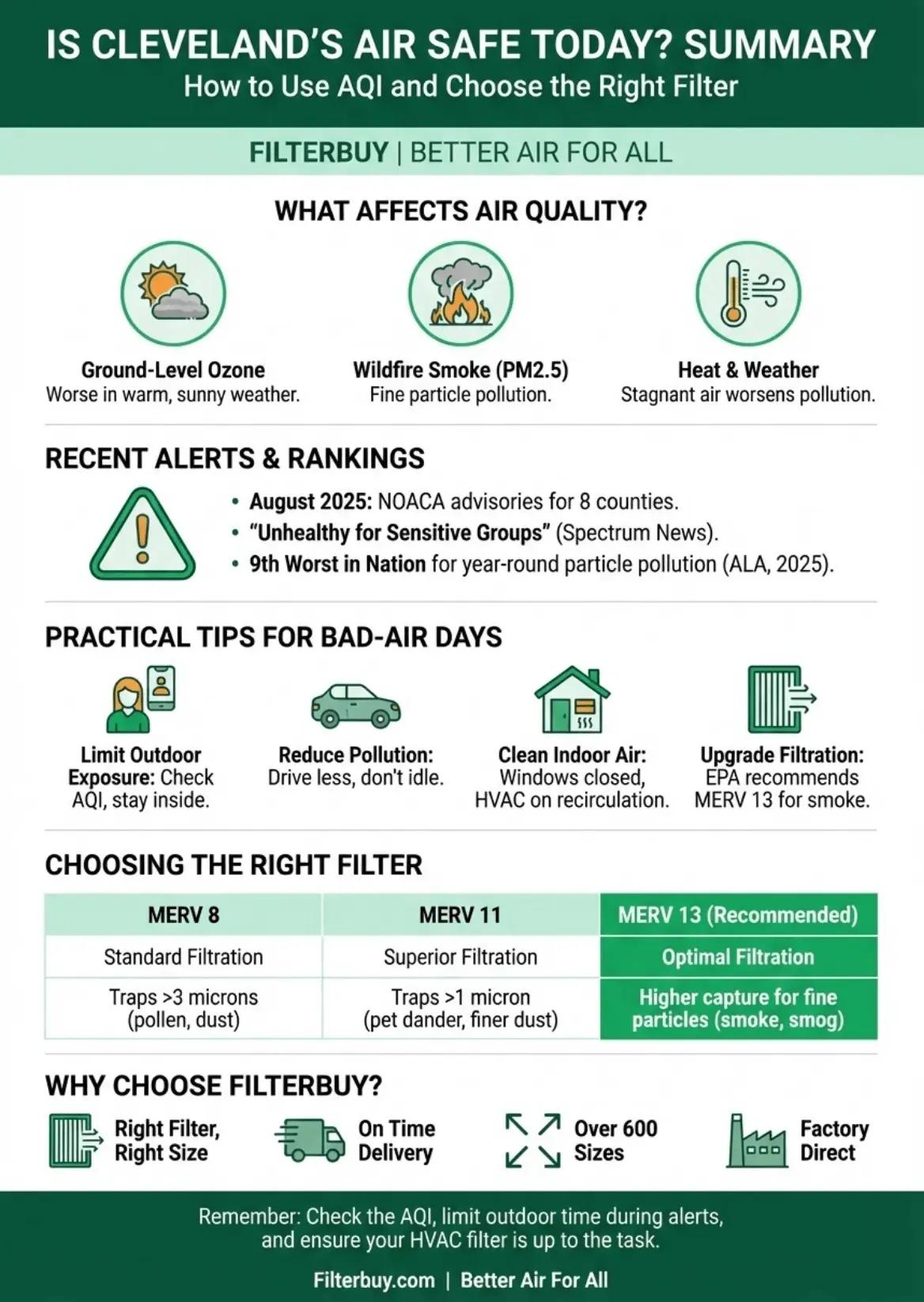
Ground-level ozone (smog): Often worse during warm, sunny weather. NOACA has issued advisories anticipating ozone pollution across Greater Cleveland and Akron.
Fine particle pollution (PM2.5): Can spike from Canadian wildfire smoke, creating haze and pushing AQI higher.
Heat and regional weather patterns: Heat can worsen pollution episodes. Major reports also point to heat and wildfire impacts contributing to worsening air quality trends.
Recent Cleveland and Ohio air-quality headlines
Here are a few noteworthy items you can reference in the blog:
August 2025: As mentioned above, NOACA issued an air quality advisory for Ashtabula, Cuyahoga, Geauga, Lake, Lorain, Medina, Portage, and Summit counties, tied to anticipated ground-level ozone, with smoke from Canadian wildfires also mentioned.
August 2025: The same report from Spectrum News labelled Cleveland’s air as “Unhealthy for Sensitive Groups” as wildfire smoke drifted through.
April 2025: According to the American Lung Association, Cleveland was named 9th worst in the nation for year-round particle pollution in the 2025 “State of the Air” reporting (using 2021–2023 data).
Practical tips for bad-air days in Cleveland
When air quality slips, focus on two goals: reduce exposure and clean indoor air.
If you’re in a sensitive group
Limit time outdoors when AQI rises; follow local alerts and current readings.
Cut pollution where you can (NOACA/NWS guidance)
Drive less, don’t idle, refuel after sunset, and delay mowing on advisory days.
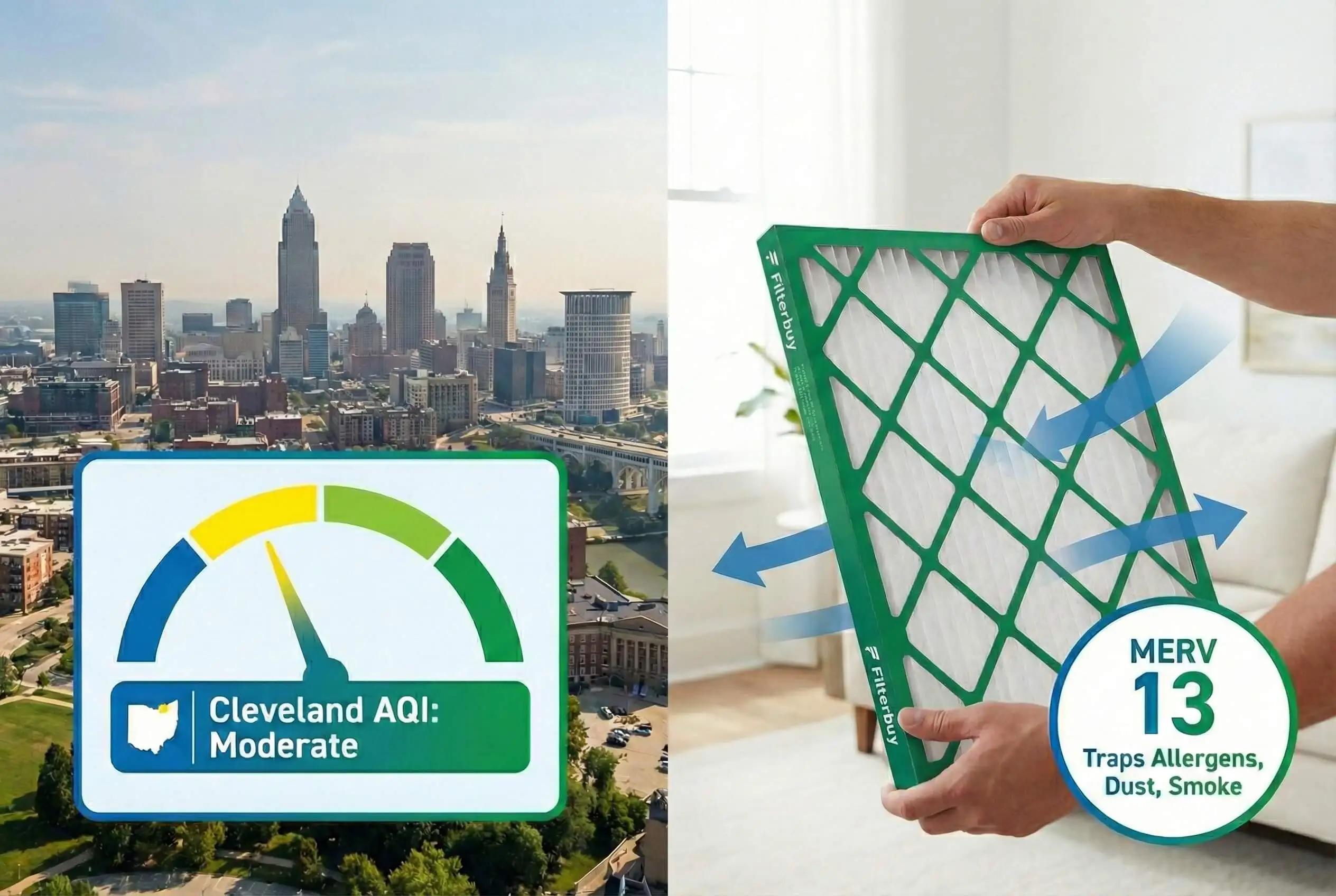
Keep indoor air cleaner during smoke events
EPA specifically recommends upgrading to an HVAC filter rated MERV 13 or higher during smoky periods to reduce fine particle pollution indoors (and replacing it more often if it loads up).
Run your HVAC on recirculation if possible and keep windows/doors closed during smoke episodes.
Consider a portable HEPA air cleaner sized for the room if smoke is persistent.
MERV 8 vs. MERV 11 vs. MERV 13
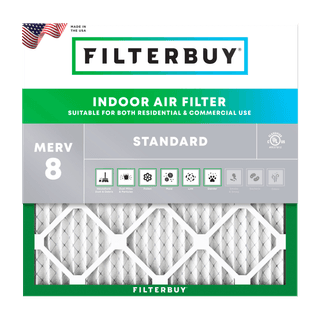
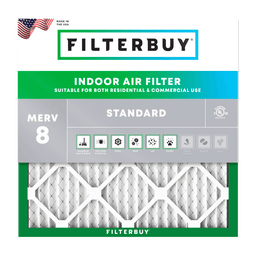
MERV 8: Marketed as “standard” filtration. These filters trap 90% of airborne particles as small as 3 microns.
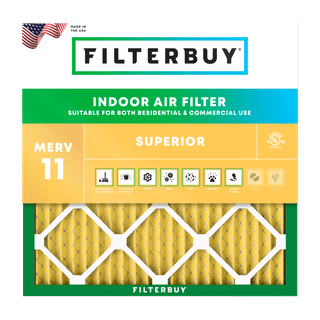
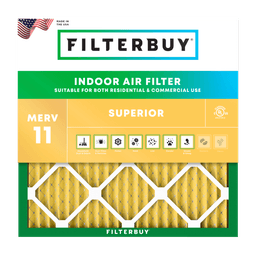
MERV 11: Marketed as “superior” filtration. These are 95% effective in capturing particles as small as 1 micron.
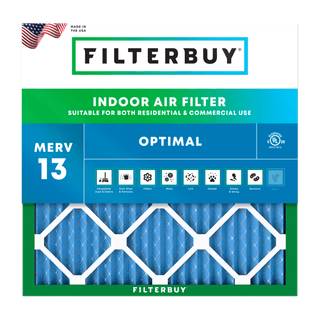
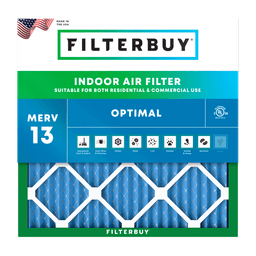
MERV 13: Marketed as “optimal”. Expert describes MERV 13 as higher capture for finer particles and many reference smoke among what it targets).
For wildfire smoke specifically, defer to EPA’s guidance. MERV 13+ is the recommended target if your system can handle it without airflow problems.
What Filterbuy Offers (and Why It Matters on Bad-Air Days)
When Cleveland’s AQI increases, you do not need complicated solutions. You need the right filter in the right size, replaced on time.
Filterbuy focuses on HVAC replacement filters, including common options like MERV 8, MERV 11, and MERV 13. That matters because you can match your filter to the conditions. On normal days, many homes do well with a mid-range option. During wildfire smoke events, the EPA recommends MERV 13 if your system can handle it.
We also make it easier for you to prepare and stay consistent. You can shop by MERV rating, find standard or hard-to-find sizes, and set up repeat deliveries so you are not scrambling when air quality gets worse.
FAQs
What does AQI actually tell me?
AQI is a simple score that shows how clean or polluted the air is right now. Higher numbers mean worse air and a higher risk of health effects.
What is the difference between ozone and wildfire smoke?
Ozone (smog) is a gas that often worsens on hot, sunny days. Wildfire smoke mainly raises fine particle pollution (PM2.5), which can make the air look hazy and irritate your lungs.
Who counts as a “sensitive group”?
Children, older adults, pregnant people, and anyone with asthma, COPD, or heart disease. If you fall into one of these groups, you should take extra care when AQI rises.
Should I stay inside when AQI is poor?
If AQI is elevated, spending less time outdoors can help. If you must go out, keep it shorter and avoid heavy exertion.
What is the best HVAC filter rating for wildfire smoke?
EPA guidance recommends MERV 13 for wildfire smoke if your HVAC system can handle it without major airflow issues.
Is a higher MERV rating always better?
Not always. Higher MERV filters can restrict airflow in some systems. If your HVAC struggles (weak airflow, icing, unusual noise), drop to a lower rating and talk to an HVAC technician.
How often should I replace my HVAC filter during smoky periods?
Check it more often than usual. If it looks noticeably darker or clogged, replace it sooner. Smoke and heavy summer use can load a filter faster.
Can indoor air still be unhealthy even if I’m inside?
Yes. Smoke and other pollution can seep indoors through leaks and door openings, and indoor activities can add particles. Keeping windows closed and running filtration helps.
Do portable air purifiers help on bad-air days?
Yes, especially units with a true HEPA filter sized for the room. They can reduce indoor particle levels when outdoor air is smoky.
How do I make sure I buy the right filter size?
Match the size printed on your current filter (length × width × thickness). If the size is unusual, look for a custom-size option rather than forcing a close match.