
Louisville, KY Live Wildfire Smoke Map
Get Alerts For Wildfires In Your Area
The moment a wildfire starts near you, you'll get an instant alert and simple tips to reduce your smoke exposure.
What's In The Smoke
30xSmaller than a human hair
Fine enough to reach deep into the lungs. A MERV 13 is built to capture it.
How Far It Travels


It Doesn't Stay Local
Smoke rides the wind far downwind — you can get smoky air with no fire nearby.
What To Do During A Smoke Event
Simple steps to reduce indoor exposure.
- Stay In, Close UpShut windows and doors to keep smoke out.
- Set Fan To "On"Keeps air cycling through your filter, not just when heating or cooling.
- Recirculate AirSwitch off fresh-air intake so you're not pulling smoke in.
- Run A MERV 13Built to capture the fine PM2.5 in smoke.
- Add A PurifierExtra filtration for the room you use most.
- Wear an N95 if OutsideFits snug to block fine particles — a cloth mask won't.


The Best Air Filter For Wildfire Smoke
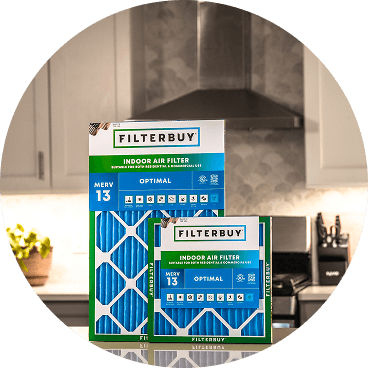
During smoke events, the EPA recommends upgrading to a MERV 13 filter — or the highest-rated filter your system can handle — to help reduce the fine particles smoke brings indoors. MERV 13 is the level most home HVAC systems can run while still capturing PM2.5, the fine particulate that makes up the bulk of wildfire smoke.
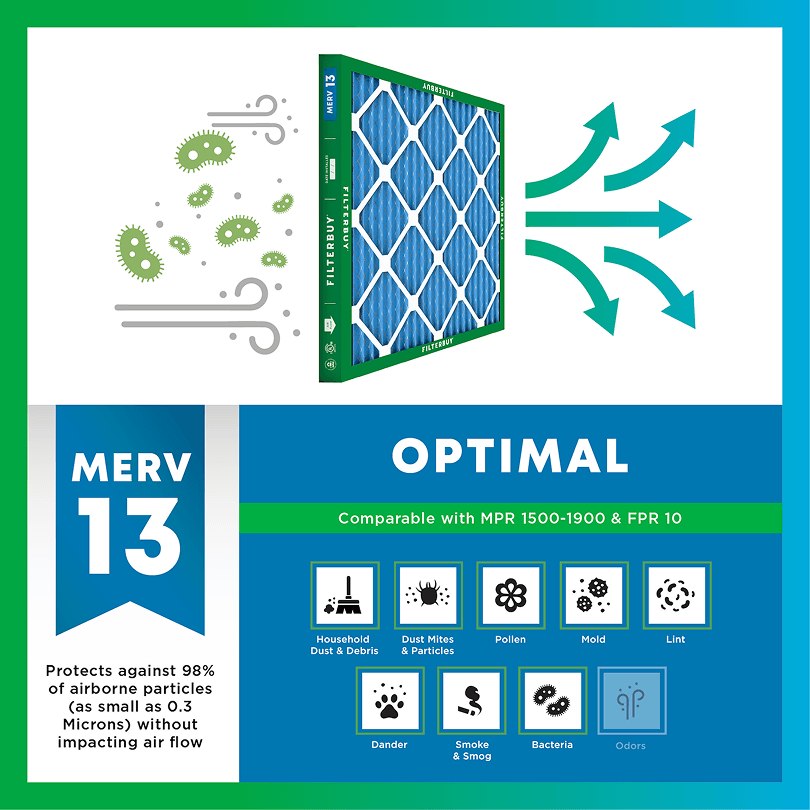

- Captures PM2.5 particles
- Blocks ash, soot, and smoke odor
- Keeps your indoor air safe—even when the outdoor air is dangerous
- Meets the EPA's recommended rating for filtering fine wildfire smoke particles.

Wildfire Smoke FAQs
Facts About Wildfires
Over 70,000 wildfires burn in the U.S. every year.
Wildfire smoke can travel 1,000+ miles, affecting states that aren't even near the blaze.
Exposure to wildfire smoke can worsen asthma, trigger heart issues, and lead to ER visits.
Indoor air can hold more fine particles during wildfire events unless it's properly filtered.
The EPA advises using MERV 13 filters or portable HEPA air cleaners during wildfire smoke events.
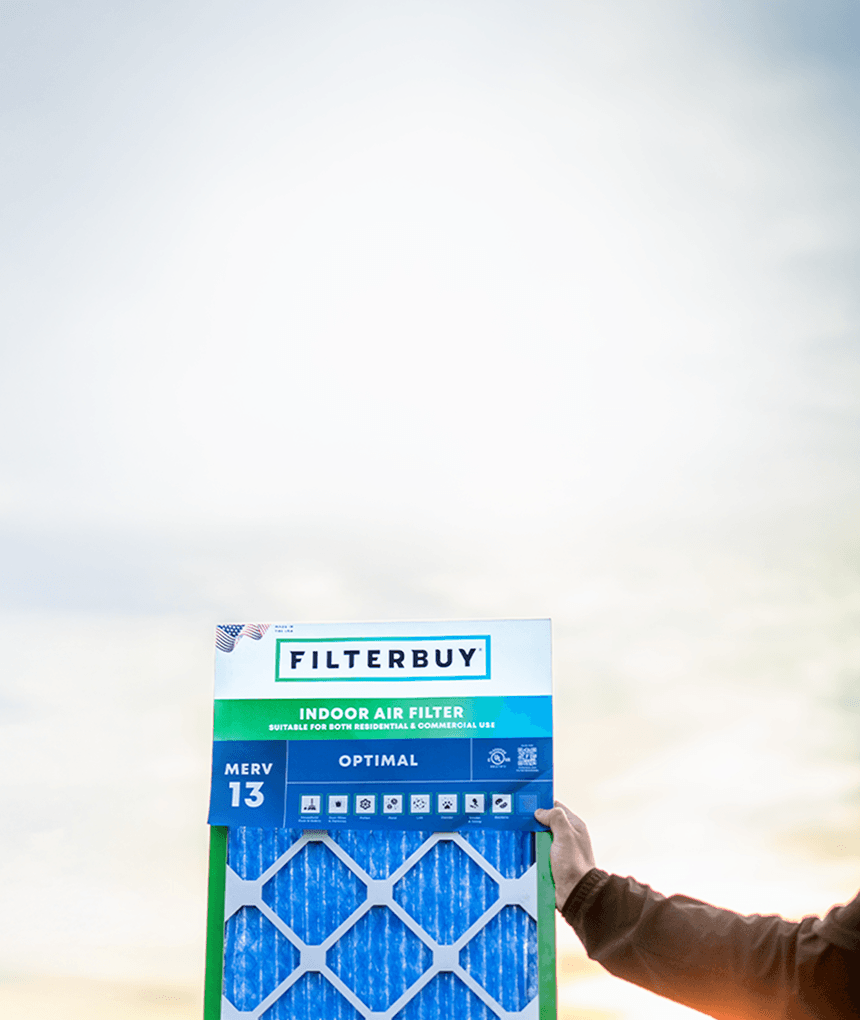
Don't Wait Until The Smoke's Inside.
Use the live wildfire smoke tracker and upgrade your air filters today to protect your lungs and your home.
Shop Filters For Smoke Protection
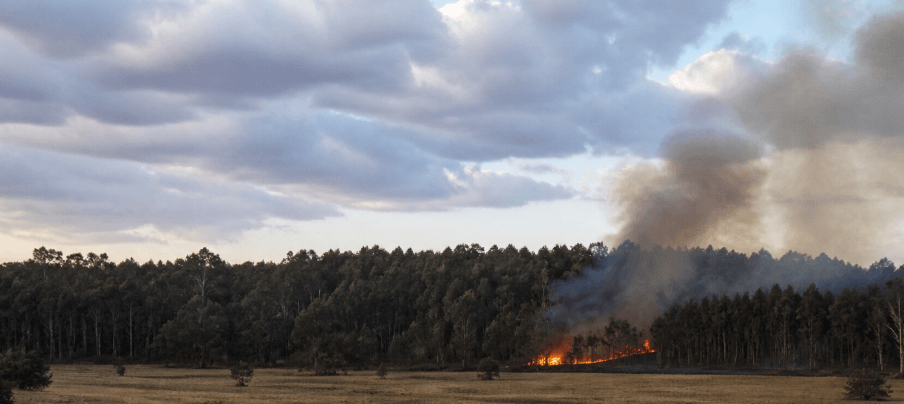
Is Smoke Drifting Over Louisville Right Now?
Track the Current Live Forest Wildfire and Smoke Map Today in Louisville, KY
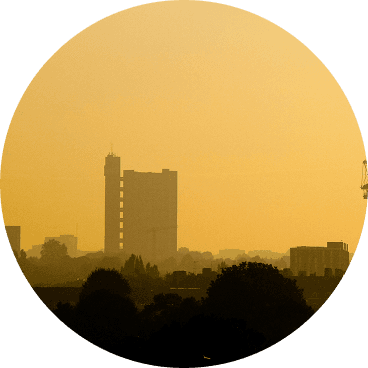
Louisville’s downtown skyline disappeared into Canadian wildfire haze more than once in the last two summers, and we watched the calls roll in from filter customers across Jefferson County. The June 2023 stretch was the worst one we tracked. Downtown buildings vanished from the WDRB weather cam by mid-morning while AQI readings climbed past 180 across the metro. The Louisville Metro Air Pollution Control District threw a Code Red, hospitals reported climbing respiratory urgent-care visits, Bowman Field grounded planes, and smoke from out-of-control Canadian fires pushed all the way down the Ohio Valley and parked over Kentuckiana. That episode is no longer the outlier. Louisville catches wildfire smoke every year now, from boreal fires in Canada, fall burns in Appalachia, and brush fires during Kentucky’s Spring Wildfire Hazard Season. Your defense lives in one live map and a handful of indoor habits any homeowner can run.
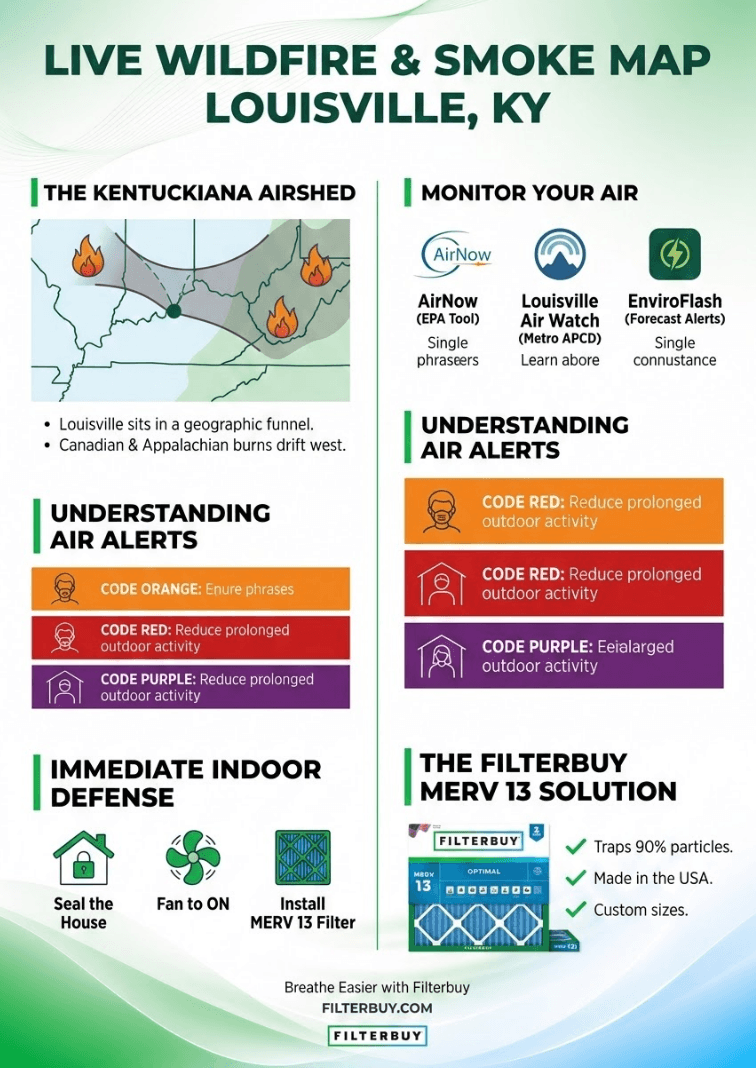
TL;DR Quick Answers
The AirNow Fire and Smoke Map is the first place to check whether what you’re seeing is wildfire smoke or just regular Louisville haze
Louisville Metro APCD posts AQI four times per weekday and runs Code Orange, Code Red, Code Purple, and Code Maroon alerts depending on severity
Close up the house, switch the HVAC fan from Auto to On, and put a MERV 13 in the slot when smoke arrives
Louisville pulls wildfire smoke from Canada in summer, Appalachia in fall, and its own brush fires in spring
Sign up for EnviroFlash through Louisville Metro APCD to get tomorrow’s air forecast on your phone tonight
Top Takeaways
Louisville sits in the smoke path for Canadian boreal fires, Appalachian fall burns, and Kentucky brush fires during Spring Wildfire Hazard Season. Smoke days arrive every year now.
The AirNow Fire and Smoke Map and Louisville Metro APCD’s Louisville Air Watch are the two fastest ways to confirm what you’re actually breathing right now.
Code Orange tells sensitive groups (kids, older adults, anyone with asthma or heart or lung issues) to cut back on hard outdoor exertion. Code Red extends that warning to everyone.
The fastest way to drop indoor PM2.5 during a smoke event is to close up the house, run the HVAC fan continuously, and put a MERV 13 in the slot if the system can hold normal airflow.
A smoke-loaded filter goes dark and looks packed long before the calendar says it’s time to swap. Don’t wait for the date on the label.
Use the Live AirNow Fire and Smoke Map for Louisville, KY
When you want to know what’s actually in the air outside your door, the AirNow Fire and Smoke Map is the tool we recommend first. The EPA and U.S. Forest Service built it together. You can zoom into Louisville Metro and see fine particle (PM2.5) readings layered on top of active fire icons and smoke plume forecasts, and the data refreshes hourly when wildfire activity ramps up. Check it once in the morning and again if winds shift throughout the day.
Why Louisville Catches Wildfire Smoke
Geography puts Louisville in the path of more wildfire smoke than most cities east of the Mississippi. The Ohio Valley acts as a funnel for haze from faraway fires, while Kentucky’s own woodlands feed shorter, closer-range smoke events most years. For broader smoke conditions across Kentucky, our Kentucky state hub tracks fire activity and alerts beyond the Louisville footprint.
Canadian Wildfire Smoke Drifts Over the Ohio Valley
Boreal fires up in Quebec, Ontario, and the Northwest Territories drop fine particles high into the atmosphere, and prevailing summer winds carry them south. Louisville, Frankfort, and Lexington sit directly under that pathway, which is why Code Red days during late June and July almost always trace back to Canadian smoke.
Appalachian and Eastern Kentucky Fall Fires
In October and November, fires across the Daniel Boone National Forest and the Cumberland Plateau push smoke west toward the metro. Cool, calm mornings hold that smoke down low in valley air, and on the worst days, you can smell wood smoke before you see anything in the sky.
Local Brush Fires During Kentucky’s Spring Wildfire Hazard Season
Kentucky’s official Spring Wildfire Hazard Season runs from February 15 through April 30. The Kentucky Energy and Environment Cabinet enforces a statewide 6 a.m. to 6 p.m. burn restriction within 150 feet of woodland during those weeks, but local brush fires still slip through when conditions stay dry. Smoke from those fires usually settles closer to home than Canadian or Appalachian sources, which means it can change your air faster.
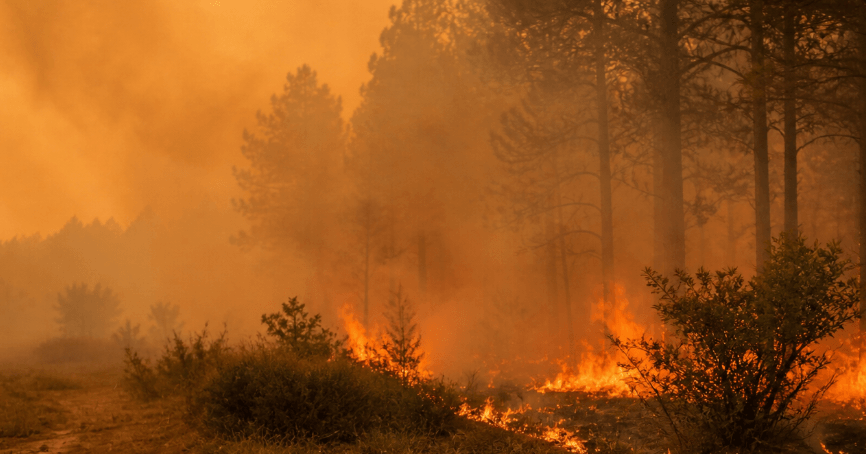
Code Orange and Code Red Alerts in Jefferson County
Louisville Metro APCD posts an updated Air Quality Index four times per weekday, and they issue alerts the night before conditions are expected to hit Unhealthy for Sensitive Groups or worse. Code Orange means children, older adults, and anyone managing asthma, heart disease, or lung disease should cut back on hard outdoor exertion. Code Red extends that guidance to everyone. Code Purple and Code Maroon are the categories above Red, and while Louisville hasn’t crossed into either during a smoke event, the 2023 episode came close. EnviroFlash text and email alerts from APCD push these forecasts straight to your phone the night before.
What to Do Indoors When Smoke Hits
When the AQI climbs, your first move is to shut windows and doors and close any outside-air dampers on your HVAC system. Flip the thermostat fan from Auto to On so air keeps moving through your filter even between cooling cycles. Upgrade to a MERV 13 if your equipment can hold normal airflow at that rating. The Louisville-area customers we’ve worked with during Canadian smoke events tell us PM2.5 indoors drops within a few hours once the fan runs nonstop and the filter is one of the higher-MERV pleats we make in Alabama. Check that filter sooner than the calendar tells you to. Smoke loads pleats faster than dust does, and a dark, packed filter is just the visible sign your system is doing its job.
“When Canadian wildfire smoke pushes south into the Ohio Valley, Louisville sits in one of the most exposed metros east of the Mississippi. Homeowners who switch to a MERV 13 filter and run their fan continuously during a Code Red day see measurable PM2.5 drops indoors within a few hours. That’s the difference between a smoke day you can feel and a smoke day you can sleep through. The mistake I see most often is waiting until the haze is visible before changing the filter or upgrading the rating. By the time you can see it, the fine particles you cannot see have already been pulling through your system for half a day.”
— Filterbuy Team
Essential Resources for Tracking Wildfire Smoke and Air Quality in Louisville
When Louisville's air turns hazy, these are the tabs we keep open ourselves. Everyone comes from the federal, state, or city agency generating the data firsthand, which means the readings you see are the same ones Louisville Metro APCD and the National Weather Service work from when they call a Code Red.
See What Is Burning and Where Smoke Is Drifting Right Now
The EPA and U.S. Forest Service team that maintains it overlays live PM2.5 readings on active fire icons and smoke plume forecasts, refreshed hourly during major events.
Source: AirNow Fire and Smoke Map.
Check Live Louisville AQI from the City’s Own Monitoring Network
Four updates per weekday and the Louisville Air Watch monitoring network, straight from the city.
Source: Louisville Metro APCD live air quality page.
Get the Federal Forecast for Louisville’s Air Quality
Short-term AQI forecasts from the National Weather Service’s Louisville office using the KAIRE Network.
Source: NWS Louisville Air Quality Index page.
Track Active Fires and Burn Restrictions Across Kentucky
The Kentucky Division of Forestry’s wildland fire program, including Spring and Fall Wildfire Hazard Season burn restrictions.
Source: Kentucky Wildland Fire Management.
Monitor National Fire Activity Driving Smoke Into the Ohio Valley
The National Interagency Fire Center’s daily summary of active large fires across the U.S., including the Canadian and northern-tier fires that send smoke south.
Source: National Fire News.
Understand How Wildfires Are Managed and Prevented
The federal agency overseeing wildfire prevention, suppression, and prescribed burns on national forest land.
Source: U.S. Forest Service fire management.
Build a Family Smoke Action Plan
Ready.gov’s step-by-step preparedness checklist includes indoor air protection and evacuation planning for households.
Source: wildfire preparedness guidance.
Supporting Statistics on Wildfire Smoke and Louisville Air Quality
Three findings come up every time Louisville customers ask whether wildfire smoke is a real health concern or background noise. Each one comes straight from the federal agencies and lung-health groups that have studied wildfire smoke exposure the longest, and the numbers explain why a Code Red day in the Ohio Valley hits harder than a Code Red day somewhere with cleaner baseline air.
Fine particle pollution from wildfire smoke can increase quickly and substantially during a major event, and the particles are small enough to reach the alveolar region of the lungs and translocate into the bloodstream. Source: EPA on PM2.5 from wildfire smoke.
Acute symptoms from wildfire smoke can include trouble breathing, cough, wheezing, chest pain, and palpitations within hours of exposure, and prolonged exposure can exacerbate chronic conditions like asthma, COPD, and congestive heart failure in sensitive groups. Source: CDC wildfire smoke health alert.
In the 2026 State of the Air report, the Louisville-Jefferson County metro ranked 22nd worst in the nation for ozone pollution and earned a failing grade for year-round particle pollution, meaning baseline air quality was already strained before wildfire smoke layered on top. Source: American Lung Association State of the Air.
Final Thoughts and Opinion
The June 2023 Code Red wasn’t a one-off. Longer Canadian boreal seasons, drier Appalachian falls, and stretched-out Spring Wildfire Hazard windows in Kentucky have all pushed Louisville into a pattern where smoke days arrive every year. The defense is short to learn. Close the house up, run the HVAC fan continuously, upgrade to a MERV 13 if the system can take it, and check that filter early. Every Louisville household should keep one MERV 13 backup on the shelf in the right size. A Code Red day shouldn’t catch you with only a MERV 8 in the slot.
Next Steps
Bookmark the AirNow Fire and Smoke Map on your phone before the next smoke event. That single step saves you from searching for it during a Code Red. Sign up for EnviroFlash alerts through Louisville Metro APCD to get next-day forecasts the night before they hit. Pull your current HVAC filter, write the size on a label, and order a backup MERV 13 in the same dimensions to live on the shelf. Pick one bedroom or main-floor room as your cleaner room during smoke days and figure out where a portable HEPA unit would sit. If anyone in your household has an asthma plan, a heart condition, lung disease, or sits in a classroom during the day, walk the whole family through the smoke plan so nobody opens a window during a Code Red.
Frequently Asked Questions
Protect Your Louisville Home Before the Next Smoke Day
Smoke days are part of Louisville’s air now. The best move you can make before the next Code Orange is to put a higher-rated filter on the shelf in your size, ready to swap in the moment the AirNow map turns yellow.
After manufacturing filters for over a decade and serving more than two million households, Filterbuy stocks American-made MERV 13 air filters for your Louisville home, available in standard 1-inch, 2-inch, and 4-inch thicknesses with free U.S. delivery.
If your home runs older return registers (a lot of Louisville housing stock does), custom-size pleated filters for older Louisville homes, cut to your exact dimensions, are a click away. Activated-carbon options are available for the smoke-odor side of the problem.