
Illinois Live Wildfire Smoke Map
Get Alerts For Wildfires In Your Area
The moment a wildfire starts near you, you'll get an instant alert and simple tips to reduce your smoke exposure.
What's In The Smoke
30xSmaller than a human hair
Fine enough to reach deep into the lungs. A MERV 13 is built to capture it.
How Far It Travels


It Doesn't Stay Local
Smoke rides the wind far downwind — you can get smoky air with no fire nearby.
What To Do During A Smoke Event
Simple steps to reduce indoor exposure.
- Stay In, Close UpShut windows and doors to keep smoke out.
- Set Fan To "On"Keeps air cycling through your filter, not just when heating or cooling.
- Recirculate AirSwitch off fresh-air intake so you're not pulling smoke in.
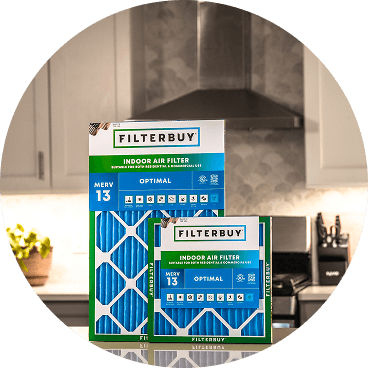
- Run A MERV 13Built to capture the fine PM2.5 in smoke.
- Add A PurifierExtra filtration for the room you use most.
- Wear an N95 if OutsideFits snug to block fine particles — a cloth mask won't.


The Best Air Filter For Wildfire Smoke
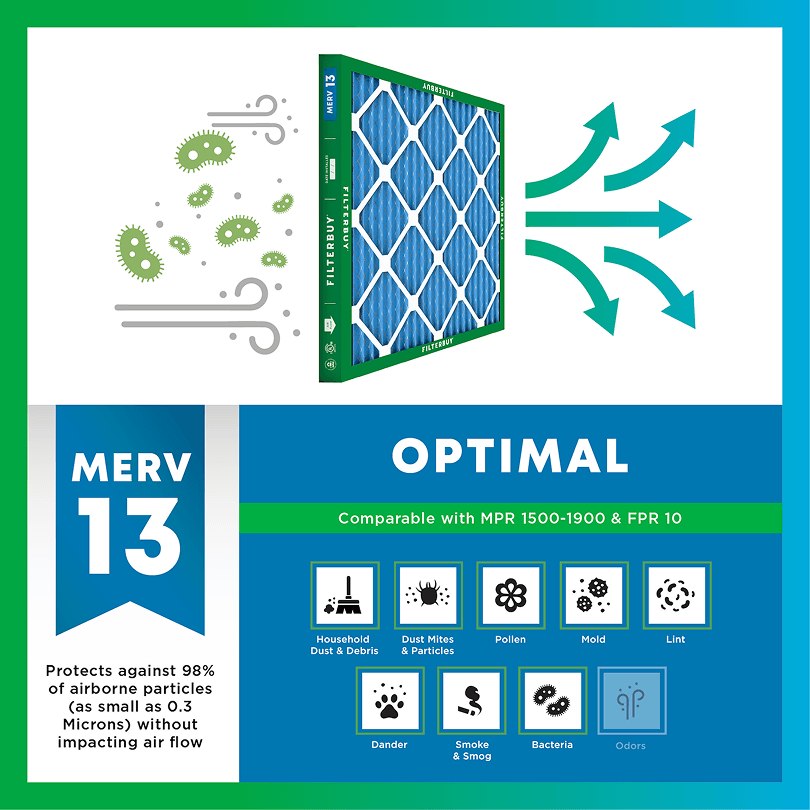
During smoke events, the EPA recommends upgrading to a MERV 13 filter — or the highest-rated filter your system can handle — to help reduce the fine particles smoke brings indoors. MERV 13 is the level most home HVAC systems can run while still capturing PM2.5, the fine particulate that makes up the bulk of wildfire smoke.
- Captures PM2.5 particles
- Blocks ash, soot, and smoke odor
- Keeps your indoor air safe—even when the outdoor air is dangerous
- Meets the EPA's recommended rating for filtering fine wildfire smoke particles.

Wildfire Smoke FAQs
Facts About Wildfires
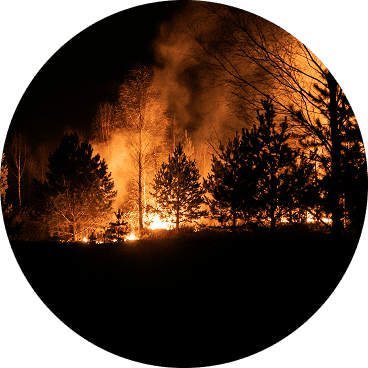
Over 70,000 wildfires burn in the U.S. every year.
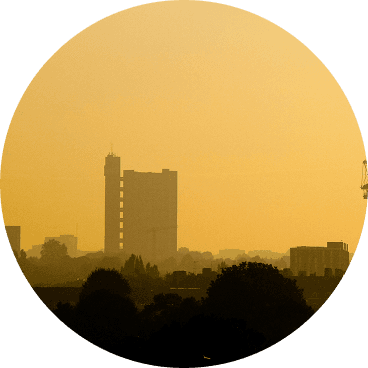
Wildfire smoke can travel 1,000+ miles, affecting states that aren't even near the blaze.
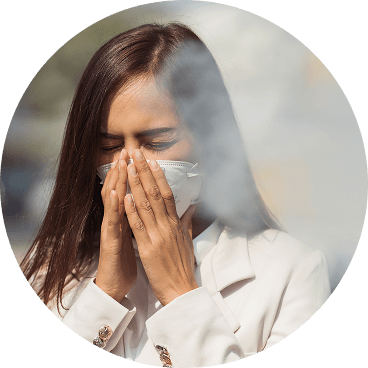
Exposure to wildfire smoke can worsen asthma, trigger heart issues, and lead to ER visits.
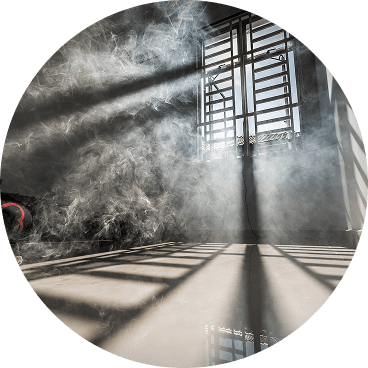
Indoor air can hold more fine particles during wildfire events unless it's properly filtered.
The EPA advises using MERV 13 filters or portable HEPA air cleaners during wildfire smoke events.
Don't Wait Until The Smoke's Inside.
Use the live wildfire smoke tracker and upgrade your air filters today to protect your lungs and your home.
Shop Filters For Smoke Protection
Current Live Wildfire And Smoke Map Illinois Today From Filterbuy.com
By Michelle Wan | Reviewed by David Clark, Licensed HVAC Technician | Published July 22, 2026 | Updated July 22, 2026
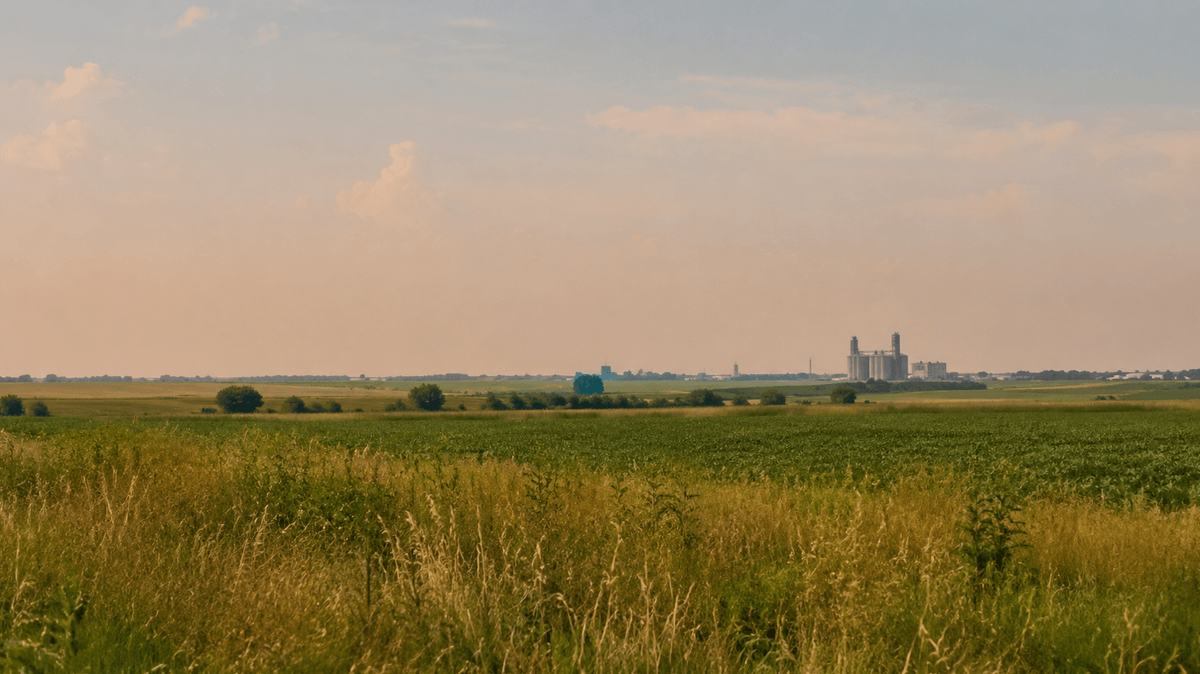
Illinois is not burning today. The state's own wildfire risk sits at a seasonal low, with prescribed burns paused for summer and minimal wildland fire activity statewide. What can still change your air within a single afternoon is smoke that started hundreds of miles north in Canada and drifted south on the jet stream. Filterbuy's live map tracks active fires and the smoke plumes that travel far beyond them. Check your county below, then scroll down for what today's AQI means for your household.
TL;DR
Illinois has almost no active wildfires of its own right now. Its air quality problems come from Canadian smoke drifting south, which can push AQI from Good into Unhealthy within hours. Check the live map above and keep a MERV 13 filter installed so your home is ready when smoke arrives.
Quick Answers
Is There A Wildfire Burning In Illinois Right Now?
No large active wildfires are burning in Illinois as of this page's last update, and prescribed burns are paused for summer. Any smoke affecting Illinois right now is most likely arriving from wildfires burning elsewhere, a pattern explained in detail below.
Top Takeaways
Canadian wildfire smoke has repeatedly driven Illinois AQI into the Unhealthy or Unhealthy for Sensitive Groups range, including three separate events since 2023.
Children, older adults, and people with asthma, COPD, or heart disease face the highest risk and should check the AQI before spending extended time outdoors.
A MERV 13 or higher HVAC filter, sized correctly for your system, captures fine wildfire smoke particles that a standard MERV 8 filter mostly lets through.
Bookmark this page and the AirNow Illinois map to check conditions in seconds the next time regional smoke rolls in.
Why Does Illinois Get Wildfire Smoke With No Local Fires?
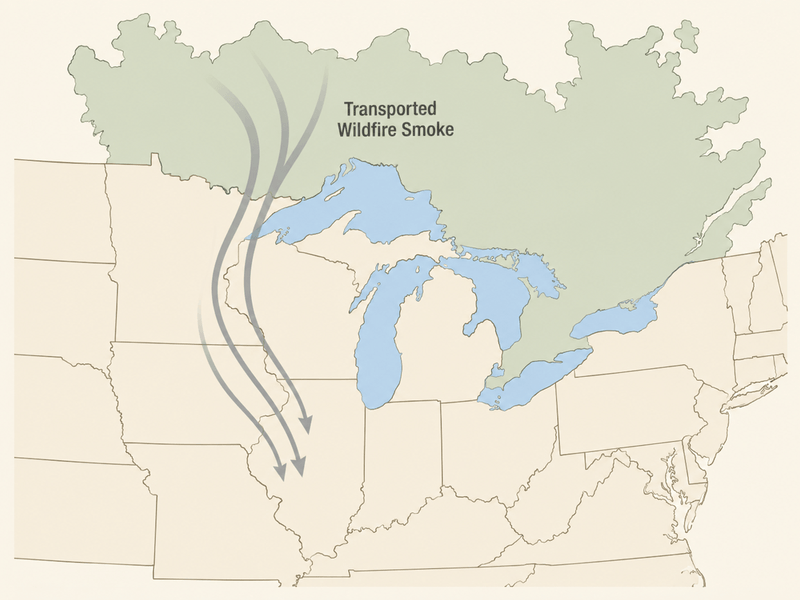
Smoke rises with the heat of a fire, catches upper-level winds, and travels far beyond the burn itself before reaching the ground. When a strong jet stream sets up across Canada and the northern Plains, smoke from provinces like Manitoba, Saskatchewan, or Ontario can reach the Great Lakes and Midwest within a day or two. Illinois sits under some of the most common of these transport paths, which is why the state sees hazy skies and elevated PM2.5 even with no active wildfire inside its borders.
Transported smoke usually arrives as a broad regional haze rather than a sharp plume and can settle at ground level for a day or more, which makes the live AQI reading above more reliable than checking a fire map. For more, see Filterbuy's how far wildfire smoke can travel guide.
Illinois EPA also issues its own Air Pollution Action Days, layered on top of the federal AQI, when a smoke event is forecast to reach Unhealthy for Sensitive Groups or worse. Treat one the same as an Unhealthy AQI reading.
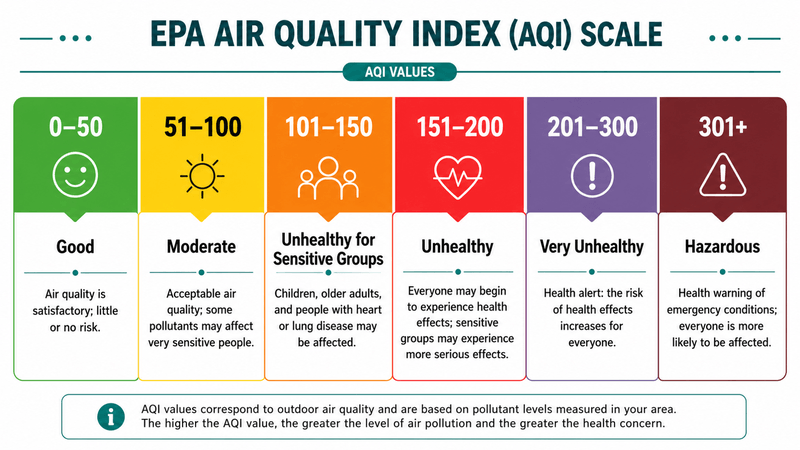
How Do I Read Illinois's AQI During A Smoke Event?
The Air Quality Index runs from 0 to 500 in six color-coded bands. During a Canadian smoke event, Illinois readings typically climb through Moderate (Yellow) and Unhealthy for Sensitive Groups (Orange) before reaching Unhealthy (Red), the range recorded across much of the state in past summer episodes.
Table 1 — Illinois AQI Action Table
Source: U.S. EPA Air Quality Index scale.
The map above pulls its readings from the same monitoring network EPA and Illinois EPA use for statewide alerts, so the number you see matches what your local health department is working from.
Which Illinois Counties Feel Canadian Wildfire Smoke First?
Smoke moving south out of Canada typically reaches Illinois from the north and northwest first, so counties along the Wisconsin border and greater Chicago often see elevated readings before it works into central and southern Illinois, sometimes reaching as far as Peoria, Springfield, and Metro East St. Louis. Check your specific county on the live map above rather than assuming statewide conditions apply evenly.
How Do I Protect My Home's Indoor Air During A Smoke Event?
Outdoor AQI does not stay outdoors. PM2.5 smoke particles work their way into a home through doors, windows, and a running HVAC system, making filtration one of the few tools a household controls during a smoke event.
Upgrade filtration. A MERV 13 filter captures far more fine smoke particles than a standard MERV 8, provided your system can handle the added airflow resistance.
Keep windows and doors closed. Run your HVAC system on recirculate rather than pulling in outside air.
Skip activities that add indoor particles. Frying food, burning candles, and vacuuming with a non-HEPA machine all add particles indoors.
Watch your filter's condition. A loaded high-MERV filter loses airflow efficiency faster during a multi-day event, so check it more often than usual.
Households that upgrade before an advisory hits rarely call about airflow problems, while those that upgrade mid-event often need a next-day exchange because an older blower cannot push air through the rating they picked.
No Central Air? Build A Box-Fan Filter
Renters and older apartments without central HVAC can build a box fan with MERV 13 filters taped to the intake side, sometimes called a Corsi-Rosenthal box. EPA research has found this low-cost option meaningfully reduces indoor PM2.5 during smoke events, and it is a useful stopgap for a single room during a multi-day advisory.
What Should Outdoor Workers And Commuters Do?
Landscapers, delivery drivers, and construction crews are outdoors during smoke season, when indoor advice does not help during a shift.
Shift heavy work to the clearest hours. Illinois EPA flags midday through early evening as highest-exposure, so move strenuous tasks to early morning.
Wear a well-fitted N95 or higher-rated respirator. A cloth or surgical mask will not do.
Take frequent breaks in filtered air. An air-conditioned space on recirculate gives your lungs a real reset.
Treat your commute like a smoke event too. Keep windows closed, cabin air on recirculate, and check your cabin air filter.
Filterbuy's MERV 13 filters are sized to fit most residential HVAC systems.
After manufacturing filters for over a decade and serving more than two million households, we've learned that most families only think about their air filter after a smoke event has already started. The households that come through a bad air week the most comfortably are the ones who upgraded to a MERV 13 filter before they needed it, not during it,
David Heacock, Founder and CEO of Filterbuy
Essential Resources For Live Illinois Wildfire And Smoke Tracking
Check Your County's Air Quality In Seconds. The federal Fire and Smoke Map compiles live AQI readings statewide.
Source: AirNow Illinois State Air Quality Map
Get Local Alerts Before Smoke Reaches Your County. The National Weather Service office for central and southeastern Illinois issues these alerts.
Source: National Weather Service Central Illinois Office
Learn How To Keep Smoke Out Of Your Home. EPA guidance on what to seal, run, and avoid indoors.
Source: EPA Wildfires and Indoor Air Quality Guidance
Protect Your Family's Health During A Smoke Event. CDC guidance on who faces the highest risk and when to call a doctor.
Source: CDC Wildfire Health and Safety Guidance
Build A Wildfire And Smoke Preparedness Plan. Ready.gov's checklist for getting ahead of smoke season.
Source: Ready.gov Wildfire Preparedness Guide
See Where Wildfires Are Actually Burning Nationwide. The National Interagency Fire Center's daily briefing confirms Illinois carries low local risk.
Source: National Interagency Fire Center Daily Fire News
Get Illinois-Specific Health Guidance On Wildfire Smoke. State-specific direction from the Illinois Department of Public Health.
Source: Illinois Department of Public Health Wildfire Smoke Guidance
3 Supporting Statistics
A 10 microgram-per-cubic-meter rise in wildfire-specific PM2.5 raised respiratory hospitalizations 1.3% to 10%, versus 0.67% to 1.3% for the same rise from non-wildfire sources.
Source: Aguilera et al., 2021 (PMC)
44% of Americans, 152.3 million people, live in counties with a failing grade for ozone or particle pollution, with wildfire smoke named as a driver.
Source: American Lung Association, State of the Air 2026
86+ million people in the eastern U.S. were exposed to fine particulate pollution above the federal health standard during the June 2023 Canadian smoke event, and 17+ million breathed air rated "Very Unhealthy."
Source: NOAA Satellites Tracked Historic Levels of Harmful Smoke
Final Thoughts And Opinion
Illinois rarely burns on its own, but it sits squarely in the path of smoke that starts far to the north, a pattern that has repeated often enough in recent summers to deserve routine attention. Zoom out to the national wildfire and smoke map if you are tracking a fast-moving event or planning travel outside Illinois. Building a home ready for the next event, starting with the filter already in your HVAC system, pays off exactly when you need it least to be scrambling.
Frequently Asked Questions
Protect Your Illinois Home From Wildfire Smoke
Ready to upgrade before the next smoke event reaches Illinois? See how matching your MERV rating to today's AQI finds the right filter level for your system. Not sure which size? Take Filterbuy's quick filter-match quiz for a recommendation in under a minute.
Glossary
Table 2 — Glossary Table
Subscribe to wildfire smoke alerts for Illinois to get a heads-up before the next event reaches your area.