
Arizona Live Wildfire Smoke Map
Get Alerts For Wildfires In Your Area
The moment a wildfire starts near you, you'll get an instant alert and simple tips to reduce your smoke exposure.
What's In The Smoke
30xSmaller than a human hair
Fine enough to reach deep into the lungs. A MERV 13 is built to capture it.
How Far It Travels


It Doesn't Stay Local
Smoke rides the wind far downwind — you can get smoky air with no fire nearby.
What To Do During A Smoke Event
Simple steps to reduce indoor exposure.
- Stay In, Close UpShut windows and doors to keep smoke out.
- Set Fan To "On"Keeps air cycling through your filter, not just when heating or cooling.
- Recirculate AirSwitch off fresh-air intake so you're not pulling smoke in.
- Run A MERV 13Built to capture the fine PM2.5 in smoke.
- Add A PurifierExtra filtration for the room you use most.
- Wear an N95 if OutsideFits snug to block fine particles — a cloth mask won't.


The Best Air Filter For Wildfire Smoke
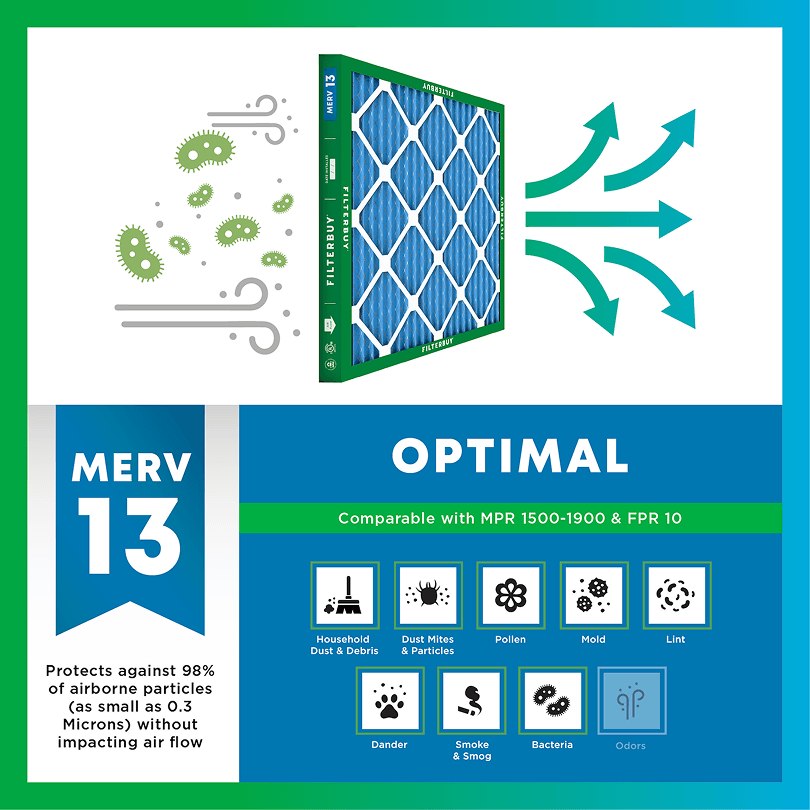
During smoke events, the EPA recommends upgrading to a MERV 13 filter — or the highest-rated filter your system can handle — to help reduce the fine particles smoke brings indoors. MERV 13 is the level most home HVAC systems can run while still capturing PM2.5, the fine particulate that makes up the bulk of wildfire smoke.
- Captures PM2.5 particles
- Blocks ash, soot, and smoke odor
- Keeps your indoor air safe—even when the outdoor air is dangerous
- Meets the EPA's recommended rating for filtering fine wildfire smoke particles.

Wildfire Smoke FAQs
Facts About Wildfires
Over 70,000 wildfires burn in the U.S. every year.
Wildfire smoke can travel 1,000+ miles, affecting states that aren't even near the blaze.
Exposure to wildfire smoke can worsen asthma, trigger heart issues, and lead to ER visits.
Indoor air can hold more fine particles during wildfire events unless it's properly filtered.
The EPA advises using MERV 13 filters or portable HEPA air cleaners during wildfire smoke events.
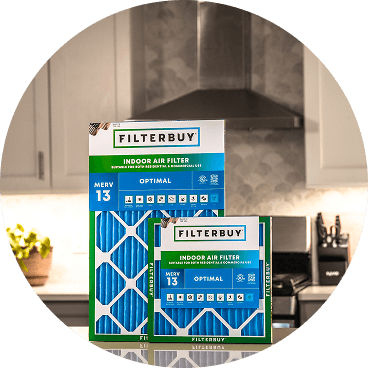
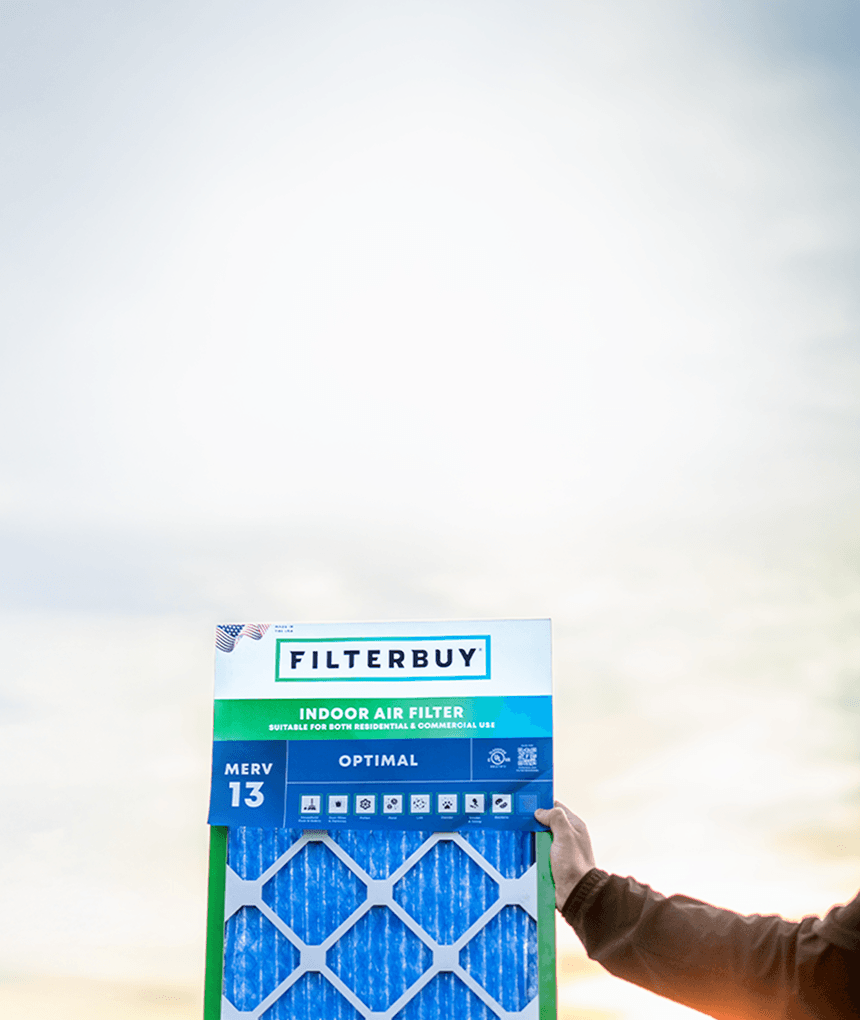
Don't Wait Until The Smoke's Inside.
Use the live wildfire smoke tracker and upgrade your air filters today to protect your lungs and your home.
Shop Filters For Smoke Protection
Arizona Wildfire and Smoke Map Today: See Live Updates
Arizona’s fire activity can change by the hour. Real-time smoke and air quality data help you decide when to stay inside, when to upgrade filtration, and how to plan outdoor time safely.
In this blog, you will learn how to find the live map, how to read it, expert tips to reduce smoke exposure, and when to adjust filters at home.
Key takeaways
Check the AirNow map daily and use AQI 101+ as your signal to increase indoor filtration.
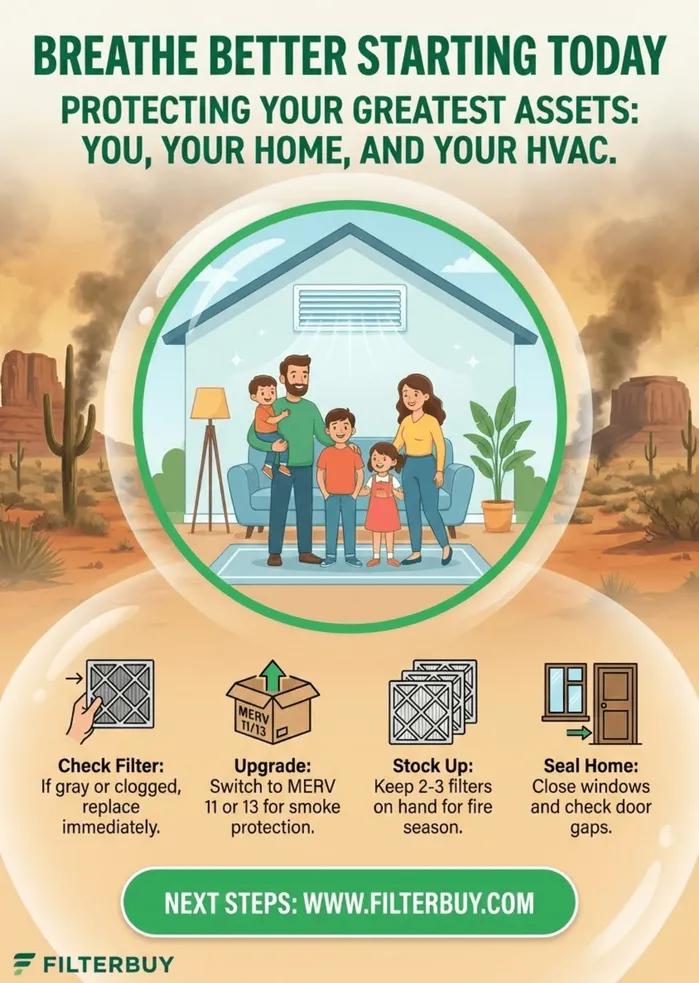
Step up to MERV 13 if your system can handle it. Use MERV 11 plus a HEPA purifier if resistance is too high.
Inspect filters more often during smoke. One-inch filters may need replacement every one to two weeks in prolonged events.
Keep windows closed, block outside air, and run the fan to recirculate so air passes the filter more often.
Size a HEPA purifier to the room and keep a dedicated clean air space.
Stock up on exact-fit filters or turn on Filterbuy Auto Delivery so you never run out when conditions worsen.
Live Arizona wildfire and smoke map
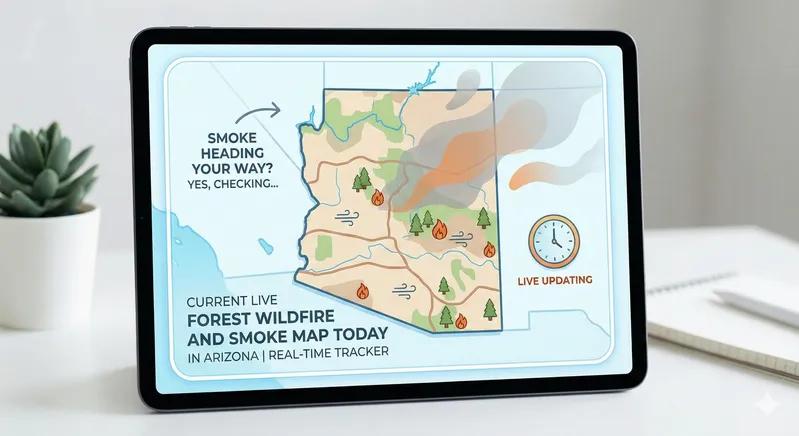
Use the AirNow Fire and Smoke Map as your primary live view. It shows active fires, smoke plumes, and PM2.5 readings from regulatory monitors and low-cost sensors, with health guidance linked to the AQI scale. Zoom to your city or enter a ZIP code, then tap any monitor or smoke icon to see current conditions and actions to take.
How wildfire smoke affects air quality and health
Wildfire smoke raises levels of PM2.5, the fine particles small enough to penetrate deep into the lungs and enter the bloodstream. Short-term exposure can trigger coughing, wheezing, sore or stinging eyes, chest tightness, headaches, and fatigue.
Risk is higher for children, older adults, people who are pregnant, and anyone with asthma, COPD, or heart disease. When the AQI climbs, spend less time outdoors, keep windows closed, run indoor filtration, and watch for symptoms that worsen with smoke.
Steps to protect yourself in Arizona
Check the map daily. Use AirNow’s Fire and Smoke Map and the Arizona state AQI page during smoke periods.
Improve indoor filtration. If your central system can handle it, upgrade to MERV 13 during smoke events to better capture fine particles. EPA guidance supports high-efficiency filtration for wildfire smoke. Monitor airflow and step down if the system struggles.
Create a clean air room. Run a portable HEPA air purifier sized for a bedroom or living area. Keep windows and doors closed and set HVAC to recirculate. EPA publishes simple clean-room instructions.
DIY stopgap option. EPA research shows a box fan with a MERV 13 filter can reduce indoor smoke when built and used safely. Use newer, certified fans and follow EPA’s assembly and safety notes.
Mind outdoor activity and masks. Limit exertion when AQI is high. If you must be outside in heavy smoke, a well-fitting NIOSH-approved N95 can reduce particle exposure.
Arizona-specific note on evaporative coolers. During smoke events, avoid pulling outside air. If you have a swamp cooler, cover outdoor intakes or use it sparingly. EPA notes you can cover intakes with thick high-efficiency filters when it is safe to do so.
Know who is at higher risk. Sensitive groups should follow health messaging closely and reduce exposure early.
Quick reading guide for the map
AQI 0–50 Good. Normal activities for most people.
AQI 51–100 Moderate. Sensitive groups should watch for symptoms.
AQI 101–150 Unhealthy for Sensitive Groups. Limit outdoor time. Improve indoor filtration.
AQI 151+ Unhealthy or worse. Stay indoors with windows closed, run MERV 13 filtration if your system supports it, and use a HEPA purifier in a clean room.
When to adjust or replace filters at home
Use the map first, then match your filtration to conditions and how your system is performing.
Check monthly by default. During active smoke, inspect every one to two weeks. Replace early if the media looks gray or matted, if rooms feel stuffy, or if airflow drops at vents.
Use AQI as your trigger. Keep your normal filter for AQI 0–100. At AQI 101+, step up filtration indoors. If your system holds normal airflow, install MERV 13 until conditions improve. If airflow or noise worsens, use MERV 11 and add a HEPA purifier.
Match thickness to runtime. One-inch filters load faster during smoke. If your cabinet allows, two-inch or four-inch pleated filters provide more media area and stay effective longer.
Run the fan to recirculate. Keep windows shut and set HVAC to recirculate so air passes the filter more often.
After the event. When AQI improves for several days, return to your everyday filter and schedule and discard the smoke-loaded filter.
See today’s Arizona smoke conditions and protect your indoor air
Open the AirNow Fire and Smoke Map, check the AQI for your area, and set your system to recirculate.
If you need high-efficiency filters, order MERV 13 or MERV 11 from Filterbuy in standard or custom sizes. Filters are made in the USA and ship fast with free delivery, and Auto Delivery keeps replacements arriving on schedule through smoke season.
FAQs
How do I check wildfire smoke near me in Arizona right now?
Open the AirNow Fire and Smoke Map and zoom to your city. It shows smoke plumes, AQI, and health messages.
What AQI level should I start limiting outdoor activity?
Begin cutting back at AQI 101 and higher. Sensitive groups should be cautious even at Moderate levels.
Do HVAC filters help with wildfire smoke indoors?
Yes. Use the highest MERV your system can handle while keeping normal airflow. Many homes use MERV 11 for everyday use and MERV 13 during smoke if the system can support it.
Should I add a portable air purifier?
Yes. Use a HEPA purifier sized for the room. Keep doors and windows closed to create a clean air space.
How often should I change filters during smoke season?
Check monthly by default. During active smoke inspect every one to two weeks and replace early if the filter looks gray or matted or if airflow drops.
Is a DIY box fan filter worth it?
It can help as a short term option. Build it safely with a newer box fan and a MERV 13 filter and never leave it unattended.
Do masks help outside?
A well fitting N95 or P100 respirator reduces particle exposure. Cloth and surgical masks are not designed for fine smoke particles.
What should I do if my home uses an evaporative cooler?
Avoid pulling outdoor air during smoke. Reduce use or cover outdoor intakes when conditions are poor. Use recirculation with filtration when possible.
Can I ventilate the house during smoky days to clear odors?
No. Keep windows closed during smoke events. Ventilate when outdoor air improves.
Who is most at risk from smoke?
Children, older adults, people who are pregnant, and anyone with asthma, COPD, or heart disease. They should reduce exposure early.
Do indoor plants clean wildfire smoke?
No. Plants do not remove enough fine particles to matter during smoke events.
What is a clean air room and how do I set one up?
Pick a bedroom or living room. Close windows and doors. Run a HEPA purifier continuously. Use central HVAC on “recirculate” with a high-efficiency filter.