
Eugene Real-Time AQI Tracker


Get Alerts For Unhealthy AQI In Your Area
When air quality in your area reaches unhealthy levels, we'll send you a quick alert, along with expert tips on how to reduce your exposure.
What's Actually In Eugene Air Today?
What High AQI Means for Your Lungs in Eugene
How to Read AQI
The Air Quality Index (AQI) measures how polluted the air is and how it may affect your health.
0–50 (Good): Air quality is satisfactory.
51–100 (Moderate): Acceptable, but some pollutants may pose minor concerns.
101–150 (Unhealthy for Sensitive Groups)
151–200 (Unhealthy)
201–300 (Very Unhealthy)
301+ (Hazardous)
Moderate
Still okay for most, but if you have asthma or allergies, take it easy and avoid long outdoor workouts.
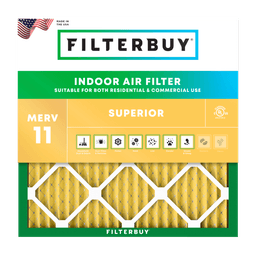
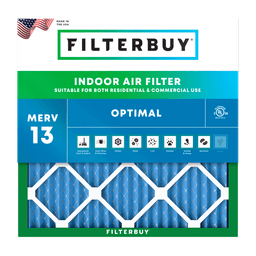
Shop MERV 11 filters→What's the Right Filter for Your AQI Level?


Check Today's Live Real Time Air Quality Index AQI Map in Eugene, OR Now
Use the live AQI map to check outdoor air where you live or work in Eugene. Enter your ZIP code, note the reading and color, then adjust outdoor plans or focus on indoor air if levels rise.
TL;DR Quick Answers
Live Air Quality Index (AQI) Map Now Today – Eugene, OR
Eugene, Oregon currently has an AQI of approximately 57, rated as Moderate. The main pollutant is PM2.5 (fine particulate matter) at around 12.4 µg/m³.
What this means for you:
Air quality is acceptable for most people
Sensitive individuals (asthma, respiratory conditions, elderly, children) may want to limit prolonged outdoor exertion
No restrictions needed for general outdoor activities
Check real-time AQI maps:
IQAir Eugene
AirNow.gov
AQICN Eugene Map
Note: AQI fluctuates throughout the day. Always check current readings before planning extended outdoor activities, especially during wildfire season.
Key takeaways
The live AQI map gives a quick read on outdoor air for your neighborhood.
Heat, sun, and low wind can build smog here, and winter inversions can trap wood smoke.
Close windows during the worst hours, use recirculation, and keep one room cleaner with a portable air cleaner if you have one.
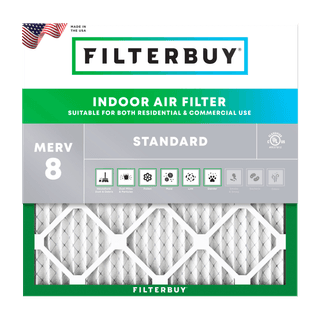
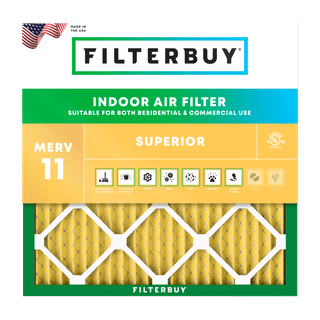
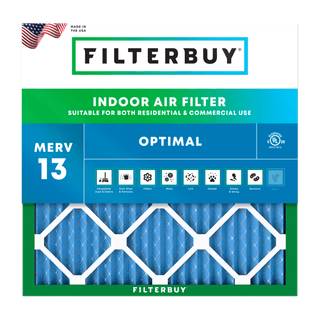
Use a Filterbuy MERV 8, 11, or 13 filter that your system supports to help reduce indoor particles while outdoor levels change.
Local air patterns in Eugene
Eugene sits in the southern Willamette Valley where calm air can trap pollution near the ground. In summer, heat and strong sun can raise afternoon ozone. In fall and winter, wood smoke and overnight fog can hold fine particles in town. Local agencies have warned about these patterns during heat waves and stagnant-air periods.
Recent alerts and headlines near Eugene
In June 2025, an early-season heat wave set new daily records, 94°F in Eugene, 96°F in Portland and Hillsboro, and the state issued an ozone advisory for the Portland area as hot, sunny, low-wind conditions spread through the valley.
In late August 2025, Oregon DEQ and LRAPA issued another ozone advisory for the Eugene–Springfield metro during a heat wave driven by heat, strong sun, and little wind.
In October 2025, AirNow showed unhealthy air near Sweet Home northeast of Eugene, and residents were told to stay indoors until air improved.
How to use today’s map
Open the map and check your block or ZIP code. Then scan nearby areas because readings can change across short distances. If the number and color rise during the afternoon, shorten outdoor time or move hard activity indoors, especially for people with asthma, COPD, or heart disease, and for young children and older adults.
Quick outdoor adjustments when readings rise
Keep workouts shorter and choose easier activities.
Pick parks and paths away from busy roads.
Take breaks and hydrate. Move indoors if you notice coughing, chest tightness, or shortness of breath.
Simple steps for cleaner indoor air
Keep windows closed during the worst hours and run AC or HVAC on a setting that recirculates indoor air. Avoid indoor smoke and strong sprays. If you have a portable air cleaner, run it in the bedroom or main living area so at least one room stays cleaner. When air improves, wipe hard surfaces with a damp cloth, vacuum rugs with a HEPA-type vacuum if available, and wash bedding or throws.
Filters that fit most Eugene homes (MERV 8, 11, 13)
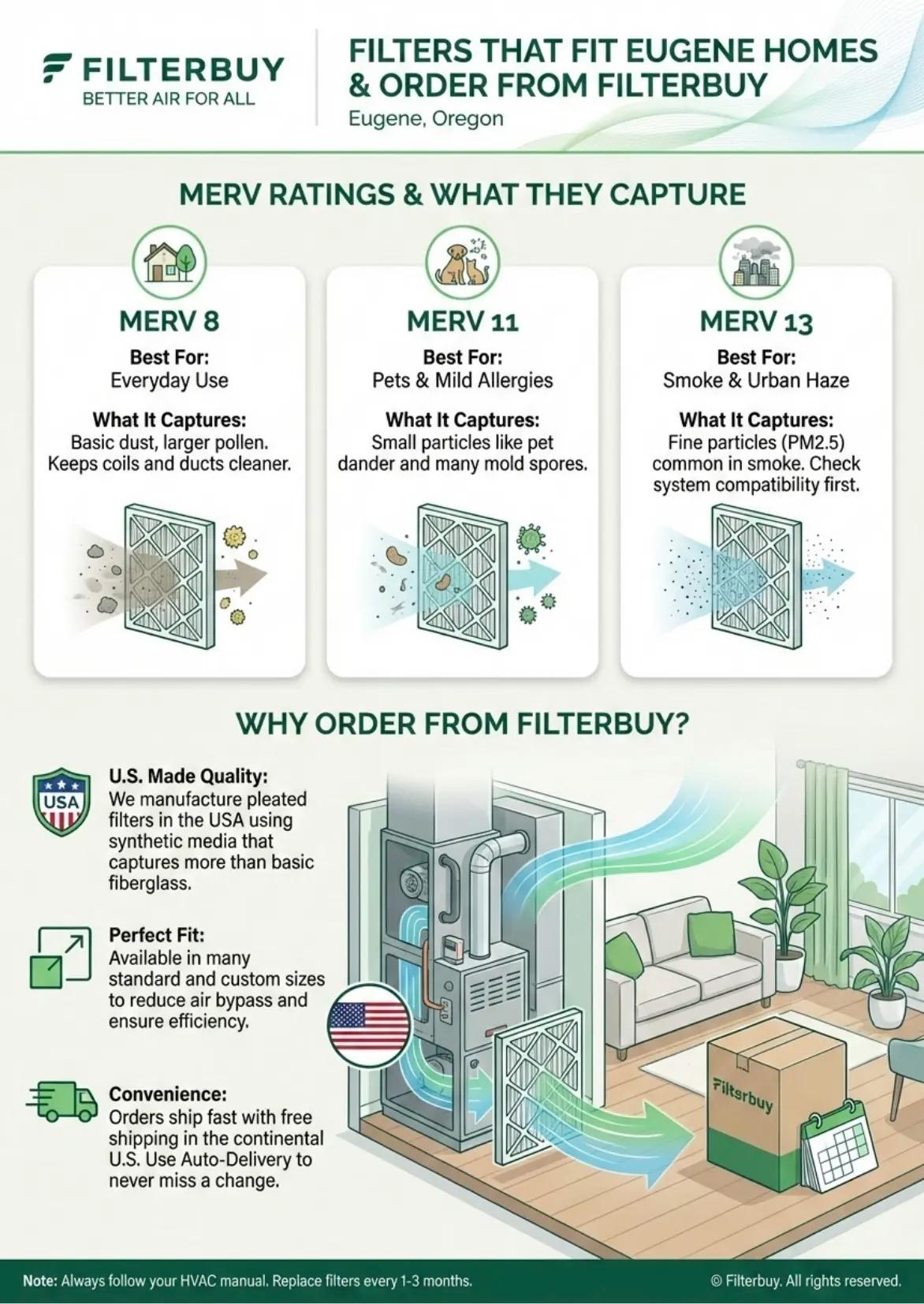
Start with the highest MERV your system can handle. MERV 8 handles everyday dust and larger pollen and helps keep coils and ducts cleaner. MERV 11 captures more small particles like pet dander and many mold spores, a good fit for homes with pets or mild allergies. MERV 13 targets finer particles common in smoke and urban haze; use it only if your system is rated for the added resistance. If you are not sure, follow the HVAC manual or ask a local technician.

Order filters from Filterbuy
Filterbuy makes U.S.-made pleated filters in many standard and custom sizes so the filter fits well and reduces air bypass. The synthetic pleated media captures more than basic fiberglass while supporting airflow when changed on time. Many homes replace filters every one to three months. Orders ship fast with free shipping in the continental U.S., and Auto-Delivery helps you stay on schedule.
FAQs
What is the AQI map?
A live map that shows current outdoor air with one number and a matching color for your location.
How often should I check it in Eugene?
Check in the morning before plans. Recheck later if wind shifts, heat builds, or smoke is in the forecast.
Why can readings change across short distances?
Traffic, wood smoke, wind, and valley inversions can raise or lower readings from one neighborhood to the next.
When is it safer to exercise outside?
Early mornings are usually better. If readings rise, keep workouts shorter or move them indoors.
Who should be most careful on higher AQI days?
People with asthma, COPD, or heart disease, anyone pregnant, young children, and older adults.
Do masks help during smoke events?
A well-fitting N95 or similar respirator can reduce smoke particles. Cloth and surgical masks are not designed for smoke.
What simple steps help indoors on bad air days?
Close windows, run AC or HVAC on recirculate, avoid indoor smoke and strong sprays, and run a portable air cleaner in the main room.
Which HVAC filter should I use?
MERV 8 for basic dust, MERV 11 for homes with pets or mild allergies, MERV 13 for finer particles like smoke only if your system allows it.
How often should I replace filters?
Many homes replace their filters every 1 to 3 months. Check sooner after heat waves or smoke events.
Where can I find official updates?
Check AirNow.gov for current readings and LRAPA or Oregon DEQ for local advisories.